To homepage
4.6/5
TrustPilot

How it works

We've transformed the clinic search process, making it simple, fast, and personal.
Answer a few questionsTake a short quiz to share your Exosome therapy goals.
Get personalized offers3 clinics, handpicked based on your answers, provide tailored treatment plans and quotes.
Choose the best optionCompare offers and choose the clinic that suits you best.
You can also browse all 4 clinics below.
820К+ patients have got assistance since 2014
50 countries
1,500 clinics
6K+ reviews
3K+ qualified doctors

How Much Does Exosome therapy Cost in Republic of Korea?

Exosome therapy in Republic of Korea typically costs from $500 to $1,200. This price variation depends on the treatment area, such as the face or scalp. The delivery method also influences the final cost. Patients save around 89% compared to the US, where this procedure costs $8,000 on average. Most sessions include the exosome serum and professional clinical application.

  • Facial rejuvenation: Usually ranges from 15-20% less than scalp treatments.
  • Scalp and hair therapy: Often commands higher prices due to larger treatment surface areas.
  • Injection delivery: Typically costs more than topical application used after laser procedures.
  • Regional hubs: Main treatment centers are located in Seoul, particularly in the Gangnam district.

Bookimed Expert Insight: Choosing a clinic in Seoul offers access to a high concentration of specialists. For instance, Forena Clinic serves 20,000 patients annually and offers packages around $1,100 to $1,600. Some clinics have board-certified dermatologists like Jooyoung Park who have trained hundreds of physicians. This level of expertise is common in Seoul's top-tier facilities. Patients benefit from high volume and advanced protocols at competitive price points.

Republic of KoreaTurkeyThe USA
Exosome therapyfrom $500from $2,200from $6,000
Data verified by Bookimed as of April 2026, based on patient requests and official quotes from 29 clinics worldwide. Median costs are based on real invoices (2025–2026) and updated monthly. Actual prices may vary.

Exosome therapy Packages in Republic of Korea — April 2026

Procedure type
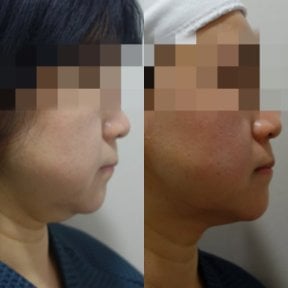
Before and after Botox injections at Lalian Cheongdam Clinic, visible jawline contour result
11 years of experience

Double layer lift
  • Jiyoun Kang is a board-certified family medicine physician renowned for her tailored, natural Botox results.
  • Lalian Cheongdam Clinic is recognized for its exclusive, private, and premium medical aesthetic experience in Seoul.
  • Included Services: Consultation with an anesthesiologist.
  • Stay Info: Accommodation is not included; no hotel stay required.

Discover the Best Exosome therapy Clinics in Republic of Korea: 4 Verified Options and Prices

The Bookimed clinic ranking is based on data science algorithms, providing a trusted, transparent, and objective comparison. It takes into account patient demand, review scores (both positive and negative), the frequency of updates to treatment options and prices, response speed, and clinic certifications.
Forena Clinic
Seoul Miz Hospital (서울미즈병원)
BIOFACE Clinic

Exosome therapy Overview in Republic of Korea

Takeaways
Related procedures & Costs
How it works
Benefits
Payment
patients recommend -
85%
Requests processed - 9233
Verified patient reviews - 6
Bookimed fees - $0

Our Trusted Doctors

View all Doctors
verified

Yeom Jihye

11 years of experience • 14000+ treatments performed

Dr. Yeom specializes in exosome therapy with extensive training in aesthetic and laser medicine at prestigious institutions like UCLA.

  • Full Member of multiple Korean societies for aesthetic and laser medicine
  • Completed UCLA Clinical Observership Program
  • Member of the American Academy of Dermatology
  • Former Director at several renowned clinics
verified

Seung-hyung Noh

26 years of experience

Dr. Seung‑Hyung Noh is a board-certified plastic and reconstructive surgeon. He has extensive experience in revision surgery for major aesthetic procedures. He is known for managing complex revision cases that call for sound judgment and precise technique.

He earned his medical degree from Hanyang University College of Medicine. He completed training in plastic and reconstructive surgery at Hanyang University Hospital. He also completed a clinical training program at Columbia University in New York.

His approach puts safety, balance, and natural results first. He avoids overtreatment and uses the least necessary intervention. He is a full member of major Korean plastic surgery societies, including KSPRS.

verified

Jiyoun Kang

11 years of experience

Jiyoun Kang, MD, is the Medical Director of LALIAN Cheongdam Clinic in Seoul, an aesthetic and dermatology center. She is board-certified in family medicine in Korea and is an obesity medicine specialist. She completed her family medicine residency at Severance Hospital, Yonsei University. She later served as a clinical professor at Yongin Severance Hospital.

Her practice focuses on non-surgical facial rejuvenation, lifting and tightening, contour injectables, regenerative anti-aging care, medical weight management, and body contouring. She offers one-on-one consultations with a focus on safety. Each plan is guided by detailed skin and facial analysis.

Dr. Kang is a member of Korean societies in obesity, aesthetics, anti-aging, laser dermatology, and lifting medicine. She is a prospective board member of the Korean Academy of Obesity & Aesthetic Treatment (KOAT). She has held leadership roles at leading aesthetic clinics. At LALIAN, she advances evidence-based care.
verified

Jooyoung Park

18 years of experience

Dr. Park specializes in evidence-based regenerative therapies, integrating exosome treatments with lasers and injectables for natural anti-aging results.

  • Board-certified dermatologist with over 18 years of experience of experience
  • Developed multi-modal protocols combining exosomes with other therapies
  • Member of the Korean Society for Stem Cell Therapy
  • Trained 300+ physicians in advanced aesthetic techniques

Video Stories from Bookimed Patients

Oksana
I have fulfilled my dream. Finally, I won't cry about my hair anymore.
Procedure: Hair transplant
Clinic: Dr. MED
Roman
Just 4 days in Turkey, and I'm already home with a new hair.
Procedure: Hair transplant
Clinic: Hair Clinic
Dmitrii
Bookimed hooked me up with a really good clinic. I saved a ton of cash.
Procedure: Beard transplant

Reviews about Bookimed: Discover Patients' Insights

All reviews
Ignacio Jiménez • Nonsurgical Facelift
Republic of Korea
Oct 21, 2024
Verified review.
The process and guidance in finding the most appropriate treatment option was perfectly managed by Jimena
The process and guidance in finding the most appropriate treatment option was perfectly managed by Jimena. A close and diligent professional who empathises with the needs we conveyed to her.
Anonymous • Alopecia
Republic of Korea
Oct 20, 2024
Verified review.
Everything was great
Thank you so much for the help I received! Everything was great.
Responsiveness
I liked everything about it.
About Bookimed service
The staff and coordinator are wonderful! Responsive! Very helpful!
Karin • Acne Laser Treatment (per session)
Republic of Korea
Feb 17, 2020
Verified review.
Provides a translation service which is really nice. However,

Share this content

Updated: 10/21/2024
Authored by
Anna Leonova
Anna Leonova
Head of Content Marketing Team
A certified medical writer with 10+ years of experience, developed Bookimed’s trusted content, backed by a Master’s in Philology and medical expert interviews worldwide.
Fahad Mawlood
Medical Editor & Data Scientist
General practitioner. Winner of 4 scientific awards. Served in Western Asia. Former Team Leader of a medical team supporting Arabic-speaking patients. Now responsible for data processing and medical content accuracy.
Fahad Mawlood Linkedin
This page may feature information relating to various medical conditions, treatments, and healthcare services available in different countries. Please be advised that the content is provided for informational purposes only and should not be construed as medical advice or guidance. Please consult with your doctor or a qualified medical professional before starting or changing medical treatment.

FAQ about Exosome therapy in Republic of Korea

These FAQs come from real patients seeking medical assistance through Bookimed. Answers are given by experienced medical coordinators and trusted clinic representatives.

Is exosome therapy legal and approved in South Korea?

Exosome therapy is legal in South Korea for aesthetic and research purposes. The Ministry of Food and Drug Safety (MFDS) approves specific exosome products for topical cosmetic use. While medicinal injections for systemic diseases are restricted to clinical trials, topical applications via microneedling remain widely available.

  • Aesthetic approval: MFDS regulates exosome boosters as cosmetics for topical skin rejuvenation and hair loss.
  • Medical status: Systemic medicinal use currently requires participation in authorized Phase 1b clinical trials.
  • Advertising laws: New regulations prohibit using `exosome` in cosmetic marketing to prevent medical confusion.
  • Regenerative framework: The 2020 ARMAB Act ensures safety standards for biopharmaceuticals and regenerative treatments.

Bookimed Expert Insight: While many equate South Korea with rapid innovation, the regulatory environment is actually stricter than most realize. High-volume centers like BIOFACE Clinic or Forena Clinic serve up to 25,000 patients annually because they use domestic, MFDS-registered brands like ExoCoBio. If a clinic cannot provide the registration documents for their exosome source, it is likely an unverified product. Always prioritize clinics in Gangnam that offer these treatments alongside stem cell boosters to ensure you receive pharmaceutical-grade serums.

Patient Consensus: Patients describe the experience as highly accessible and professional. Many recommend verifying the specific brand of exosomes used. They often note that these treatments are marketed aggressively to tourists despite being technically investigational for medical use.

What are the risks or side effects of exosome therapy?

Exosome therapy in the Republic of Korea carries risks ranging from mild injection-site reactions to serious systemic complications like anaphylaxis or infections. Most patients experience temporary redness and swelling for 24 to 72 hours, though unverified products may trigger severe immune responses or inflammation.

  • Localized reactions: Temporary redness, bruising, and tenderness commonly occur at the injection site.
  • Systemic symptoms: Some patients report fatigue, low-grade fever, or body aches for 48 hours.
  • Severe risks: Contaminated products can cause sepsis, skin necrosis, or persistent granuloma formation.
  • Hair-specific effects: Scalp treatments may trigger temporary shedding as hair follicles reset cycles.

Bookimed Expert Insight: Quality varies significantly despite Seoul being a global hub for regenerative medicine. Top facilities like BIOFACE Clinic utilize KOIHA-accredited standards and board-certified dermatologists to mitigate risks. Choosing clinics where doctors like Jooyoung Park train others in advanced injectables ensures higher safety than smaller, unaccredited boutique shops.

Patient Consensus: Some patients report intense post-injection pain or swelling that lasts longer than expected. Many advise verifying product purity and potency with third-party lab results before proceeding with treatment.

What skin concerns does exosome therapy treat?

Exosome therapy treats multiple skin concerns by delivering regenerative growth factors that stimulate cellular repair. It effectively reduces fine lines, wrinkles, and sagging while addressing hyperpigmentation, acne scars, and enlarged pores. This treatment also calms inflammation from rosacea and accelerates recovery after laser or microneedling procedures.

  • Anti-aging: Boosts collagen and elastin to firm skin and smooth out fine lines.
  • Texture refinement: Minimizes pore size and smooths rough patches for a glass skin finish.
  • Scar revision: Improves acne and surgical scars by promoting healthy skin tissue remodeling.
  • Pigmentation control: Regulates melanin production to lighten age spots and melasma effectively.

Bookimed Expert Insight: Korea is a global hub for exosome innovation, with clinics like BIOFACE Clinic serving 25,000 yearly visitors. Data shows doctors here often combine exosomes with advanced systems like Thermage or Ulthera. This multimodal approach maximizes skin tightening while the exosomes drastically reduce the typical post-procedure redness to just 1–2 days.

Patient Consensus: Patients frequently report visible improvements in skin elasticity and glow after 2–3 sessions. While highly effective for preventive aging in your 30s, many note it does not replace hormonal treatments for severe melasma.

How long do the results of exosome therapy last?

Exosome therapy results typically last between 6 to 18 months, with some patients maintaining improvements for up to 2 years. Skin rejuvenation effects usually peak at 3 to 6 months, while hair restoration benefits often persist for 12 to 18 months before requiring maintenance sessions.

  • Skin rejuvenation: Results peak around 3 months and typically last 6 to 12 months.
  • Hair restoration: Improvements in density and growth generally sustain for 12 to 18 months.
  • Peak activity: Cellular changes and collagen production reach highest levels at 3–6 months.
  • Maintenance timing: Follow-up sessions every 6 to 12 months help extend the initial results.

Bookimed Expert Insight: Data from major Seoul centers like BIOFACE Clinic and Forena Clinic suggests a high-volume approach to regenerative medicine. While US costs average $8,000, South Korean clinics offer these therapies for $500 to $1,200. This price gap allows patients to afford the recommended quarterly boosters, which are essential for maintaining the sub-12-month peak results often seen in high-activity lifestyles.

Patient Consensus: Many patients note that visible skin glowing peaks early but requires top-ups by month 8. Consistent sun protection and a low-stress lifestyle are frequently cited as the best ways to stretch the therapy's lifespan.

What is exosome therapy, and why is it popular in Korea?

Exosome therapy is a regenerative aesthetic treatment using stem cell-derived vesicles to deliver growth factors and genetic material for skin repair. It is popular in Korea for achieving glass skin, treating hair loss, and offering 100x more growth factors than traditional Platelet-Rich Plasma (PRP).

  • Procedure cost: Prices in Seoul range from $500 to $1,200 per session.
  • US comparison: Patients save 89% compared to the $8,000 average cost in America.
  • Recovery time: Treatments involve zero downtime with subtle skin improvements appearing within 4–8 weeks.
  • Clinic volume: Top centers like Seoul Miz Hospital serve over 200,000 patients annually.

Bookimed Expert Insight: Korea’s competitive edge lies in high-volume specialization rather than just low prices. Dr. Yeom Jihye at Forena Clinic has performed 14,000 procedures alone. At BIOFACE Clinic, Dr. Jooyoung Park has trained 300+ physicians in advanced injectables. This massive clinical experience ensures standardized, predictable results that general practitioners elsewhere rarely match.

Patient Consensus: Patients value how these boosters accelerate healing after lasers. Many recommend starting with 2 sessions to test individual skin response before committing to full packages.

How does exosome therapy differ from stem cell therapy?

Stem cell therapy involves transplanting living cells that differentiate into new tissue, while exosome therapy uses cell-free messengers to trigger natural repair. While stem cells act as physical building blocks for structural damage, exosomes deliver growth factors and RNA to reduce inflammation and rejuvenate skin without the clinical risks associated with live cell replication.

  • Biological nature: Stem cells are complete living units; exosomes are tiny, acellular signaling vesicles.
  • Primary mechanism: Stem cells replace damaged tissue; exosomes instruct existing cells to heal themselves.
  • Safety profile: Exosomes carry lower risks of immune rejection or tumor formation than live cells.
  • Administration methods: Options include IV infusion, localized injection, topical application, and mesotherapy at Korean clinics.

Bookimed Expert Insight: Data from leading Seoul clinics like BIOFACE and Forena shows a shift toward combining these technologies. While US treatments often cost $8,000, Korean specialists like Dr. Jooyoung Park use umbilical cord-derived exosomes as high-potency boosters for traditional stem cell protocols. This hybrid approach often yields faster visible results for anti-aging than using either therapy alone.

Patient Consensus: Patients value exosomes for quicker recovery and lower procedural risks. Many suggest planning for 2–3 booster sessions, noting that while results appear within weeks, they typically require more frequent maintenance than stem cell transplants.

What is the expected recovery time (downtime) after exosome therapy in Korean clinics?

Recovery after exosome therapy in South Korean clinics typically requires minimal to no downtime. Most patients resume daily activities immediately, though localized redness or mild swelling may persist for 24 to 48 hours. Factors like delivery method and individual skin sensitivity primarily determine the exact healing timeline.

  • Immediate return: Patients generally return to work or sightseeing on the same treatment day.
  • Skin reaction: Expect mild redness or tightness resembling a light sunburn for 2 days.
  • Vessel protection: Avoid saunas, hot tubs, and strenuous exercise for at least 48 hours.
  • Visible results: Improved skin hydration appears within 1 week; texture peaks after 1 month.

Bookimed Expert Insight: While clinics like Bioface and Forena serve over 20,000 patients annually with `no-downtime` promises, the delivery method changes everything. If choosing microneedling over traditional injections, expect up to 5 days of skin peeling. Surgeons like Dr. Jooyoung Park often use multimodal protocols where exosomes follow laser treatments, which can extend visible redness compared to standalone sessions.

Patient Consensus: Many advise planning for 3 to 5 days of mild fatigue or localized soreness despite marketing claims. Those receiving facial treatments often suggest skipping major social events for the first 48 hours due to temporary swelling.

Get a free consultation

Select the best way to contact you