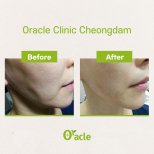
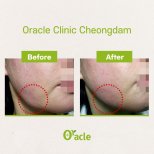
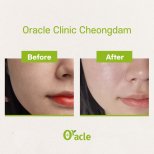
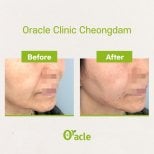
Most of all, I just wanted to say that I recommend VG because of the wonderful consideration, kindness, and support that I received there
I would like to share my experience with BookiMed and their recommmendation, VG (Very Good) Plastic Surgery.
Doctor: Dr. Im Young Min
Procedures: Deep plane facelift, mid-face lift with fat graft, sub-brow lift, lower blepharoplasty
Referral: I had been wanting to get this surgery for quite a long time, but didn't know which clinic would be best, so I applied to Bookimed who gave me several quotes/recommendations based on my needs. I liked the procedures suggested by VG Plastic Surgery the best and I saw that they had good reviews online, so I set up a consultation.
Consultation: At the consultation, several photos were taken in order to analyze the surgery and what would work best for me. The doctor suggested a sub-brow lift for my sagging eyelid skin, a deep plane facelift and a midface lift to address the loss of volume and sagging along with a fat graft to restore the volume to my cheeks, and a lower blepharoplasty to address the hollowness under my eyes along with the malar edema. I worked with Smile, one of the consultants who was very helpful and went over everything with me including all of the options and prices. She was very professional but warm, which is one reason that I decided to go with VG over other clinics.
Pre-Surgery Check-up: A few days before my surgery, I went in for a checkup where they did a chest x-ray and a blood test to make sure my body was healthy enough for the surgery. I met with Dr. Im, my surgeon, to go over the plan for the surgery and make sure everything was in place. I met another consultant, Lily, who interpreted everything for me and made sure that everything was clear and comfortable for me.
Surgery: The day of surgery, I did an interview about the procedure and how I was feeling prior to the surgery as well as taking several "before" photos to use as comparison. I had also fasted for 8 hours (food and water). The surgery was very smooth, but I believe it lasted a long time- between 6-8 hours as there were many procedures being done. I had to have a breathing tube, which was quite uncomfortable for the first 12 hours after surgery, but I was glad that the doctors took every precaution. They also put in drains in my neck and inside my mouth to keep blood and fluid from pooling under my skin as well as a catheter.
Post-Surgery: After surgery, I was taken to a private room for recovery. I stayed in the room for about 24 hours and the nurses took very good care of me, coming in to replace the ice packs for my face, check on my catheter and incisions and just making sure I was comfortable. I was eventually able to have water, then some soy milk, and finally some porridge when I was ready. Lily and Smile checked on me several times to be sure everything was alright and to translate for me.
The next day before leaving the hospital, the bandages were removed and Dr. Im came in and checked on me to make sure that everything had gone well. Lily, Smile and another consultant, Jenny, were there to interpret and to make sure I was alright. They removed the catheter and cleaned the incisions, replacing them with clean bandages. I also did an oxygen treatment in a hyperbaric chamber, which was very relaxing. I took a taxi home with Smile's support.
Scary Moment: One thing that happened that was a bit scary for me was that I wasn't prepared for how much my eyes would swell up after the surgery. I felt like my bandages were bursting (and the nurse helped me to relieve some of the pressure) and when I looked at myself the day after the surgery, I wasn't prepared for what I saw. The veins in my eyes burst, making them completely red and my eyes swelled up so much I could barely see. This was scary for me as I had not seen this in any of the videos I had watched prior when doing my research. The staff assured me it was normal and that it would go back down, but I guess I'd say that for the first 2-3 days after the surgery, I was pretty worried that something was wrong. The ointment I was applying to keep the incisions clean also coated my eyes from time to time blurring my vision, which was scary, but the consultant assured me this was only because of the medication.
I went back to the clinic after 3 days for a check-up and to have my incisions cleaned and the blood drains emptied. Each time I visited the clinic, I was given an oxygen treatment and several photos were taken for documentation. After the swelling in my eyes went down, my recovery progressed quickly. I had more visits (at 7 days, 10 days, 14 days and then 3 weeks) to remove stitches and drains and to monitor my progress. At 7 days, I was given a complimentary hair wash as well, which was very relaxing and such a relief. I also wore a head brace/wrap to keep my face from moving around too much for about a month. I did take it off to sleep at times because it felt tight, but I tried to keep it on during the day for the most part.
Conclusion: I am now 5 months post-op, and I am very happy with my results. I feel that my concerns were addressed, and that I look younger and fresher, but still like myself, which was always the goal of this surgery for me. I feel a renewed vigor and like I look like the person I have always been, if that makes sense. I still have some puffiness under my eyes at times, especially when I have built up fluid retention or am very tired, and I am still working to find the cause/solution for this. I believe it is related to lymphatic drainage, so I understand that the surgery could not fully correct this issue, although I do feel like it is better than before.
Most of all, I just wanted to say that I recommend VG because of the wonderful consideration, kindness, and support that I received there. From the way that the consultants went out of their way to help and support me, not just through translation, but by encouraging me and helping me, to the care the nurses gave me, to the skill that Dr. Im and his staff in the operating room showed, I am very happy. The scars from my incisions are unnoticeable and will most likely become completely invisible with time, and I feel that my surgery goals were reached. A big thanks to VG Surgery and their staff.
I would also like to thank Bookimed for helping me to find this clinic and giving me the information I needed to make my decision.
The customer service and attention from the staff at VG was the best part of my experience. They were all very caring and attentive.
I would have liked to have more post-op consultation with the surgeon and to have been able to ask him more about my questions/concerns.
About Bookimed service
Bookimed was very prompt and responsive, giving me several choices and listening to my concerns and feelings about everything. They recommended several clinics and this gave me a lot of options to consider before making my decision. It's difficult to trust online reviews, so I really appreciated having another level of research before making a choice.