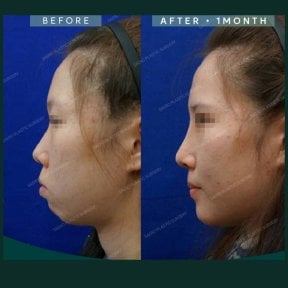
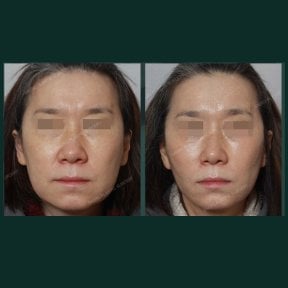
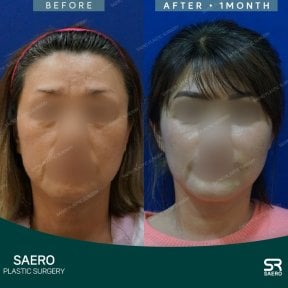
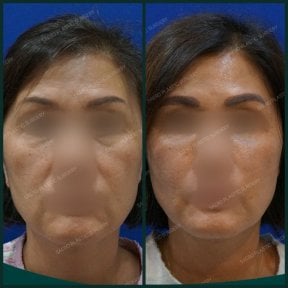
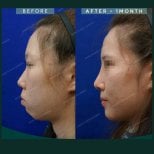
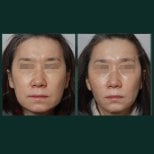
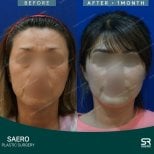
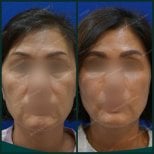
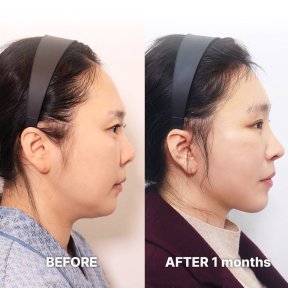
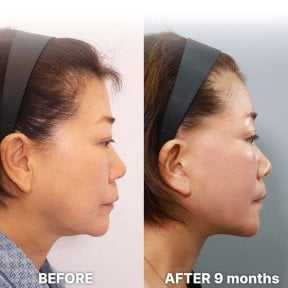
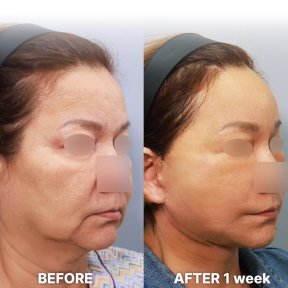
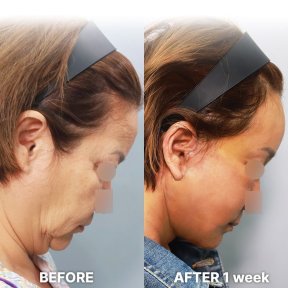
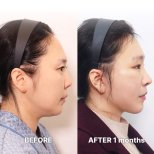
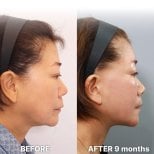
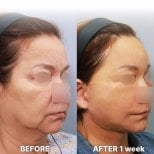
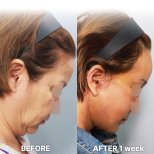
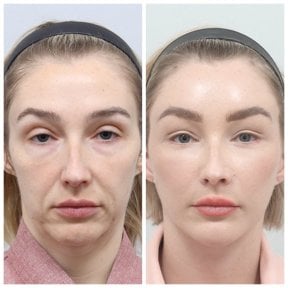
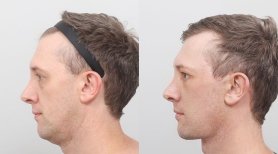
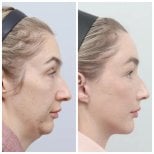
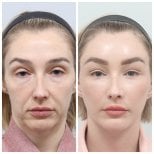
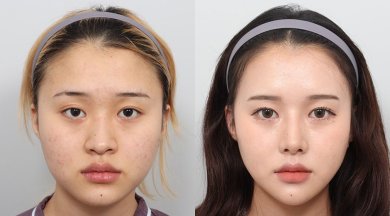
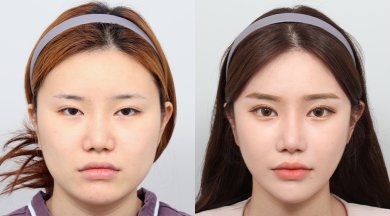
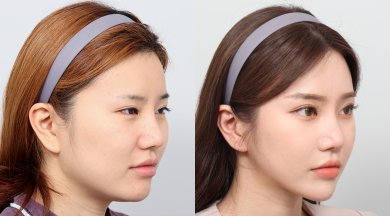
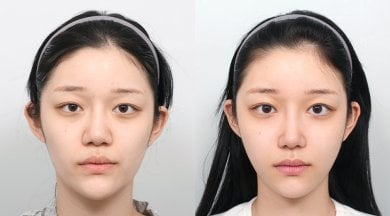
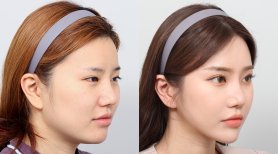
Korea remains one of the busiest facelift destinations on Bookimed, with 1,400 patient inquiries routed to Korean partners and packages starting from $8,900. However, three recent rule changes may affect your experience. As of 2026, tourists can no longer claim a medical VAT refund, operating-room CCTV is now required by law, and patients are typically not prescribed Western opioid painkillers after discharge. Here's how these updates may affect your trip.
Budgeting Your Korean Facelift After the End of the VAT Refund
You'll still see the 7–10% tourist VAT refund advertised on medical-travel forums. As of January 1, 2026, it doesn't apply to cosmetic procedures in Korea anymore.
How the end of the refund affects your costs
Korea's VAT refund program expired on December 31, 2025. Some Seoul clinics moved the discount inside the invoice as a private "Tax-Offset Discount" for international patients. However, this isn’t a government refund. Standard non-medical "Shopping Tax-Free" for cosmetics and skincare still works. Useful for post-op purchases, not the procedure itself.
Confirming Your Surgeon Operates: How Korea's Operating-Room CCTV Law Works for You
Since September 25, 2023, Korean clinics performing procedures under general anesthesia or deep sedation must install operating-room CCTV and record the surgery upon request. This requirement was introduced to avoid surgeon substitution, a practice widely referred to in Korean media as "ghost surgery".
What the 2023 CCTV law means for patients
In our experience coordinating Korean facelift patients, the recording clause almost never comes up unless we brief you to tick the box. A government-backed survey found that 55.7% of surgery patients didn't know whether their operation was recorded, while 33.5% never requested a recording because the clinic didn’t mention the option. So if you need a recording, discuss it with your specialist before the procedure.
What to put in writing before surgery
Submit the recording request at pre-op. Keep a signed copy and confirm the retention period on the consent form. Two Korean partner clinics already state that their operating rooms are equipped with CCTV. VG Plastic Surgery lists university-grade safety systems with CCTV monitoring, while AB Plastic Surgery monitors all operating rooms by 24-hour CCTV.
Red flags to walk away from
Watch for clinics that charge any fee to view your own recording, decline to record when you ask in writing, or resist naming the operating surgeon on the consent form. Any of the three is a signal to look elsewhere.
How to Choose a Board-Certified Facelift Surgeon in Korea
Under Korean medical law, any licensed physician can open a clinic offering plastic surgery. However, only a legally recognized Board-Certified Plastic Surgeon has completed medical school, finished a plastic-surgery residency, and passed the national board exam. A clinic's name alone doesn't confirm the surgeon's qualifications.
Step 1: Understand what "Board-Certified Plastic Surgeon" actually means
The Korean Society of Plastic and Reconstructive Surgeons (KSPRS) is the national body that certifies specialists. When a surgeon lists a KSPRS certificate or a KSPRS committee role on their Bookimed profile, that's the board-certification signal to look for. Don’t rely on the title "cosmetic surgeon" alone when evaluating a surgeon’s credentials.
Step 2: Read online reviews critically
In July 2026, the Korea Fair Trade Commission (KFTC) penalized major Gangnam plastic surgery clinics after finding that positive online reviews had been exchanged for surgical discounts. High review counts on Korean platforms shouldn't be treated as proof of quality anymore. In contrast, Bookimed reviews are not exchanged for discounts, and each one is published, whatever it says.
Step 3: Look for evidence of board certification on partner profiles
Four of our Korean partners provide information about their professional qualifications, including KSPRS certification:
- Dr. Yong Woo Kim (Returning Plastic Surgery) – top score on the KSPRS resident board exam, 1,000+ procedures.
- Dr. Park Young Kyu (SAERO) – KSPRS Anti-aging Steering Committee, ISAPS + ASPS member.
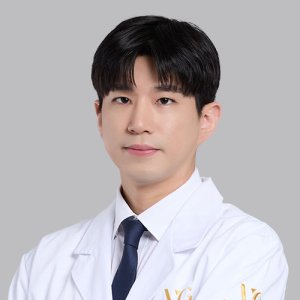
- Dr. Im Young Min (VG) – board-certified chief physician, KSPRS + KSAPS member.
- Dr. Kim Sung Sik (JK Plastic Surgery Center) – KSPRS certificate on file.
How Long Does a Korean Facelift Last? Deep Plane vs. SMAS
Deep-plane and SMAS facelifts differ in the layer of tissue the surgeon works on. The surgical technique influences how long the results typically last.
SMAS vs. Deep Plane: Expected Longevity
| Technique | Average longevity | Best-fit patient profile |
|---|
| SMAS lift | 5–10 years | Moderate jowl laxity, thinner facial skin, primary lift |
| Deep Plane | 10–15 years | Combined midface and neck descent, patients who require ligament release or hope to avoid revision surgery |
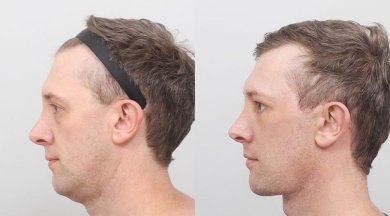
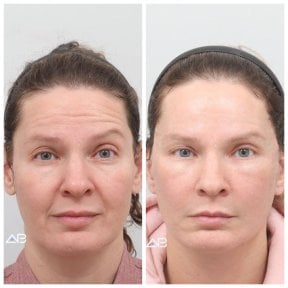
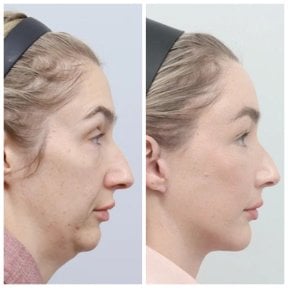
A SMAS facelift tightens the layer of tissue beneath the skin by folding and lifting it laterally. Deep Plane operates beneath the SMAS entirely and releases the retaining ligaments. It lifts midface, cheeks, and neck together rather than tightening each area separately. This approach generally produces longer-lasting results.
Why some facelifts need revision sooner
A long-term study found nearly 80% of patients didn't require a secondary facelift within 5 years. Some patients may require revision surgery sooner because of factors such as severe sun damage and significant weight fluctuations.
For patients in areas with high UV exposure (US, Australia, Mediterranean Europe), protecting the skin from the sun may help preserve facelift results for longer.
Facelift Safety Data: Complication Rates and Blood-Pressure Protocols to Ask About
Research findings highlight the most critical safety questions to ask your Korean plastic surgeon.
What an 11,300-patient study shows
A prospective analysis of 11,300 patients found that about 98% complete their 30-day recovery window without major complications. Minor issues like hematoma and infection remain low, at around 1.1% and 0.3%, respectively.
Why blood-pressure control matters more than any drug
Keeping your blood pressure well-controlled after surgery can significantly reduce the risk of complications. One study reported a hematoma rate of 0.5% when systolic blood pressure was kept below 120 mmHg, compared with 3.7% when it stayed below 140 mmHg. Another review of more than 8,800 deep-plane facelift patients found that bleeding-control methods such as tranexamic acid, tissue sealants, and hemostatic nets all worked equally well.
What data shows about nerve safety
In a systematic review of over 15,400 facelift procedures, the vast majority of patients—over 99%—experienced no lasting nerve issues. Temporary nerve-related issues were rare:
- motor nerve injury – 0.66%;
- sensory injury – 0.39%.
Permanent facial muscle weakness is extremely rare, affecting fewer than 1 in 2,000 facelift patients.
Questions to ask your Korean surgeon
- What is your target systolic blood pressure during surgery and for the first 24 hours afterward?
- Do you routinely use bleeding-control methods such as hemostatic nets or tissue sealants? What is your clinic's hematoma rate?
- Do you keep patients overnight for BP monitoring?
Several Korean partners offer overnight monitoring after a facelift. For example, AB Plastic Surgery's Age Reset package covers a one-night stay, while VG Plastic Surgery documents 15 inpatient beds. Facelift outcomes are strongest when postoperative blood pressure is controlled and wound healing is uncompromised. Patients with uncontrolled hypertension, active infection, bleeding disorders, or heavy nicotine use should discuss these risk factors with their surgeon before scheduling surgery.
What Painkillers Will You Get After a Facelift in Korea?
Western patients (especially from the US) often expect an opioid prescription after surgery, but pain management in Korea follows a different approach. It starts with electronic prescription controls.
What you'll get in-clinic and on discharge
Pain management after a facelift may include non-narcotic medications, such as NSAIDs (nonsteroidal anti-inflammatory drugs, which help relieve pain and reduce inflammation), during recovery in the clinic. This is followed by oral painkillers at home, such as acetaminophen and ibuprofen. Strong opioids such as oxycodone, hydrocodone, and tramadol are subject to stricter prescription controls in Korea. Outpatient prescriptions for controlled narcotics are monitored through the National Narcotics Information Management System (NIMS), Korea's electronic prescription ledger.
Our coordinators pre-brief every Bookimed patient on the non-narcotic protocol so nobody arrives expecting an oxycodone script. Several partners bundle post-op medication into the package, including Dr. Tak Plastic Surgery's $8,900 SMAS lift.
Don't bring narcotics from home without written MFDS clearance
The U.S. Embassy in Seoul advises travelers to check the requirements before bringing foreign-prescribed narcotic painkillers into Korea. Written authorization from the Ministry of Food and Drug Safety (MFDS, Korea's drug regulator) may be required for controlled substances. This can include medications such as tramadol.
Prep list:
- Ask the clinic for its written recovery-medication list before departure.
- Keep your home-country prescription and supporting medical documents with you, including English and Korean translations.
- Clear any controlled substance in advance via MFDS.
Patient Rights in Korea: The K-Medi Dispute Path and Review Laws to Know Before You Travel
Foreign patients in Korea have the same rights as Korean citizens when it comes to medical disputes. Two key points are worth knowing before you travel.
K-Medi vs. civil court
K-Medi, Korea's state medical dispute mediation and arbitration agency, gives foreign patients access to the same dispute-filing process as Korean patients. K-Medi is legally required to arbitrate and resolve cases within 90–120 days. It operates a state-backed subrogation system that pays settled claims directly to patients if a clinic defaults. By comparison, civil medical-dispute cases in Korean courts take an average of about 26 months.
Filing with K-Medi is your step. Dealing with the clinic doesn't have to be. Your Bookimed coordinator contacts the clinic directly to help resolve the issue. The care team stays in touch for a month after treatment.
Before you post: how Korean defamation law works
Korean criminal defamation law can apply to patients who post negative reviews online and may result in fines, even when the statements are factually true. That doesn't remove your right to seek redress, but it does affect the way you should approach a dispute.
File first. Post later.
Prep before travel:
- Keep every consent form, invoice, and photo in a shared cloud folder.
- Route any complaint through your Bookimed coordinator first.
- Hold off on public reviews until the matter is resolved.
Western vs. Korean Facelift Anatomy: What to Ask About Preserving Your Angular Features
Korean surgeons train on the facial anatomy they see every day. For Western patients with different features and aesthetic priorities, discussing those differences explicitly can help ensure the treatment plan reflects your preferences.
How Caucasian and East Asian faces age differently
A peer-reviewed study on Asian facelift techniques describes differences in how Asian and Caucasian faces tend to age. Asian skin is generally thicker and more collagen-dense, with aging more strongly associated with deeper tissue descent and less surface wrinkling. Caucasian skin tends to be thinner, with more wrinkling and lateral laxity. Korean surgeons therefore anchor sub-SMAS tissue, reposition cheek fat, and minimize skin excision.
The Korean "V-line" aesthetic vs. Western angular preference
Mainstream Korean aesthetic prefers a soft, oval "V-line" profile. Many Western patients want the opposite: more defined jawline and cheekbone contours. Be explicit about your preferred look so the treatment plan reflects it.
Korean surgeons with deep-plane facelift experience
Four Korean partners document deep-plane work with international patients:
- Dr. Yong Woo Kim (Returning) – deep plane, ASRM training, 1,000+ procedures;
- Dr. Park Young Kyu (SAERO) – deep plane, ISAPS and ASPS member;
- Dr. Kim Sung Sik (JK) – deep plane, revision rhinoplasty;
- Dr. Lee Jeong Min (URBAN) – deep plane, endoscopic facelifts.
When you come for your consultation, bring photos of your face from 10–15 years ago and ask how the treatment plan will preserve your jawline definition.