How it works
How Much Does Endoscopic facelift Cost in Republic of Korea?
The cost for an Endoscopic facelift in Republic of Korea typically ranges from $5,000 to $9,000. Final pricing depends on the surgeon's experience level, clinic location in Seoul, and whether additional areas like the brow are included. In the US, similar procedures cost around $15,500 on average. Patients save around 55% compared to US rates. Standard Korean packages often include preoperative tests, anesthesia, and postoperative care.
- Surgeon expertise: Board-certified doctors with over 900 procedures often charge higher premium rates for specialized techniques.
- Revision surgery: Secondary procedures are more complex and typically cost significantly more than first-time surgeries.
- Anatomical scope: Including a neck lift or forehead lift adds approximately 20-30% to the base price.
- Clinic location: Major medical hubs in Seoul, such as Gangnam and Seocho-dong, are the primary destinations.
Bookimed Expert Insight: High-volume clinics in Seoul offer exceptional value by bundling recovery services into their prices. For instance, Dr. Tak Plastic Surgery provides packages starting around $4,400. These include "secret" facelift techniques and essential post-op medications. Choosing established centers like VG Plastic Surgery or JK Plastic Surgery Center ensures access to KOIHA-accredited facilities. These clinics often include hyperbaric oxygen therapy to speed up healing.
| Republic of Korea | Turkey | The USA | |
|---|---|---|---|
| Endoscopic facelift | from $5,000 | from $2,500 | ≈ $11,000 |
Discover the Best Endoscopic facelift Clinics in Republic of Korea: 10 Verified Options and Prices
VG Plastic Surgery
Im Young Min


Onlif Plastic Surgery Korea
Jae Un Lee


URBAN Plastic Surgery
Lee Jeong Min

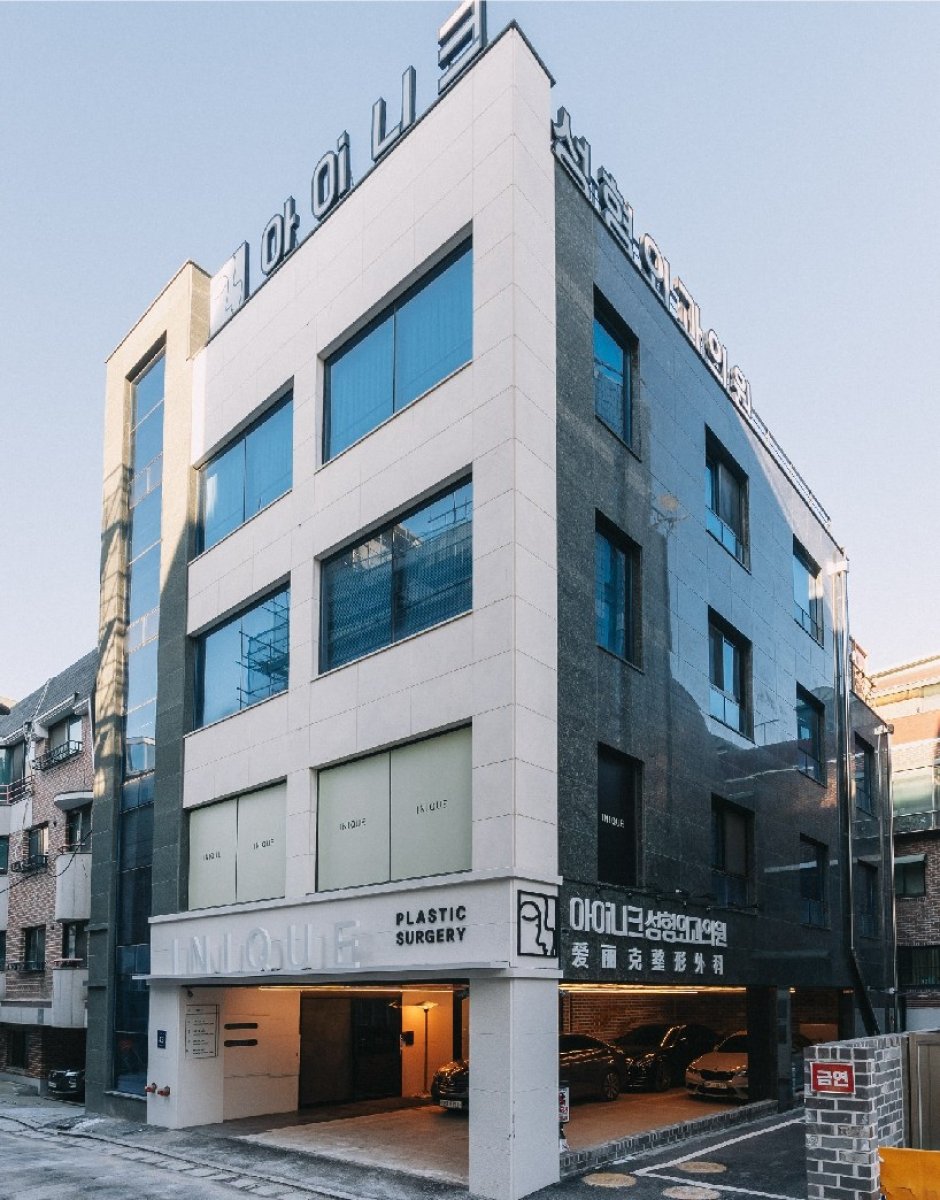
INIQUÉ Plastic Surgery Clinic
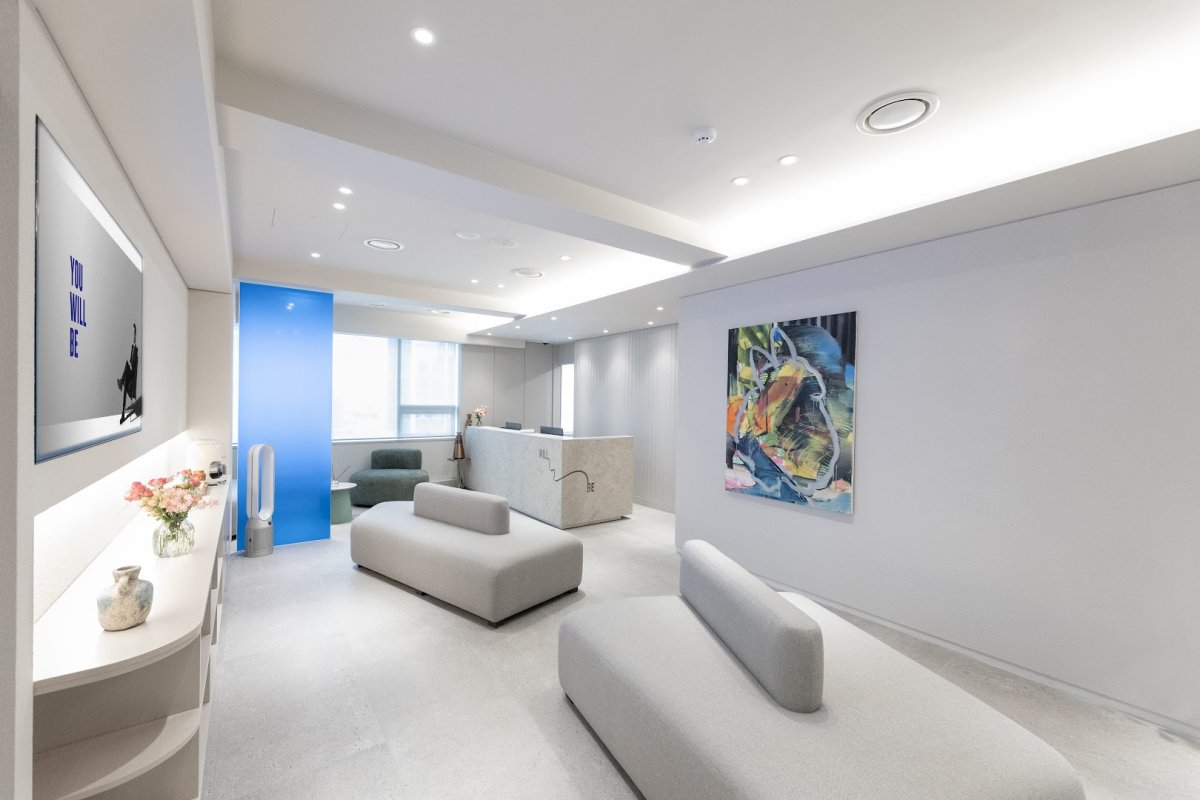
Willbe Plastic Surgery
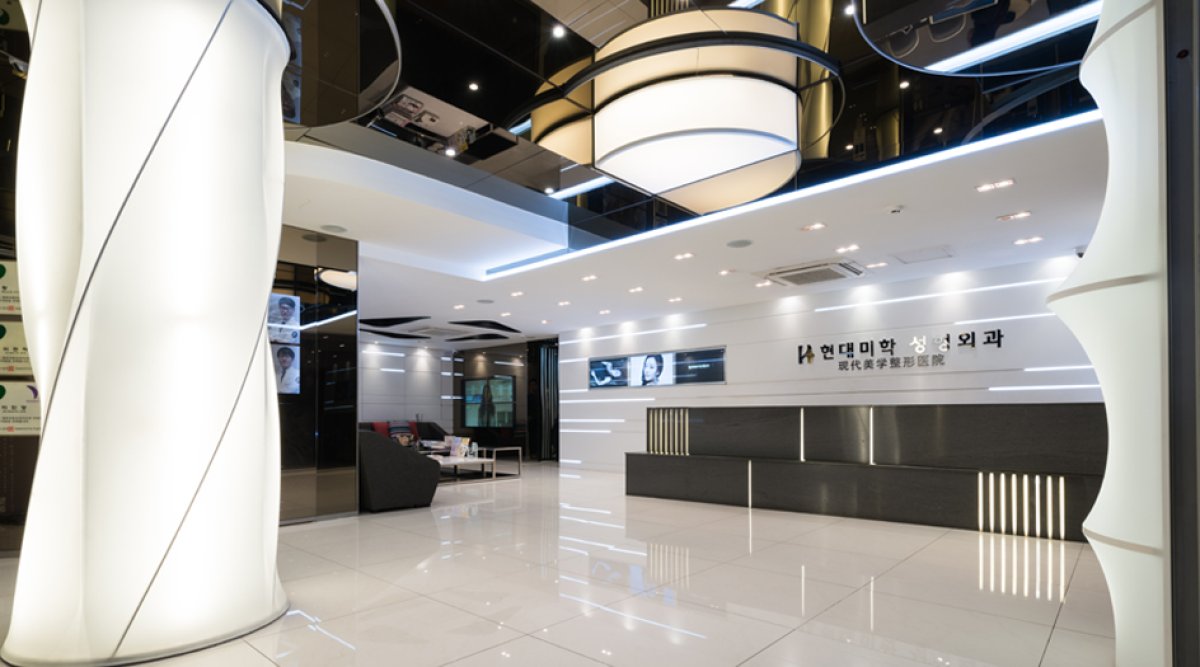
Hyundai Aesthetic Surgery Clinic (Hyundai Mihak Plastic Surgery / 현대미학성형외과, 현대로미학성형외과)
Endoscopic facelift in Republic of Korea: Your Travel Plan
Day 1: Arrival in Republic of Korea
- Arrive at the airport. You should proceed through customs with your passport ready for inspection.
- Check into your pre-booked accommodation and settle in.
- Rest and adjust to any time zone differences. This ensures you are well-rested for the upcoming days.
- Review your scheduled appointments. Ensure you have all necessary documents and information ready for your consultation.
- Familiarize yourself with the local area, including nearby amenities and transportation options.
Day 2: Pre-Operative Consultation and Tests
- Visit the clinic for an in-person consultation with your surgeon. Discuss the specifics of the endoscopic facelift and any additional procedures like fat grafting or lower blepharoplasty.
- Undergo preoperative laboratory tests to ensure you are fit for surgery. These tests may include blood work and other diagnostics as deemed necessary by the medical team.
- Confirm the final surgical plan with your doctor. Recommendations may change after an in-person evaluation.
- Discuss anesthesia options and postoperative care with the anesthesiologist and nursing team.
- Pay any remaining deposits required to confirm your surgery slot.
Day 3: Surgery Day
- Arrive at the clinic at the scheduled time for your endoscopic facelift procedure.
- Undergo the surgery. This involves making small incisions behind the hairline and using 'Endotine' materials to lift and fix sagging skin. It helps improve wrinkles and droopiness on the forehead and around the eyes.
- If applicable, additional procedures like a deep plane facelift or platysmaplasty may be performed to enhance results.
- Recover in the clinic's recovery area under the supervision of the nursing team.
- If general anesthesia was used or hospitalization is required, an overnight caregiver may be needed for post-surgery care.
Day 4-5: Initial Recovery
- Remain in the clinic or your accommodation for initial recovery. Follow post-operative care instructions provided by the clinic.
- Attend follow-up appointments for wound checks and to monitor your recovery progress.
- Take prescribed medications to manage pain and prevent infection. Costs for medications typically range from 20,000 to 250,000 KRW.
- Rest and avoid strenuous activities to promote healing.
Day 6-10: Continued Recovery and Follow-Up
- Continue attending follow-up appointments as scheduled to ensure proper healing.
- Engage in light activities as advised by your doctor. Avoid heavy lifting or vigorous exercise.
- Monitor for any signs of complications. Contact the clinic immediately if any concerns arise.
- Maintain a balanced diet and hydration to support your body's recovery process.
Day 11-14: Final Recovery Phase
- Attend a final follow-up appointment to assess the results of the surgery. Ensure all is healing well.
- Discuss any concerns or questions with your surgeon before preparing to return home.
- Ensure you have all necessary documentation and care instructions for ongoing recovery once you leave Korea.
- Consider any additional cosmetic treatments or maintenance procedures if recommended by your doctor.
Day 15: Departure from Republic of Korea
- Check out from your accommodation. Ensure you have all personal belongings and medical documents.
- Head to the airport with ample time to navigate security and customs.
- Return home. Follow any post-operative care instructions provided by your clinic for continued recovery.
- Stay in contact with the clinic for any follow-up questions or concerns that may arise after returning home.
Our Trusted Doctors
View all Doctors
Yong Woo Kim
Board-certified plastic surgeon with prestigious awards – Dr. Kim specializes in endoscopic facelifts at Returning Plastic Surgery.
- Graduated from Hanyang University College of Medicine
- Awarded 'Best Resident' and highest residency exam score
- Received Best Paper Awards from Korean plastic surgery societies
- Trained at the American Society for Reconstructive Microsurgery
- Member of multiple Korean plastic surgery associations

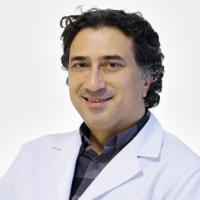
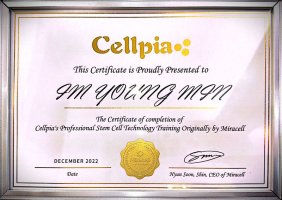
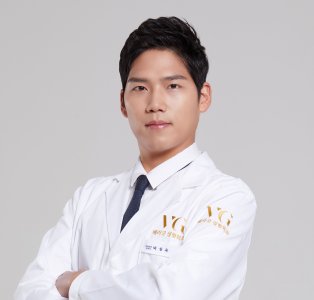
Im Young Min
Dr. Im Young Min is the board-certified chief physician at VG Plastic Surgery in Seoul. He specializes in facial and body procedures, with a focus on natural, balanced outcomes. Dr. Im has appeared on the TV show Dream Come True.
- Recognized as one of Korea's 100 Good Doctors for facial contouring and rhinoplasty.
- Winner of the Top Brand Award in the Beauty and Aesthetic Surgery category.
- Former head of GRAND, JK, Topface, and Yuno plastic surgery clinics.
- Maintains membership in the American Society for Aesthetic Plastic Surgery (ASAPS).

Park Sangwook
Dr. Park Sangwook is a board-certified plastic surgeon and the Director of VG Plastic Surgery in Seoul. He completed his residency at Seoul St. Mary’s Hospital. He specializes in rhinoplasty and facial contouring. The doctor previously served as a Director at DA Plastic Surgery Clinic.
- Full member of the Korean Society for Aesthetic Plastic Surgery (KSAPS).
- Belongs to the Korean Cleft Palate-Craniofacial Association.
- Performs revision rhinoplasty, cheekbone reduction, and alarplasty.
- Treats patients at VG Plastic Surgery, a KOIHA-accredited facility.

Kim Sung Sik
Dr. Kim Sung Sik is a plastic surgeon at the JK Plastic Surgery Center in Seoul. He specializes in facial contouring, anti-aging, and rhinoplasty. Dr. Kim completed his residency and internship at Seoul St. Mary’s Hospital. He holds a postgraduate degree in plastic surgery from the Catholic University Medical School.
- Member of the International Society of Plastic Surgery.
- Certified by the Korean Society of Plastic and Reconstructive Surgeons.
- Performs specialized procedures including deep plane facelifts and revision rhinoplasty.
- Treats patients at a clinic with a 100% success rate for all procedures.
Video Stories from Bookimed Patients
Reviews about Bookimed: Discover Patients' Insights
All reviews


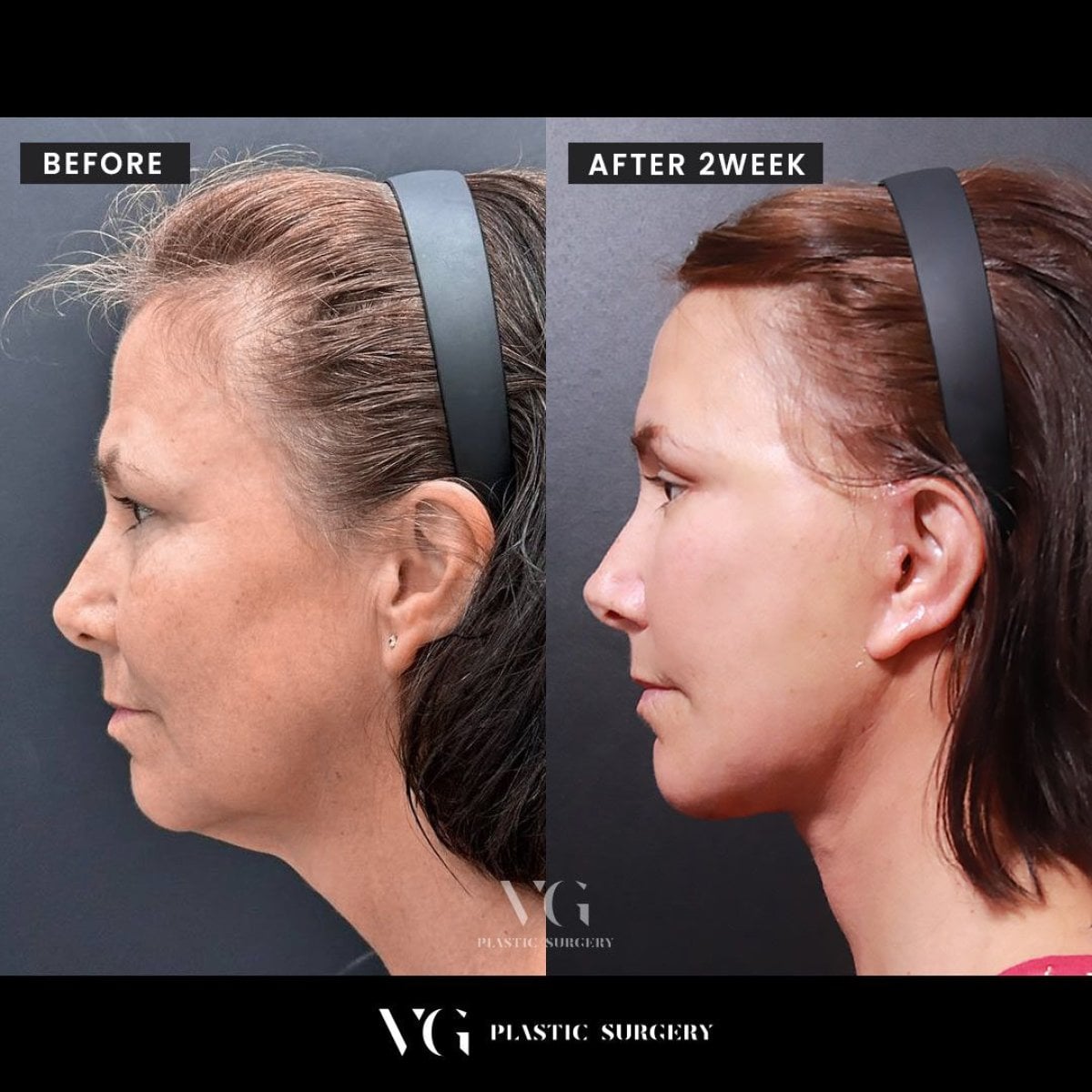
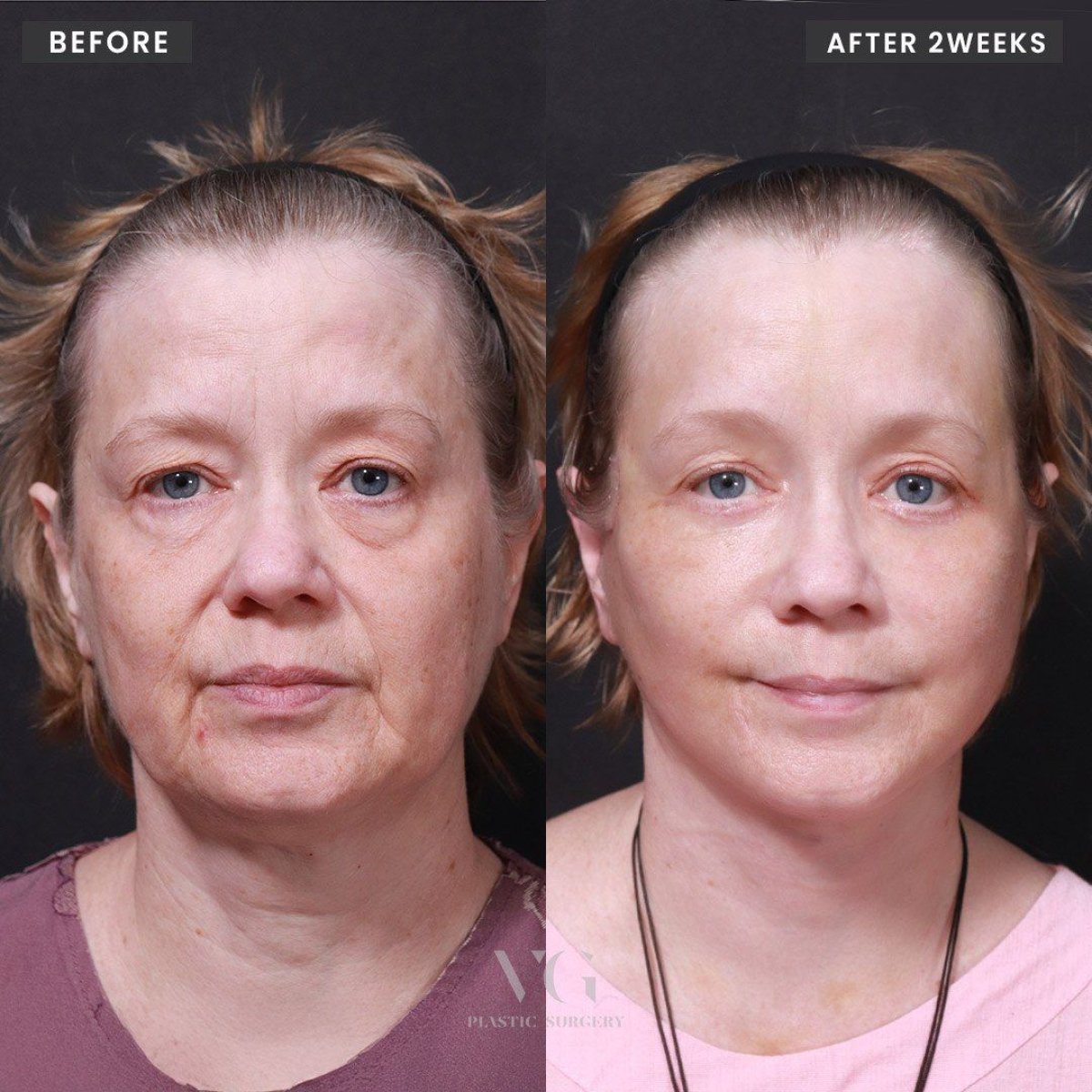
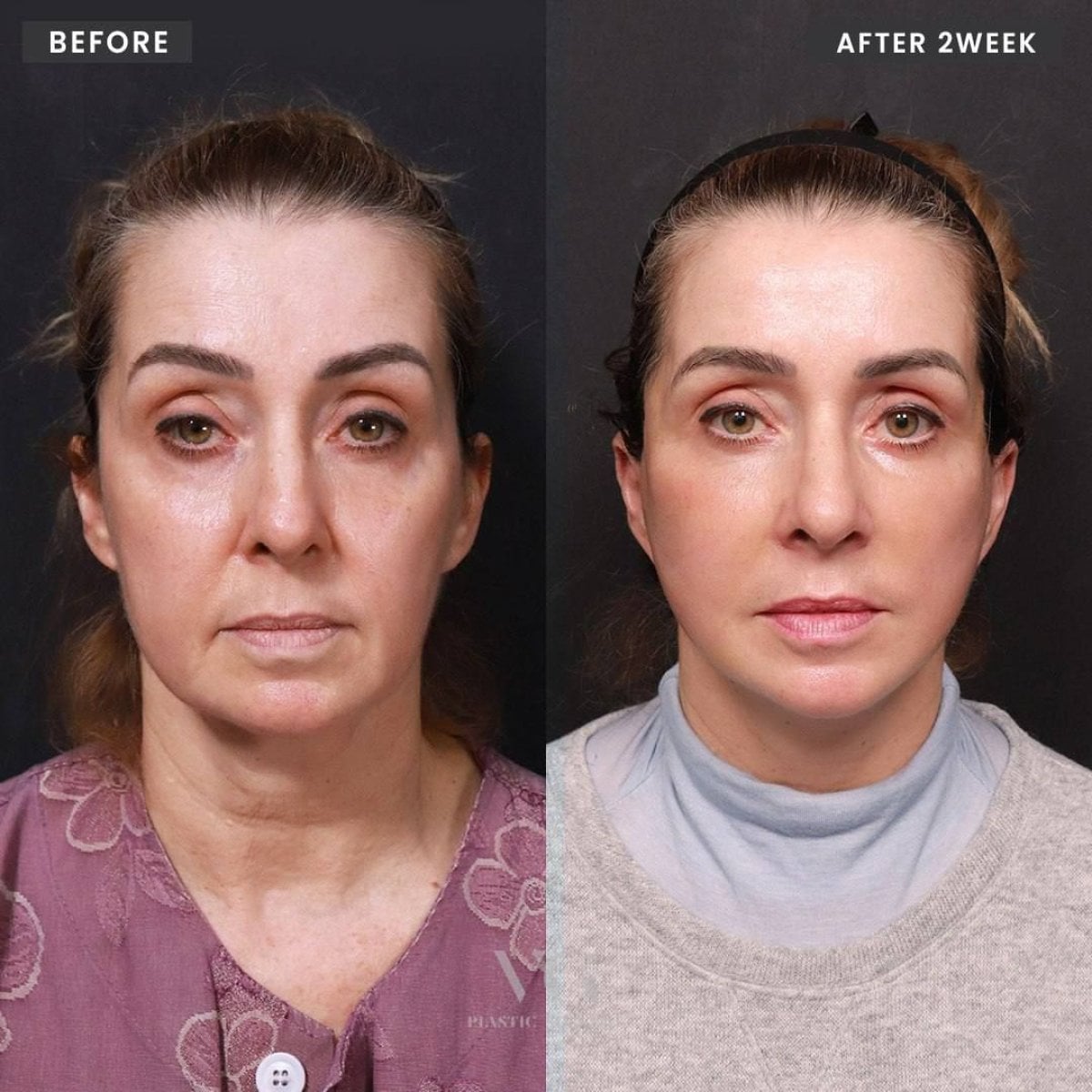
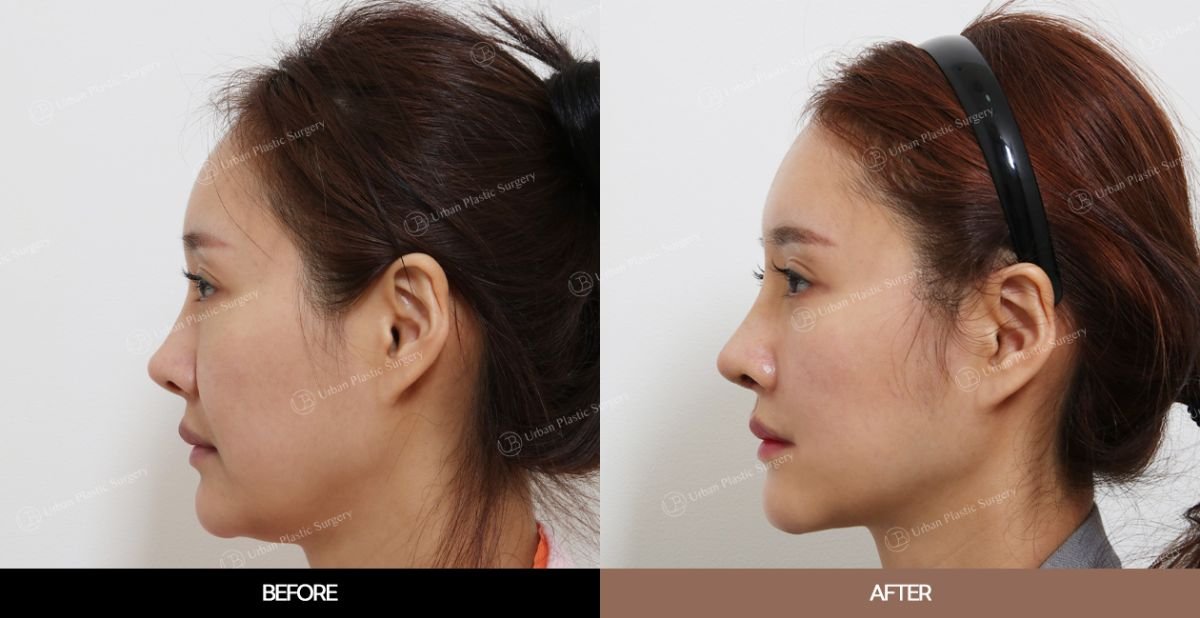
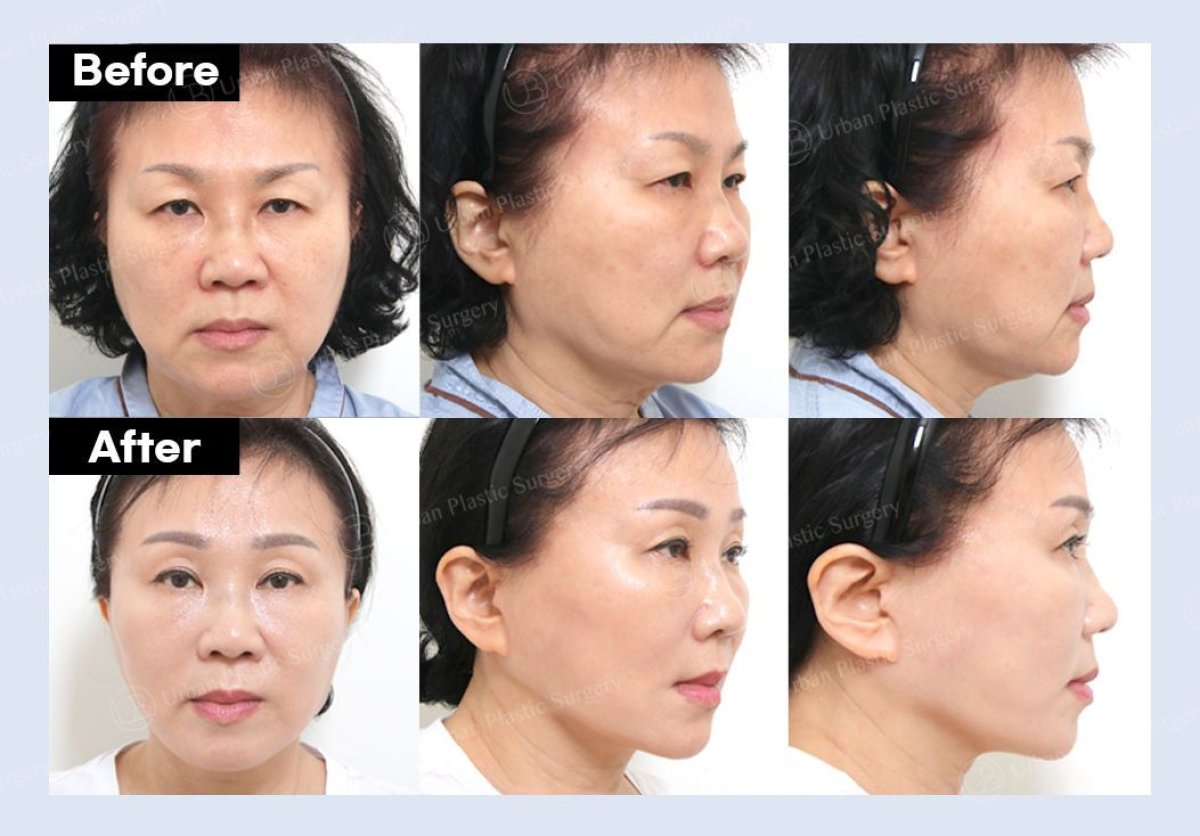
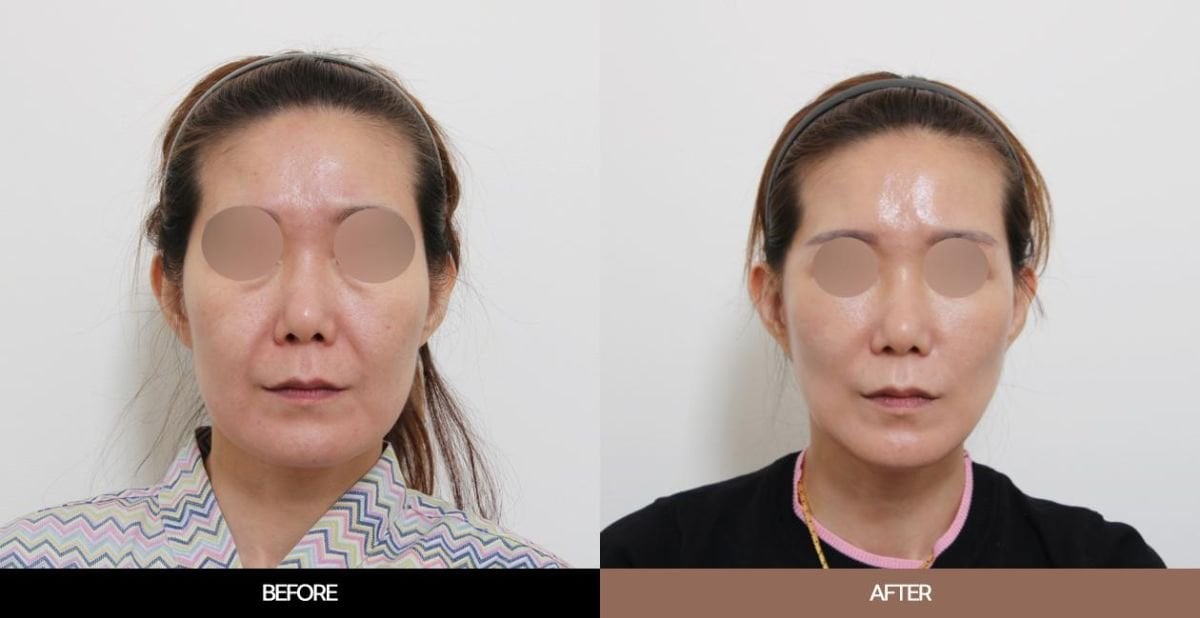
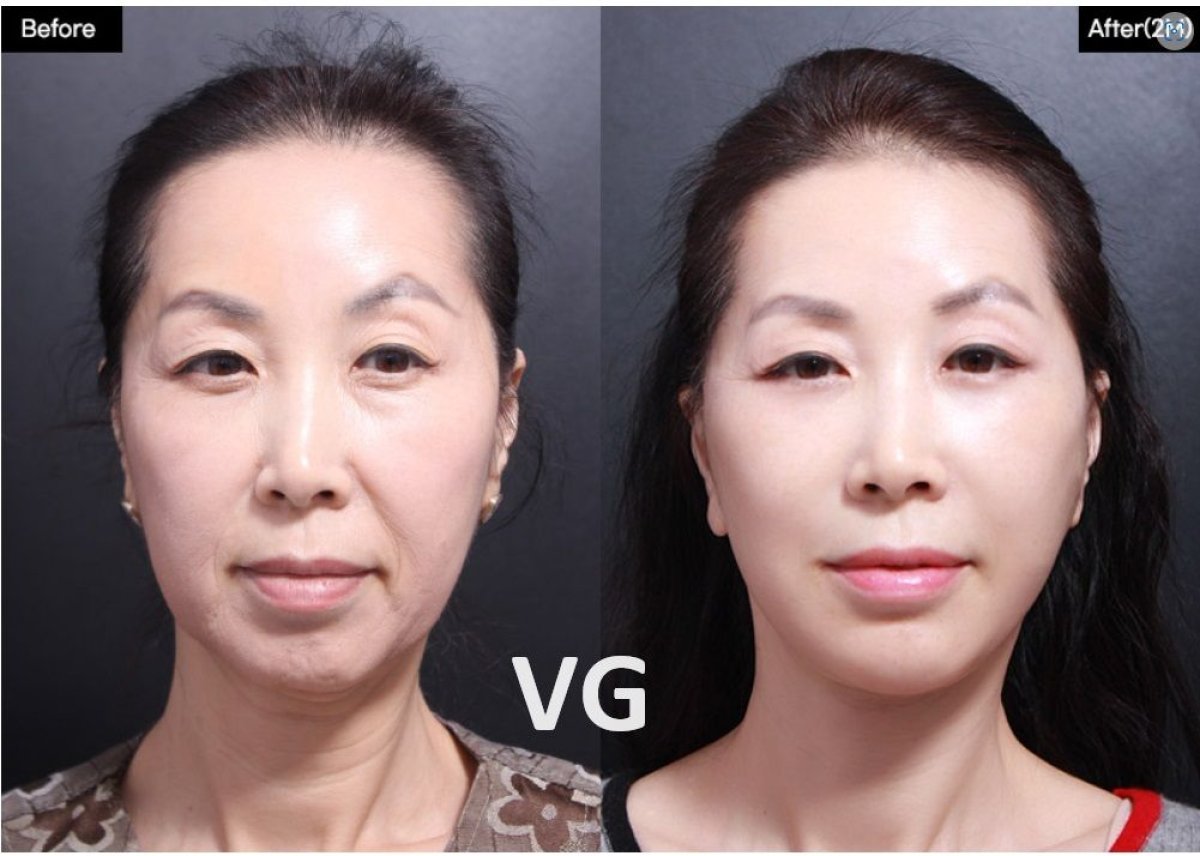
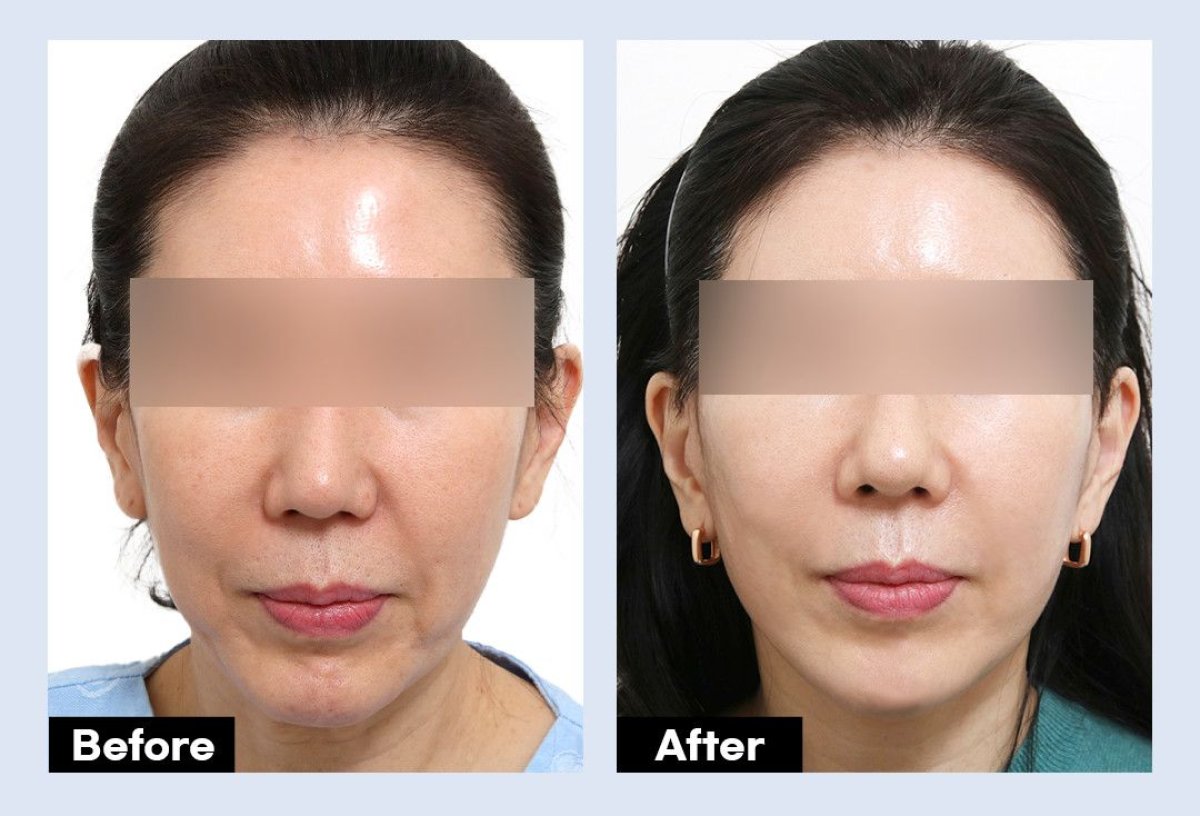
Endoscopic facelift: Before & after photos
View all

Share this content
Anna Leonova
Fast Facts about Endoscopic facelift

Endoscopic Facelift
A minimally invasive facial rejuvenation surgery using small incisions and a camera to lift and tighten skin.
FAQ about Endoscopic facelift in Republic of Korea
Is it safe for foreign patients?
Endoscopic facelifts in the Republic of Korea are highly safe due to stringent KOIHA accreditation and board-certified surgeons with extensive specialized experience. Facilities like JK Plastic Surgery Center report high success rates over 20 years, while specialized surgeons often complete over 1,000 procedures using minimally invasive techniques.
- Medical accreditation: Clinics hold KOIHA certification, ensuring international safety and quality standards.
- Surgeon expertise: Specialists like Dr. Yong Woo Kim are Korean Board-Certified Plastic Surgeons.
- Advanced technology: Facilities like VG Plastic Surgery use state-of-the-art operating rooms and safety systems.
- International support: Top centers provide dedicated multilingual coordinators to bridge communication gaps.
Bookimed Expert Insight: While many search for the lowest price, safety correlates with surgeon volume rather than clinic age. Dr. Minhee Ryu and Dr. Yong Woo Kim have each performed over 1,000 surgeries. This high repetition in specific endoscopic techniques typically results in more predictable outcomes and lower complication rates.
Patient Consensus: Patients emphasize that hiring a dedicated English-speaking coordinator is vital for safety and trust. Many advise staying in Seoul for 2–3 weeks post-op to monitor swelling before flying home.
What is the recovery timeline?
Recovery after an endoscopic facelift in the Republic of Korea typically allows patients to return to work within 7 to 10 days. Most swelling resolves within the first week, while final refined results settle over 3 to 6 months. Korean clinics prioritize minimally invasive techniques to accelerate healing.
- Initial healing: Patients wear a compression garment for 3 days to minimize early post-operative swelling.
- Suture removal: Surgeons typically remove stitches by day 7 during a scheduled follow-up visit.
- Social readiness: Most patients achieve a normal appearance with makeup between 2 and 4 weeks.
- Activity restrictions: Patients must avoid alcohol and direct sun exposure for 1 month after surgery.
Bookimed Expert Insight: Data from top Seoul clinics shows that surgeons like Dr. Minhee Ryu utilize refined deep plane techniques that focus on bruising control. These specialized Korean protocols often result in 70% to 80% of swelling subsiding within just 7 days. This is significantly faster than traditional open facelift methods used elsewhere.
Patient Consensus: Many patients report that sleeping in an elevated position during the first week is essential. While forehead tingling may persist for 2 months, recovery kits help reduce swelling 30% faster.
How long should I stay in South Korea for the procedure?
A stay of 10 to 14 days in South Korea is recommended for an endoscopic facelift. This timeframe allow for the initial consultation, the procedure, and essential post-operative follow-ups. Most surgeons require patients to remain in Seoul until stitches are removed, typically 7 to 10 days after surgery.
- Pre-operative preparation: Arrive 1 to 2 days early for in-person exams and final surgical planning.
- Stitch removal: Plan for 7 to 10 days post-op before non-dissolvable sutures are safely removed.
- Flight safety: Wait at least 10 days before long-haul flights to manage cabin pressure and swelling.
- Recovery buffer: Add 3 extra days to account for initial bruising and post-surgical monitoring needs.
Bookimed Expert Insight: While minor procedures require less time, leading clinics like JK Plastic Surgery Center and VG Plastic Surgery emphasize a 10-day minimum for facelifts. Data shows that patients who extend their stay to 14 days report higher satisfaction. This extra time allows facial swelling to stabilize before the pressure changes of an international flight.
Patient Consensus: Many patients suggest arriving at least a day before surgery to adjust to the time zone. They frequently recommend staying in the Gangnam district to minimize travel time to follow-up appointments during the first week.
What are the main benefits over a traditional facelift?
Endoscopic facelifts in South Korea offer significantly faster recovery and more natural results compared to traditional SMAS techniques. By using small incisions hidden in the hairline, surgeons reposition deep tissues with minimal trauma, reducing swelling to 1–2 weeks instead of the typical 4 weeks required for invasive surgery.
- Minimal scarring: Tiny incisions remain hidden within the hairline or natural facial creases.
- Rapid recovery: Patients typically experience swelling for 1–2 weeks versus 3–4 weeks traditionally.
- Natural aesthetics: Repositioning deep layers avoids the over-tightened or windblown look of skin-pulling methods.
- Enhanced safety: Smaller dissection areas lead to lower risks of nerve damage and numbness.
Bookimed Expert Insight: While traditional lifts focus on skin tension, top Seoul clinics like JK Plastic Surgery Center achieve a 100% success rate by prioritizing tissue repositioning. Data shows Korean specialists, such as Dr. Minhee Ryu, often combine endoscopic precision with deep plane techniques to extend results beyond the typical 5-year window for minimally invasive procedures.
Patient Consensus: Patients value the subtle refinement that maintains their original facial character. Most report that the reduced tissue trauma makes the initial 7 days post-surgery much more comfortable than traditional alternatives.