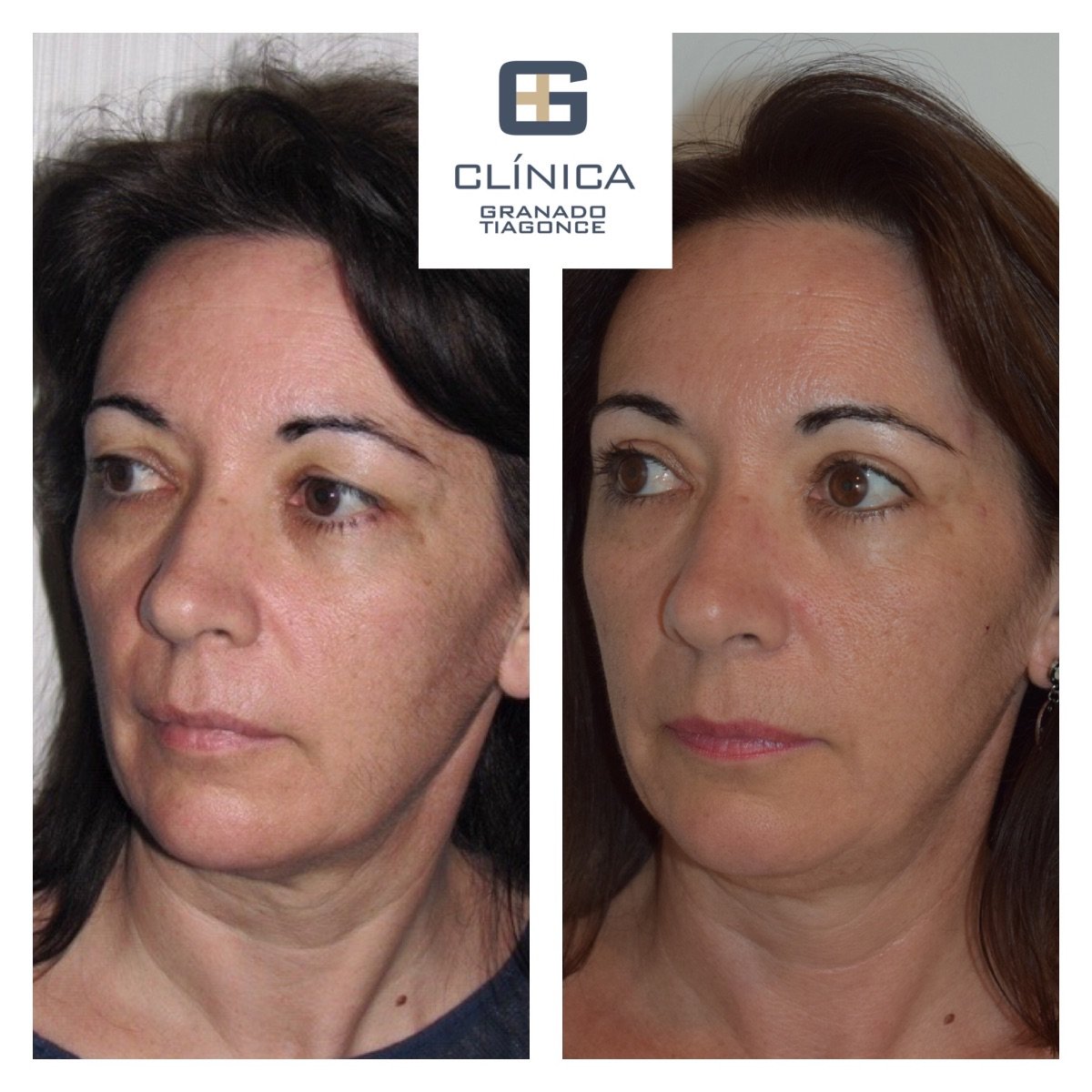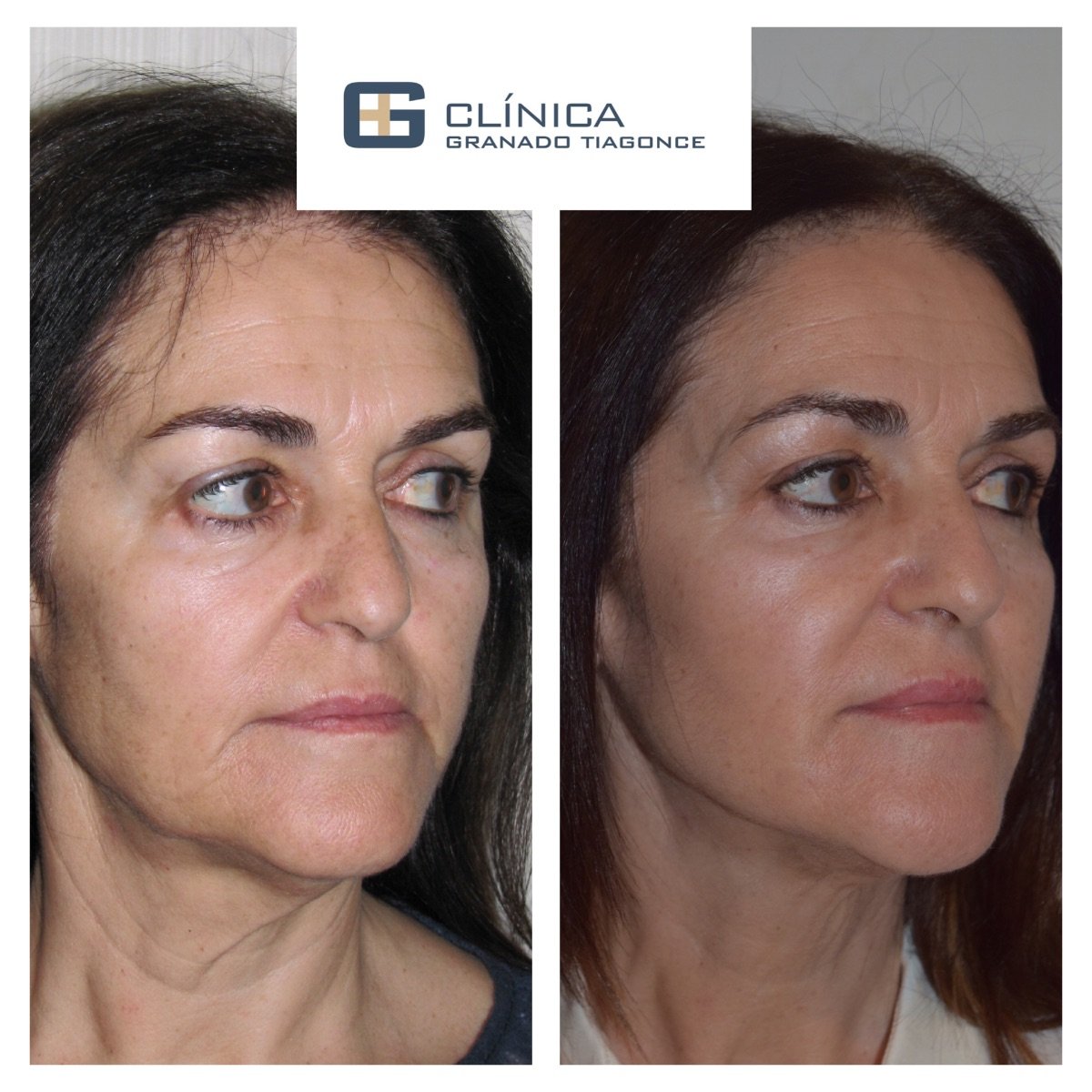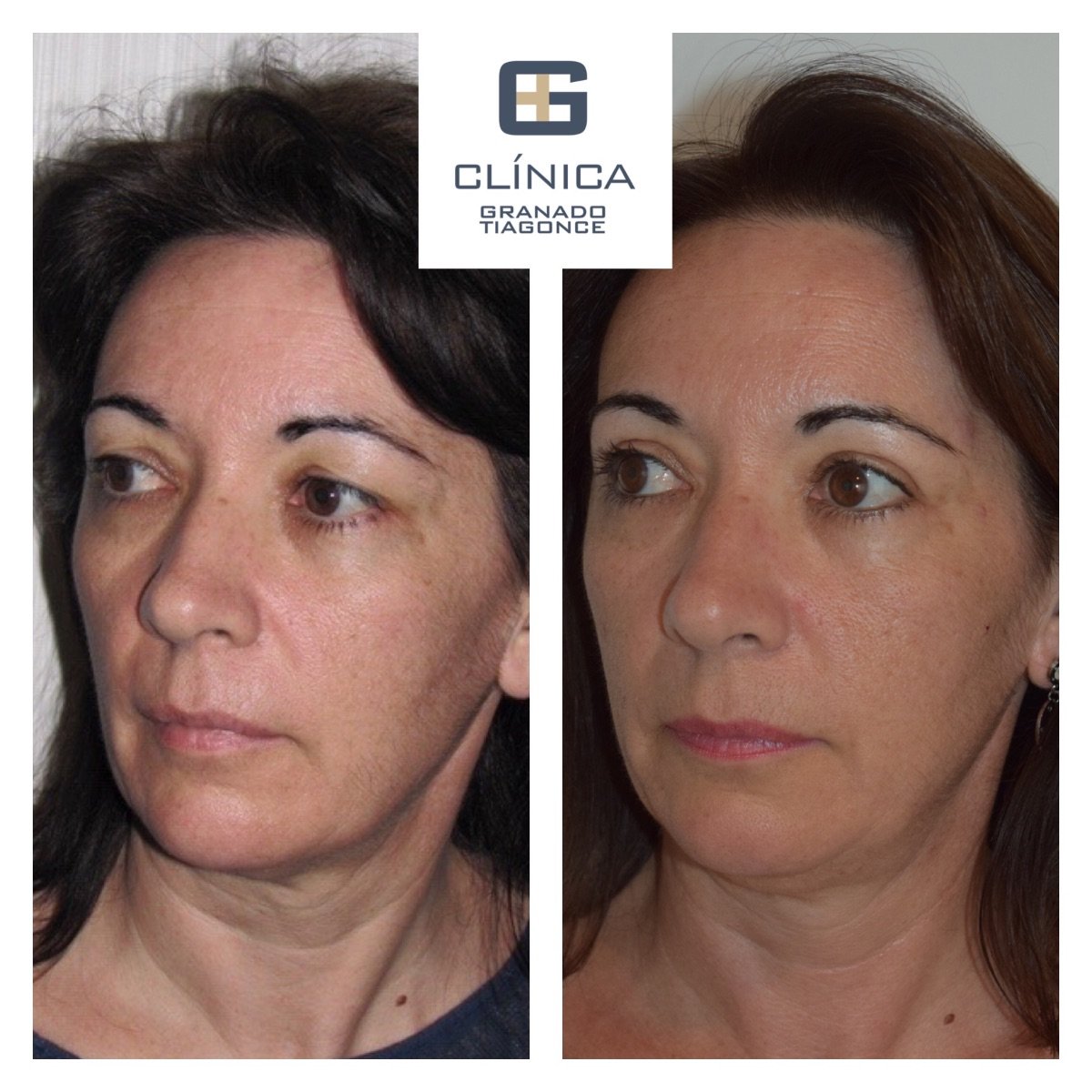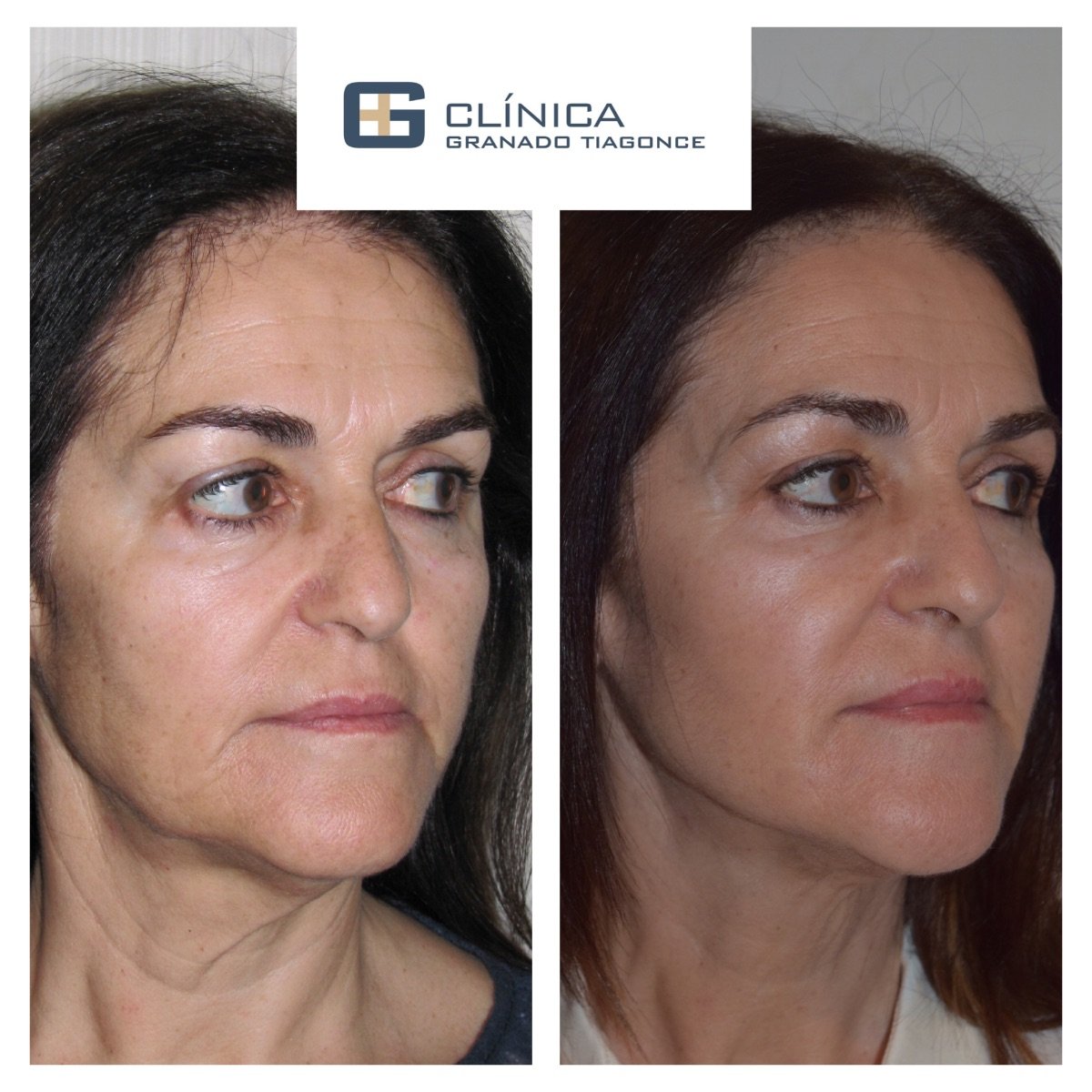

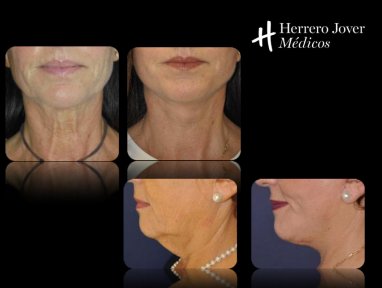
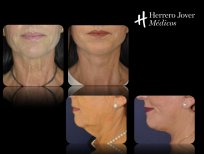
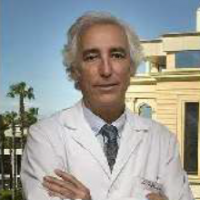
Pioneering 3D computer-assisted planning allows for precise surgical outcomes with SMAS and Deep Plane technique options. Dr. Javier Herrero Jover, a board-certified plastic surgeon with 45+ years and 10,000+ procedures, performs this at the premium Centro Médico Teknon. The cost is around $36,207, covering two pre-surgery online consultations, 5–10 lymphatic drainage sessions for recovery, and three post-op follow-ups. The clinic, official medical service for the 2024 America’s Cup, also includes pre-surgery vitamin infusion therapy and private hospital facilities.
How it works
How Much Does Facelift Cost in Spain?
Facelift surgery in Spain typically costs from $4,400 to $6,000 depending on the surgical technique, clinic location, and surgeon experience. In the US, similar procedures cost around $16,000 on average, while Spain offers savings of approximately 68%. Standard packages often include preoperative tests, surgeon fees, anesthesiologist consultations, and initial follow-up checkups in major hubs like Madrid and Barcelona.
- Deep plane facelift: $17,100 to $25,000 for advanced muscle and tissue repositioning.
- Mini facelift: $6,500 to $8,000 for less invasive correction of the lower face.
- Nonsurgical facelift: $1,500 to $3,500 using non-invasive rejuvenation methods.
- Threads lifting: $1,000 to $2,300 for a minimally invasive skin tightening effect.
- City variations: Packages in Madrid or Marbella may cost 15-20% more than in Valencia.
Bookimed Expert Insight: Paying a premium in Spain often secures world-class innovation rather than just luxury. At Centro Médico Teknon, packages starting around $38,700 include 3D surgical planning and hyperbaric oxygen therapy. These technologies aim to refine results and accelerate healing. For high-volume expertise, Clinica Granado Tiagonce offers packages around $12,300 with surgeons performing over 1,000 annual procedures. Both clinics carry prestigious JCI or ASAPS accreditations.
| Spain | Turkey | The USA | |
|---|---|---|---|
| Facelift | from $4,400 | from $2,500 | from $10,000 |
| Threads Lifting | from $1,000 | from $790 | ≈ $2,500 |
| SMAS Facelift | ≈ $8,200 | from $5,300 | ≈ $13,500 |
| Ozempic Face Fix | ≈ $4,800 | from $2,500 | ≈ $8,500 |
| Nonsurgical Facelift | ≈ $1,500 | from $1,400 | ≈ $2,800 |
Facelift Packages in Spain — November 2026

Dra. Sonia Peña brings over 20 years of experience to every surgical facelift. She is MIR-trained and a member of the Spanish Society of Plastic Surgery. The procedure generally involves one night in the hospital for a safe, supervised recovery. Healing is supported by a post-op protocol using Indiba radiofrequency and manual lymphatic drainage. These therapies help reduce swelling and boost collagen. The clinic holds a WhatClinic Patient Service Award and follows standards from Grupo Hospitalario Hernán Cortés.
Discover the Best Facelift Clinics in Spain: 25 Verified Options and Prices
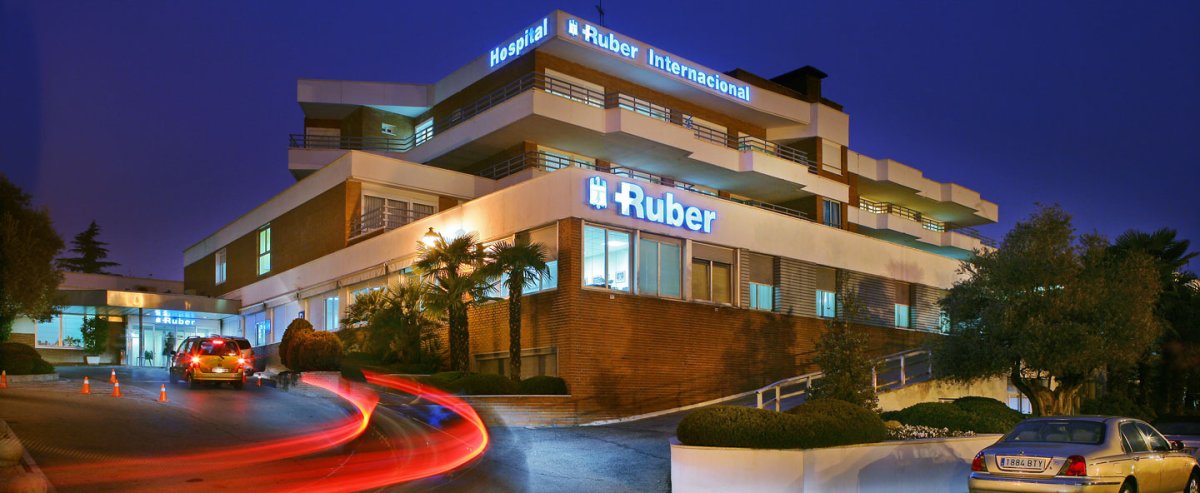
Hospital Ruber Internacional
Cásar Casado Sánchez


Quironsalud Madrid
José Luis Martín Del Yerro Coca


Clinica Granado Tiagonce
Agustin Granado Tiagonce


Dr. Carmen Pinilla
ANDSURGEONS Clinic
Volkert Boudewijn Wreesmann

Facelift in Spain: Your Travel Plan
Day 1: Arrival in Spain
- You should ensure you have all necessary documents, such as your passport and medical records for your facelift procedure, upon landing.
- Check into your accommodation and rest after your journey. Being well-rested is important for your upcoming consultations and procedure.
- Contact the clinic to confirm your arrival and any scheduled appointments. Confirm the details of your initial consultation and surgery date as well.
Day 2: Preoperative Consultation and Tests
- Attend your initial consultation with the surgeon. You will discuss your goals and expectations for the facelift, including a comprehensive assessment of your facial structure and skin condition.
- Undergo any necessary preoperative tests to ensure you are fit for surgery. These tests can include blood tests, ECG, and possibly imaging studies if required.
- Discuss the specific type of facelift procedure planned, such as SMAS facelift or mini facelift, and any additional procedures like blepharoplasty or lipofilling.
- Receive detailed instructions on pre-surgery care, such as medications to avoid and fasting requirements.
Day 3: Rest and Preparation
- Use this day to relax and prepare mentally and physically for the procedure. Avoid alcohol and smoking, as these can interfere with healing.
- Follow any dietary restrictions or fasting instructions provided by your surgeon.
- Ensure you have comfortable clothing ready for post-surgery, such as loose-fitting tops that do not need to be pulled over the head.
- Prepare your accommodation for a comfortable recovery. Set up a rest area with pillows and easy access to essentials.
Day 4: Surgery Day
- Arrive at the clinic or hospital at the scheduled time, usually in the morning. The procedure will be performed under general anesthesia.
- The facelift surgery, such as SMAS facelift, typically involves tightening the underlying muscles and removing excess skin for a rejuvenated appearance.
- Depending on the complexity of the procedure, surgery may take 2-3 hours.
- Post-surgery, you will be monitored in a recovery area. Some patients may stay overnight in a private suite if necessary.
Day 5: Postoperative Care
- Attend follow-up appointments to monitor healing and remove any sutures. The surgeon will provide personalized recommendations for scar care and maintenance.
- Rest as much as possible and follow all postoperative care instructions, including taking prescribed medications and avoiding strenuous activities.
- Keep your head elevated to reduce swelling and avoid sleeping on your side.
- If you experience any unusual symptoms or have concerns, contact the clinic immediately. You should have access to a 24-hour contact number for emergencies.
Day 6-8: Recovery and Follow-Up
- Continue with follow-up appointments as scheduled to ensure optimal healing and results.
- Gradually resume light activities as advised by your surgeon, but avoid heavy lifting or exercise.
- Maintain a nutritious diet to support healing, focusing on foods rich in vitamins and proteins.
- Protect your face from direct sunlight and use sunscreen to prevent pigmentation changes in healing tissues.
Day 9: Preparing to Return Home
- Ensure you have a final follow-up appointment before leaving Spain to assess your recovery progress.
- Discuss any ongoing care or restrictions with your surgeon, including when you can safely resume all normal activities.
- Gather all medical documents and instructions for continued care once you return home.
- Confirm travel arrangements and ensure you have comfortable accommodations for your journey.
Day 10: Departure
- Check out of your accommodation and make your way to the airport for your return flight.
- Keep in touch with the clinic for any follow-up questions or concerns. Many clinics offer extended follow-up care remotely.
- Plan for a continued recovery period at home, allowing time for the full results of your facelift to be visible.
Our Trusted Doctors
View all Doctors
Javier Herrero Jover
Pioneer in virtual surgical planning with 46 years of excellence in facial rejuvenation – Dr. Herrero integrates 3D simulation for enhanced precision at Centro Médico Teknon.
- Internationally renowned for rhinoplasty and facelift procedures
- Founder of Alma IT Systems, developed patient-specific 3D surgical planning
- Leads the Herrero Jover Médicos Unit at Centro Médico Teknon
- Author of 150+ publications and speaker at 350+ international congresses

Roberto Herrero

Vicente Paloma
One of the best revision rhinoplasty surgeons – Dr. Paloma heads a plastic and aesthetic surgery team at Centro Medico Teknon.
- 38 years of experience in plastic surgery
- Listed among the 100 best doctors in Spain by Forbes
- Specializes in complex revision rhinoplasty cases
- Recognized as a top rhinoplasty surgeon in Europe

Albert Samper
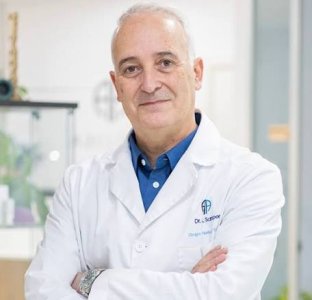
Dr. Alberto Samper Sugrañes is a plastic, aesthetic and reconstructive surgeon at Centro Médico Teknon in Barcelona. He specialises in facial and body procedures. He offers personalised planning and seeks natural results.
He led the plastic surgery team at Hospital Universitari Quirón-Dexeus from 2003 to 2021. He now works at Centro Médico Teknon (since Nov 2025), Quirónsalud Ciudad Real (since May 2026) and Quirónsalud Clideba (since Feb 2026).
He trained in Plastic, Reconstructive and Aesthetic Surgery at Clínica Universidad de Navarra. He is a full member of SECPRE and a member of the AAAS. He has written many articles and books. He has given hundreds of lectures. His expertise includes facelift and neck lift, blepharoplasty, breast and body contouring, post-bariatric and reconstructive surgery, and lipofilling. He also uses 3D planning and simulation and ultrasound-assisted assessment.
Video Stories from Bookimed Patients
Reviews about Bookimed: Discover Patients' Insights
All reviewsFacelift: Before & after photos
View allRelated Articles
View more
Affordable Facelift: 4 Countries Where It Costs Up to 65% Less
Written by Mariia Mytrofankina

Eleni’s Facelift Experience: A New Chapter in Confidence
Written by Kateryna Zamkovska

Deep Plane Facelift Guide: Procedure, Costs, and Recovery
Written by Kateryna Zamkovska

How much is facelift in Australia?
Written by Kateryna Zamkovska

Jan's Transformation: Facelift Reviews and Success Stories from Thailand
Written by Kateryna Zamkovska
Share this content
Anna Leonova
Our Facelift Techniques: What Suits You Best?
When considering Facelift, it’s important to understand the different techniques and which is best suited for you. Here’s a concise comparison of popular options:

Deep Plane Facelift
A deep plane facelift is a surgical facelift technique focusing on repositioning deeper facial tissues for a natural appearance.

Mini Facelift
A mini facelift is a cosmetic surgery that tightens facial skin for a youthful appearance with minimal incisions.

Endoscopic Facelift
A minimally invasive facial rejuvenation surgery using small incisions and a camera to lift and tighten skin.

AccuTite Facelift
AccuTite facelift is a minimally invasive procedure using radiofrequency technology for precise skin tightening and contouring.
FAQ about Facelift in Spain
Is it safe to get a facelift in Spain?
Facelift surgery in Spain is highly safe due to strict European Union health mandates and rigorous sterilization protocols. Most procedures occur in high-end private hospitals like Centro Médico Teknon or Quirónsalud. These facilities provide immediate access to intensive care units and advanced 3D surgical planning technology.
- Surgeon credentials: Ensure surgeons are members of the Spanish Society of Plastic Reconstructive and Aesthetic Surgery.
- Hospital standards: Top centers hold Joint Commission International accreditation and ISO 9001 quality certifications.
- Preoperative safety: Clinics require comprehensive blood panels, electrocardiograms, and chest X-rays before general anesthesia.
- Advanced technology: Facilities like Clinica Granado Tiagonce use 3D imaging to preview results safely.
Bookimed Expert Insight: Spain operates differently than high-volume budget hubs because its top plastic surgeons are often pioneers in the field. For instance, Dr. Javier Herrero Jover at Centro Médico Teknon actually invented 3D planning software for facial surgery. This level of specialization means you are paying for innovation and precision rather than just a lower-priced alternative to US care.
Patient Consensus: Patients report feeling confident because Spain is part of Western Europe's regulated medical ecosystem. They often emphasize that safety depends on choosing specific board-certified surgeons rather than just the destination price.
How long do I need to stay in Spain for the procedure?
Patients undergoing a facelift in Spain generally need to stay 10 to 14 days for a safe recovery. This timeline includes a 1 to 2 day hospital stay, initial monitoring for 72 hours, and mandatory suture removal around day 7 to 10 before receiving flight clearance.
- Hospital stay: Expect 1 to 2 nights of inpatient care for monitoring under general anesthesia.
- Initial recovery: The first 48 to 72 hours require strict medical supervision for swelling management.
- Suture removal: Surgeons typically schedule stitch removal and final wound checks between days 5 and 10.
- Travel clearance: Long-haul patients should remain in Spain for 14 days to minimize flight-related risks.
Bookimed Expert Insight: While many clinics suggest a 10-day stay, Teknon Medical Center packages specifically include 13 hotel nights. This buffer accommodates advanced healing protocols like hyperbaric oxygen therapy and PRP-assisted recovery. Choosing a longer stay ensures you complete these specialized treatments which significantly accelerate early-stage facial rejuvenation results.
Patient Consensus: Travelers emphasize booking return flights only after the first post-op check. Most agree that 14 days is the ideal window, especially if combining the facelift with neck or eyelid procedures.
How do I choose a qualified surgeon in Spain?
To choose a qualified surgeon in Spain, verify their registration with the Spanish Medical College (OMC) and the Spanish Society of Plastic, Reconstructive and Aesthetic Surgery (SECPRE). Priority should be given to specialists at JCI-accredited facilities like Centro Médico Teknon or Quirónsalud.
- Medical registration: Confirm the surgeon holds a valid Número de Colegiado via the OMC directory.
- Specialty certification: Ensure the doctor is a registered Médico Especialista within the SECPRE national registry.
- Facility accreditation: Select clinics with Joint Commission International (JCI) or ISO 9001 quality certificates.
- Surgical experience: Look for specialists performing over 1,000 procedures annually to ensure high success rates.
Bookimed Expert Insight: Spain's elite surgeons often use 3D surgical planning to simulate results before the first incision. Dr. Javier Herrero Jover at Centro Médico Teknon pioneered this VR simulation technology. Choosing clinics with these digital planners reduces revision rates and improves patient satisfaction compared to traditional methods.
Patient Consensus: Patients emphasize the importance of language support and transparent aftercare. Many survivors of the procedure highlight that having a 24-hour nurse during the initial recovery days significantly reduced their post-operative anxiety.
Are medical tourism packages all-inclusive?
Medical tourism packages are not always strictly all-inclusive. Coverage depth depends on the clinic and country. While many bundles include surgical fees and hospital stays, critical costs like international flights or emergency complication care often remain the patient's responsibility outside of the fixed package price.
- Medical fees: Covers the primary surgeon, anesthesia, operating theater, and necessary pre-operative laboratory tests.
- Logistics: Often includes airport-to-clinic transfers, though some Spanish packages specifically exclude all transportation.
- Accommodations: Typically bundles 1–2 nights of hospitalization with several days in a partner hotel.
- Post-operative care: Standard packages include wound care, initial medications, and specialized therapies like hyperbaric oxygen.
Bookimed Expert Insight: Spanish clinics show a significant divide in package philosophy. Premium centers like Centro Médico Teknon bundle high-tech 3D planning and hyperbaric therapy for $38,500 but omit transfers. Conversely, mid-range options around $12,250 focus heavily on the surgery and pre-op tests, leaving lodging and transport to the patient. Always verify if the 13-night hotel inclusion is part of the price or just a recommendation.
Patient Consensus: Patients often find that post-treatment extras like compression garments or additional laboratory work are missing from initial quotes. Clear written confirmation regarding who pays for extended hotel stays during a slow recovery is essential for budgeting.
Who is a good candidate for facelift surgery in Spain?
Ideal candidates for facelift surgery in Spain exhibit moderate to severe facial sagging, pronounced jowls, or loose neck skin. Suitable patients must maintain good overall health, stable weight, and non-smoking status to ensure optimal healing under Spains strict European Union medical safety standards.
- Skin elasticity: Candidates should retain natural skin flexibility for smoother healing over deeper tissues.
- Specific concerns: Surgery is best when fillers no longer correct jowls or neck laxity.
- Skeletal support: A well-defined bone structure provides a better anchor for lifted facial tissues.
- Travel readiness: International patients must stay 7 to 14 days for necessary follow-up care.
Bookimed Expert Insight: While many seek a facelift for aging, Bookimed data shows a rising trend in the Ozempic Face Fix for patients with rapid volume loss. Deep plane techniques, offered by experts like Javier Herrero Jover at Centro Médico Teknon, are particularly effective for these candidates. This approach repositions deep muscle layers rather than just stretching the skin, which is vital for those with significant tissue depletion.
Patient Consensus: Patients emphasize that surgery works best when you want to look refreshed rather than dramatically different. Many advise ensuring the neck area is included in the surgical plan to avoid an unbalanced, aged appearance.
What techniques do Spanish plastic surgeons prefer?
Spanish plastic surgeons prefer structural facial rejuvenation focusing on anatomical harmony rather than tension-based skin pulling. Specialists favor deep-plane SMAS-based facelifts and ultrasonic technology within JCI-accredited facilities to achieve natural-looking, long-lasting outcomes while minimizing surgical trauma and visible scarring.
- Structural techniques: Surgeons prioritize deep-plane lifting to reposition underlying muscle and fat.
- Volume restoration: Micro-fat grafting or nano-fat lipofilling commonly replaces lost facial volume naturally.
- Virtual planning: Leading clinics utilize 3D surgical simulation for precise, personalized result estimation.
- Regenerative adjutants: Platelet-rich plasma (PRP) sessions and hyperbaric oxygen therapy accelerate post-op healing.
Bookimed Expert Insight: Spanish facial surgery stands out through the integration of 3D modeling and computer-assisted radiology. Centers like Centro Médico Teknon use these simulations to map incisions against individual anatomy. This data-driven approach allows surgeons to deliver high-precision results that avoid the artificial appearance often seen with traditional methods.
Patient Consensus: Patients value the subtle refreshed look provided by Spanish specialists who refuse to over-tighten the skin. Experienced travelers suggest ensuring the neck is addressed simultaneously to maintain a balanced, youthful profile.
What is the recovery timeline after a facelift?
Facelift recovery in Spain typically requires 2 to 3 weeks before you are socially presentable. Initial healing involves managing swelling and bruising for 7 to 10 days, while internal tissues and scars take 3 to 12 months to reach final maturation and natural contouring.
- Hospital stay: Expect 2 days of hospitalization for monitoring and initial drain management.
- Stitch removal: Surgeons typically remove the first set of sutures by day 7.
- Social readiness: Most visible bruising fades significantly between days 8 and 14.
- Activity level: Patients generally resume light daily routines after 3 to 4 weeks.
- Final results: Scar maturation and complete swelling resolution occur over 6 to 12 months.
Bookimed Expert Insight: Spanish clinics like Centro Médico Teknon utilize hyperbaric oxygen therapy and 3D surgical planning to accelerate recovery. These advanced tools help reduce postoperative inflammation much faster than traditional methods alone, often making patients feel photo-ready by the 2-month mark instead of 3.
Patient Consensus: The first 72 hours feel tight and puffy rather than painful. Sleeping with your head elevated is essential to manage peak swelling that occurs during the first week.
What is the usual length of stay required in Spain after surgery?
Hospital stay after surgery in Spain varies by complexity, usually requiring 0 to 2 days for cosmetic procedures like a facelift. Most surgical patients remain in the country for 7 to 14 days to ensure stable recovery, drain removal, and safe travel clearance.
- Hospital admission: Standard surgical facelifts typically require 1 to 2 nights for professional monitoring.
- Mini facelift: Minimally invasive techniques often allow same-day discharge or a brief 23-hour observation period.
- Total stay: Surgeons recommend staying 7 to 14 days in Spain for essential follow-up checks.
- Travel clearance: Patients must receive a fit-to-fly certificate before returning home after major surgery.
Bookimed Expert Insight: While a manual facelift may only require 1 night in the hospital, premium packages at clinics like Centro Médico Teknon include up to 13 hotel nights. This extended stay accommodates specialized aftercare like hyperbaric oxygen therapy, which significantly accelerates healing for deep plane procedures.
Patient Consensus: Expect to stay near the clinic for several days after discharge to manage swelling and stiffness. Patients emphasize having assistance during the first 48 hours and waiting for drain removal before flying home.
Will I see noticeable scarring?
Surgical scars from a facelift in Spain are permanent but typically fade to nearly invisible fine lines within 3 to 6 months. Expert surgeons minimize visibility by placing incisions along the natural ear contour and hairline, ensuring remains are well-hidden even with short hairstyles.
- Incision placement: Surgeons hide marks within the hairline and natural creases around the ear.
- Recovery timeline: Initial redness usually matures into faint, skin-colored lines within 6 to 12 months.
- Advanced healing: Clinics like Centro Médico Teknon use hyperbaric oxygen therapy to accelerate scar maturation.
- Clinical precision: Surgeons use 3D planning and simulations to optimize incision sites before surgery.
Bookimed Expert Insight: Top-tier Spanish surgeons like Dr. Javier Herrero Jover, who has performed 10,000+ procedures, use 3D surgical planning to pre-map incisions. This precision ensures that facial tension is distributed to deep tissue layers rather than the skin surface. Lower skin tension prevents scars from widening, a critical factor for long-term aesthetic success in deep plane facelifts.
Patient Consensus: Patients find that while scars appear prominent initially due to swelling, they blend seamlessly into the hairline over time. Most emphasize that diligent sun protection and silicone therapy were essential for making the lines disappear.