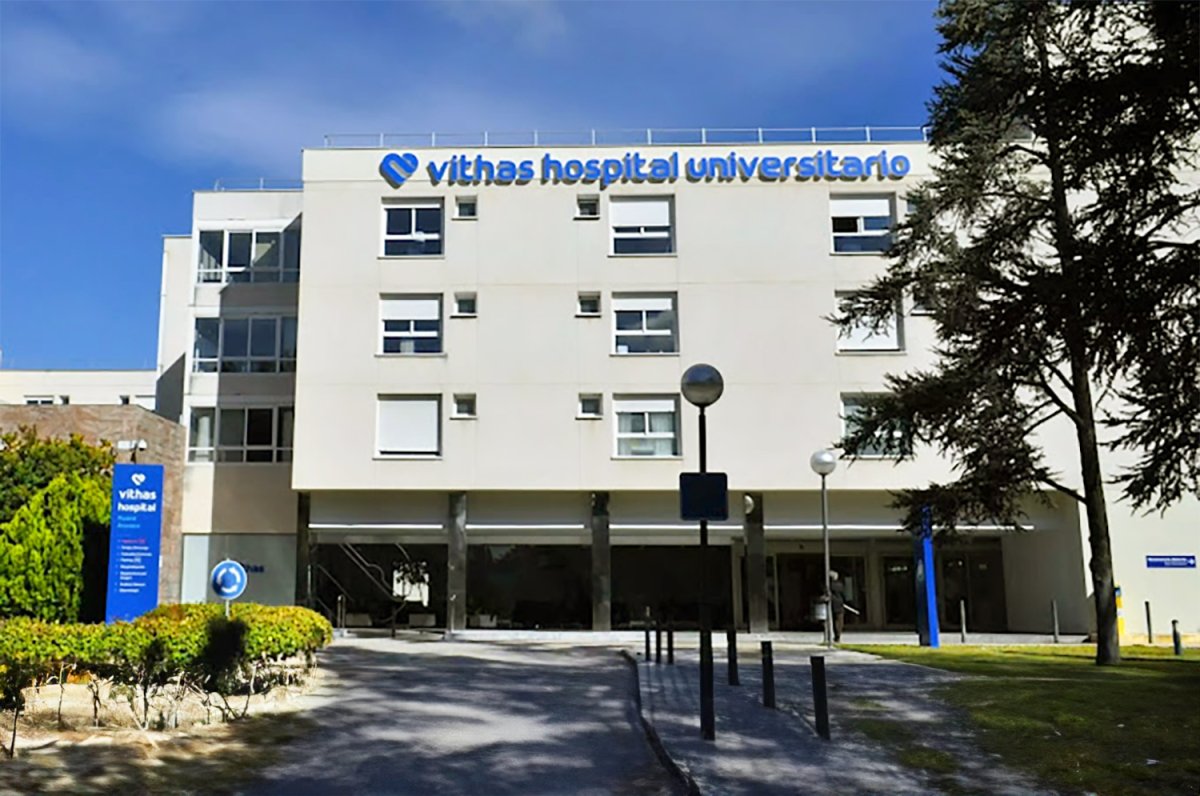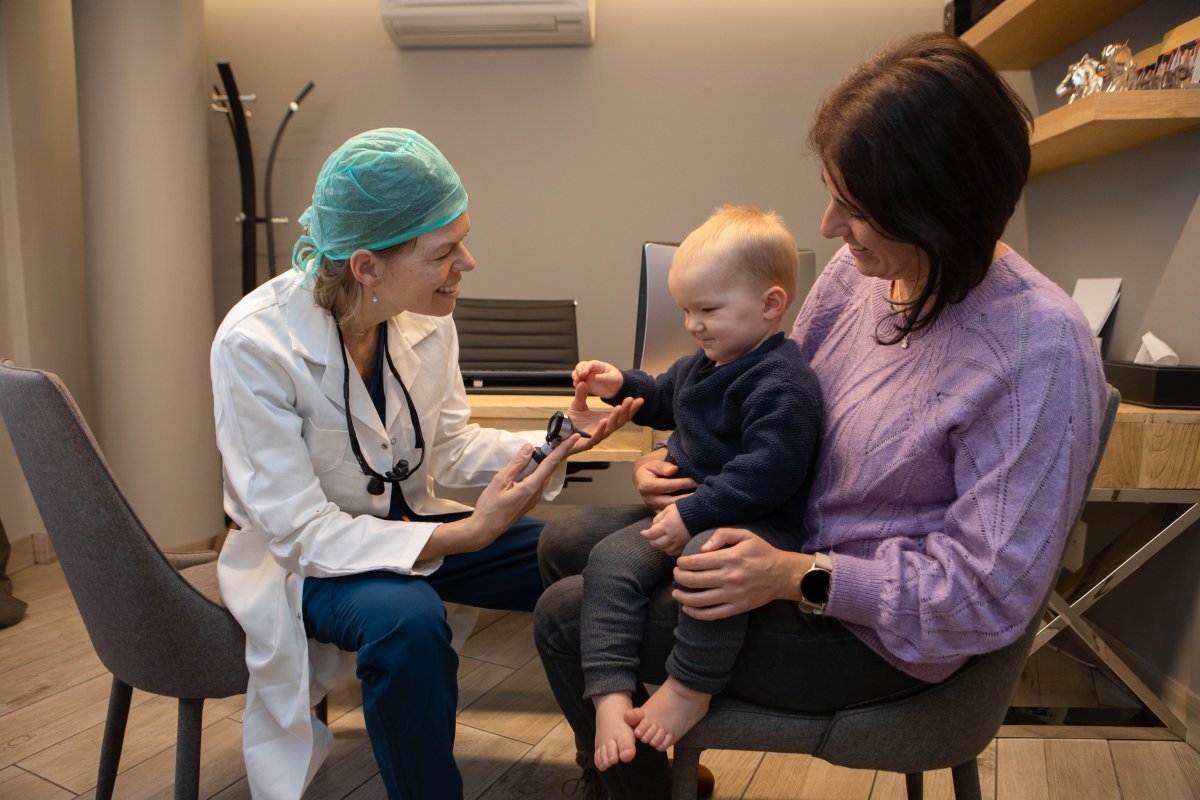

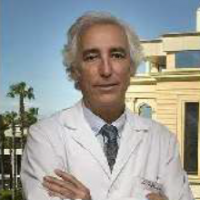
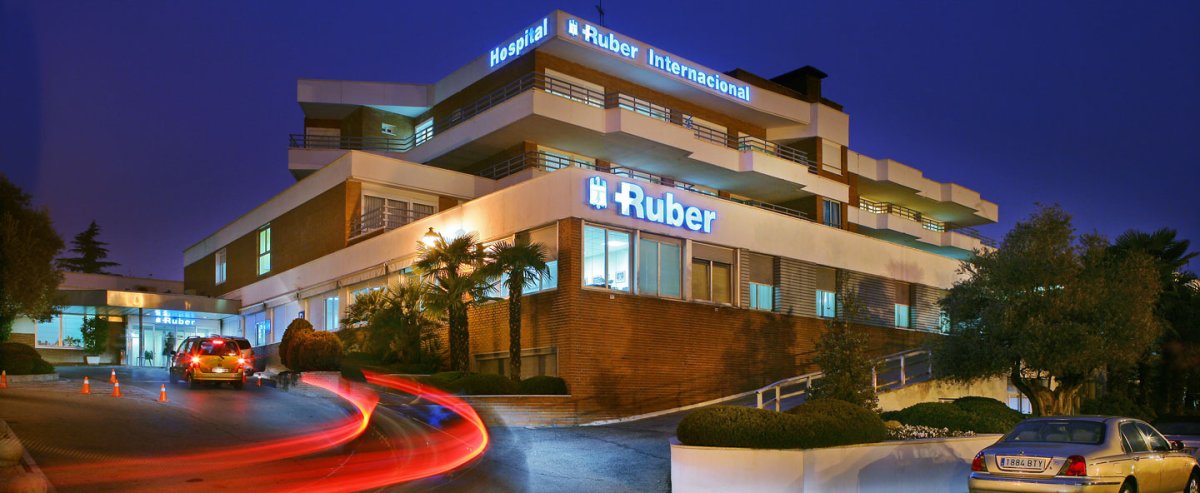
Pioneering 3D computer-assisted planning allows for precise surgical outcomes with SMAS and Deep Plane technique options. Dr. Javier Herrero Jover, a board-certified plastic surgeon with 45+ years and 10,000+ procedures, performs this at the premium Centro Médico Teknon. The cost is around $36,372, covering two pre-surgery online consultations, 5–10 lymphatic drainage sessions for recovery, and three post-op follow-ups. The clinic, official medical service for the 2024 America’s Cup, also includes pre-surgery vitamin infusion therapy and private hospital facilities.
How it works
How Much Does Deep Plane Facelift Cost in Spain?
A Deep Plane Facelift in Spain typically costs from $17,100 to $25,000. Total pricing depends on the surgical complexity, surgeon expertise, and the selected city. In the US, similar procedures cost around $22,000 on average. Spain offers savings of approximately 22%. Most Spanish packages include pre-operative consultations, surgical fees, anesthesia, and initial post-operative hospital stays.
- Surgical complexity: Prices vary based on whether the procedure involves only the face or includes neck lifts.
- Medical hub location: Major hubs for facial surgery include Barcelona, Madrid, and Marbella.
- Clinical tier: Premium centers in Marbella often charge 15-20% more than clinics in regional cities.
- Technological integration: Use of 3D surgical planning and visualization tools may increase the initial quote.
Bookimed Expert Insight: Choosing a clinic with specialized ENT and facial anatomy expertise offers superior value. For instance, ANDSURGEONS provides premium deep plane facelifts starting around $8,250. This clinic is led by doctors with multi-country licensure and extensive scientific publications. Patients seeking advanced technology should consider Centro Médico Teknon in Barcelona. It is a JCI-accredited facility used by international celebrities and top athletes for high-end care.
| Spain | Turkey | The USA | |
|---|---|---|---|
| Deep Plane Facelift | from $17,100 | from $3,000 | ≈ $16,000 |
Deep Plane Facelift Packages in Spain — November 2026
Discover the Best Deep Plane Facelift Clinics in Spain: 8 Verified Options and Prices
Quironsalud Madrid
José Luis Martín Del Yerro Coca


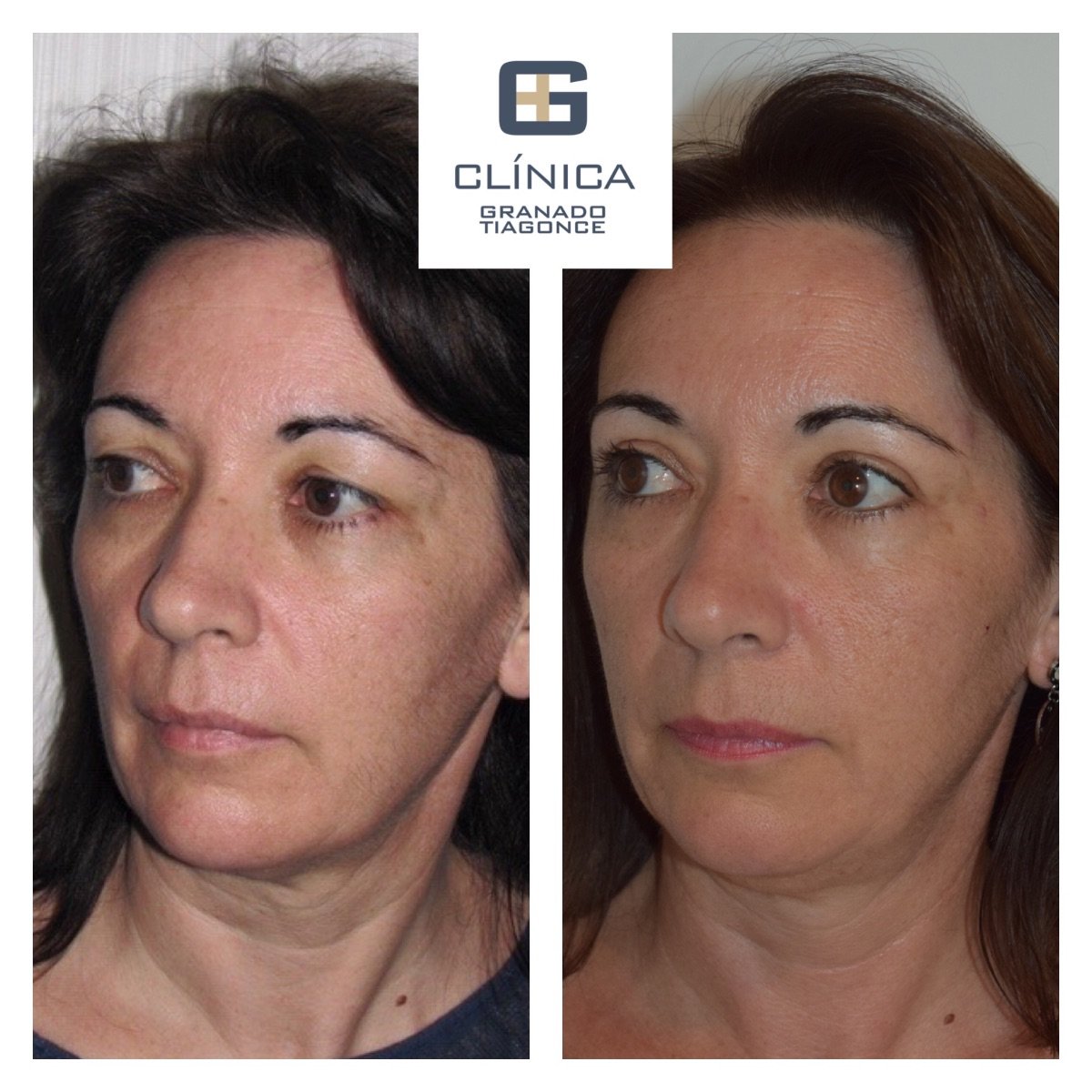
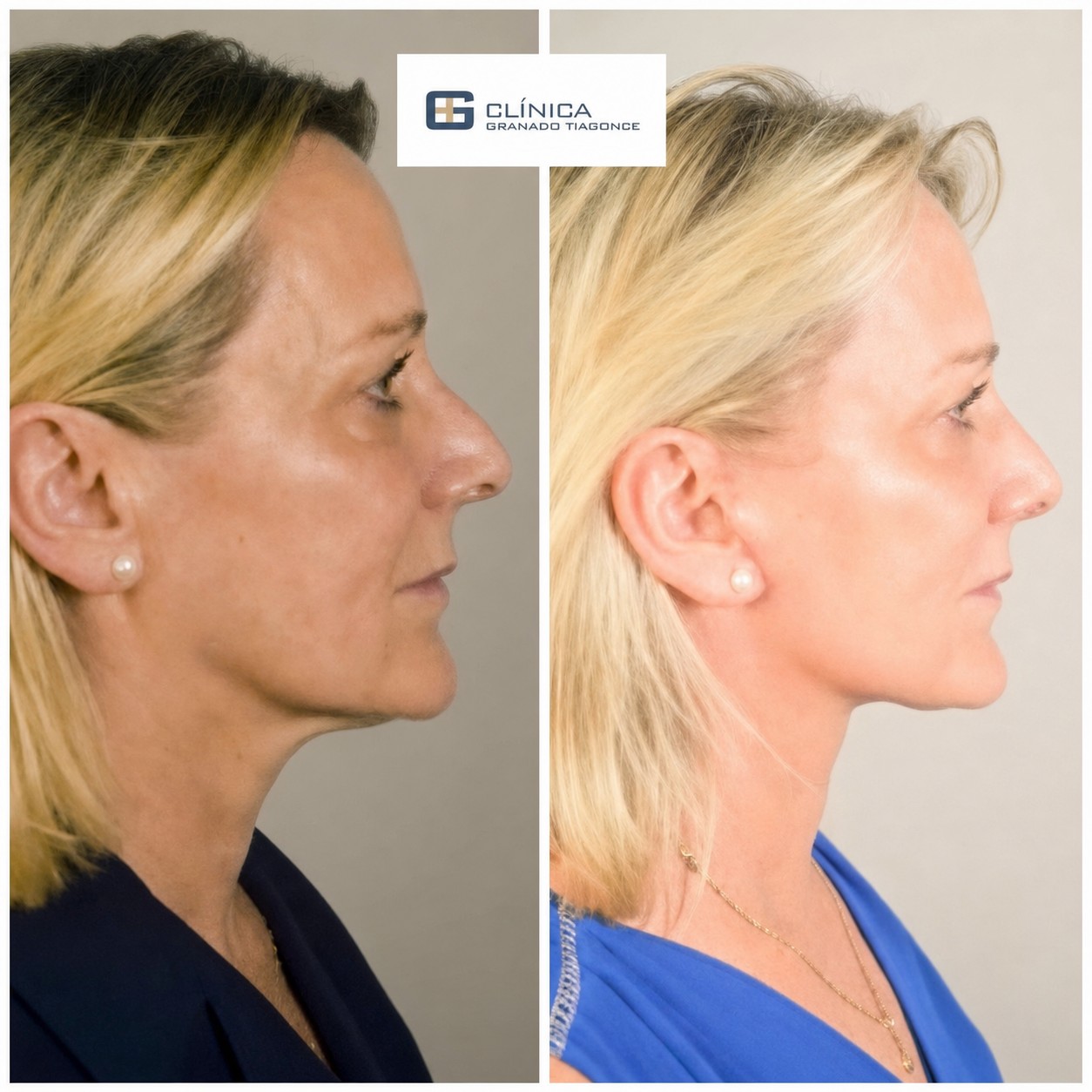
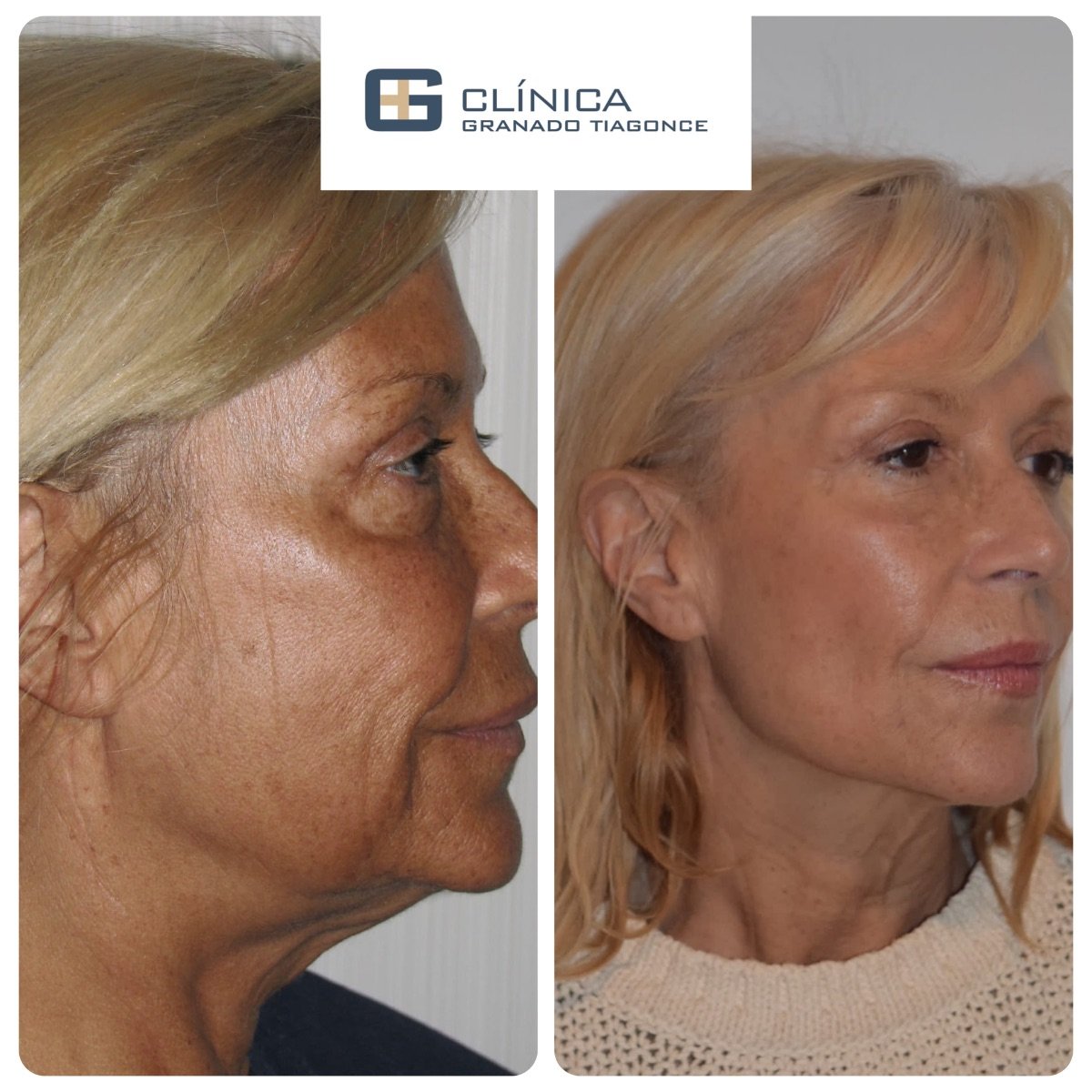
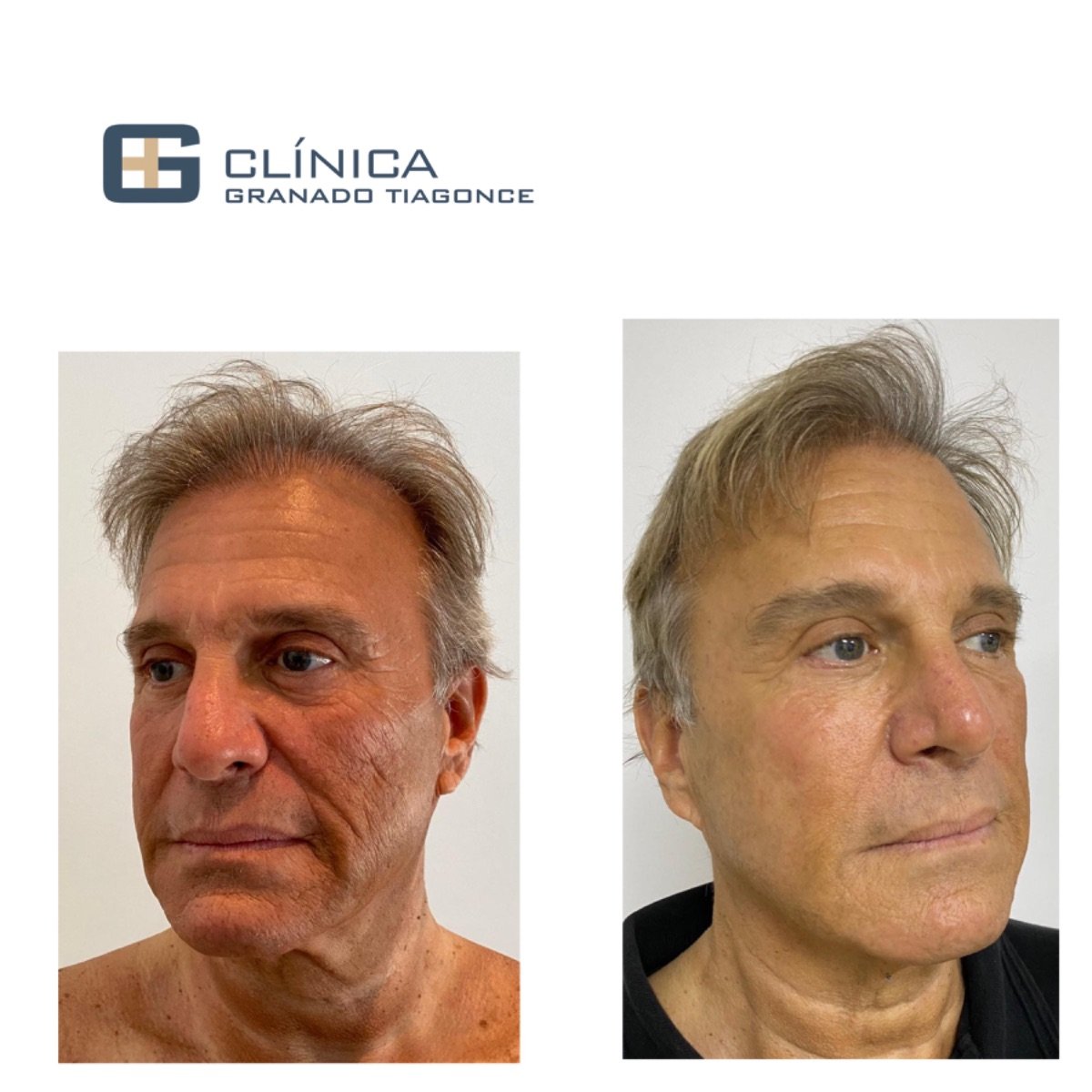
Clinica Granado Tiagonce
Agustin Granado Tiagonce


ANDSURGEONS Clinic
Volkert Boudewijn Wreesmann

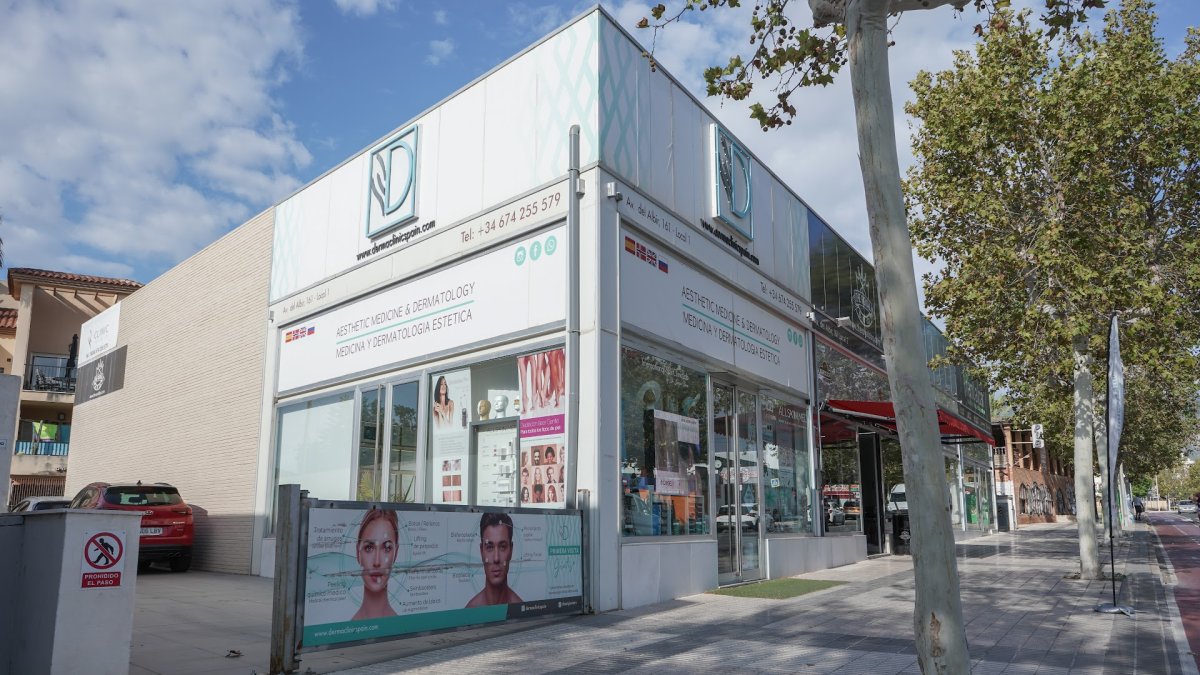
Derma Clinic Spain
Deep Plane Facelift in Spain: Your Travel Plan
Day 1: Arrival in Spain
- You arrive at your destination city in Spain. Ensure you have all necessary documentation, including your passport, medical history, and any previous aesthetic treatments for review.
- You check into your pre-arranged accommodation. Rest and adjust to the local time zone to prepare for your upcoming consultation.
- You should contact the clinic to confirm your consultation appointment with the specialist. Save the clinic's contact information for easy access.
Day 2: Consultation and Pre-Surgery Preparation
- You attend your scheduled consultation with the specialist. Discuss your aesthetic goals and have your facial anatomy assessed.
- The specialist explains the deep plane facelift procedure, addressing deeper layers of facial tissue for a profound lift.
- You can discuss any additional procedures you might consider, such as liposuction or eyelid surgery, which could be performed concurrently.
- Review and sign any consent forms required for the procedure.
- You receive instructions for pre-surgery preparation, including any dietary or medication restrictions.
Day 3: Pre-Surgery Rest and Final Preparations
- You take this day to relax and mentally prepare for the surgery. Follow any specific pre-operative instructions provided by the clinic.
- Avoid alcohol, smoking, and any medications that could interfere with anesthesia or healing, unless approved by your surgeon.
- Arrange for transportation to and from the clinic for the day of the surgery.
- Ensure you have comfortable clothing and any necessary post-operative supplies recommended by the clinic.
Day 4: Surgery Day
- You arrive at the clinic at the designated time. Bring any required documents and identification.
- Meet with the surgical team for a final pre-operative briefing. Address any last-minute questions or concerns.
- You undergo the deep plane facelift procedure under general anesthesia. The surgery typically lasts several hours, depending on the complexity and any additional procedures.
- After surgery, you will be monitored in a recovery area until you are stable and ready to be discharged.
- You receive detailed post-operative care instructions, including medication schedules and activity restrictions.
Day 5: Post-Surgery Recovery
- You rest at your accommodation. Follow all post-operative care instructions provided by the clinic.
- Take prescribed medications to manage pain and prevent infection. Keep your head elevated to minimize swelling.
- Avoid strenuous activities and follow dietary recommendations to support healing.
- Contact the clinic if you experience any unusual symptoms or have concerns about your recovery.
Days 6-10: Continued Recovery and Follow-Up
- Attend any scheduled follow-up appointments at the clinic to monitor your progress and address any concerns.
- Continue to follow post-operative care instructions diligently. Gradually resume light activities as advised by your surgeon.
- Monitor for any signs of complications, such as excessive swelling or infection, and report them to the clinic immediately.
- Maintain open communication with the clinic for ongoing support and guidance during your recovery.
Day 11: Preparing for Departure
- Attend a final follow-up appointment to ensure you are healing well and cleared for travel.
- Receive any remaining instructions for continued care and recovery once you return home.
- Confirm your travel arrangements and ensure you have all necessary documentation for your journey back.
- Pack any medications or supplies needed for continued recovery during travel.
Day 12: Return Home
- You travel back to your home country. Ensure you have comfortable arrangements for your journey, considering your recent surgery.
- Continue to follow post-operative care instructions and attend any recommended follow-up appointments with your local healthcare provider.
- Maintain communication with the clinic in Spain if you have any questions or require further assistance during your recovery.
Our Trusted Doctors
View all Doctors
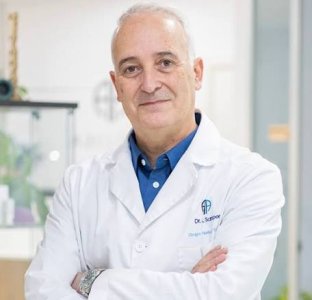
Javier Herrero Jover
Pioneer in 3D surgical planning for facial rejuvenation – Dr. Herrero Jover combines precision technology with 46 years of expertise at Centro Médico Teknon.
- Founder of Alma IT Systems – developed virtual surgical planning tools
- Specializes in facelifts, rhinoplasty, and eyelid surgery
- Author of 150+ publications on plastic surgery techniques
- Former President of CARS (Computer Assisted Radiology and Surgery)

Roberto Herrero

Albert Samper
Dr. Alberto Samper Sugrañes is a plastic, aesthetic and reconstructive surgeon at Centro Médico Teknon in Barcelona. He specialises in facial and body procedures. He offers personalised planning and seeks natural results.
He led the plastic surgery team at Hospital Universitari Quirón-Dexeus from 2003 to 2021. He now works at Centro Médico Teknon (since Nov 2025), Quirónsalud Ciudad Real (since May 2026) and Quirónsalud Clideba (since Feb 2026).
He trained in Plastic, Reconstructive and Aesthetic Surgery at Clínica Universidad de Navarra. He is a full member of SECPRE and a member of the AAAS. He has written many articles and books. He has given hundreds of lectures. His expertise includes facelift and neck lift, blepharoplasty, breast and body contouring, post-bariatric and reconstructive surgery, and lipofilling. He also uses 3D planning and simulation and ultrasound-assisted assessment.

José Luis Martín Del Yerro Coca
Dr. José Luis Martín Del Yerro Coca brings over 44 years of expertise in plastic and reconstructive surgery, with a focus on advanced techniques like the deep plane facelift.
- First Prize winner at the SECPRE meeting in Granada for his work in plastic surgery
- Former Secretary General of the Spanish Society of Reconstructive and Aesthetic Plastic Surgery
- Director of multiple international symposia on breast reconstruction and augmentation
- Member of EBOPRAS and representative to the European Union of Medical Specialists
Video Stories from Bookimed Patients
Reviews about Bookimed: Discover Patients' Insights
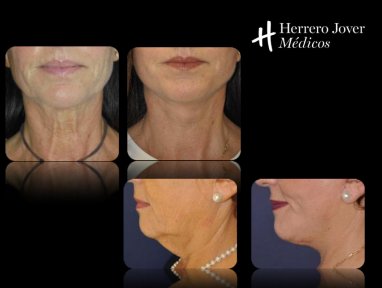
All reviewsDeep Plane Facelift: Before & after photos
View allShare this content
Anna Leonova
Fast Facts about Deep Plane Facelift

Deep Plane Facelift
A deep plane facelift is a surgical facelift technique focusing on repositioning deeper facial tissues for a natural appearance.
FAQ about Deep Plane Facelift in Spain
How long will the results last, and can I have more than one Deep Plane facelift?
Deep plane facelift results typically last 10 to 15 years. You can safely undergo more than one procedure in your lifetime. While aging continues, this technique permanently repositions ligaments, keeping you ahead of your chronological age for decades after surgery.
- Duration: Most patients enjoy peak results for 10 to 15 years before natural aging.
- Repeatability: Clinicians often perform two or more facelifts over several decades to maintain results.
- Secondary safety: Surgeons operate in the gliding plane, making revisions cleaner than traditional SMAS lifts.
- Timing: Patients usually space consecutive full procedures at least 10 to 15 years apart.
Bookimed Expert Insight: Spain offers a technical advantage for secondary facelifts due to the high density of JCI-accredited facilities. Surgeons like Prof. Javier Herrero Jover use 3D planning to map internal anatomy. This precision helps navigate existing scar tissue from previous operations, ensuring safer nerve protection during revisions.
Patient Consensus: Patients report that while results are durable, maintaining a stable weight and sun protection is vital. Many find that minor neck or eyelid touch-ups can often delay the need for a full second procedure.
What are the main surgical risks and how do I minimize them?
Deep plane facelift surgery in Spain involves risks like hematoma, temporary nerve weakness, and infection. Patients minimize these by choosing board-certified surgeons in JCI-accredited facilities like Centro Médico Teknon or Quirónsalud. Success depends on strict smoking cessation and following precise post-operative activity restrictions.
- Nerve safety: Surgeons must identify and protect facial nerve branches during deep tissue dissection.
- Hematoma prevention: Controlled blood pressure and avoiding blood-thinning supplements reduce early bleeding risks.
- Nicotine cessation: Stopping smoking 4–6 weeks prior prevents skin flap necrosis and poor scarring.
- Specialist selection: Choosing surgeons who perform high annual volumes of deep plane techniques specifically.
Bookimed Expert Insight: Our data shows top-tier Spanish surgeons like Dr. Javier Herrero Jover use 3D surgical planning to map facial structures before the first incision. This level of technological precision transitions the procedure from a standard lift to a highly predictable anatomical correction. Clinics in Madrid and Barcelona often maintain lower patient-to-staff ratios, ensuring immediate monitoring during the critical first 48 hours when hematomas are most likely to occur.
Patient Consensus: Many patients report that residual numbness and asymmetrical swelling are the most common surprises. They emphasize staying in Spain for at least 14 days to ensure the surgeon can personally manage early healing phases.
What qualifications should I look for in a Spanish surgeon performing a Deep Plane facelift?
Qualified Spanish surgeons for a deep plane facelift must hold an official specialty title in plastic, aesthetic, and reconstructive surgery obtained via the MIR pathway. Verify active membership in the Spanish Society of Plastic, Reconstructive, and Aesthetic Surgery (SECPRE) and experience with ligamentous release.
- Official certification: Must complete 5-year residency in plastic surgery or oral and maxillofacial surgery.
- Society membership: Verify active status in SECPRE or the European Board (EBOPRAS) for safety.
- Institutional privileges: Surgeon should operate in JCI-accredited hospitals like Centro Médico Teknon or Quirónsalud.
- Technical expertise: Confirm the surgeon performs deep plane techniques involving zygomatic and masseteric ligament release.
Bookimed Expert Insight: Spain’s elite surgeons often hold international credentials alongside Spanish titles. Dr. Javier Herrero Jover at Centro Médico Teknon trained in Brazil. Others at ANDSURGEONS Clinic maintain UK GMC registration. This cross-border training typically indicates a higher mastery of advanced facial anatomy compared to local-only training.
Patient Consensus: Focus on finding a specialist who prioritizes natural facial movement. Patients recommend reviewing before-and-after photos specifically for midface rejuvenation to ensure a result that avoids an over-tightened appearance.
How is a Deep Plane facelift technically different from a traditional SMAS facelift?
A Deep Plane facelift technically differs from a traditional SMAS lift by operating beneath the muscle layer to move tissues as a single unit. It surgically releases the zygomatic and mandibular ligaments. This allows for vertical repositioning of the midface without placing tension on the skin.
- Dissection plane: Surgeons work beneath the SMAS layer where skin and muscle remain attached.
- Ligament release: Retaining ligaments are surgically detached to allow free movement of facial tissues.
- Malar fat lift: The technique directly elevates the midface and cheek fat for natural volume.
- Vascular integrity: Keeping skin attached to muscle preserves the natural blood supply during recovery.
- Skin tension: Structural tension stays on deep muscles, preventing a pulled or tight appearance.
Bookimed Expert Insight: While Deep Plane is the gold standard for midface correction, surgeon experience is the true differentiator. Dr. Javier Herrero Jover at Centro Médico Teknon has performed over 10,000 procedures. This high volume is critical because Deep Plane requires expert knowledge of facial nerve anatomy to ensure safety.
Patient Consensus: Patients report that Deep Plane results look softer around the jawline. Many advise asking specifically if ligaments are released to ensure you are getting a true deep plane technique.
What is the typical recovery timeline and downtime?
Recovery after a deep plane facelift in Spain typically requires 10 to 14 days of initial downtime. While patients are often socially presentable within 2 to 3 weeks, internal tissue remodeling continues for several months. Subtle facial refinements and scar maturation usually resolve fully by 12 months.
- Initial downtime: Plan for 10 to 14 days away from professional duties and social public settings.
- Swelling peak: Facial swelling and pressure typically reach their maximum during the first 1 to 3 days.
- Social readiness: Most patients use makeup and hair styling to return to social activities by week 3.
- Activity resumption: Light walking starts early, but avoid vigorous exercise for at least 4 to 6 weeks.
Bookimed Expert Insight: Data from 5,600+ requests shows Spanish clinics like Centro Médico Teknon integrate 3D surgical planning to predict outcomes. This precision often reduces patient anxiety during the peak swelling phase. Choosing centers with high surgical volumes, such as those performing 23,000+ annual operations, ensures surgeons are highly proficient in managing deep tissue layers safely.
Patient Consensus: Expect more initial swelling with the deep plane approach compared to traditional lifts. Recovery involves more tightness than actual pain, though patience is vital as visual appearance takes longer to improve than physical comfort.
Will the surgical scars be visible after healing?
Deep plane facelift scars become nearly invisible as they fade into natural skin folds around the ear and hairline. While incisions are permanent, Spanish clinics utilize sub-SMAS techniques and tension-free closures. This 12 to 18-month maturation process typically results in thin, pale lines that remain easily hidden.
- Incision placement: Surgeons at Clinica Granado Tiagonce hide entry points within hairlines and structural shadows.
- Advanced planning: Prof. Dr. Javier Herrero Jover utilizes 3D surgical simulation for precise incision mapping.
- Healing timeline: Scars typically transition from reddish tones to subtle skin-toned lines within 6 months.
- Technique advantage: Deep plane methods reduce skin tension, which prevents scars from widening during recovery.
Bookimed Expert Insight: Spanish surgeons like those at Centro Médico Teknon often prioritize long-term ear and hairline symmetry over immediate tightness. High-volume centers performing 23,500 operations yearly maintain lower complication rates by using virtual surgical planning. This precision ensures that facial landmarks like sideburns do not shift unnaturally during the healing process.
Patient Consensus: Many patients find they worried about scarring unnecessarily before the procedure. Most report that while they expected visible marks, the healed lines are subtle enough to allow for short hairstyles.
Which Spanish cities or clinics are considered top destinations for a Deep Plane facelift?
Barcelona, Madrid, and Marbella are the primary Spanish destinations for a Deep Plane facelift. These cities host Joint Commission International (JCI) accredited facilities and surgeons specializing in releasing deep muscular ligaments. Most specialists here are members of the Spanish Society of Plastic, Reconstructive and Aesthetic Surgery (SECPRE).
- Barcelona: Home to innovative centers like Centro Médico Teknon and ANDSURGEONS Clinic for facial work.
- Madrid: Features high-capacity hospitals like Quironsalud Madrid and boutique specialists like Clinica Granado Tiagonce.
- Marbella: Offers luxury recovery environments at Quirónsalud Marbella with specialized international patient coordination services.
- Facial specialists: Surgeons like Dr. Javier Herrero Jover have performed over 10,000 surgical procedures.
Bookimed Expert Insight: While Madrid and Barcelona offer the highest surgical volume, Marbella's Quirónsalud Marbella stands out for efficiency. It serves 30,000 patients annually despite having fewer local residents than the capital. This suggests a highly streamlined infrastructure specifically designed for international medical tourists seeking facial rejuvenation.
Patient Consensus: Selecting a surgeon based on their annual volume of deep plane procedures is more critical than the city's reputation. Look for natural results in before-and-after galleries that specifically show improved neck and jawline contours.