How a Deep Plane Facelift Works
If you're weighing a deep plane facelift, it helps to understand which tissues the surgeon actually repositions. The technique you choose shapes how natural the result looks and how long it lasts.
Facial aging begins beneath the skin. It's driven by the slow descent of fat pads, muscle and the SMAS, not loose skin alone. The SMAS is the muscle-and-fascia layer just under the skin.
Deep plane vs SMAS, side by side
A traditional SMAS facelift tightens that fascia layer sideways but leaves the deep anchoring ligaments in place. The skin ends up carrying the tension, which is where a tight or "pulled" look comes from.
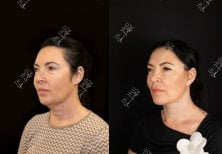
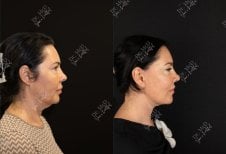
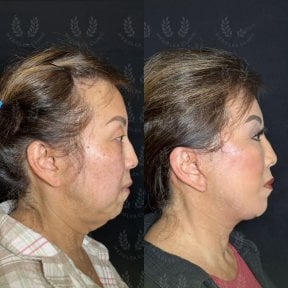
The deep plane technique works one level deeper. It releases the cheek and jaw retaining ligaments, then repositions skin, fat and SMAS together as a single unit. Tension sits in the deep tissue rather than the skin surface.
| Feature | Traditional SMAS lift | Deep plane facelift |
|---|
| Tissue layer worked | SMAS tightened over deeper layers | Beneath the SMAS |
| Retaining ligaments | Left in place | Released |
| Where the tension sits | On the skin | In the deep tissue |
Why It Looks More Natural Than a SMAS Lift
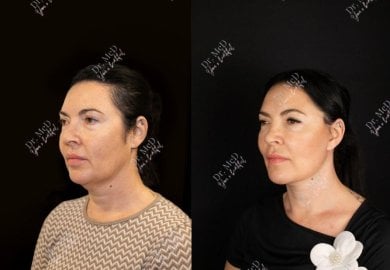
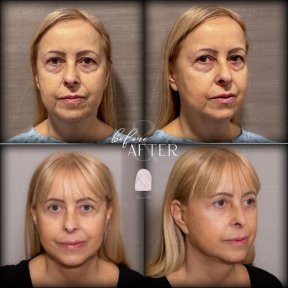
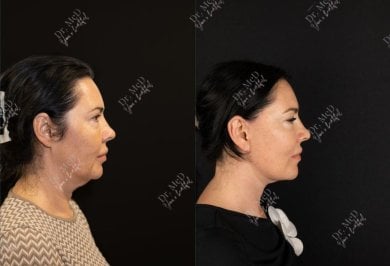
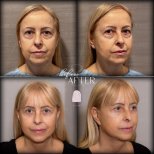
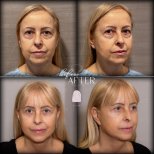
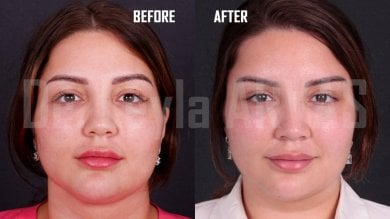
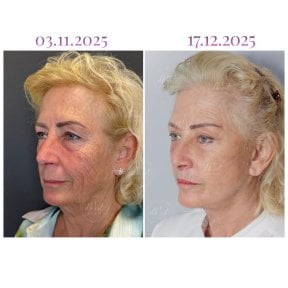
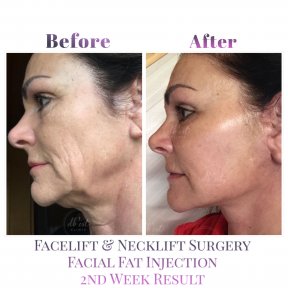
Because deep tissue carries the load, the skin settles softly and expressions stay relaxed. That's why deep plane and extended deep plane techniques are described as more natural. They deliver durable mid-face and lower-face lift by repositioning tissue instead of pulling skin. A preservation variant that limits skin dissection has also been linked to shorter drainage times and easier healing.
How Much a Deep Plane Facelift Costs in Turkey
Deep plane costs more than a SMAS lift for practical reasons. It takes longer in the operating room, often 3–5 hours versus about 2–3 for a SMAS lift. It also needs specialized training to release those ligaments safely. In Turkey it typically runs $11,200–$17,600, compared with about $25,000–$50,000 for the same procedure in the US. That is a saving of roughly 50–65%. Bookimed lists 45+ vetted clinics for deep plane facelift in Turkey, with an average rating of 4.85/5 across recent patient reviews.
How Long Does a Deep Plane Facelift Last?
A deep plane result typically holds for 10–15 years. How long it lasts depends on the technique and on your age at surgery.
How long results last by technique
A deeper technique tends to last longer:
- mini facelift: about 3–5 years;
- traditional SMAS facelift: about 5–10 years;
- deep plane facelift: about 10–15 years.
One recent analysis of 93 deep plane revision cases found patients waited about 10.9 years, on average, before a secondary revision. Many kept their results far longer.
Why Age at Surgery Matters
The same analysis found that timing matters. Patients treated at 53 or younger averaged about 12.4 years of results, versus about 9.3 years for those treated later. The likely reason is simple. Correcting structural sagging earlier, while the skin still has better elasticity, gives a more durable outcome.
How Safe Is Deep Plane Facelift Surgery?
Modern facelift techniques have shown high patient satisfaction rates, while surgical teams use established protocols to minimize risks and support a smooth recovery.
Patient outcomes and safety profile
A comparative meta-analysis found that deep plane facelift surgery achieves higher patient satisfaction while maintaining a comparable safety profile to SMAS facelift techniques:
| Outcome | Deep plane | SMAS |
|---|
| Uncomplicated recovery | 82.8% | 89.7% |
| No hematoma reported | ~97% | ~98% |
Facelift recovery is generally predictable, with most patients maintaining normal facial nerve function long term. According to the American Society of Plastic Surgeons, more than 99% of patients retain normal facial nerve function. Temporary nerve changes occur in around 1–3% of cases and usually resolve within 3–6 months. Other early concerns, such as fluid buildup or infection, are uncommon and can typically be managed with timely medical care.
How Top Clinics Support Safer Recovery
Leading facelift centers use a combination of surgical techniques, medication protocols, and aftercare systems to reduce the likelihood of complications. These may include tranexamic acid to help control bleeding and surgical tissue sealants to support wound healing.
The clinical setting is another important factor. JCI-accredited hospitals with on-site intensive care facilities and 24-hour nursing teams can provide rapid support if additional medical attention is required. For patients considering treatment in Turkey, Bookimed's network includes JCI-accredited hospitals such as Lokman Hekim Istanbul Hospital and Memorial Şişli Hospital. Patient reviews highlight strong coordination, with recent procedure-related reviews averaging 4.9/5. At Dr. Safa Manav Clinic, patients report access to dedicated night nursing and 24-hour support during their hospital stay.
Is It Safe to Fly Home After a Deep Plane Facelift?
Most surgeons clear patients to fly 10–21 days after surgery, depending on the distance. Flying too soon can set back your healing, so the timing of your trip home is part of the recovery plan, not an afterthought.
When it's safe to fly
Cabin pressure at cruising altitude feels like being at roughly 6,000–8,000 feet. That expands trapped gas and shifts fluid, which can briefly worsen swelling and tightness in fresh wounds. Surgeons generally advise a short wait:
- short-haul flight: about 10–14 days;
- long-haul flight: about 14–21 days.
Preventing blood clots on the flight
Long flights carry a small risk of blood clots, so staying mobile and hydrated matters. A few simple habits help:
- wear fitted compression stockings;
- walk the aisle every 1–2 hours;
- do seated calf exercises;
- drink plenty of water.
Avoid lifting heavy luggage or reaching into overhead bins, since straining puts pressure on healing neck and facial tissue..
"From the moment I got off the plane every small detail was taken care of, from my limo pick-up to a 5-star hotel and a 24-hour infirmary clinic." – patient from the UK, rating 5/5.
How to Choose a Qualified Deep Plane Facelift Surgeon in Turkey
The right surgeon is the single biggest factor in your result and your safety. A short checklist makes the choice much easier.
Credentials to verify
- Ask for the surgeon's full legal name as written on the medical diploma, not just a clinic brand.
- Look for European Board certification (an EBOPRAS or FEBOPRAS fellowship) and active ISAPS membership – recognized marks of standardized training.
- Confirm the operation takes place in a Ministry of Health-licensed or JCI-accredited hospital, not an unaccredited clinic suite.
The International Society of Aesthetic Plastic Surgery (ISAPS) frames safe surgery around four core pillars. These are the right procedure, a suitable patient, a qualified surgeon and an accredited setting, a framework it calls the Patient Safety Diamond. ISAPS safety guidance also stresses verifying the surgeon's identity and board certification and confirming an accredited hospital with proper emergency capability.
Choosing the right surgeon and surgical facility
Before committing to surgery, arrange a video consultation with the surgeon who will perform your procedure. Use this conversation to confirm the surgeon's experience with the deep plane technique and discuss whether you are a suitable candidate, especially if you have conditions such as bleeding disorders, active infections, or poorly controlled chronic health issues.
Credentials and facility standards can provide additional reassurance when choosing a surgeon abroad. Bookimed's Turkey network includes surgeons with recognized qualifications, such as FEBOPRAS-certified Dr. Safa Manav and double board-certified Dr. Ahmet Aydin, who perform procedures at ISAPS-member and JCI-accredited facilities. Patient reviews also highlight aspects of the surgical experience, including surgeons personally discussing incision planning and remaining available for communication after surgery.
Deep Plane Recovery, Week by Week
Healing rarely follows a straight line, and knowing the real timeline helps you stay calm through the bumpier middle weeks.
Week-by-week healing
| Timeframe | What to expect |
|---|
| First 2 weeks | Keep your head elevated to limit swelling. Once wounds close around day 14, medical-grade silicone gel or sheets can help soften and fade scars. |
| Week 3 | Only about 70–75% of swelling has settled, and because it settles unevenly, some temporary asymmetry and firmness are normal. |
| Week 6 | Firmness around the cheeks and jaw usually starts to soften. |
| Up to 9 months | Sensory nerves can keep recovering, so occasional tingling or brief shooting sensations along the incisions are expected. |
What to expect during recovery
Recovery after deep plane facelift surgery continues gradually over several months. Most swelling and bruising improve during the first few weeks, while the final results continue to refine as tissues heal. Temporary sensations such as tightness, firmness, or changes in sensitivity may occur as nerves recover.
During the early healing period, avoid strenuous exercise and heavy lifting for around 4 weeks to reduce pressure on healing tissues. Protect healing scars from sun exposure, as they continue to mature over time.
The first two weeks usually require the most adjustment. Patients may need to sleep with their head elevated, follow a soft diet, and manage swelling around the jawline. Having support from a partner or friend can make this period easier. Because early recovery involves rest and follow-up appointments, some medical travel packages include services such as hotel stays, nursing support, and post-operative coordination. For example, Dr. MED provides one year of aftercare support.
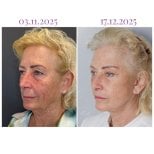
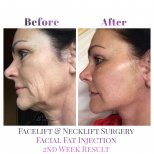
"It's only been 15 days since my deep SMAS facelift, and the swelling along my jawline is already almost gone – the improvement in the jowl area is striking." – patient from Bulgaria, rating 5/5.