Facelift in Mexico — Get 3 Top Clinic Matches with Costs
Want to explore more options? You can also browse all 5 clinics below.
85 %
patient recommendation
110 K+
patients
820К+ patients have got assistance since 2014
50 countries
1500 clinics
6K+ reviews
3K+ qualified doctors
How Much Does Facelift Cost in Mexico?
Facelift in Mexico typically costs from $3,500 to $6,700 depending on the surgical technique, clinic location, and surgeon experience. In the US, the average price for this procedure is $17,800, offering patients savings of approximately 71%. Most Mexican packages include the surgeon fee, anesthesia, operating room charges, and initial follow-up care in hubs like Tijuana, Cancun, and Mexico City.
Mini Facelift: $2,800 to $4,100 for treating mild sagging in the lower face.
Deep Plane Facelift: $6,800 to $6,800 for advanced, long-lasting structural rejuvenation.
Endoscopic facelift: $4,200 to $7,500 using camera-assisted, minimally invasive techniques.
Nonsurgical Facelift: $1,800 to $1,800 utilizing fillers or specialized thread lifts.
Bookimed Expert Insight: Choosing clinics in Guadalajara or Mexico City often provides access to world-class specialists like Jose Cortes, who holds multiple Doctoralia Awards. While Tijuana is convenient for US travelers, clinics like Alice Beauty Clinic offer all-inclusive packages around $6,400. These often bundle 4-star hotel stays and transfers. Look for surgeons accredited by AMCPER to ensure high standards of reconstructive expertise.
Key Benefits
A facelift in Mexico is a popular and cost-effective option for those seeking facial rejuvenation, with potential savings ranging from 36% to 56.67% compared to the United States. The cost of the procedure in Mexico ranges from $6,400 to $13,000, significantly cheaper than in the US. Mexico is a popular destination for medical tourism, particularly in cities like Tijuana, Cancun, and Guadalajara. Clinics offer high-quality care, often utilizing advanced techniques such as SMAS lifting and FDA-approved materials. It's crucial to research and choose reputable clinics to ensure safety and satisfactory results.
Data verified by Bookimed as of October 2026, based on patient requests and official quotes from 5 clinics worldwide. Median costs are based on real invoices (2025–2026) and updated monthly. Actual prices may vary.
Board-certified plastic surgeons with AMCPER or ISAPS credentials can charge 25%–35% more for their expertise.
Clinics accredited by JCI or affiliated with ASPS may charge 15%–20% more.
Procedures performed in major cities like Cancun or Mexico City can cost up to 30% more due to medical tourism demand.
Extent of facelift technique (SMAS, deep plane, mini-lift) can impact costs by 20%–40%.
Use of FDA-approved sutures and materials can add 10%–15% to the total price.
Extended post-op recovery packages with private nursing or luxury stays can raise costs by $800–$1,500.
Your Benefits and Guarantees with Bookimed
Transparent Prices & Flexible Installments
No hidden fees – just official clinic prices. Pay at the clinic for Facelift upon arrival and use a flexible installment plan if needed.
Verified Clinics & Doctors Only
Bookimed is committed to your safety. We only work with medical institutions that maintain high international standards in Facelift and have the necessary licenses to serve international patients worldwide.
Free 24/7 Assistance
Bookimed offers free expert assistance. A personal medical coordinator supports you before, during, and after your treatment, solving any issues. You're never alone on your Facelift journey.
Why we?
Your personal Bookimed medical coordinator
Supports you at every stage
Helps choose the right clinic and doctor
Ensures quick and convenient access to information
Facelift by Board-Certified Surgeon with 30+ Years' Experience — 4★ Hotel, 5 Nights & Breakfast Included
Take a quiz to get free expert opinions on your case
Did you have any surgeries before?
Verified doctors
Top clinics
Free consultation
Facelift in Mexico: Pros and Cons
Facelift in Mexico can offer significant cost savings, but it's crucial to weigh the potential benefits against the risks.
Pros
Cons
Lower costs. Facelift in Mexico typically costs $6,400–$13,000, compared to $15,000–$30,000 in the US, offering savings of 36–56.67%.
Safety concerns. Potential risks include infection (1–3%), hematoma, or nerve injury. These risks are similar to US rates when performed by qualified surgeons.
Qualified surgeons. Surgeons are certified by the Mexican Council of Plastic Surgery (CMCPER), often with 10–30+ years of experience and US or European training.
Follow-up care. Post-surgery follow-up may be challenging for international patients, but clinics offer virtual consultations and detailed recovery plans.
Modern facilities. Accredited clinics in hubs like Tijuana and Guadalajara use FDA-approved materials and equipment from leading brands. Many have JCI or ISO certification.
Different regulatory standards.COFEPRIS standards differ from the FDA. However, top clinics adhere to international safety protocols and often exceed local requirements.
Advanced techniques. Deep plane and SMAS facelifts provide long-lasting, natural results with minimal visible scarring when performed by experienced surgeons.
Travel logistics. Recovery requires a 7–10 day stay, and travel can add stress. Choosing a recovery house with 24/7 nursing care can help ease this process.
Personal coordinator support. Bookimed’s medical coordinator helps compare clinics, request personalized quotes, and manage treatment logistics at no additional cost.
It's crucial to thoroughly research clinics and verify surgeon credentials before making a decision. When performed by qualified professionals in reputable facilities, facelift in Mexico can offer safe, effective, and affordable facial rejuvenation.
Facelift in Mexico: Your Travel Plan
Day 1: Arrival in Mexico
You should confirm your facelift appointment upon arrival. Arrive at least 2 days before surgery for necessary tests and evaluations.
Check into your pre-arranged accommodation. Some clinics have agreements with local hotels or recovery houses.
Prepare for preoperative tests, including blood tests, EKG, and a cardiological evaluation. These ensure you're fit for surgery.
Ensure you have a recent negative COVID-19 PCR test, as it's commonly required.
Contact your patient coordinator to confirm your schedule and ask any remaining questions.
Day 2: Preoperative Consultations
Attend a consultation with your surgeon to discuss facelift details. Options may include a deep plane facelift, midface lift, or neck lift.
Discuss any additional procedures like blepharoplasty if planned.
Complete any remaining preoperative tests as required.
Review and sign consent forms for the surgery.
Reconfirm the surgery schedule and any special instructions, such as fasting requirements.
Day 3: Surgery Day
Arrive at the clinic or hospital on time, following any pre-surgery instructions like fasting.
The surgery is typically performed under IV sedation and local anesthesia. A deep plane facelift involves lifting deeper facial tissues (SMAS) for long-lasting results.
Post-surgery, you will stay in the hospital for observation, usually for 1 night. Ensure you have arranged transportation back to your accommodation if needed.
Receive post-operative care instructions, including medication schedules for antibiotics and analgesics.
Day 4-6: Initial Recovery Period
Rest is crucial during these days. Follow all post-operative care instructions strictly to ensure proper healing.
Avoid strenuous activities and keep your head elevated to reduce swelling.
Attend follow-up appointments as scheduled to monitor your recovery and address any concerns.
Continue taking prescribed medications and apply any recommended topical treatments.
Day 7-10: Continued Recovery and Follow-Up
By now, swelling and bruising should begin to subside. Follow your surgeon's advice on when you can start light activities.
Attend a final follow-up appointment before departure to ensure everything is healing as expected.
Discuss any concerns or questions with your surgeon during this visit.
Confirm your travel arrangements for returning home, ensuring you are comfortable for travel.
Day 11: Departure from Mexico
Ensure you have all necessary documentation and post-operative care instructions for your return home.
Arrange transportation to the airport, as some clinics offer shuttle services.
Maintain communication with your clinic for any post-operative inquiries once you return home.
Continue following recovery guidelines and attend any recommended follow-up appointments in your home country.
According to Bookimed’s ranking, the leading facelift doctors in Mexico are Marco Tulio Marroquin Batres, Yazmin Sanchez, and Joaquin Ayala Del Muro . They are board-certified plastic surgeons with memberships in ISAPS, certification from the Mexican Board of Plastic, Aesthetic and Reconstructive Surgery (CMCPER), and advanced training in facial procedures. Mexican experts in facelift surgery typically have board certification and perform at least 50 facelift surgeries annually. Finding the best facelift doctors in Mexico involves researching board certification, society memberships, and specialized facelift training.
Dr. Marroquin Batres is an award-winning plastic surgeon, recognized as one of the best in Mexico. He specializes in facial and body plastic surgery. Board-certified by the Mexican Board of Plastic, Aesthetic and Reconstructive Surgery Expert in liposuction,…
Dr. Joaquin Ayala Del Muro is a board-certified plastic surgeon at Hospital de la Familia. He is best known for complex facial rejuvenation and body contouring procedures. Dr. Ayala Del Muro completed a fellowship in Brazil under the late Ivo Pitanguy. He maintains a…
18 years of experience • 3000+ treatments performed
Dr. Alexandro Aguilera won international awards for reconstructive microsurgery and facial paralysis surgery – rare expertise for facelifts. Specialized in Plastic and Reconstructive Surgery at Hospital General 'Dr. Manuel Gea González' Advanced training in hand…
Video Stories from Bookimed Patients
Anne
I feel like the happiest person in the world, thanks to Bookimed.
The experience I had with Dr Marroquin far exceed my expectations. I am an American living in Miami, FL. I inquired with surgeons locally before deciding to travel abroad for my deep plane face and neck lift with blepharoplasty. After extensive research I found Dr Marroquin, I read through all the patient testimonials I could find and looked at all his before and after photos. I reached out to him via Bookimed. At first I thought I was being scammed, the people at Bookimed did not speak very good english, I could tell I was communicating with a non native english or spanish speaker. The communications came in at weird hours of the day. After a few back and forth, I said I would not proceed any further without speaking with someone from Dr Marroquins office. That same day someone claiming to be Dr Marroquin contacted me on Whatsapp. I thought for sure it was a scam, so at first I ignored him. In Miami you would have to be dying in order for the surgeon to speak with you directly. I told him I was feeling uneasy and he suggested we set up a video call for later that day, I thought there is no way its going to be him on the phone, and sure enough it was him! He took his personal time on a Sunday to call me. We spoke for almost an hour, and at the end of that call I was 100% sure this was my doctor. He is so down to earth and approachable, he made me feel so at ease. I let him know the next day I wanted to proceed with the surgery, from that point on I only communicated with him. He helped me to schedule the surgery, my preop appointments and made recommendations for recovery houses. In less than a month I arrived in Guadalajara, he met with me the next day and we discussed the surgery in length. At that point I decided to add a lip lift to the procedure. I passed all my preop and had my surgery on August 26th. Dr Marroquin was amazing the day of surgery, he spoke to me in english (which he speaks very well), he made sure I understood every step of the process. Everything went very well, I spent the next 10 days in Mexico recovering at a recovery house. I spoke with Dr Marroquin every day while I was there. I had zero complications and flew home after 10 days to continue my recovery at home. I am 3 months post op and I have zero regrets. I speak with Dr Marroquin every few weeks and keep him updated on my progress with photos. If you are considering this surgery, I 100% recommend having a consultation with Dr Marroquin, he is an amazing doctor and human being.
I liked how personal the service was, I really got to know my doctor and felt 100% at ease with him.
I wish I would have waited for the recovery house I wanted to use to have availability. They were booked up so I decided to use another one that was not as highly rated. It was not a bad experience, but it could have been better.
About Bookimed service
Bookimed was ok, I was always talking to new people and had to keep updating them on my details.
All the staff and doctors were skilled, helpful, and very kind; my experience has been very good
All the staff and doctors were skilled, helpful, and very kind; my experience has been very good. My main concern was finding the right surgeon, and I'm happy with my choice for a deep plane facelift. The procedure addressed my full face and neck, and so far, my recovery is progressing about as expected. The clinic has been supportive, providing a clear aftercare guide and being easy to reach. Just note that my medications were an additional expense of $4000 pesos. My best advice: check reviews.
All the staff and doctors were skilled, helpful, knowledgeable, and very kind. My experience has been very good.
Dr. Marraquin was amazing. He spent over an hour with me on my consultation before my surgery. Let me know absolutely everything that was going to happen. His years of training is quite obvious to anybody who is requesting his services. He answered every question I could possibly think of. Additionally, he was available through text messaging 24 hours a day. He’s response time was impressive. I was very pleased with the outcome of my facelift. I would refer him to any buddy I know.
My doctor, Dr. M., was outstanding. He was accessible via text message, very experienced, and knowledgeable. I cannot comment on the results yet, as I am only 10 days post-op, but I will definitely return to update my review. So far, I recommend him to anyone considering surgery, 10 out of 10. I truly cannot praise his professionalism enough.
I liked how the doctor explained everything to me in details that I understood made sure I understood exactly what was happening as well as being realistic about how long it will take in the journey to get there. And just knowing that he and his staff were there for me at all times during my stay.
Overall, it was a very positive experience and I don’t think I have any one particular item that I did not like of course nobody likes having surgery done however they made it as comfortable as possible
About Bookimed service
Without Bookimed I could not have found Dr. M and the wonderful Rehaus that I stayed in. I give them a 10 out of 10 if I could.
A wonderful Dr! Very knowledgeable and capable in the extreme! On top of this He is a pleasure to converse with . Highly recommend! It should be noted that the Dr. Is fluent in both English and Spanish which is very desirable for many.
A little more knowledge of what to expect after surgery and the following week. The Staff was really nice I felt like everyone tried to help us communicate with the English/Spanish language.
I like the environment and how everything was set up
I like the environment and how everything was set up. I think you should have more instructions on how to care for yourself. I think you should have a care package while you are there to take care of yourself, too.
The staff was nice
I didn't like that they stuck me 5 times to put a iv in.
The surgeon was good but the coordinator Carlo made too many mistakes. 1. Didn’t book continuous days at hotel. 2. As a result, I was kicked out of room the day I was in surgery. . 2. Need more after care days to remove drainage. I was abruptly kicked out of TJ while I was still feeling weak. Needed more days in Tijuana. At least 2 more. Return to America and no one wanted to remove drainage tubes. 3. The day nurse talked bad about me to everyone. The night nurse , Paulina was perfect.
I would never recommend surgery in Mexico. No need to go viral with this because all of USA know this. Mexican are much better at picking fruits!
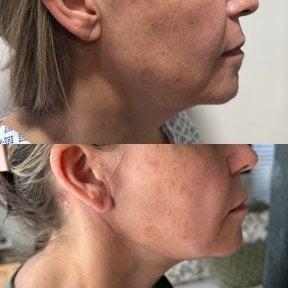
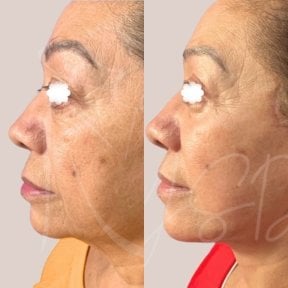
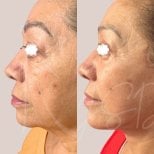
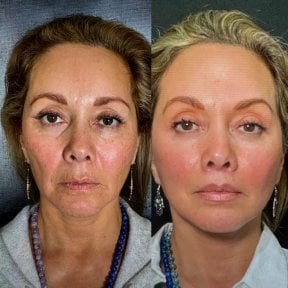
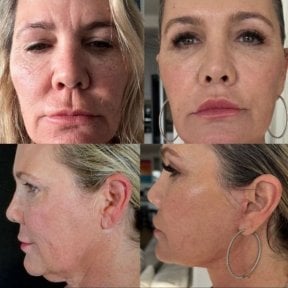
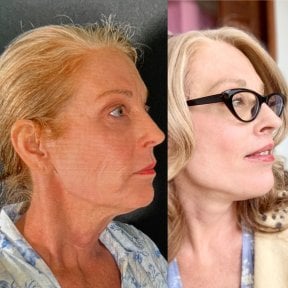
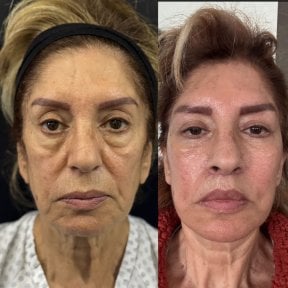
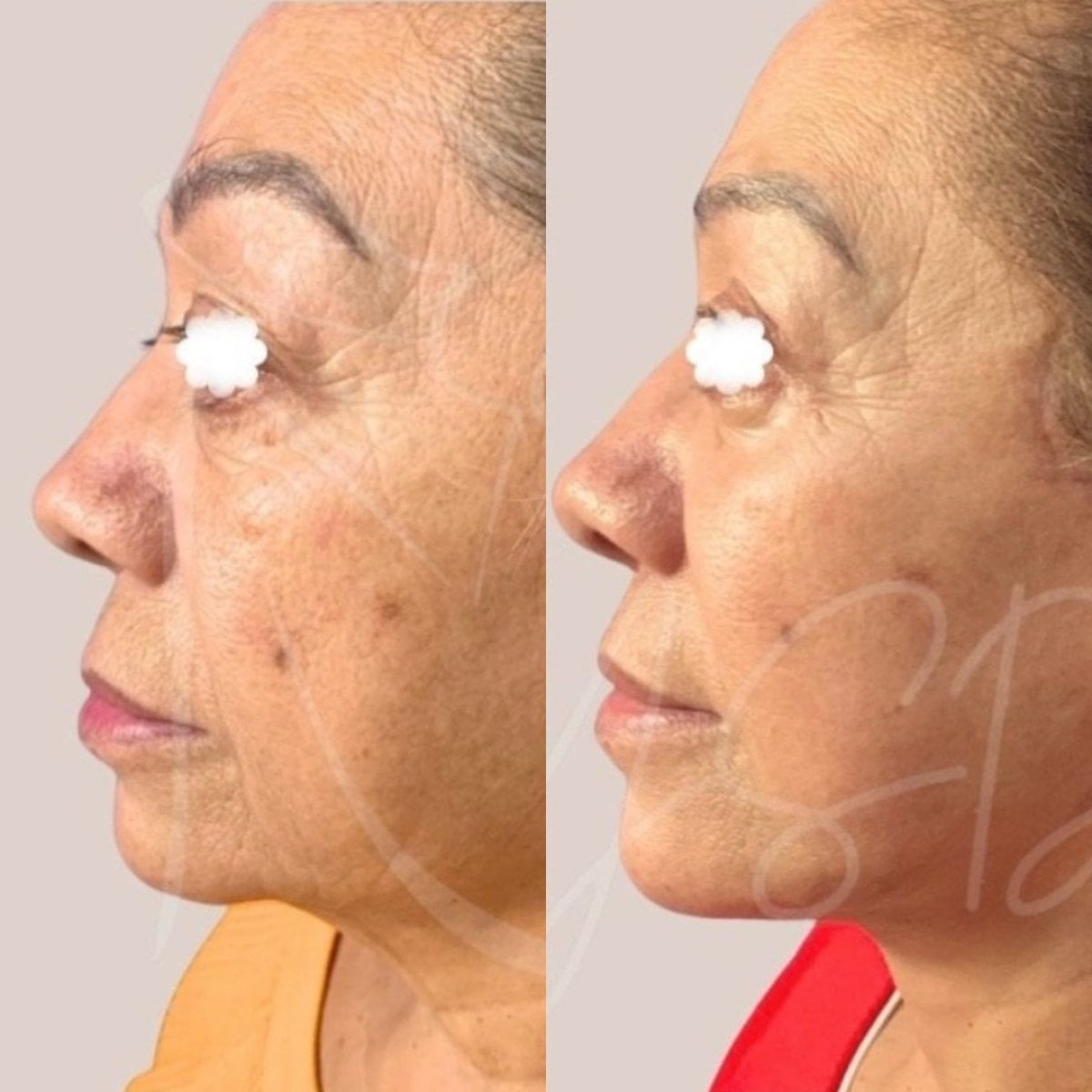
Before and after photos of facelift surgery in Mexico showcase the significant improvement in facial contours and skin tightness that many seek as they age. These images clearly show the improvement from sagging cheeks, jowls, and deep wrinkles to a firmer, more youthful appearance. Results are especially noticeable for patients aged 45 to 65, with a substantial enhancement in jawline definition and midface volume.
Patients typically experience visible changes within 2 to 3 weeks, with final results appearing over 3 to 6 months. The procedure involves SMAS (Superficial Musculoaponeurotic System) tightening and skin repositioning, which enables long-lasting, natural-looking results. Facelift outcomes can last 8 to 12 years, depending on skin quality and lifestyle factors.
A certified medical writer with 10+ years of experience, developed Bookimed’s trusted content, backed by a Master’s in Philology and medical expert interviews worldwide.
General practitioner. Winner of 4 scientific awards. Served in Western Asia. Former Team Leader of a medical team supporting Arabic-speaking patients. Now responsible for data processing and medical content accuracy.
This page may feature information relating to various medical conditions, treatments, and healthcare services available in different countries. Please be advised that the content is provided for informational purposes only and should not be construed as medical advice or guidance. Please consult with your doctor or a qualified medical professional before starting or changing medical treatment.
Our Facelift Techniques: What Suits You Best?
When considering Facelift, it’s important to understand the different techniques and which is best suited for you. Here’s a concise comparison of popular options:
Deep Plane Facelift
A deep plane facelift is a surgical facelift technique focusing on repositioning deeper facial tissues for a natural appearance.
Pros: Delivers long-lasting results by repositioning muscle layers. Achieves more natural outcomes, reducing the need for future procedures by up to 50%.
Cons: More invasive than mini or endoscopic facelifts, resulting in longer recovery and higher risk of complications.
Effectiveness: Offers a 90% patient satisfaction rate with results lasting up to 10-15 years.
Duration: 3-4 hours
Recovery: 2-3 weeks for initial recovery, with full healing in 3-6 months.
Best for: Midface sagging, deep nasolabial folds, and jowls. Ideal for significant facial aging signs.
Prices: Cost of Deep Plane Facelift in Mexico from $6,800
Mini Facelift
A mini facelift is a cosmetic surgery that tightens facial skin for a youthful appearance with minimal incisions.
Pros: Less invasive than deep plane facelift. Faster recovery time, typically around 50% quicker than traditional facelifts. Ideal for mild to moderate sagging.
Cons: Results may not be as long-lasting as a deep plane facelift, typically lasting 3-5 years. Limited to addressing only minor sagging and wrinkles.
Effectiveness: Success rate of 85-90% for achieving desired youthful appearance.
Duration: 1-2 hours
Recovery: About 1-2 weeks
Best for: Addressing early signs of aging in the lower face, such as jowls and minor sagging.
Prices: Cost of Mini Facelift in Mexico from $2,800
Endoscopic Facelift
A minimally invasive facial rejuvenation surgery using small incisions and a camera to lift and tighten skin.
Pros: Minimally invasive with smaller scars. Faster recovery time compared to deep plane facelift. Reduced risk of nerve damage by 30%.
Cons: Limited to mild to moderate sagging. Not suitable for extensive skin laxity as deep plane facelift.
Effectiveness: 85% success rate in achieving desired aesthetic enhancement.
Duration: 2-3 hours
Recovery: About 1-2 weeks
Best for: Forehead, cheeks, and midface areas. Ideal for addressing early signs of aging in patients aged 35-50.
Prices: Cost of Endoscopic facelift in Mexico from $4,200
AccuTite Facelift
AccuTite facelift is a minimally invasive procedure using radiofrequency technology for precise skin tightening and contouring.
Pros: Minimally invasive with no large incisions. Quicker recovery compared to traditional facelifts. 90% of patients report satisfaction with results. Ideal for targeting small, delicate areas like the eyelids and jowls.
Cons: Limited to small areas, not suitable for extensive sagging. Results may not be as long-lasting as a deep plane facelift.
Effectiveness: Achieves up to 30% skin tightening in treated areas.
Duration: 1-2 hours
Recovery: About 2-7 days for normal activities.
Best for: Treating fine lines, small areas of sagging, and improving skin texture on the face and neck.
Prices: Cost of AccuTite facelift in Mexico from $3,000
FAQ about Facelift in Mexico
These FAQs come from real patients seeking medical assistance through Bookimed. Answers are given by experienced medical coordinators and trusted clinic representatives.
Is Mexico a good place for Facelift surgery procedure?
Based on reviews and data from Bookimed, Mexico is a prime destination for facelift surgery.
Patients from the United States, Canada, the UK, Europe & Commonwealth, Latin America, Russia speaking countries, and Australia frequently visit clinics in Mexico for medical care.
Over 4,000 international patients choose Mexican clinics for medical care annually.
The doctors in these clinics boast success rates of 95-99% for plastic surgeries like rhinoplasty and facelifts.
Dr. Nain Maldonado, listed by Forbes as the best plastic surgeon in Mexico, leads the medical team at Riviera Institute.
Clinics like Advance Health Medical Center, Gilenis Surgical Center, and Hospital de la Familia offer affordable pricing and high-quality surgical outcomes for medical travelers seeking excellent medical care in different specialties.
The clinics have bilingual, trained and prepared staff to take care of any surgical and medical requirement around the best attention quality the patients are expecting.
How long does it take to get Facelift surgery in Mexico?
The duration of a Facelift surgery in Mexico takes around 2 days
Which hospital is best for Facelift surgery in Mexico?
Bookimed's rating has revealed the top 5 hospitals in Mexico for Facelift surgery:
Who is the best Facelift surgery doctors in Mexico?
Bookimed has identified the top doctors in Mexico who excel in performing Facelift surgery:
Jose Cortes, Plastic Surgery, 17 years experience
Luis Morales, Plastic Surgery, 23 years experience
Marco Tulio Marroquin Batres, Plastic Surgery, 15 years experience
Arturo Munoz Meza, Plastic Surgery, 25 years experience
Marco Polo Apaez, Plastic Surgery, 23 years experience
How can I verify if a facelift doctor in Mexico is board-certified?
Verify facelift doctors in Mexico by checking the Consejo Mexicano de Cirugía Plástica, Estética y Reconstructiva (CMCPER) registry. Qualified surgeons hold a plastic surgery license from the Secretaría de Educación Pública (SEP). Look for active membership in the Asociación Mexicana de Cirugía Plástica, Estética y Reconstructiva (AMCPER).
CMCPER certification: This is the only authorized board for plastic surgery certification in Mexico.
SEP professional license: Verify a valid medical license and specialized plastic surgery degree via SEP.
International affiliations: Top surgeons often belong to the American Society of Plastic Surgeons (ASPS).
ISAPS membership: Leading doctors typically maintain membership in the International Society of Aesthetic Plastic Surgery.
Bookimed Expert Insight: Data shows that premier facelift specialists in Mexico often hold international fellowships to refine their techniques. For example, Dr. Joaquin Ayala Del Muro at Hospital de la Familia completed a fellowship in Brazil, while Dr. Luis Tamez trained in Spain. These international credentials often indicate a surgeon’s ability to handle complex facial rejuvenation for global patients.
Patient Consensus: Patients note that top surgeons like Dr. Marco Tulio Marroquin Batres are often accessible via text and provide clear pre-operative instructions. They emphasize that while hospital staff are very helpful, having an English-speaking surgeon makes communicating specific aesthetic goals much easier during the recovery process.
What credentials should a qualified plastic surgeon in Mexico hold?
Qualified plastic surgeons in Mexico must hold a specialty license in Plastic, Aesthetic, and Reconstructive Surgery. They should also maintain certification from the CMCPER board. These credentials prove they completed a specialized residency. Many also hold memberships in the American Society of Plastic Surgeons.
Specialty license: A Cédula de Especialista verifies completion of an approved plastic surgery residency program.
CMCPER certification: This official board recognizes surgeons who pass rigorous exams and maintain standards.
AMCPER membership: This national society requires active board status and peer vetting for all members.
International affiliations: Membership in ISAPS or ASPS indicates the surgeon follows global medical protocols.
Bookimed Expert Insight: Bookimed data shows that top surgeons like Dr. Alexandro Aguilera and Dr. Jose Cortes often hold dual certifications or high specialty fellowships in microsurgery and craniofacial techniques. These extra layers of training are vital for complex procedures. For example, Dr. Alexandro Aguilera is specialized in facial paralysis, which requires extreme precision during a facelift.
Patient Consensus: Patients note that top doctors spend significant time explaining procedures during consultations. They often feel more comfortable when surgeons are bilingual and accessible via text. Many were surprised by how thoroughly doctors checked their medical history before surgery.
What specific questions should I ask a facelift doctor during a consultation in Mexico?
Consulting with a facelift doctor in Mexico requires verifying credentials and understanding surgical techniques. Patients must confirm the surgeon holds board certification from the Mexican Council of Plastic, Aesthetic and Reconstructive Surgery (CMCPER). Inquire about specific methods like deep plane facelifts for natural results.
Board certification: Ask for their CMCPER license number to confirm specialized plastic surgery training.
Technique specialization: Confirm if they perform deep plane, SMAS, or endoscopic facelift techniques.
International memberships: Ask about active membership in the International Society of Aesthetic Plastic Surgery (ISAPS).
Emergency protocols: Verify if the surgery center has hospital-level backup and a certified anesthesiologist.
Bookimed Expert Insight: Many leading facelift surgeons in Mexico hold dual board certifications and international fellowships. For example, Dr. Alexandro Aguilera in Mexico City has advanced training in facial paralysis, which allows for more precise facial nerve handling. Dr. Israel Villalobos in Guadalajara completed an ISAPS fellowship, focusing on advanced facial rejuvenation techniques. Choosing surgeons with these specific educational backgrounds often results in more refined surgical outcomes.
Patient Consensus: Patients note that top doctors often spend over an hour in initial consultations to explain every detail. They emphasize that being able to communicate via text messaging during recovery provides significant peace of mind. Many were surprised by how helpful it was to have a surgeon who is fluent in both English and Spanish.
Do facelift surgeons in Mexico speak English fluently?
Facelift surgeons in Mexico's medical hubs speak English fluently. Most lead specialists hold memberships in the American Society of Plastic Surgeons (ASPS). Many completed advanced training in the USA or Europe. This ensures clear communication regarding surgical risks and recovery plans.
International training: Surgeons like Dr. Jose Cortes completed advanced international training in Spain and France.
Dual certification: Leading doctors often hold Mexican Board and ASPS international certifications.
Bilingual coordination: Clinics like Azuna Medical Center provide bilingual support for international travelers.
Global patient focus: Specialists like Dr. Marco Tulio Marroquin Batres treat 300+ international patients annually.
Bookimed Expert Insight: Data shows a strong correlation between border proximity and direct fluency. Surgeons in Mexicali and Tijuana, such as Dr. Joaquin Ayala Del Muro, often consult directly in English. Dr. Ayala notably maintains a career with zero lawsuits, emphasizing that clear communication is vital for safety.
Patient Consensus: Patients note that while lead surgeons speak perfect English, hospital staff might use translation apps. They found that doctors are very accessible via text for follow-up questions. Most felt comfortable because specialists clearly explained every step of the process.
What Should You Know about Mexico before the Trip?
Currency
Mexican peso (you also can pay for services in dollars)
Best period for the trip
December-April
Language
Spanish (most of medical staff speaks English fluently)
In Mexico, hotels of different price ranges and service levels are presented. Most tourists choose 4 and 5 star hotels with all-inclusive meals. Such hotels have everything for a comfortable stay: varied food, a large well-groomed territory, animation for children and adults. Some hotels have their own water park, which guests can use for free. Budget travelers can afford to book an economical 3-star hotel with half board or no meals at all.
What Documents Are Required to Apply for a Visa to Mexico for Treatment?
Visas for travel to Mexico require a number of documents. Lists of documents includes:
ID card
confirmation of online registration and filling out the questionnaire
certificate of income and availability of funds
insurance policy for a stay in Mexico (original and copy)
2 photos (5x6)
visa receipt
booking of flight and hotel
medical opinion about the need for treatment.
Get the Best Facelift Option for Your Budget in Mexico