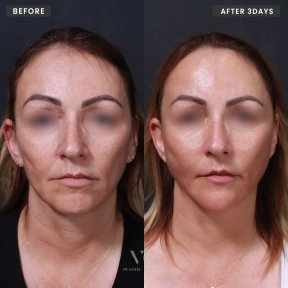
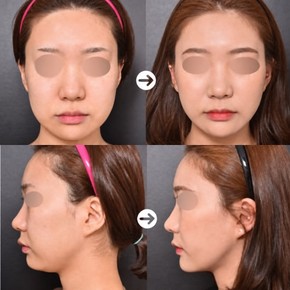
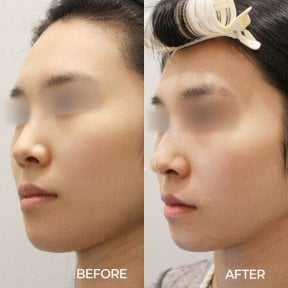
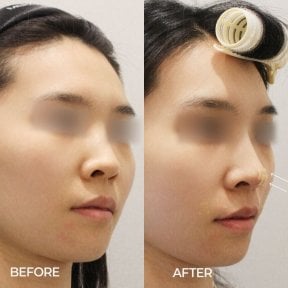
Threads Lifting in Republic of Korea — get 3 top clinic matches with costs
Threads lifting in the Republic of Korea costs $750 to $2,200, about 63% less than the US average of $4,000 (Bookimed data, November 2026). Most packages include airport transfers and a doctor consultation. Bookimed lists 7 threads lifting clinics in the Republic of Korea, all in Seoul, including KOIHA-accredited clinics. These clinics are rated 4.9/5 in 58 verified patient reviews on Bookimed.
Want to explore more options? You can also browse all 3 clinics below.
How Much Does Threads Lifting Cost in Republic of Korea?
Threads lifting in the Republic of Korea typically costs from $750 to $2,200. The total price depends on the thread material, the number of sutures used, and the clinic location in Seoul. In the US, similar procedures cost around $4,000 on average. Patients save around 63% compared to US prices. These packages often include consultations, local anesthesia, and personalized beauty advice.
Thread material: Premium PLLA or PCL threads typically cost 30% more than basic PDO options.
Full face lifting: Packages for the entire face often include 12 to 20 threads.
Combined protocols: Costs increase when paired with treatments like Botox, dermal fillers, or Ultherapy.
Regional hubs: High-end clinics are concentrated in Seoul districts like Gangnam, Myeongdong, and Cheongdam.
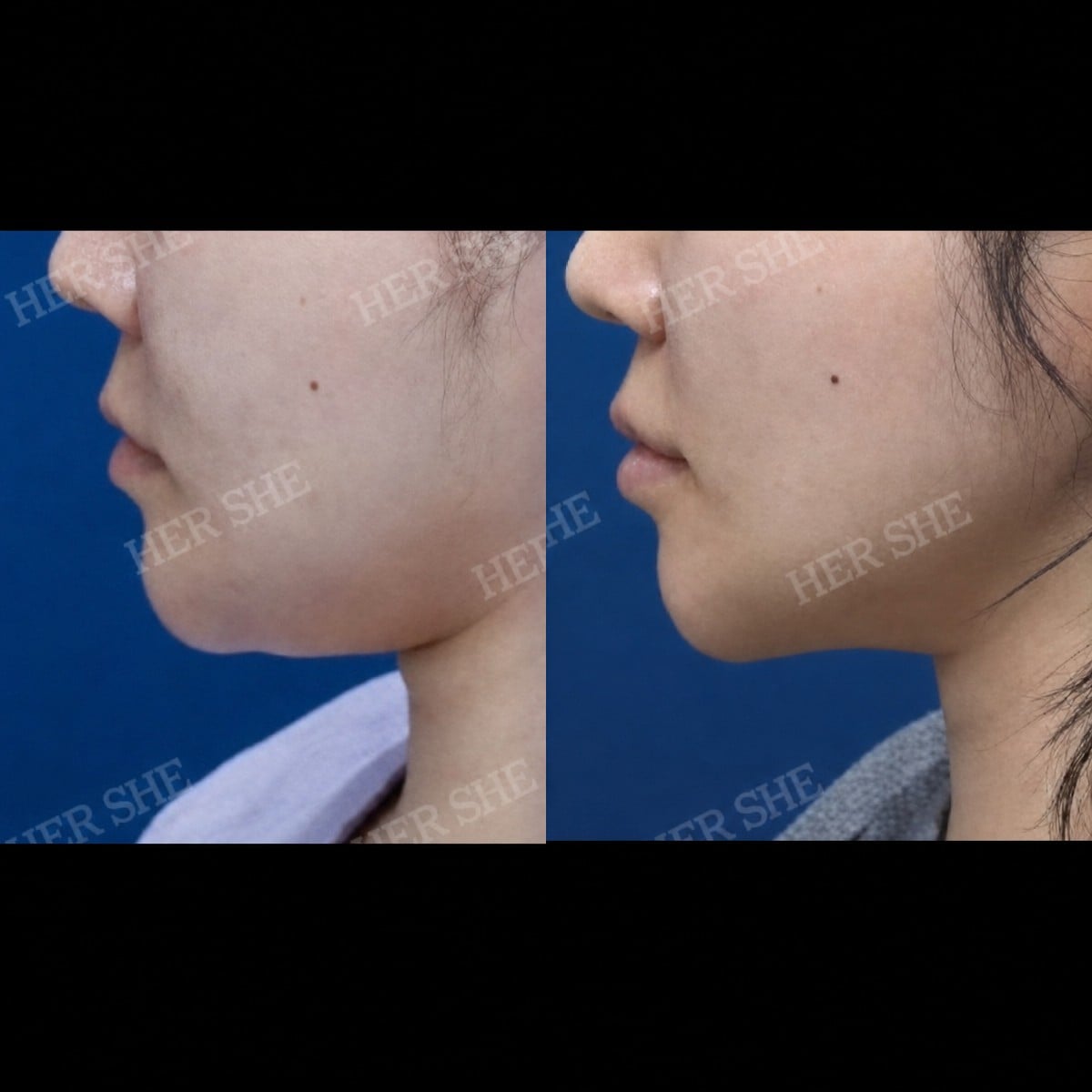
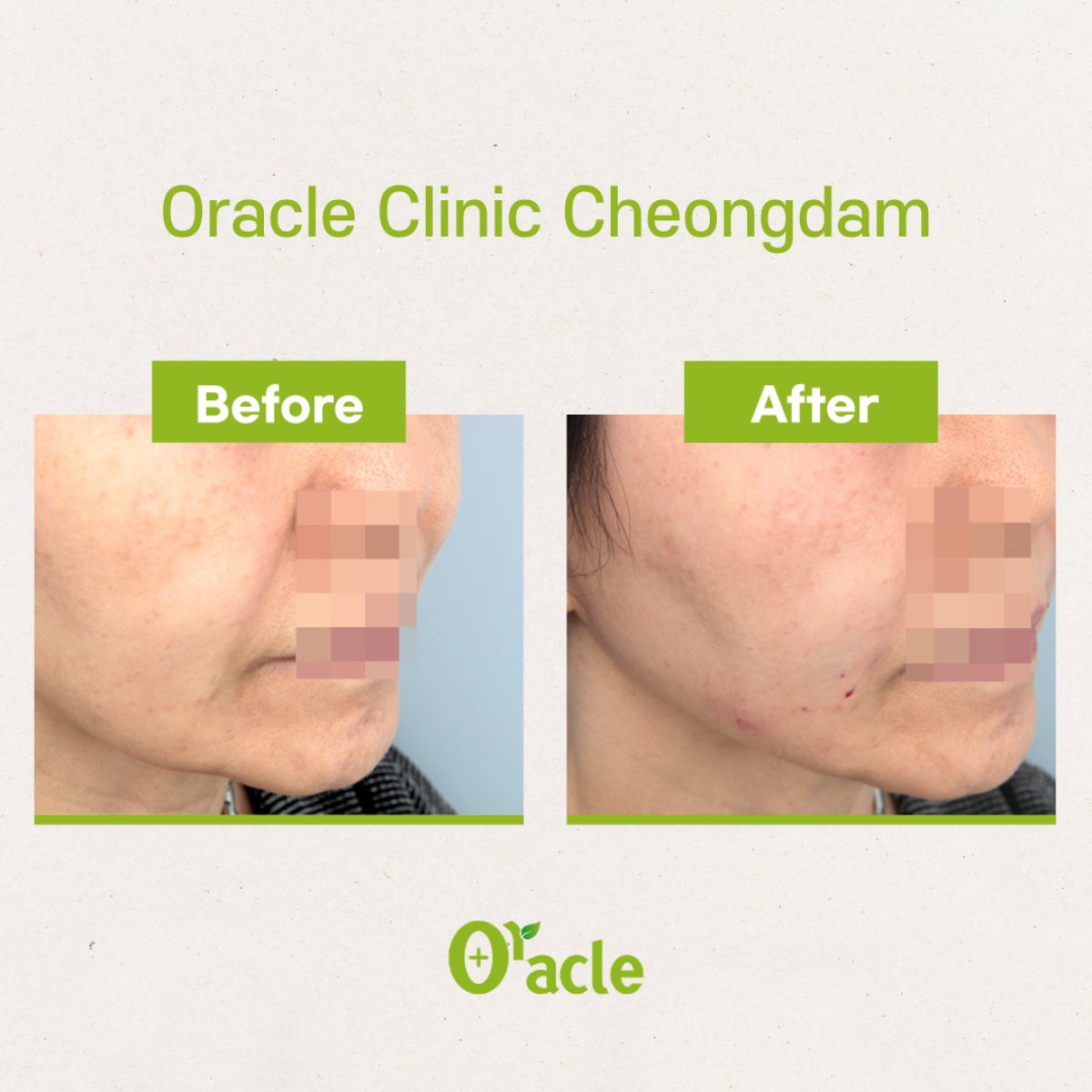
Bookimed Expert Insight: Savvy patients can find exceptional value in "all-inclusive" packages that offer unlimited threads for a fixed price. For example, Oracle Clinic Cheongdam provides unlimited thread packages starting around $1,850. This approach ensures consistent results without extra per-thread fees. Clinics like HERSHE Plastic Surgery even use proprietary Epiticon threads for longer-lasting effects. Choosing a board-certified dermatologist like Dr. Ro Youngwoo ensures medical-grade precision in South Korea's competitive aesthetic market.
Data verified by Bookimed as of November 2026, based on patient requests and official quotes from 105 clinics worldwide. Median costs are based on real invoices (2025–2026) and updated monthly. Actual prices may vary.
Discover the Best Threads Lifting Clinics in Republic of Korea: 3 Verified Options and Prices
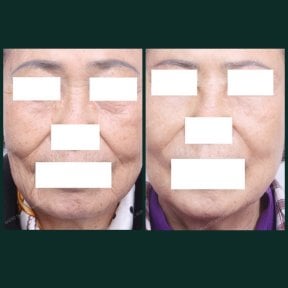
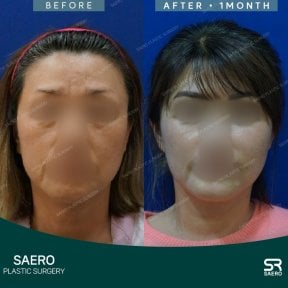
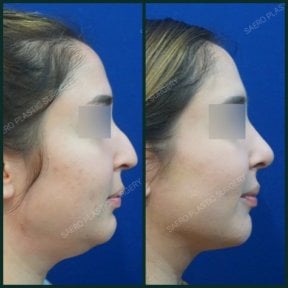
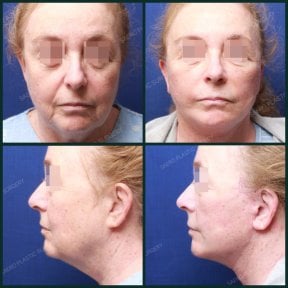
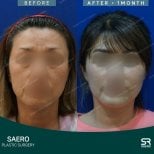
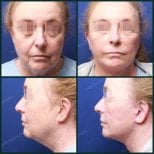
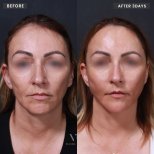
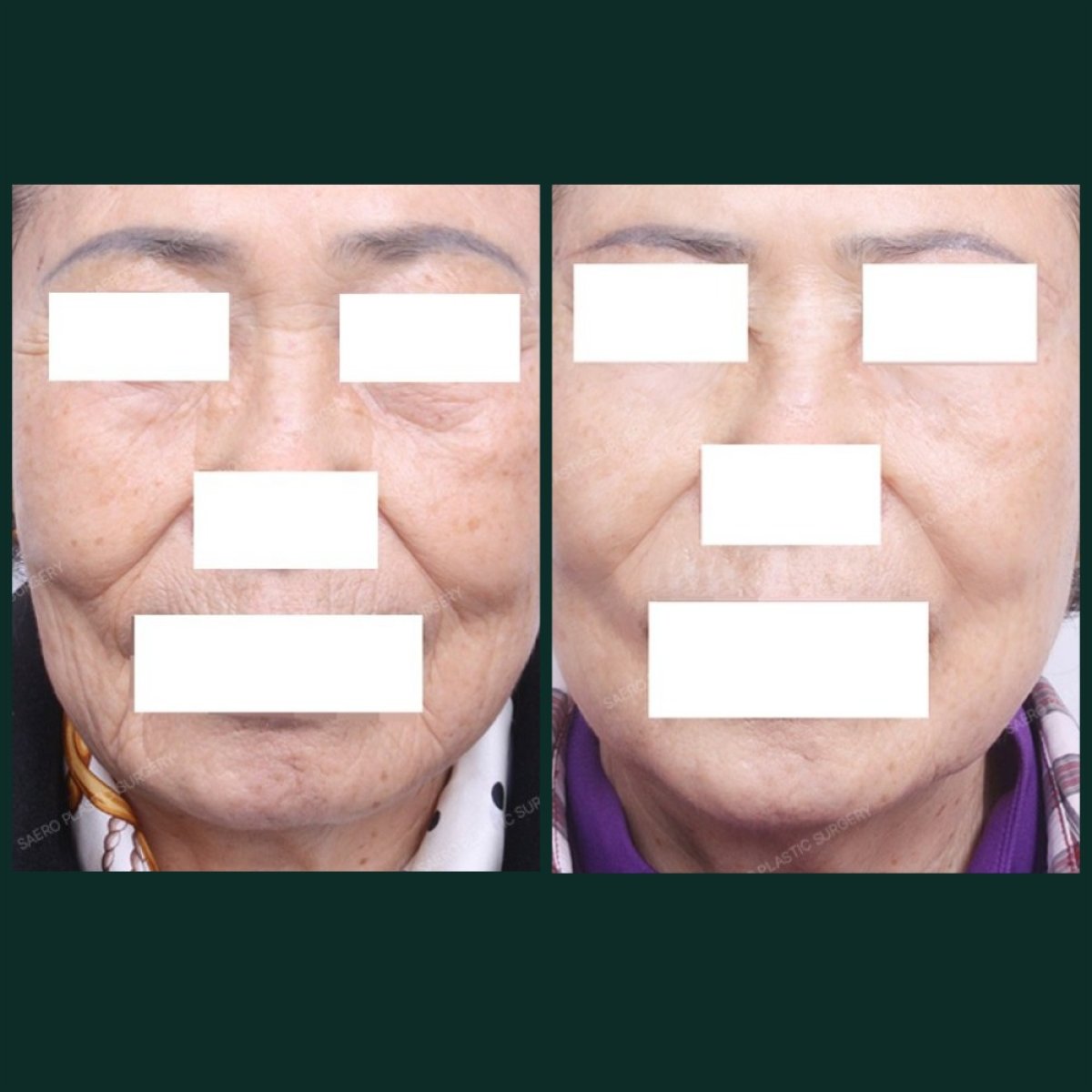
Dr. Park Young Kyu brings 25 years of experience with 900+ thread lifting procedures performed. The procedure may cost around $1,914, typically covering the threads lifting treatment. Dr. Park holds membership in ISAPS and ASPS, with additional recognition from the Korean Society of Plastic Surgeons. SAERO Plastic Surgery maintains a 5.0 rating from 22 reviews with 98% patient recommendation.
Threads Lifting 4 threads with Ultherapy 300 shots
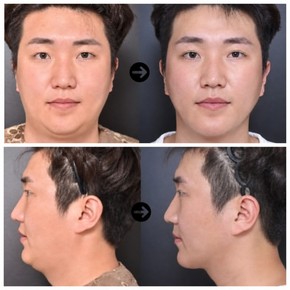
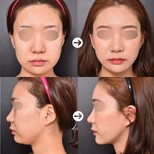
Dr. Choi Min Hyub has performed 900+ thread lifts over 10 years, specializing in facial procedures. The clinic offers two exclusive options: dissolvable threads lasting 1.10 years or Italian Elasticum threads with 10 years effects. Treatment may cost around $2,950–5,960, typically covering anesthesia, deswelling care, and stitch removal where needed. The KIHAS-accredited clinic is trusted by patients from 47 countries.
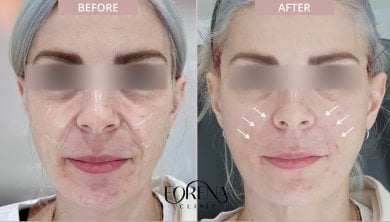
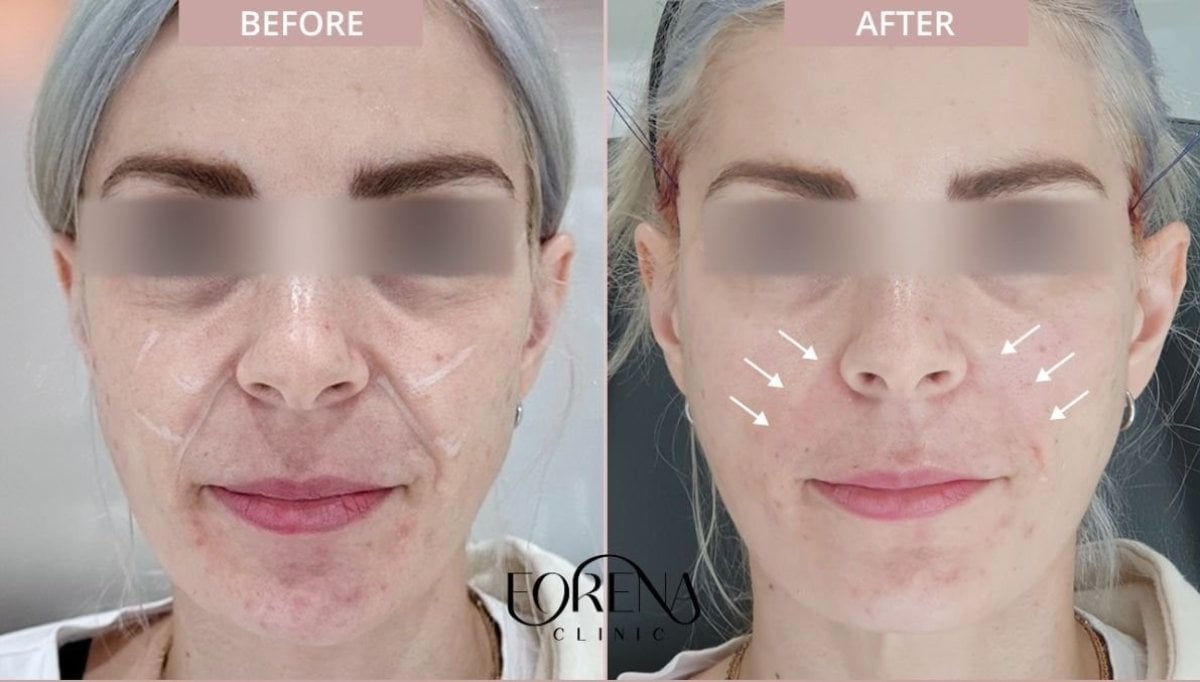
MINT Thread Full Face Lifting for Subtle Facial Rejuvenation
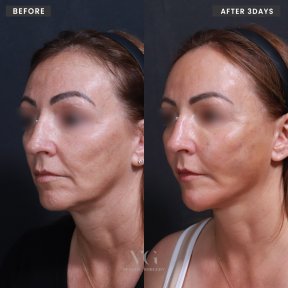
Dr. Yeom Jihye has performed over 14,000 aesthetic treatments, including advanced thread lifting. She combines a full-face MINT procedure with signature Poretox for a dual-action lift and refined texture. At about $1,759, this transparent fee covers the procedure itself and required numbing anesthesia. Dr. Yeom practices at Forena Clinic, which holds multiple dermatology accreditations including from the American Academy of Dermatology. The clinic specializes in treating adults and welcomes thousands of international patients annually to Seoul.
Cosmetic treatment that involves injecting dermal fillers to smooth wrinkles and restore facial volume, offering a youthful appearance without surgery or lengthy recovery.
Threads Lifting - from
$750
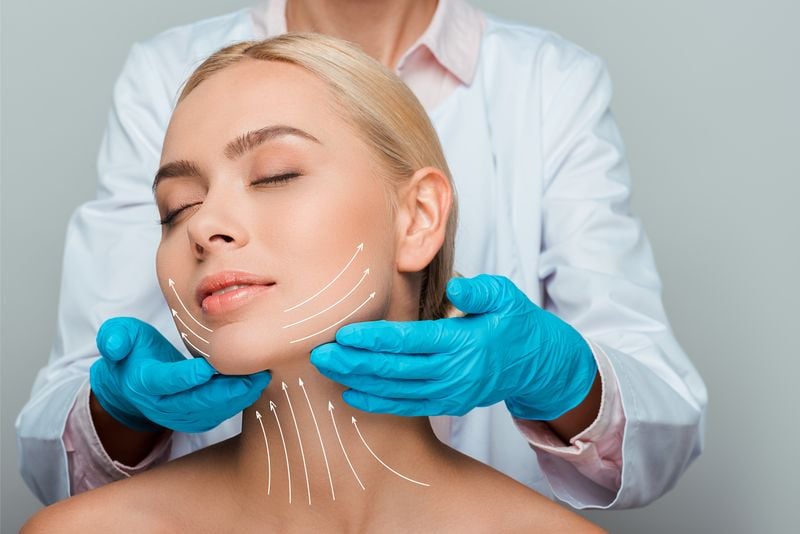
This non-surgical treatment involves inserting dissolvable threads under the skin to lift and tighten sagging areas, promoting collagen production for natural-looking rejuvenation with minimal recovery time.
How to find best offer with Bookimed?
Discover options on the website: deals, clinics, and doctors.
Select your favorites.
Share photos or describe your issue.
Send a request.
Receive free offers for your needs with prices and details.
Compare and finalize your choice.
Book your clinic visit.
Pay at the clinic. Bookimed fees are $0 for you.
From start to finish, the Bookimed coordinator keeps you safe and comfortable during your medical journey.
100% free, non-binding assessment of your case after photos download.
Instant FREE personalized offers to make the right choice.
Expert guidance in choosing the perfect Aesthetic Medicine and Cosmetology doctor and clinic.
Special packages and exclusive prices for our patients.
24/7 Bookimed guidance at no cost, guaranteed.
Hassle-free translation of your medical documents for clinics.
Multilingual staff — no language barrier with Bookimed coordinator.
Bookimed ensures transparent and secure payments. Patients pay at the clinic with no additional fees.
Dr. Park Young Kyu is a plastic surgeon at SAERO Plastic Surgery in Seoul. He graduated summa cum laude from Hallym University. Dr. Park earned the Top Medical Resident award from the Korean Society of Plastic Surgeons. He currently serves as an adjunct professor at Gangnam Sacred Heart Hospital.
Specializes in complex facial contouring, deep plane facelifts, and revision rhinoplasty.
Member of the International Society of Aesthetic Plastic Surgery (ISAPS).
Active member of the American Society of Plastic Surgeons (ASPS).
Sits on the KSPRS steering committees for anti-aging and filler research.
15 years of experience • 1000+ treatments performed
Dr. Yong Woo Kim achieved the top score in the South Korean resident board exam. He is a board-certified plastic surgeon at Returning Plastic Surgery in Seoul. Dr. Kim has performed over 1,000 procedures. He specializes in deep plane facelifts, rhinoplasty, and eyelid correction.
Trained at the American Society for Reconstructive Microsurgery.
Received Best Paper awards from the Korean Society of Plastic and Reconstructive Surgeons.
Member of the Korean Society for Aesthetic Plastic Surgery.
Works at a KOIHA-accredited clinic approved by the American Society of Plastic Surgeons.
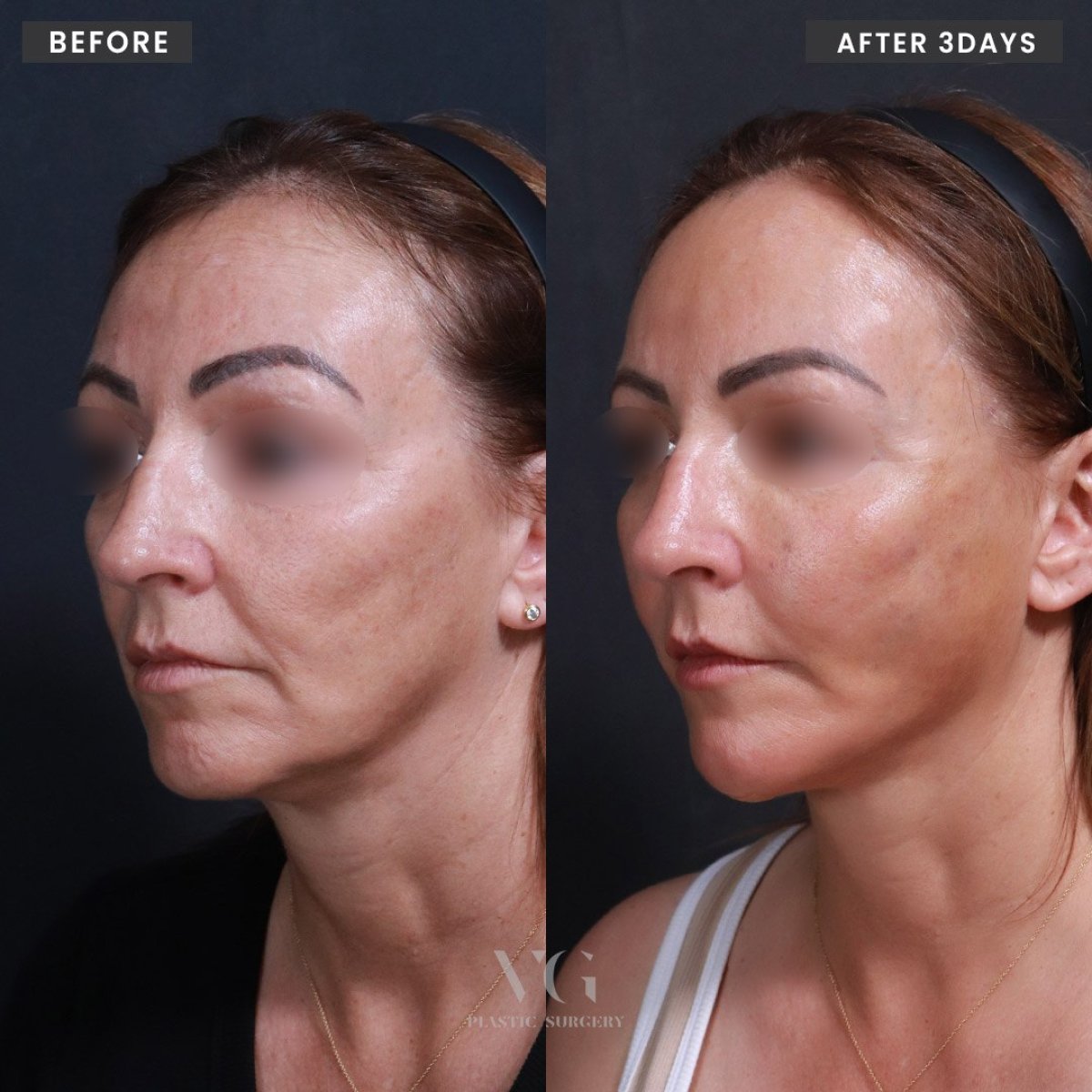
Dr. Park Sangwook is a board-certified plastic surgeon and the Director of VG Plastic Surgery in Seoul. He completed his residency at Seoul St. Mary’s Hospital. He specializes in rhinoplasty and facial contouring. The doctor previously served as a Director at DA Plastic Surgery Clinic.
Full member of the Korean Society for Aesthetic Plastic Surgery (KSAPS).
Belongs to the Korean Cleft Palate-Craniofacial Association.
Performs revision rhinoplasty, cheekbone reduction, and alarplasty.
Treats patients at VG Plastic Surgery, a KOIHA-accredited facility.
Video Stories from Bookimed Patients
Oksana
I have fulfilled my dream. Finally, I won't cry about my hair anymore.
The experience for me, in general, was excellent, I would go back to the Dr
I was very pleased with the attention I received from the first day I arrived at the clinic. The interpreter was able to communicate perfectly to the surgeon what I wanted to be done and what my expectations were.
I loved the hospitality of the Medical Team, all very attentive, very concerned about whether I was feeling well or not, reminding me of my check-ups, cleaning, suture removal, giving me all the information for the post-operative period, giving me light and oxygen therapy sessions to improve and accelerate the results of my recovery. The clinic is located in a very central place in Gangnam, it is easy to get there. It is very close to the flat that the clinic provides during your stay until the first check-up. The clinic is spacious, well-lit, very clean, with flexible opening hours for post-operative care. The real estate is very comfortable, they have coffee and tea so that you can help yourself. And, they don't keep you waiting. Everything works as scheduled. And, additionally, they provided me with help on how to get around the city, how to get to the tourist attractions, to the shops where they sell skin care products, etc. The experience for me, in general, was excellent, I would go back to the Dr. and I recommend him 100% to those people who are looking for a good clinic where they can have surgery with the full confidence that everything will go very well.
About Bookimed service
Bookimed made it easy for me to have a person who speaks my language to assist me whenever I had questions about the different alternatives of plastic surgery clinics that I could ask to evaluate me and give me a quote. When I had already decided on the clinic I wanted to go to, the person who assisted me very kindly answered all the questions I had after I had made my choice. She sent me all the information I asked for about the clinic, the background of the Dr. who was going to operate on me, health permits, health registration of the Dr., validity of his professional title, etc. Everything I needed to make sure I made a very informed decision and knew everything about the clinic, the Dr, the place where I would be operated on, where the clinic was located, where I would be staying from the day of the surgery until a week later and, obviously, how much I was going to be charged.
There was only one difference with respect to the initial budget, but it was because once I was in the clinic I added a part of my face that had not been contemplated before. But even so, the final price did not increase too much compared to what I was charged at other clinics in South Korea.
Most of all, I just wanted to say that I recommend VG because of the wonderful consideration, kindness, and support that I received there
I would like to share my experience with BookiMed and their recommmendation, VG (Very Good) Plastic Surgery.
Doctor: Dr. Im Young Min
Procedures: Deep plane facelift, mid-face lift with fat graft, sub-brow lift, lower blepharoplasty
Referral: I had been wanting to get this surgery for quite a long time, but didn't know which clinic would be best, so I applied to Bookimed who gave me several quotes/recommendations based on my needs. I liked the procedures suggested by VG Plastic Surgery the best and I saw that they had good reviews online, so I set up a consultation.
Consultation: At the consultation, several photos were taken in order to analyze the surgery and what would work best for me. The doctor suggested a sub-brow lift for my sagging eyelid skin, a deep plane facelift and a midface lift to address the loss of volume and sagging along with a fat graft to restore the volume to my cheeks, and a lower blepharoplasty to address the hollowness under my eyes along with the malar edema. I worked with Smile, one of the consultants who was very helpful and went over everything with me including all of the options and prices. She was very professional but warm, which is one reason that I decided to go with VG over other clinics.
Pre-Surgery Check-up: A few days before my surgery, I went in for a checkup where they did a chest x-ray and a blood test to make sure my body was healthy enough for the surgery. I met with Dr. Im, my surgeon, to go over the plan for the surgery and make sure everything was in place. I met another consultant, Lily, who interpreted everything for me and made sure that everything was clear and comfortable for me.
Surgery: The day of surgery, I did an interview about the procedure and how I was feeling prior to the surgery as well as taking several "before" photos to use as comparison. I had also fasted for 8 hours (food and water). The surgery was very smooth, but I believe it lasted a long time- between 6-8 hours as there were many procedures being done. I had to have a breathing tube, which was quite uncomfortable for the first 12 hours after surgery, but I was glad that the doctors took every precaution. They also put in drains in my neck and inside my mouth to keep blood and fluid from pooling under my skin as well as a catheter.
Post-Surgery: After surgery, I was taken to a private room for recovery. I stayed in the room for about 24 hours and the nurses took very good care of me, coming in to replace the ice packs for my face, check on my catheter and incisions and just making sure I was comfortable. I was eventually able to have water, then some soy milk, and finally some porridge when I was ready. Lily and Smile checked on me several times to be sure everything was alright and to translate for me.
The next day before leaving the hospital, the bandages were removed and Dr. Im came in and checked on me to make sure that everything had gone well. Lily, Smile and another consultant, Jenny, were there to interpret and to make sure I was alright. They removed the catheter and cleaned the incisions, replacing them with clean bandages. I also did an oxygen treatment in a hyperbaric chamber, which was very relaxing. I took a taxi home with Smile's support.
Scary Moment: One thing that happened that was a bit scary for me was that I wasn't prepared for how much my eyes would swell up after the surgery. I felt like my bandages were bursting (and the nurse helped me to relieve some of the pressure) and when I looked at myself the day after the surgery, I wasn't prepared for what I saw. The veins in my eyes burst, making them completely red and my eyes swelled up so much I could barely see. This was scary for me as I had not seen this in any of the videos I had watched prior when doing my research. The staff assured me it was normal and that it would go back down, but I guess I'd say that for the first 2-3 days after the surgery, I was pretty worried that something was wrong. The ointment I was applying to keep the incisions clean also coated my eyes from time to time blurring my vision, which was scary, but the consultant assured me this was only because of the medication.
I went back to the clinic after 3 days for a check-up and to have my incisions cleaned and the blood drains emptied. Each time I visited the clinic, I was given an oxygen treatment and several photos were taken for documentation. After the swelling in my eyes went down, my recovery progressed quickly. I had more visits (at 7 days, 10 days, 14 days and then 3 weeks) to remove stitches and drains and to monitor my progress. At 7 days, I was given a complimentary hair wash as well, which was very relaxing and such a relief. I also wore a head brace/wrap to keep my face from moving around too much for about a month. I did take it off to sleep at times because it felt tight, but I tried to keep it on during the day for the most part.
Conclusion: I am now 5 months post-op, and I am very happy with my results. I feel that my concerns were addressed, and that I look younger and fresher, but still like myself, which was always the goal of this surgery for me. I feel a renewed vigor and like I look like the person I have always been, if that makes sense. I still have some puffiness under my eyes at times, especially when I have built up fluid retention or am very tired, and I am still working to find the cause/solution for this. I believe it is related to lymphatic drainage, so I understand that the surgery could not fully correct this issue, although I do feel like it is better than before.
Most of all, I just wanted to say that I recommend VG because of the wonderful consideration, kindness, and support that I received there. From the way that the consultants went out of their way to help and support me, not just through translation, but by encouraging me and helping me, to the care the nurses gave me, to the skill that Dr. Im and his staff in the operating room showed, I am very happy. The scars from my incisions are unnoticeable and will most likely become completely invisible with time, and I feel that my surgery goals were reached. A big thanks to VG Surgery and their staff.
I would also like to thank Bookimed for helping me to find this clinic and giving me the information I needed to make my decision.
The customer service and attention from the staff at VG was the best part of my experience. They were all very caring and attentive.
I would have liked to have more post-op consultation with the surgeon and to have been able to ask him more about my questions/concerns.
About Bookimed service
Bookimed was very prompt and responsive, giving me several choices and listening to my concerns and feelings about everything. They recommended several clinics and this gave me a lot of options to consider before making my decision. It's difficult to trust online reviews, so I really appreciated having another level of research before making a choice.
He did a good job on my surgery and I recommend him for anyone seeking plastic surgery in Korea
The beginning of surgery was tough, doing the upper and lower Blepharplasty with shots and some pain reliever in my IV and I needed something a little stronger but I understand how careful the Dr was because I was under full anesthesia the minute the eye surgeries were done. The results are looking amazing and the swelling decreased daily. I’m not sure what oral pain meds I was on after surgery but it was perfect for me because I don’t like to be on very many pain meds and when the meds ended it was the time I usually stop taking any pain meds. I’m pleased with the results I’m seeing so far and it’s only 3 weeks post-op. Lilith and the the girls were amazing, Lilith helped be to the hotel nearby after my 2 day stay at the surgical hospital and she helped me with exchanging my money to pay my hotel bill because my Credit Union was blocking my use of my credit card. I recommend anyone from outside of Korea to make sure they have an account with a larger bank before getting surgery in another country. I can’t say how much I needed and got reassurance from the staff with removal of my stitches and just how conscientious the staff was that I would be as comfortable as possible. Dr Kim Yong Woo always asked if I had any questions and spend the time before and after surgery to make sure all my questions were answered. He did a good job on my surgery and I recommend him for anyone seeking plastic surgery in Korea.
I liked the Bariatric chamber to lie in, It’s a little strange feeling but I could feel it affecting my swelling and it helped the edema and bruising to decrease quickly. Also the staff was so wonderful to help me through uncomfortable procedures of removing of my stitches.
I was a little skeptical about being moved right after surgery because I usually have vomited without an oral motion sickness pill but I don’t every remember being moved back to my bed in the hospital and had no nausea so I like the anti-motion sickness med that is given intravenously during surgery.
I don’t have an answer but I needed a stronger pain medication or more pain shots with the Blepharoplasty’s but I’m not sure what the answer is.
About Bookimed service
I talked more about the surgery than using Bookimed but I had a hard time at first using a third party to place a down payment on my surgery but when I looked online how that is the normal procedure for surgical procedures in another country I was assured and unfortunately my bank was making it hard for me because you need a larger bank than a credit union to help get legit payments through so I appreciate the staff at Bookimed being so patient with me because it took almost one week to get the down payment through.
My main concern was the surgeon's skill, but it was unfounded. The location is ideally placed in Seoul, with friendly, helpful, and kind staff. My surgeon was patient and experienced, performing a deep plane facelift on my full face and neck. So far, my recovery is going better than expected. I valued the post-op healing services like red light therapy and the optional HBOT treatments. The clinic provided a clear aftercare guide, stayed in touch, and has been consistently easy to reach.
Location is ideally placed in seoul.
Friendly helpful kind staff.
Patient gentle knowledge experienced surgeon.
Red light laser therapy postop healing service.
HBOT post op healing treatment option.
Dr. Im is outstanding; he is not only an excellent surgeon but also a very kind and attentive physician. The staff is also very considerate and treats their patients with dedication and respect. I cannot say enough good things about this team!
About Bookimed service
Good experience, professional communication and responded in a timely manner
Bookimed were instrumental in my selecting RETURNING plastic Surgery for my procedures
Bookimed were instrumental in my selecting RETURNING plastic Surgery for my procedures. Communication was excellent throughout. I really appreciate Queens attention and assistance. Thank you
Dr Kim was very personable and showed great expertise individualizing a surgical plan to my needs. He did not suggest procedures that weren’t completely appropriate for my case and did an excellent job overall. It has only been 2 weeks, so too early to speak on outcomes, but I am confident the surgical plan will lead to my desired appearance. Dr Kim spoke some English, but the English translator was very good.
Long way to travel for surgery, but the lower cost was a good reason to do so.
My surgery got done very well. However it would have veen good if there were nurses and doctors could speak English. But i had a translator soo all good
Doctor was capable and experienced
Nothing
About Bookimed service
Bookimed.com was the bridge for me. Helpful and quick
I would recommend Doctor Im from VG Plastic Surgery to everyone
The surgeon is professional. The staff is kind and available.
It was a great experience. I would recommend Doctor Im from VG Plastic Surgery to everyone
A certified medical writer with 10+ years of experience, developed Bookimed’s trusted content, backed by a Master’s in Philology and medical expert interviews worldwide.
General practitioner. Winner of 4 scientific awards. Served in Western Asia. Former Team Leader of a medical team supporting Arabic-speaking patients. Now responsible for data processing and medical content accuracy.
This page may feature information relating to various medical conditions, treatments, and healthcare services available in different countries. Please be advised that the content is provided for informational purposes only and should not be construed as medical advice or guidance. Please consult with your doctor or a qualified medical professional before starting or changing medical treatment.
FAQ about Threads Lifting in Republic of Korea
These FAQs come from real patients seeking medical assistance through Bookimed. Answers are given by experienced medical coordinators and trusted clinic representatives.
What is a Korean thread lift?
A Korean thread lift is a minimally invasive procedure using dissolvable, medical-grade sutures to lift sagging facial skin. Pioneered in South Korea, this treatment uses specialized PDO, PLLA, or PCL threads to physically reposition tissue and stimulate natural collagen production for long-term firmness.
Available techniques: Options include MINT lifting, hyaluronic acid threads, and 3D barbed cog threads.
Recovery timeline: Patients are typically mobile within 48 hours with swelling resolving by day 3.
Treatment duration: Procedures often called lunchtime lifts take only 30 to 60 minutes.
Longevity factors: Results typically last 18 months using premium molded threads versus basic versions.
Bookimed Expert Insight: Clinical data from Seoul shows a trend toward combination therapy rather than solo lifting. Top-tier specialists like Dr. Jung Young Choon at HERSHE Plastic Surgery often layer threads with regenerative stem cell treatments or AccuSculpt laser. This multi-modality approach explains why Korean clinics achieve higher success rates compared to standard Western applications.
Patient Consensus: Patients emphasize that while results are immediate, icing religiously for the first 48 hours is vital. Many recommend avoiding excessive smiling or sharp facial movements during the first week to prevent thread shifting.
What are the potential side effects or risks?
Threads lifting in the Republic of Korea is a low-risk, non-surgical procedure, yet patients may experience temporary swelling, bruising, or skin dimpling. While serious complications are rare, South Korean clinics like VG Plastic Surgery and Forena Clinic utilize advanced safety systems and board-certified specialists to minimize risks.
Early side effects: Swelling and bruising around the jawline typically resolve within 7 to 14 days.
Skin irregularities: Temporary puckering or dimpling may create an orange-peel texture for several weeks.
Symmetry risks: Asymmetry or unnatural tightness occurs if thread counts are mismatched between facial sides.
Rare complications: Thread migration or extrusion is uncommon but may require minor surgical removal procedures.
Bookimed Expert Insight: Data from top Seoul clinics shows a trend toward combining MINT threads with Poretox or hyaluronic acid to reduce mechanical stress on skin. At Forena Clinic, where Dr. Yeom Jihye has performed 14,000 procedures, these hybrid techniques help prevent the over-tightened look often seen with high-tension single-thread methods.
Patient Consensus: Most patients report that swelling and bruising dominate the first week, requiring religious use of ice and arnica. Experts recommend starting with a conservative thread count and requesting a pre-operative thread map to ensure facial symmetry.
Who is an ideal candidate for a thread lift in Korea?
The ideal candidate for a thread lift in Korea is typically aged 25 to 50 with mild to moderate skin sagging and good tissue elasticity. This non-surgical procedure is specifically designed for patients seeking a snatched V-line, improved jawline definition, or correction of early nasolabial folds.
Target age: Best for patients aged 25–55 seeking preventative or restorative facial contouring.
Skin quality: Requires sufficient thickness and elasticity for MINT threads to grip tissue effectively.
Facial concerns: Ideal for correcting mid-face ptosis, jowls, or deepening smile and marionette lines.
Lifestyle preference: Suits busy professionals needing quick recovery, typically returning to work within 1–3 days.
Bookimed Expert Insight: While many seek thread lifts for aging, a major trend in high-volume Seoul clinics like Oracle Clinic Cheongdam is preventative lifting for patients in their 30s. Surgeons here favor unlimited thread packages to ensure a seamless V-line, often performing over 100 lifting treatments monthly to maintain high precision in tissue repositioning.
Patient Consensus: Patients emphasize that a successful outcome depends heavily on the bounce-back test during consultation. Those with very thin skin or extreme sagging are often advised to choose traditional surgery for more visible results.
How long do the results typically last?
Thread lifting results in the Republic of Korea typically last between 6 to 24 months. Longevity depends on the material used, such as PDO, PLLA, or PCL. While threads dissolve within 6 to 12 months, the resulting collagen production maintains the lifting effect for several additional months.
Material durability: PDO threads dissolve fastest, while PCL options often provide results exceeding 18 months.
Technique impact: Specialized methods like the Ultanium lifting technique or MINT threads enhance structural support.
Biological response: Results persist as the body creates a natural collagen matrix around dissolving threads.
Maintenance schedule: Korean specialists frequently recommend annual touch-ups to sustain the peak lifting effect.
Bookimed Expert Insight: Data from high-volume Seoul centers shows a clear trend: clinics like Forena and Oracle often combine threads with secondary treatments like Poretox or fillers. This multimodal approach doesn't just lift skin; it addresses volume loss simultaneously. Patients choosing these combined protocols frequently report more stable, longer-lasting aesthetic outcomes than those receiving threads alone.
Patient Consensus: Most patients report that while initial swelling fades within 4 weeks, the best look appears after 2 months. Maintaining good skin elasticity and using consistent sun protection are cited as the best ways to extend the procedure's benefits.
Is the procedure painful and how is discomfort managed?
Threads lifting in South Korea is a minimally invasive, out-patient procedure that causes only mild discomfort. Surgeons manage sensitivity using high-strength topical numbing creams and local lidocaine injections. Most patients describe the sensation as a deep tugging or a slight pinch rather than sharp pain.
Anesthesia methods: Clinics primarily use local anesthesia paired with potent topical numbing creams.
Sensation type: Patients typically report a signature pulling or `fishing line` sensation during insertion.
Post-op management: Discomfort peaks during the first 3 days and is managed with OTC painkillers.
Recovery aids: Top clinics often provide LED therapy and ice packs to reduce swelling.
Bookimed Expert Insight: While many Western providers use fewer threads, leading Korean specialists like Dr. Yeom Jihye at Forena Clinic have performed over 14,000 procedures often using 20-50 threads. This high-volume approach provides superior lifting results but causes more initial tightness. Choosing a board-certified dermatologist ensures your numbing protocol is generous enough for these advanced techniques.
Patient Consensus: Patients frequently describe the pain as a `bad facial` and emphasize that the results are 10/10 worth the temporary `popping` sensations. Most return to normal activities within 1 week once the initial puffiness subsides.
What is the expected recovery timeline and downtime?
Threads lifting in the Republic of Korea typically requires 3 to 7 days of social downtime, with most patients returning to desk work by day 5. While initial lifting is visible immediately, full collagen remodeling results typically peak between 4 and 12 weeks post-procedure.
Initial downtime: Most patients resume normal daily activities within 3 to 7 days.
Peak swelling: Visible facial swelling typically peaks around day 2 or day 3.
Social readiness: Bruising and significant swelling generally subside within 2 to 4 weeks.
Result maturation: Final facial contouring and skin tightening plateau at approximately 12 weeks.
Bookimed Expert Insight: Korean clinics often enforce stricter post-op protocols than international counterparts to ensure thread stability. Data from high-volume centers like Forena Clinic suggests that avoiding facial massages and side-sleeping for 14 days is critical. Practitioners like Dr. Jung Young Choon emphasize these restrictions to prevent thread displacement during the initial healing phase.
Patient Consensus: Patients report that sleeping upright for the first 3 nights is the most effective way to minimize swelling. Many advise avoiding major social events for at least 7 days to account for the pulling sensations and initial facial tightness.
What are the key after-treatment restrictions?
After a thread lift in South Korea, patients must sleep strictly on their backs for 7 days to prevent thread migration or snapping. Key restrictions include avoiding strenuous exercise, facial massages, heat exposure in saunas, and active skincare like retinols for up to 4 weeks to ensure proper tissue anchoring.
Sleep position: Use travel pillows for 7 nights to avoid side-sleeping or facial pressure.
Physical activity: Skip gym sessions and heavy lifting for 2 to 4 weeks.
Skincare limits: Avoid gua sha, facials, and RF devices for at least 14 days.
Lifestyle choices: Pause alcohol and smoking for 2 weeks to minimize prolonged swelling.
Bookimed Expert Insight: While many clinics suggest a 2-week recovery, data from high-volume centers like Forena Clinic shows peak settling occurs at 4 weeks. If you combine threads with fillers or the signature Poretox technique, expect additional swelling that requires a full 14 days off social commitments.
Patient Consensus: Patients emphasize that back-sleeping is the hardest restriction but critical. Many recommend packing a specialized neck pillow before traveling to Seoul to prevent accidental rolling during sleep.