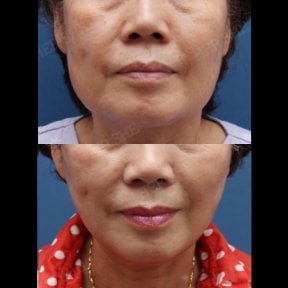
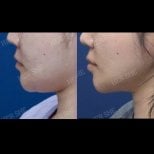
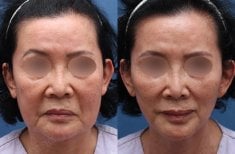
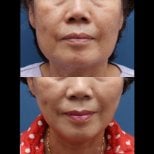
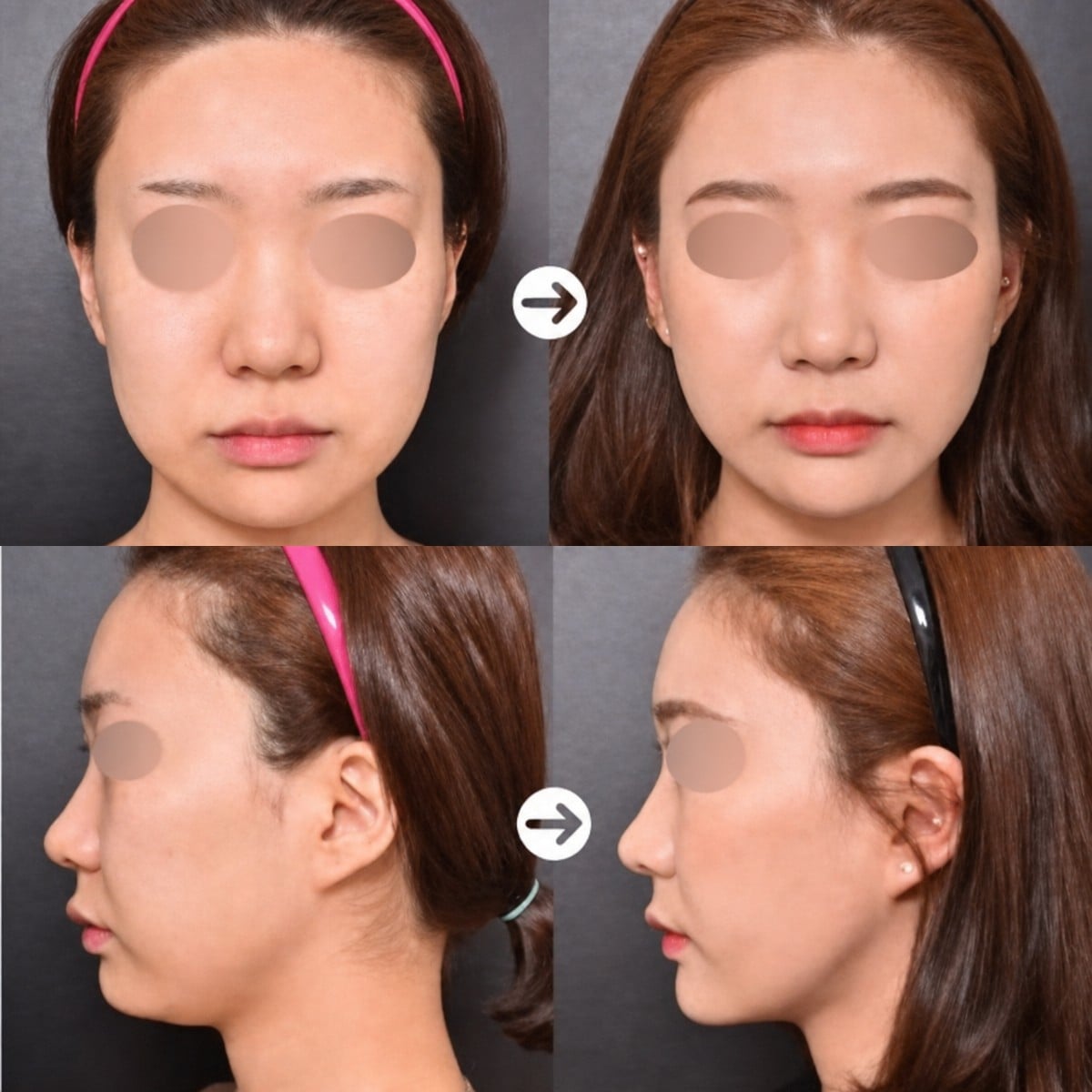
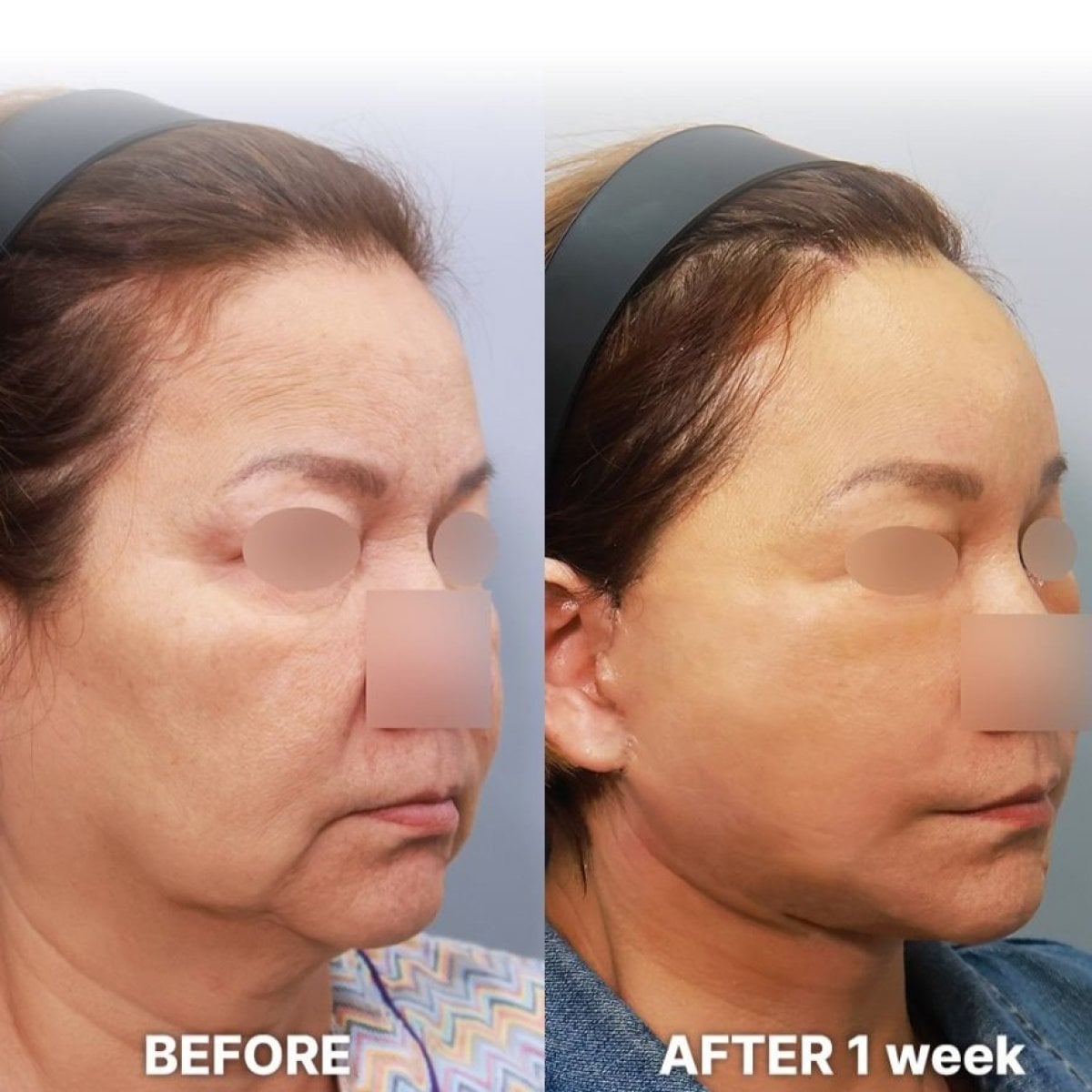
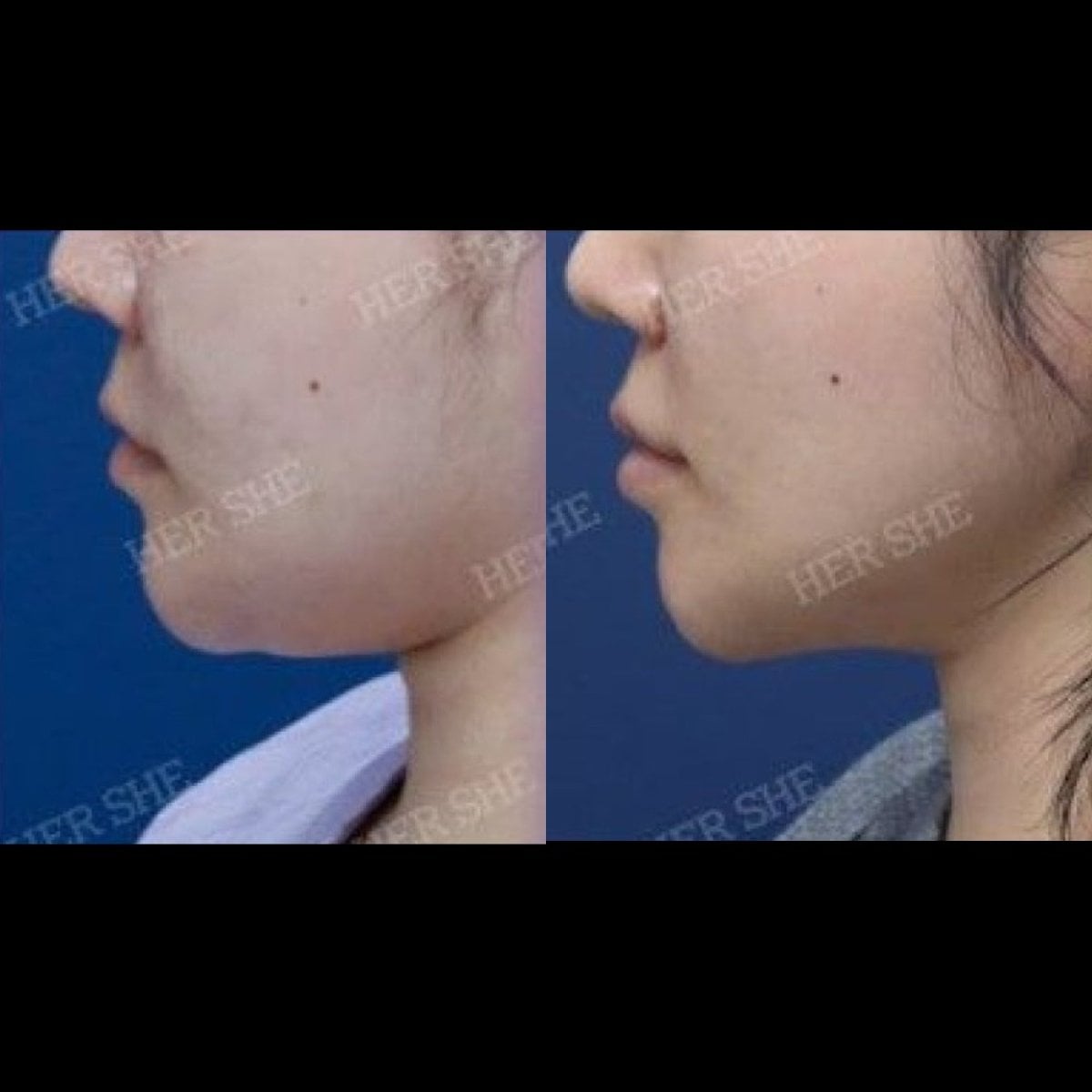
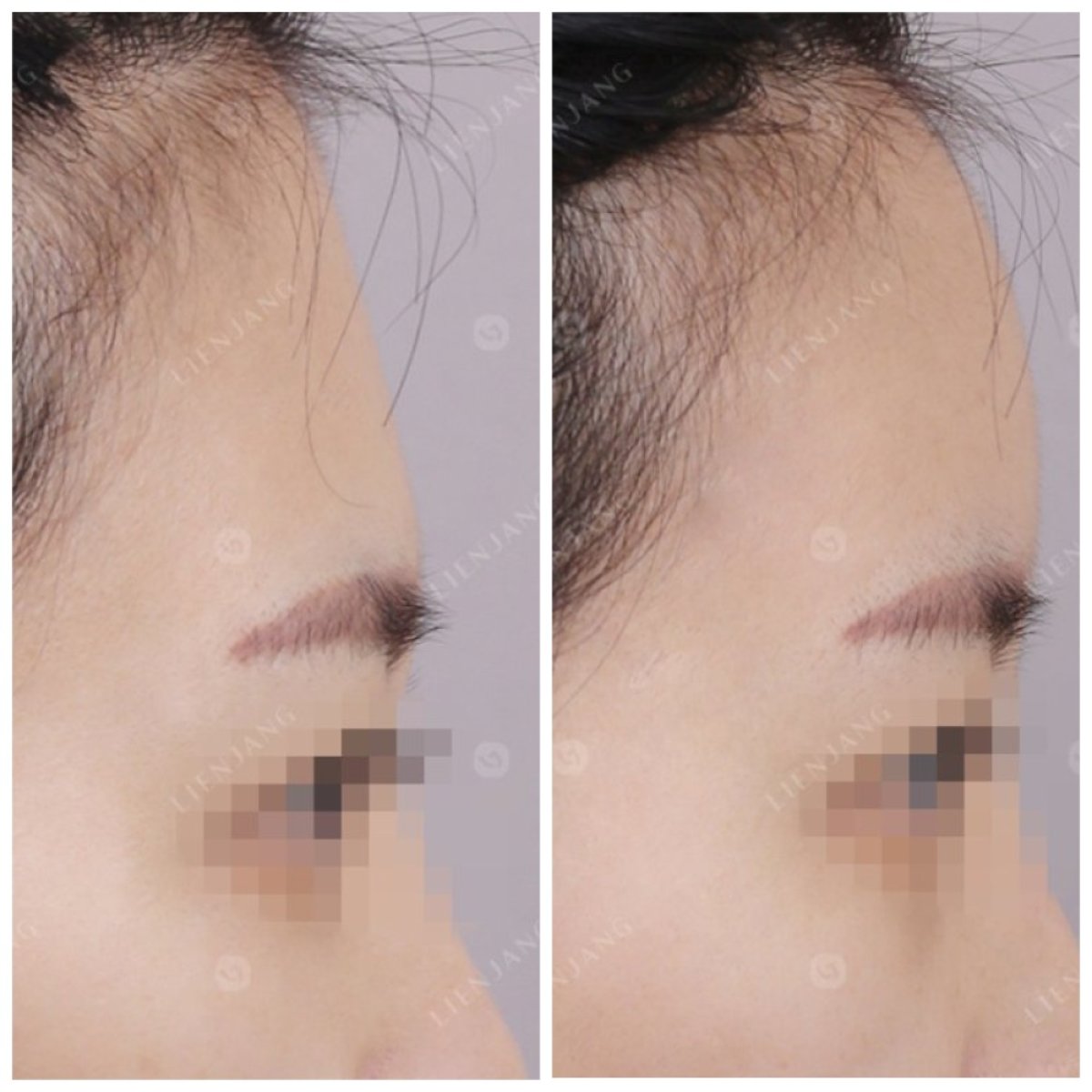
Facial Fat Transfer in Republic of Korea — get 3 top clinic matches with costs
A facial fat transfer in the Republic of Korea costs $1,600 to $2,200, about 79% less than the US average of $9,000 (Bookimed data, November 2026). Most packages include airport transfers, blood tests, and a doctor consultation. Bookimed lists 10 facial fat transfer clinics in the Republic of Korea, all in Seoul, including KOIHA-accredited clinics. These clinics are rated 4.8/5 in 74 verified patient reviews on Bookimed.
Want to explore more options? You can also browse all 3 clinics below.
How Much Does Facial Fat Transfer Cost in Republic of Korea?
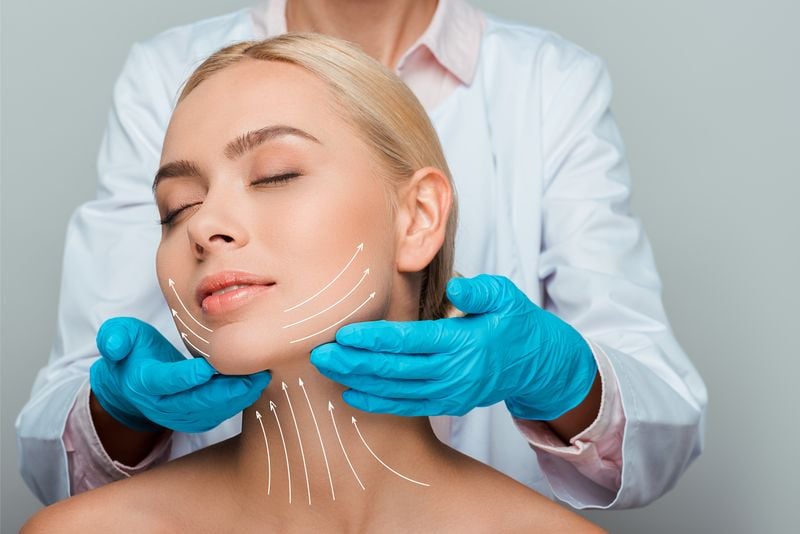
Facial fat transfer in the Republic of Korea typically costs from $1,600 to $2,200. The final price depends on the volume of fat required, the number of treatment zones, and the use of enrichment techniques like stem cells. In the US, similar procedures cost around $9,000 on average. Patients save around 79% compared to US prices. Standard packages often include the initial consultation, anesthesia, fat harvesting, and post-operative care.
Zone-specific treatment: Localized areas like temples or under-eyes generally cost less than full-face procedures.
Technological add-ons: Incorporating stem cell or nano-fat technology typically adds $1,000 to $2,500 to the base price.
Clinic location: Centers in Seoul districts like Gangnam or Apgujeong may charge up to 20% premiums.
Post-operative care: Premium packages frequently include specialized services like deswelling laser treatments and medication.
Bookimed Expert Insight: Choosing a clinic with patented regenerative technology offers superior value and better fat survival rates. HERSHE Plastic Surgery Korea provides specialized stem cell fat grafting packages starting around $1,350. This clinic holds specific patents for growth factors derived from adipose stem cells. Selecting such specialized centers ensures high-tech care at a fraction of Western costs. Seoul remains the global hub for these advanced volume restoration techniques.
Data verified by Bookimed as of November 2026, based on patient requests and official quotes from 284 clinics worldwide. Median costs are based on real invoices (2025–2026) and updated monthly. Actual prices may vary.
Discover the Best Facial Fat Transfer Clinics in Republic of Korea: 3 Verified Options and Prices
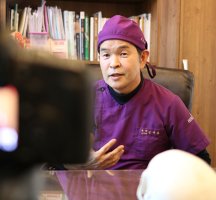
Dr. Park Young Kyu specializes in facial fat transfers with 25 years of experience and 900+ procedures performed. Full face treatments typically cost around $1,786 – generally covering the procedure, consultation, and post-op care. He holds certifications from the Korean Society of Plastic Surgeons and American Society of Plastic Surgeons, balancing academic rigor with refined surgical technique.
Dr. Park Young Kyu specializes in facial fat transfers with 25 years of experience and 900+ procedures performed. Full face treatments typically cost around $1,786 – generally covering the procedure, consultation, and post-op care. He holds certifications from the Korean Society of Plastic Surgeons and American Society of Plastic Surgeons, balancing academic rigor with refined surgical technique.
Facial Fat Transfer with Stem Cell Technology for Natural Volume Restoration
Dr. Jung Young Choon has performed 900+ facial fat transfer procedures with 36 years of specialized experience in natural anti-aging techniques. The procedure may cost around $1,655–2,850, typically covering the fat transfer, micro fat grafts under eyes if needed, and a personalized treatment plan. The clinic is accredited by the American Society of Plastic Surgeons and offers Epiticon® thread lifting as a complementary option. Dr. Jung focuses on strategic fat grafting for balanced facial volume restoration.
Facial Fat Transfer in Republic of Korea: Your Travel Plan
Day 1: Arrival in Republic of Korea
You should arrive at the airport and proceed through customs. Have your passport ready for identification and the tax refund program.
Check into your pre-booked accommodation. Choose a place close to the clinic for convenience.
Rest and acclimate to the local time zone. This ensures you are well-rested for your upcoming consultations.
Avoid alcohol and heavy meals to keep your body in optimal condition for the procedure.
Day 2: Preoperative Consultation
You need to attend the scheduled in-person consultation with the surgeon. This is crucial for finalizing the details of your facial fat transfer procedure.
Discuss any additional recommended procedures, such as transconjunctival fat reposition, ptosis correction, or full face fat grafting.
Review the specific areas for fat grafting, which may include the forehead, lower eyelids, temples, and lips.
Undergo preoperative laboratory tests to ensure you are fit for surgery.
If applicable, confirm your surgery slot by paying a deposit (10% of the total surgery fee).
Day 3: Surgery Day
Arrive at the clinic on time for your scheduled surgery. Ensure you are fasting as instructed by the clinic.
The procedure typically involves harvesting fat from areas like the abdomen or thighs and transferring it to the face.
If general anesthesia is used, consider hiring an overnight caregiver for the surgery date.
After the procedure, you will be monitored in the recovery area until you are stable enough to be discharged.
Receive postoperative care instructions and prescribed medications. Note that medications are not included in the total price.
Day 4-6: Initial Recovery Period
Rest and follow postoperative care instructions diligently to minimize swelling and discomfort.
Wear any provided facial bands or compressive masks as instructed to support the healing process.
Attend any follow-up appointments for deswelling injections or hyperbaric oxygen therapy if included in your package.
Maintain a light diet and avoid strenuous activities.
Stay in contact with the clinic for any concerns or questions regarding your recovery.
Day 7-10: Stitch Removal and Continued Recovery
Return to the clinic for stitch removal as scheduled. This is typically done 7-10 days post-surgery.
Continue taking prescribed medications and follow any additional care instructions provided by your surgeon.
Monitor your recovery and report any unusual symptoms to the clinic immediately.
Start light activities as tolerated, but avoid any heavy lifting or intense exercise.
Day 11-14: Final Recovery and Preparation for Departure
Attend a final follow-up appointment to ensure proper healing and address any remaining concerns.
Discuss with your surgeon any long-term care instructions and recommendations for maintaining your results.
Prepare for your return trip by ensuring all necessary travel documents and arrangements are in order.
Take advantage of the tax refund program for international patients by presenting your passport and surgery receipts.
Pack your belongings and ensure you have all postoperative care items for continued recovery at home.
Day 15: Departure from Republic of Korea
Check out of your accommodation and head to the airport for your flight home.
Continue following recovery guidelines provided by your surgeon even after returning home.
Schedule any necessary follow-up consultations via video call if further monitoring is required.
Remember to maintain a stable body weight. It takes about 3 months for the engrafted fat to settle completely.
Stay in contact with the clinic for any post-return queries or concerns.
Bookimed, a leading global medical tourism platform, is committed to helping clients looking for Facial Fat Transfer in Republic of Korea by offering expert assistance and trustworthy medical solutions for every situation. Smart automatic ranking system is used to compose transparent clinic listings, meticulously maintained by a data scientist using AI for accuracy. The platform guarantees authenticity by publishing reviews from real patients after their treatments. Bookimed offers comprehensive medical solutions, with updates from clinics to ensure trustworthiness. The content about Facial Fat Transfer in Republic of Korea, crafted by experienced medical authors and reviewed by specialists, adheres to Bookimed"s Editorial Guidelines, reflecting the platform"s commitment to delivering high-quality and clear health information. For more details or inquiries, feel free to contact us at marketing@bookimed.com or learn more about us and our mission About Bookimed
.
15 years of experience • 1000+ treatments performed
Board-certified plastic surgeon with multiple awards for excellence in plastic and reconstructive surgery. Dr. Kim specializes in facial fat transfer at Returning Plastic Surgery.
Graduated from Hanyang University College of Medicine
Awarded 'Best Resident' and highest score on residency exam
Received Best Paper Awards from two prestigious Korean societies
Trained at the American Society for Reconstructive Microsurgery
Member of multiple Korean plastic surgery societies
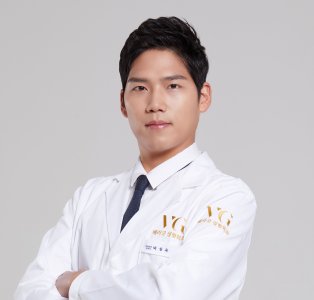
Dr. Park Sangwook is a board-certified plastic surgeon and the Director of VG Plastic Surgery in Seoul. He completed his residency at Seoul St. Mary’s Hospital. He specializes in rhinoplasty and facial contouring. The doctor previously served as a Director at DA Plastic Surgery Clinic.
Full member of the Korean Society for Aesthetic Plastic Surgery (KSAPS).
Belongs to the Korean Cleft Palate-Craniofacial Association.
Performs revision rhinoplasty, cheekbone reduction, and alarplasty.
Treats patients at VG Plastic Surgery, a KOIHA-accredited facility.
Video Stories from Bookimed Patients
Karen
I traveled from Chile to Korea for plastic surgery and I'm already in love with my new look.
By far the most attentive care I have EVER gotten in medicine—again, thanks especially to Joanne, who even walked me back to my hotel across the street post-op
One would fear that flying to a foreign country where you don’t know the language would be stressful and scary. Not only did the staff (Joanne <3!) make that all a cakewalk, the clinic’s aftercare was top notch, they really went above and beyond for me. And I am NOT an easy patient—I need to know every chemical in the anesthesia, I negotiate different antibiotics, make them go over my 21 daily supplements, etc—I kept them BUSY and was shown nothing but continual grace and warmth, and was always responded to promptly. By far the most attentive care I have EVER gotten in medicine—again, thanks especially to Joanne, who even walked me back to my hotel across the street post op. As for the surgery outcome, I didn’t even need a Tylenol it was that painless, I was able to walk around and enjoy Seoul every day after my mini lift, and although I’m still swollen at just under two weeks out, I already look ten years younger and am loving what I’m seeing. Dr. Park knows what he is doing, he’s done 3000+ facelifts (yes I asked), he has superb attention to detail, a true artist’s hand, and is a friendly and gentlemanly doctor!
About Bookimed service
Bookimed staff checked in on me several times via text ensuring that everything was going well with Saero, which it was.
My main concern was the surgeon's skill, but it was unfounded. The location is ideally placed in Seoul, with friendly, helpful, and kind staff. My surgeon was patient and experienced, performing a deep plane facelift on my full face and neck. So far, my recovery is going better than expected. I valued the post-op healing services like red light therapy and the optional HBOT treatments. The clinic provided a clear aftercare guide, stayed in touch, and has been consistently easy to reach.
Location is ideally placed in seoul.
Friendly helpful kind staff.
Patient gentle knowledge experienced surgeon.
Red light laser therapy postop healing service.
HBOT post op healing treatment option.
The experience for me, in general, was excellent, I would go back to the Dr
I was very pleased with the attention I received from the first day I arrived at the clinic. The interpreter was able to communicate perfectly to the surgeon what I wanted to be done and what my expectations were.
I loved the hospitality of the Medical Team, all very attentive, very concerned about whether I was feeling well or not, reminding me of my check-ups, cleaning, suture removal, giving me all the information for the post-operative period, giving me light and oxygen therapy sessions to improve and accelerate the results of my recovery. The clinic is located in a very central place in Gangnam, it is easy to get there. It is very close to the flat that the clinic provides during your stay until the first check-up. The clinic is spacious, well-lit, very clean, with flexible opening hours for post-operative care. The real estate is very comfortable, they have coffee and tea so that you can help yourself. And, they don't keep you waiting. Everything works as scheduled. And, additionally, they provided me with help on how to get around the city, how to get to the tourist attractions, to the shops where they sell skin care products, etc. The experience for me, in general, was excellent, I would go back to the Dr. and I recommend him 100% to those people who are looking for a good clinic where they can have surgery with the full confidence that everything will go very well.
About Bookimed service
Bookimed made it easy for me to have a person who speaks my language to assist me whenever I had questions about the different alternatives of plastic surgery clinics that I could ask to evaluate me and give me a quote. When I had already decided on the clinic I wanted to go to, the person who assisted me very kindly answered all the questions I had after I had made my choice. She sent me all the information I asked for about the clinic, the background of the Dr. who was going to operate on me, health permits, health registration of the Dr., validity of his professional title, etc. Everything I needed to make sure I made a very informed decision and knew everything about the clinic, the Dr, the place where I would be operated on, where the clinic was located, where I would be staying from the day of the surgery until a week later and, obviously, how much I was going to be charged.
There was only one difference with respect to the initial budget, but it was because once I was in the clinic I added a part of my face that had not been contemplated before. But even so, the final price did not increase too much compared to what I was charged at other clinics in South Korea.
Most of all, I just wanted to say that I recommend VG because of the wonderful consideration, kindness, and support that I received there
I would like to share my experience with BookiMed and their recommmendation, VG (Very Good) Plastic Surgery.
Doctor: Dr. Im Young Min
Procedures: Deep plane facelift, mid-face lift with fat graft, sub-brow lift, lower blepharoplasty
Referral: I had been wanting to get this surgery for quite a long time, but didn't know which clinic would be best, so I applied to Bookimed who gave me several quotes/recommendations based on my needs. I liked the procedures suggested by VG Plastic Surgery the best and I saw that they had good reviews online, so I set up a consultation.
Consultation: At the consultation, several photos were taken in order to analyze the surgery and what would work best for me. The doctor suggested a sub-brow lift for my sagging eyelid skin, a deep plane facelift and a midface lift to address the loss of volume and sagging along with a fat graft to restore the volume to my cheeks, and a lower blepharoplasty to address the hollowness under my eyes along with the malar edema. I worked with Smile, one of the consultants who was very helpful and went over everything with me including all of the options and prices. She was very professional but warm, which is one reason that I decided to go with VG over other clinics.
Pre-Surgery Check-up: A few days before my surgery, I went in for a checkup where they did a chest x-ray and a blood test to make sure my body was healthy enough for the surgery. I met with Dr. Im, my surgeon, to go over the plan for the surgery and make sure everything was in place. I met another consultant, Lily, who interpreted everything for me and made sure that everything was clear and comfortable for me.
Surgery: The day of surgery, I did an interview about the procedure and how I was feeling prior to the surgery as well as taking several "before" photos to use as comparison. I had also fasted for 8 hours (food and water). The surgery was very smooth, but I believe it lasted a long time- between 6-8 hours as there were many procedures being done. I had to have a breathing tube, which was quite uncomfortable for the first 12 hours after surgery, but I was glad that the doctors took every precaution. They also put in drains in my neck and inside my mouth to keep blood and fluid from pooling under my skin as well as a catheter.
Post-Surgery: After surgery, I was taken to a private room for recovery. I stayed in the room for about 24 hours and the nurses took very good care of me, coming in to replace the ice packs for my face, check on my catheter and incisions and just making sure I was comfortable. I was eventually able to have water, then some soy milk, and finally some porridge when I was ready. Lily and Smile checked on me several times to be sure everything was alright and to translate for me.
The next day before leaving the hospital, the bandages were removed and Dr. Im came in and checked on me to make sure that everything had gone well. Lily, Smile and another consultant, Jenny, were there to interpret and to make sure I was alright. They removed the catheter and cleaned the incisions, replacing them with clean bandages. I also did an oxygen treatment in a hyperbaric chamber, which was very relaxing. I took a taxi home with Smile's support.
Scary Moment: One thing that happened that was a bit scary for me was that I wasn't prepared for how much my eyes would swell up after the surgery. I felt like my bandages were bursting (and the nurse helped me to relieve some of the pressure) and when I looked at myself the day after the surgery, I wasn't prepared for what I saw. The veins in my eyes burst, making them completely red and my eyes swelled up so much I could barely see. This was scary for me as I had not seen this in any of the videos I had watched prior when doing my research. The staff assured me it was normal and that it would go back down, but I guess I'd say that for the first 2-3 days after the surgery, I was pretty worried that something was wrong. The ointment I was applying to keep the incisions clean also coated my eyes from time to time blurring my vision, which was scary, but the consultant assured me this was only because of the medication.
I went back to the clinic after 3 days for a check-up and to have my incisions cleaned and the blood drains emptied. Each time I visited the clinic, I was given an oxygen treatment and several photos were taken for documentation. After the swelling in my eyes went down, my recovery progressed quickly. I had more visits (at 7 days, 10 days, 14 days and then 3 weeks) to remove stitches and drains and to monitor my progress. At 7 days, I was given a complimentary hair wash as well, which was very relaxing and such a relief. I also wore a head brace/wrap to keep my face from moving around too much for about a month. I did take it off to sleep at times because it felt tight, but I tried to keep it on during the day for the most part.
Conclusion: I am now 5 months post-op, and I am very happy with my results. I feel that my concerns were addressed, and that I look younger and fresher, but still like myself, which was always the goal of this surgery for me. I feel a renewed vigor and like I look like the person I have always been, if that makes sense. I still have some puffiness under my eyes at times, especially when I have built up fluid retention or am very tired, and I am still working to find the cause/solution for this. I believe it is related to lymphatic drainage, so I understand that the surgery could not fully correct this issue, although I do feel like it is better than before.
Most of all, I just wanted to say that I recommend VG because of the wonderful consideration, kindness, and support that I received there. From the way that the consultants went out of their way to help and support me, not just through translation, but by encouraging me and helping me, to the care the nurses gave me, to the skill that Dr. Im and his staff in the operating room showed, I am very happy. The scars from my incisions are unnoticeable and will most likely become completely invisible with time, and I feel that my surgery goals were reached. A big thanks to VG Surgery and their staff.
I would also like to thank Bookimed for helping me to find this clinic and giving me the information I needed to make my decision.
The customer service and attention from the staff at VG was the best part of my experience. They were all very caring and attentive.
I would have liked to have more post-op consultation with the surgeon and to have been able to ask him more about my questions/concerns.
About Bookimed service
Bookimed was very prompt and responsive, giving me several choices and listening to my concerns and feelings about everything. They recommended several clinics and this gave me a lot of options to consider before making my decision. It's difficult to trust online reviews, so I really appreciated having another level of research before making a choice.
He did a good job on my surgery and I recommend him for anyone seeking plastic surgery in Korea
The beginning of surgery was tough, doing the upper and lower Blepharplasty with shots and some pain reliever in my IV and I needed something a little stronger but I understand how careful the Dr was because I was under full anesthesia the minute the eye surgeries were done. The results are looking amazing and the swelling decreased daily. I’m not sure what oral pain meds I was on after surgery but it was perfect for me because I don’t like to be on very many pain meds and when the meds ended it was the time I usually stop taking any pain meds. I’m pleased with the results I’m seeing so far and it’s only 3 weeks post-op. Lilith and the the girls were amazing, Lilith helped be to the hotel nearby after my 2 day stay at the surgical hospital and she helped me with exchanging my money to pay my hotel bill because my Credit Union was blocking my use of my credit card. I recommend anyone from outside of Korea to make sure they have an account with a larger bank before getting surgery in another country. I can’t say how much I needed and got reassurance from the staff with removal of my stitches and just how conscientious the staff was that I would be as comfortable as possible. Dr Kim Yong Woo always asked if I had any questions and spend the time before and after surgery to make sure all my questions were answered. He did a good job on my surgery and I recommend him for anyone seeking plastic surgery in Korea.
I liked the Bariatric chamber to lie in, It’s a little strange feeling but I could feel it affecting my swelling and it helped the edema and bruising to decrease quickly. Also the staff was so wonderful to help me through uncomfortable procedures of removing of my stitches.
I was a little skeptical about being moved right after surgery because I usually have vomited without an oral motion sickness pill but I don’t every remember being moved back to my bed in the hospital and had no nausea so I like the anti-motion sickness med that is given intravenously during surgery.
I don’t have an answer but I needed a stronger pain medication or more pain shots with the Blepharoplasty’s but I’m not sure what the answer is.
About Bookimed service
I talked more about the surgery than using Bookimed but I had a hard time at first using a third party to place a down payment on my surgery but when I looked online how that is the normal procedure for surgical procedures in another country I was assured and unfortunately my bank was making it hard for me because you need a larger bank than a credit union to help get legit payments through so I appreciate the staff at Bookimed being so patient with me because it took almost one week to get the down payment through.
Dr. Im is outstanding; he is not only an excellent surgeon but also a very kind and attentive physician. The staff is also very considerate and treats their patients with dedication and respect. I cannot say enough good things about this team!
About Bookimed service
Good experience, professional communication and responded in a timely manner
Bookimed were instrumental in my selecting RETURNING plastic Surgery for my procedures
Bookimed were instrumental in my selecting RETURNING plastic Surgery for my procedures. Communication was excellent throughout. I really appreciate Queens attention and assistance. Thank you
Dr Kim was very personable and showed great expertise individualizing a surgical plan to my needs. He did not suggest procedures that weren’t completely appropriate for my case and did an excellent job overall. It has only been 2 weeks, so too early to speak on outcomes, but I am confident the surgical plan will lead to my desired appearance. Dr Kim spoke some English, but the English translator was very good.
Long way to travel for surgery, but the lower cost was a good reason to do so.
My surgery got done very well. However it would have veen good if there were nurses and doctors could speak English. But i had a translator soo all good
Doctor was capable and experienced
Nothing
About Bookimed service
Bookimed.com was the bridge for me. Helpful and quick
I would recommend Doctor Im from VG Plastic Surgery to everyone
The surgeon is professional. The staff is kind and available.
It was a great experience. I would recommend Doctor Im from VG Plastic Surgery to everyone
A certified medical writer with 10+ years of experience, developed Bookimed’s trusted content, backed by a Master’s in Philology and medical expert interviews worldwide.
General practitioner. Winner of 4 scientific awards. Served in Western Asia. Former Team Leader of a medical team supporting Arabic-speaking patients. Now responsible for data processing and medical content accuracy.
This page may feature information relating to various medical conditions, treatments, and healthcare services available in different countries. Please be advised that the content is provided for informational purposes only and should not be construed as medical advice or guidance. Please consult with your doctor or a qualified medical professional before starting or changing medical treatment.
FAQ about Facial Fat Transfer in Republic of Korea
These FAQs come from real patients seeking medical assistance through Bookimed. Answers are given by experienced medical coordinators and trusted clinic representatives.
What exactly happens during a facial fat transfer procedure?
Facial fat transfer in the Republic of Korea involves harvesting your own fat via liposuction, purifying it through centrifugation, and precisely reinjecting it into facial areas. This autologous process restores natural volume to the cheeks, forehead, and under-eye hollows using advanced micro-layer techniques.
Fat harvesting: Surgeons extract fat from the abdomen or thighs using gentle, low-pressure tumescent liposuction.
Purification process: Harvested fat is spun in a centrifuge to isolate healthy, viable regenerative cells.
Injection technique: Doctors apply micro-droplets across multiple tissue layers to ensure a permanent blood supply.
Strategic overfilling: Practitioners typically overfill by 30% to account for some natural fat reabsorption.
Bookimed Expert Insight: Leading Seoul clinics like HERSHE Plastic Surgery often integrate patented stem cell technology into the purification phase. This specific approach aims for higher fat survival rates compared to standard grafting. Our data shows these specialized procedures maintain a 93% to 94% satisfaction rate for long-term facial rejuvenation.
Patient Consensus: Patients report that while the harvesting feels like pressure rather than pain, swelling usually peaks within 5 days. Most feel comfortable returning to work with makeup after 1 week as results begin to settle.
What risks or side effects should I expect after a facial fat transfer?
Facial fat transfer in the Republic of Korea typically involves temporary swelling, bruising, and a 30% to 50% fat resorption rate within six months. While serious risks like fat embolism or infection occur in fewer than 1% of cases, patients often require minor revisions to address natural volume loss or contour irregularities.
Initial recovery: Expect significant facial swelling and bruising peaking within 3 to 5 days post-op.
Fat survival: Between 40% and 70% of transferred fat may naturally reabsorb within one year.
Contour issues: Minor lumps, oil cysts, or facial asymmetry can occur if fat settles unevenly.
Donor site: Temporary numbness, soreness, or bruising typically affects the liposuction harvest area.
Bookimed Expert Insight: Korean clinics like HERSHE Plastic Surgery use patented stem cell technology to improve fat graft survival. Data shows these specialized `stem-cell enhanced` procedures often achieve more stable long-term volume than traditional grafting. This higher retention rate can reduce the need for the second or third `top-up` surgeries common in standard fat transfers.
Patient Consensus: Many patients describe looking like a chipmunk for the first 2-4 weeks due to intense swelling. They emphasize that while asymmetrical healing is stressful, final natural results usually require waiting 6 to 12 months.
How long do facial fat transfer results last and when are they final?
Facial fat transfer results are permanent once the injected fat establishes a blood supply, typically within 6 months. In the Republic of Korea, surgeons often use overcorrection techniques because the body naturally reabsorbs 30% to 50% of the transferred volume during the initial healing phase.
Final timeline: Results stabilize between 3 and 6 months after the initial swelling subsides completely.
Survival rate: Advanced Korean techniques like nanofat grafting typically achieve 50% to 80% long-term retention.
Longevity factors: Living fat cells remain indefinitely but fluctuate in size with future weight changes.
Technique variety: Providers like HERSHE Plastic Surgery Korea utilize stem cell-based methods to enhance vascularization.
Bookimed Expert Insight: While many global clinics suggest a 12-month wait for final results, data from 8,500+ Korean cases shows stabilization usually occurs by month 6. This faster timeline is attributed to high-density centrifugation and stem cell enrichment, which accelerate the integration of the fat into facial tissues.
Patient Consensus: Patients emphasize the importance of the internal overcorrection phase, noting that the face may look excessively full for the first 2 weeks before settling into a natural, youthful contour by the third month.
What is the expected recovery timeline for facial fat transfer?
Facial fat transfer recovery in South Korea typically follows a 7 to 14-day initial healing period, though final results stabilize after 3 to 6 months. Patients generally look normal within 2 to 4 weeks, with Korean clinics often recommending a 6-day local stay for post-operative monitoring.
Initial downtime: Plan for 1 to 2 weeks off work to manage peak swelling and bruising.
Social readiness: Most visible surgical signs resolve by day 14, allowing for makeup and social activities.
Physical activity: Resume light walking after 1 week, but avoid strenuous exercise for 4 to 6 weeks.
Final stabilization: Harvested fat establishes permanent blood supply within 3 to 6 months after initial absorption.
Bookimed Expert Insight: While many clinics market this as a no-downtime procedure, our data shows a trend where premium Seoul clinics like HERSHE use patented stem cell technology to improve fat graft survival. This advanced approach often leads to more stable long-term volume, potentially reducing the 30% to 50% reabsorption rate common in standard transfers. Choosing a clinic that schedules aggressive follow-ups at weeks 2, 4, and 8 is a key indicator of high-standard post-op care in Korea.
Patient Consensus: Patients often find the donor site from liposuction more sore than the face itself for the first 3 weeks. Many report that while the puffy phase around week 3 causes temporary anxiety, the results look natural and balanced by month 2.
What surgical techniques are used to improve fat survival in South Korea?
South Korean surgeons maximize fat survival using stem cell enrichment, Platelet-Rich Plasma (PRP) mixing, and multi-layer micro-droplet injection techniques. These methods achieve 60% to 80% retention by promoting angiogenesis and preventing fat necrosis through uniform distribution across 20+ tissue vectors.
Cell-assisted lipotransfer: Mixing concentrated adipose-derived stem cells with purified fat creates new blood vessels.
Nanofat processing: Emulsifying fat into particles under 1mm preserves regenerative cells for delicate areas.
Closed-system purification: Techniques like HarvestJet or 3,000 RPM centrifugation remove oil and blood impurities.
Micro-cannula injection: Surgeons use 27-30G needles to deliver tiny 0.01mL droplets, preventing clumping.
Bookimed Expert Insight: While many global clinics use basic centrifuges, top Seoul facilities like HERSHE Plastic Surgery Korea utilize patented growth factor technology derived from a patient's own stem cells. This shift from simple fat moving to `regenerative grafting` explains why experienced surgeons like Dr. Jung Young Choon can achieve natural volume that lasts significantly longer than traditional methods.
Patient Consensus: Patients report that while initial swelling is significant, choosing thigh fat over abdominal fat results in a smoother texture. Many emphasize that the painless aftercare and meticulous layering techniques made them look 10 years younger within 2 weeks.
Who is an ideal candidate for facial fat transfer?
Ideal candidates for facial fat transfer are healthy adults with visible volume loss in the cheeks, temples, or under-eyes and sufficient donor fat. In the Republic of Korea, specialists often use stem cell-enhanced techniques to improve the long-term survival of grafted tissue.
Donor availability: Must have harvestable fat from areas like the abdomen, flanks, or thighs.
Body composition: Patients with an average BMI between 20-25 typically provide higher quality fat.
Weight stability: Candidates should maintain a steady weight to prevent transferred cells from fluctuating.
Skin elasticity: Best for those with mild to moderate volume loss rather than severe sagging.
Bookimed Expert Insight: While many clinics claim high survival rates, our data shows that 50-70% fat retention is the realistic standard. To counter this, top Seoul surgeons like Jung Young Choon at HERSHE Plastic Surgery use patented stem cell technology. This approach often results in better tissue integration, potentially reducing the need for the second touch-up commonly required in traditional grafting.
Patient Consensus: Patients emphasize that while Korean clinics often market the procedure as having no downtime, most experience noticeable bruising for 2 to 4 weeks. Many suggest choosing surgeons with over 1,000 documented cases to ensure natural-looking facial symmetry.