44 people have requested a quote last month
Park Sangwook
Republic of Korea, Seoul
10 years of experience
Clinic is certified

Location: Republic of Korea, Seoul
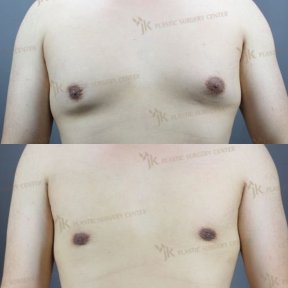
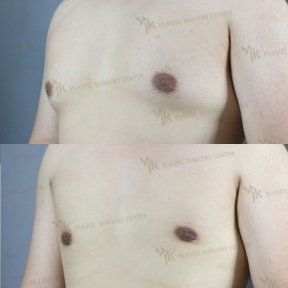
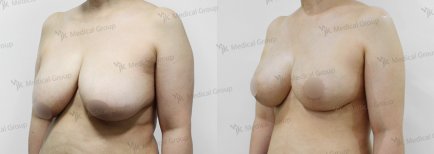
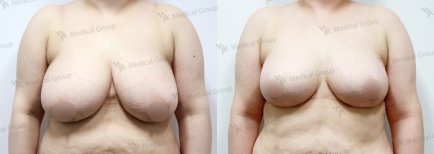
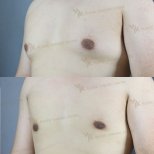
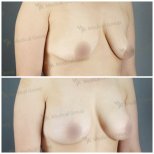
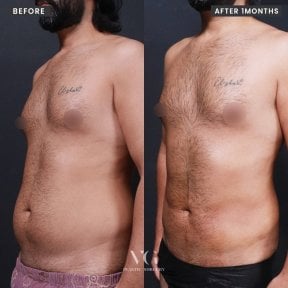
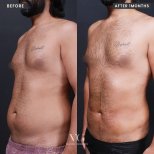
Board-certified plastic surgeon with specialized training in gynaecomastia correction at VG Plastic Surgery Clinic.
- Director of VG Plastic Surgery, a leading clinic in Korea
- Residency in Plastic and Reconstructive Surgery at Seoul St. Mary’s Hospital
- Member of multiple prestigious Korean plastic surgery societies
- Specializes in minimally invasive techniques for male breast reduction
Package price from
$4,780Package price from$4,780