




Hasan Sahin
Turkey, Istanbul
5.0 Excellent•1 review
20 years of experience
Clinic is certified


+3
Location: Turkey, Istanbul
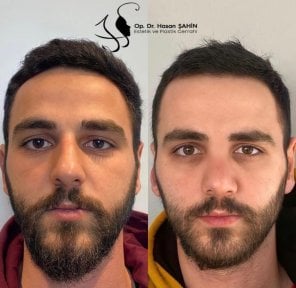
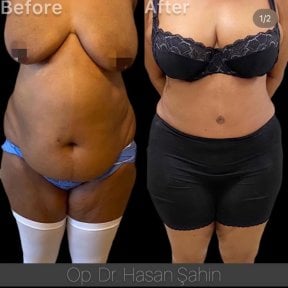
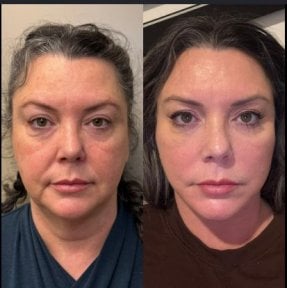
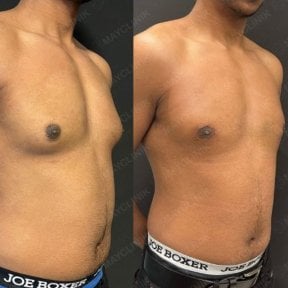
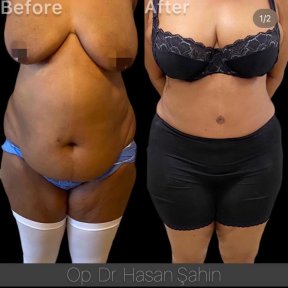
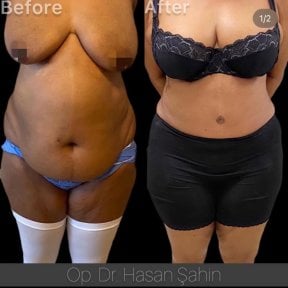
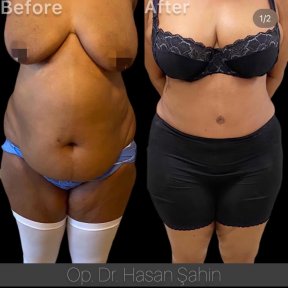
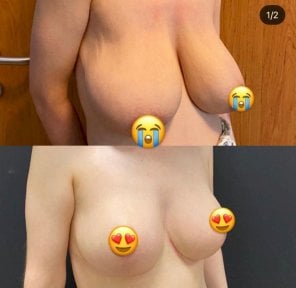
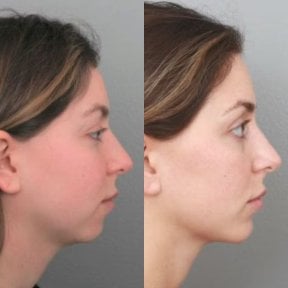
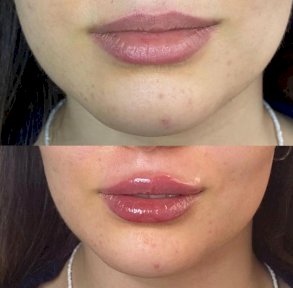
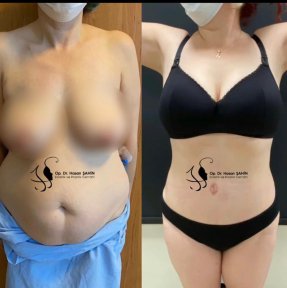
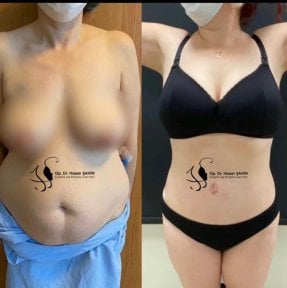
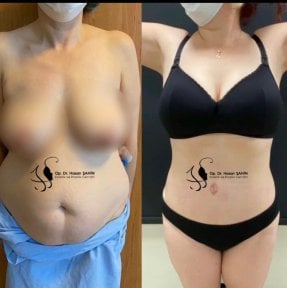
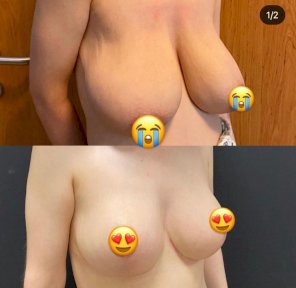
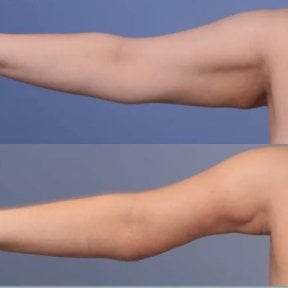
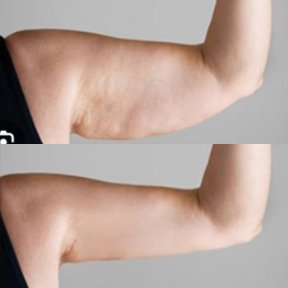
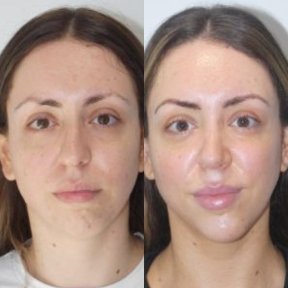
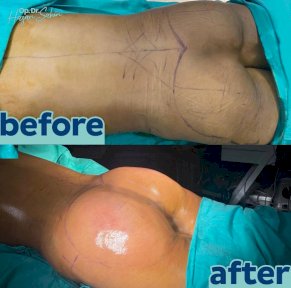
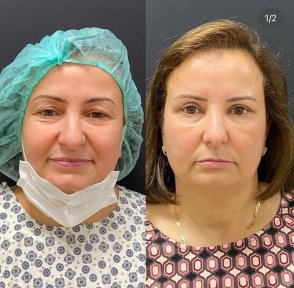
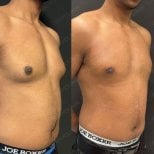
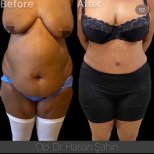
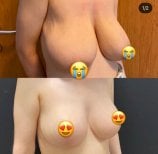
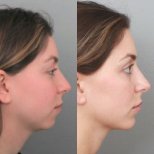
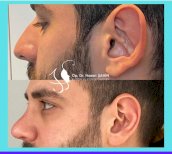
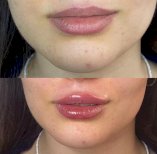
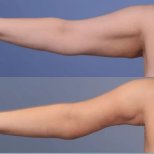
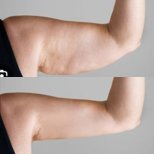
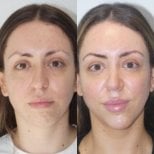
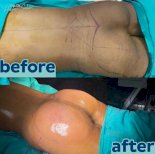
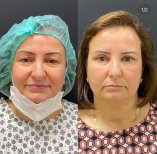
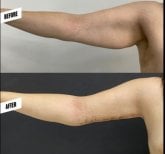
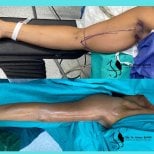
Dr. Hasan Sahin is a plastic surgeon at JCI-accredited Hisar Hospital Intercontinental in Istanbul. He has performed over 12,000 surgeries for more than 5,000 patients globally. Dr. Sahin is board-certified by the Turkish Society of Plastic Surgeons. He handles complex primary and secondary restorative procedures for the face and body.
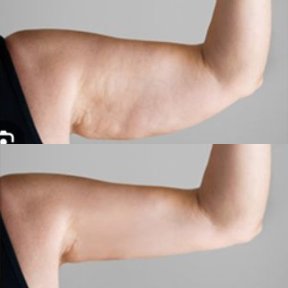
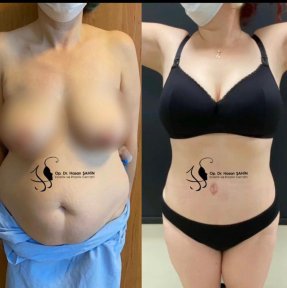
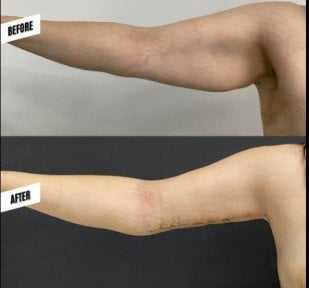
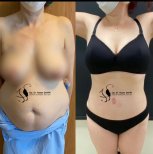
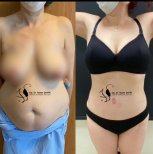
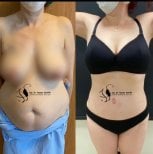
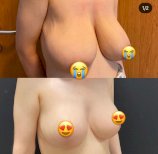
- Specializes in rhinoplasty, breast aesthetics, and body contouring.
- Expertise includes craniofacial surgery, hand surgery, and microsurgical procedures.
- Certified in flap dissection, wound healing, and microsurgery techniques.
- Offers consultative services for complex revision cases and functional nose procedures.
5.0 Excellent
1 review
Doctor's visit
Price on request
Doctor's visit
Price on request