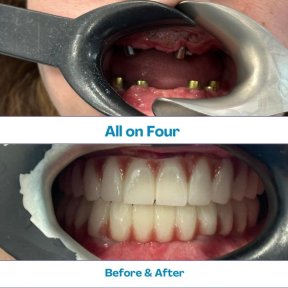
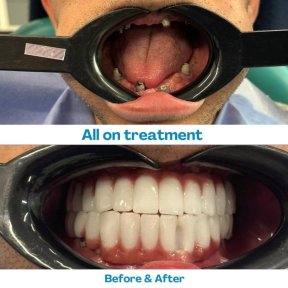
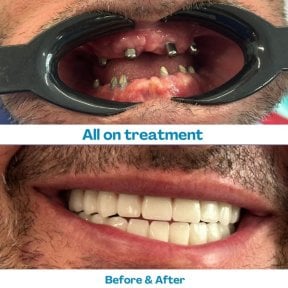
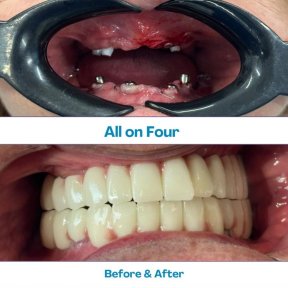
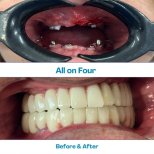
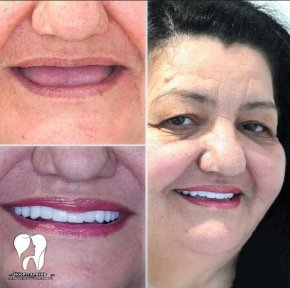
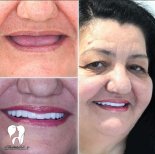
Consultations for zygomatic All-on-4 implants in Turkey involve detailed bone density mapping. Surgeons evaluate severe maxillary bone loss using advanced 3D imaging. They confirm if patients require cheekbone anchoring rather than standard implants. The process covers anesthesia safety, sinus health, and immediate loading protocols.
- Radiographic imaging: Doctors perform 3D CT scans to measure zygomatic bone density and volume.
- Bone loss assessment: Specialists determine if regular implants or zygomatic anchoring provide better stability.
- Anesthesia planning: Maxillofacial surgeons review sedation options, including IV sedation or general anesthesia.
- Logistics briefing: Bookimed coordinators manage travel timelines for scans, surgery, and follow-up visits.
Bookimed Expert Insight: Data shows that top Turkish specialists, such as Dr. Eren Pera and Professor Nejat Nizam, combine academic research with clinical practice. For instance, Professor Nizam has developed internationally used implant systems. Patients benefit from surgeons who have performed over 30,000 procedures, blending high volume with specialized university-level training.
Patient Consensus: Patients note that consultations feel personal and focused on their specific bone anatomy rather than a sales pitch. They often feel relieved when surgeons explain how zygomatic implants successfully avoid sinus complications. Many were surprised by the detailed item-by-item cost breakdown provided during the initial visit.