To homepage
4.6/5
TrustPilot

Best Infertility doctors in Seoul: TOP 6 doctors

Compare top Infertility doctors and prices in Republic of Korea. Find your best match here.

Get quotes from 3 top specialists in Republic of Korea

We'll hand-pick the best doctors based on your needs and budget.

Meet the experts behind this page

Top doctors

6

Republic of Korea

Reviews

14,000+

From real patients

Get free personalized treatment plans and choose the best option. No commitment · No payments for our services

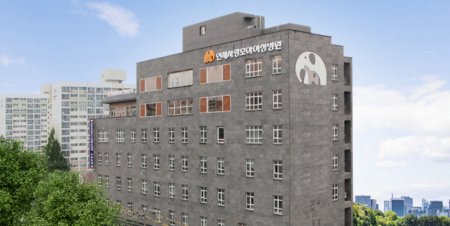
Yonseisarangmoa women disease hospital
An Jea Hyeong

An Jea Hyeong

27 years of experience
Clinic is certified
Best service for patients
Patient choice for robotic prostate surgery
Patient choice for Check-up
+1
Location: Republic of Korea, Seoul

Dr. An Jea Hyeong, an adjunct professor at Inje University Paik Hospital, specializes in infertility with extensive clinical and academic experience.

  • Over 27 years of experience in Obstetrics and Gynecology residency
  • Chief of Obstetrics and Gynecology at multiple hospitals
  • Active member of Korean Society of Fetal Medicine and Perinatology
  • Focused on patient-centered infertility treatments
Doctor's visit Price on request
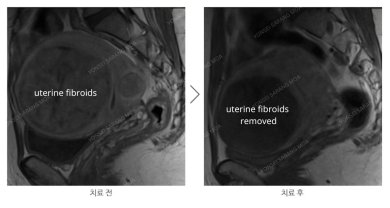
Before and after myomectomy with Da Vinci robot at Yonseisarangmoa women disease hospital results
Hong Jung Lee

Hong Jung Lee

27 years of experience
Clinic is certified
Best service for patients
Patient choice for robotic prostate surgery
Patient choice for Check-up
+1
Location: Republic of Korea, Seoul

Director of Yonsei Sarangmoa Women's Hospital – Dr. Lee brings academic and clinical expertise to infertility cases.

  • Graduated from Yonsei University College of Medicine
  • Adjunct Professor at two prestigious medical schools
  • Regular member of multiple Korean OB-GYN societies
  • Specializes in women's health with a focus on infertility
Doctor's visit Price on request
Yonseisarangmoa women disease hospital
Go Mi Hyang

Go Mi Hyang

25 years of experience
Clinic is certified
Best service for patients
Patient choice for robotic prostate surgery
Patient choice for Check-up
+1
Location: Republic of Korea, Seoul

Dr. Go Mi Hyang specializes in infertility treatments at Yonseisarangmoa Women's Disease Hospital, with a strong background in obstetrics and gynecology.

  • Graduated from Chungnam National University Graduate School of Medicine
  • Completed residency at Gachon University Gil Hospital
  • Regular member of the Korean Society of Obstetrics and Gynecology
  • Member of the Korean Society of Perinatology and Fetal Medicine
Doctor's visit Price on request
Yonseisarangmoa women disease hospital
Hong Ju

Hong Ju

25 years of experience
Clinic is certified
Best service for patients
Patient choice for robotic prostate surgery
Patient choice for Check-up
+1
Location: Republic of Korea, Seoul

Adjunct Professor at Yonsei University – Hong Ju co-directs Yonsei Sarangmoa Women's Hospital with deep expertise in women's health.

  • Graduated from Yonsei University College of Medicine
  • Vice Director of Obstetrics and Gynecology
  • Member of multiple Korean medical societies including Menopause and Urogynecological
  • Specializes in comprehensive women's health and infertility
Doctor's visit Price on request
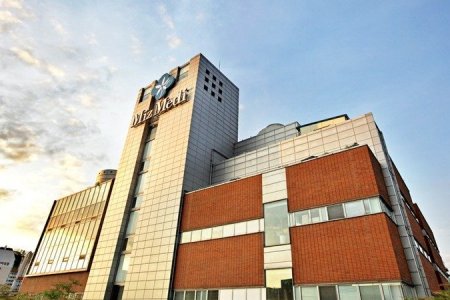
MizMedi Women`s hospital
Kwang Rae Kim

Kwang Rae Kim

Location: Republic of Korea, Seoul

Obstetrician-gynecologist

Doctor's visit Price on request
MizMedi Women`s hospital
 Na Young Kim

Na Young Kim

Location: Republic of Korea, Seoul
Doctor's visit Price on request

Choosing a clinic abroad can be stressful. At Bookimed, with over 800K patients helped, we understand your concerns. We know how to find trusted doctors, the best price-quality options, and solutions for even complex cases. We’re here to guide you every step of the way.

Yan Matsiivskiy

Head of Medical Coordinator Team

4300++ patient journeys guided

3 years at Bookimed

60 patients from South Korea have found their doctor through us this month

How you'll get your perfect doctor match

1

2 min Quiz

Tell us your goal, budget, timeline

2

Human Matching + AI

Our algorithm finds matches, coordinator verifies fit

3

Your Options Ready

Compare prices, packages, dates. Chat with your coordinator

Overwhelmed by choices?

Your personal Bookimed coordinator helps you find the perfect surgeon tailored to your needs

  • Supports you 24/7 at every stage
  • Helps match you with the doctor and handles all communication with clinics
  • Coordinates your travel, accommodation, and transfers

Guiding your treatment

Medically trained personal coordinators

Peguy Beaugris
Tetyana Hyrych
Zekra Eldeeb
Victoria Olayinka
Iryna Sydorchuk
Tetiana Ihnatiuk

Choosing the Right Doctor and Clinic: Insider Tips

When selecting a doctor or clinic, keep these key points in mind:
Check credentials
Verify certifications from bodies like ISAPS, JCI, or relevant medical boards
Review success rates
Choose doctors with solid experience and a proven track record in your specific treatment.
Read patient reviews
Browse Bookimed reviews from real patients to learn about their experiences.
Ensure effective communication
Pick clinics that offer language support for a smooth treatment process.
Ask about services
Confirm whether the price includes services such as accommodation, local transfers, and follow-up care to avoid hidden costs.

Bookimed Insights: Top Infertility Specialists in Republic of Korea (2026)

Bookimed has coordinated 28 requests for Infertility treatment in Republic of Korea, collaborating with 6 top-rated specialists. The doctors in this table are selected based on their international credentials, clinical expertise, and patient outcomes. The 2026 ranking is formed using verified data from actual patient cases and current programs from our partner clinics.
RankDoctorexperienceGood Fit ForWhat Sets Them ApartClinic & LocationConsultation
#127 years of experiencePersonalized infertility treatmentsAdjunct professor with clinical leadership roles, ensuring advanced, patient-focused infertility care. Member of multiple prestigious Korean medical societies.
Republic of Korea
Price on request
#227 years of experienceComplex infertility casesCombines academic roles at top medical schools with clinical leadership. Member of multiple OB-GYN societies focused on women's reproductive health.
Republic of Korea
Price on request
#325 years of experienceInfertility treatmentsSpecializes in infertility with a focus on obstetrics and gynecology. Member of multiple prestigious Korean medical societies.
Republic of Korea
Price on request
#425 years of experienceComprehensive infertility careCo-Director of a leading women's hospital with academic roles at Yonsei University. Active in multiple specialized Korean medical societies.
Republic of Korea
Price on request

FAQ

These FAQs come from real patients seeking medical assistance through Bookimed. Answers are given by experienced medical coordinators and trusted clinic representatives.

Do infertility doctors in South Korea speak English?

Infertility doctors in South Korea frequently speak English, especially at specialized centers and university hospitals in Seoul. Many specialists, such as Dr. Hong Ju at Yonseisarangmoa, hold adjunct professor roles at top universities where English medical literature is the standard. Professional coordinators and international departments bridge any remaining language gaps during the treatment process.

  • Academic training. Many specialists graduated from Yonsei University, where elite medical training often includes international research.
  • Bilingual leadership. Directors like Dr. Hong Jung Lee lead hospitals that specifically cater to international patient needs.
  • Integrated support. Clinics often provide dedicated translators to handle technical medical terms and daily logistics.
  • Specialized certifications. Experts like Dr. Woo Jung Choi hold US-based certifications, indicating high-level English proficiency.

Bookimed Expert Insight: While many doctors are fluent, some switch to English only after confirming a patient's preference. At centers like Yonseisarangmoa Women Disease Hospital or MizMedi, the presence of adjunct professors suggests a high level of academic English. Patients should rely on Bookimed to confirm which specific doctor at a clinic will lead their consultation in English.

Patient Consensus: Patients found that while staff might use basic English, specialists often communicate protocols clearly. They noted that coordinators are lifesavers for navigating complex IVF steps without needing an external translator.

How can I evaluate the success rates of infertility doctors in Korea?

Evaluate Korean infertility doctors by reviewing their clinical leadership roles and specialized health society memberships. Verified success metrics are filed through the Health Insurance Review and Assessment Service (HIRA). Look for doctors with adjunct professor status at top universities like Yonsei to ensure updated expertise.

  • Academic leadership. Specialists like Dr. Hong Ju serve as adjunct professors at prestigious university hospitals.
  • Specialized memberships. Top doctors belong to societies for reproductive medicine, fetal medicine, and perinatology.
  • Institutional volume. Leading centers like Samsung Medical Center perform 45,000+ procedures over 30+ years.
  • Custom protocols. Review whether the doctor offers personalized care for specific diagnoses like diminished ovarian reserve.

Bookimed Expert Insight: Success rates in Korea often vary by the specialist's medical school affiliation and leadership roles. Directors like Dr. Hong Jung Lee at Yonsei Sarangmoa hold adjunct professor posts at multiple medical schools. This indicates they teach the latest techniques, which likely results in more precise treatment plans than general practitioners.

Patient Consensus: Patients suggest asking doctors for the specific reason a cycle failed to judge their transparency. Real experiences show that getting second opinions helps identify which doctors ask more thorough, individual questions.

How many embryos do Korean infertility doctors prefer to transfer?

Infertility doctors in the Republic of Korea usually transfer one to two embryos per cycle. Professionals like Dr. Hong Jung Lee at Yonsei Sarangmoa Hospital follow strict age-based guidelines. These protocols aim to minimize multiple pregnancy risks while maximizing the chances of a healthy live birth.

  • Age under 35. Doctors typically transfer one blastocyst or up to two cleavage-stage embryos.
  • Age 35 and older. Specialists may transfer two blastocysts or up to three cleavage-stage embryos.
  • Blastocyst preference. Doctors favor day 5 embryos because they have higher implantation success rates.
  • Selective transfer. Many clinics now prioritize single-embryo transfer (SET) to avoid complications.

Bookimed Expert Insight: Leading specialists in Seoul, including those at MizMedi and Yonsei Sarangmoa, are moving toward elective single-embryo transfer. This shift is driven by advanced screening and a focus on long-term maternal health. Data shows that even when patients request multiple embryos, directors like Dr. Hong Ju often recommend single transfers if embryo quality is high.

Patient Consensus: Patients noticed that clinics often make single-embryo transfer the routine choice for first-timers. While some negotiated for two embryos after multiple losses, many felt the conservative approach reduced physical stress. They appreciated that this method led to fewer complications during pregnancy.

Can I consult a Korean Medicine (KM) doctor for infertility while in Korea?

You can consult a Korean Medicine (KM) doctor for infertility in Korea. South Korea uses a dual medical system. Both conventional and traditional KM treatments are legally recognized. Specialists like Dr. Woo Jung Choi provide holistic care for local and international patients.

  • Holistic approach. Doctors use pulse diagnosis to create custom herbal teas for hormonal balance.
  • Dual system. Integrated centers allow KM specialists and conventional gynecologists to collaborate on cases.
  • Specialized techniques. Treatments include acupuncture and moxibustion, which is heat therapy for uterine circulation.
  • Professional certification. Qualified KM doctors are members of the Society of Obstetrics and Gynecology of Korean Medicine.

Bookimed Expert Insight: Patients found that starting KM treatments earlier in their journey provided better results. One non-obvious pattern from specialist profiles like Dr. Woo Jung Choi is the focus on mind-body healing. Combining traditional diagnostics with modern tools like ultrasound creates a more precise treatment plan for complex infertility.

Patient Consensus: Patients noticed that weekly acupuncture sessions helped regulate their cycles within two months after failed IVF rounds. Many found that custom herbal protocols improved uterine lining thickness during their stay in Seoul.

Will the same infertility doctor be present at every visit and procedure?

In Korean fertility clinics, your primary doctor rarely oversees every visit or procedure personally. While a lead specialist like Dr. Hong Ju at Yonseisarangmoa Women Disease Hospital manages your plan, residents or nurses often handle routine monitoring and injections to maintain clinic efficiency.

  • Routine monitoring. Dedicated nurses or technicians typically perform daily blood work and ultrasound scans.
  • Major procedures. Specialists or scheduled on-call doctors usually perform egg retrievals and embryo transfers.
  • Team-based care. Large clinics use a team approach where several doctors review your charts daily.
  • Doctor availability. Lead doctors often focus on complex consultations rather than performing every ultrasound.

Bookimed Expert Insight: Data shows that choosing a doctor with high-level administrative roles, such as Dr. An Jea Hyeong who served as Chief of Obstetrics at multiple hospitals, often means they manage a larger clinical team. These specialists focus on high-level strategy, while a rotation of qualified residents handles the standard daily monitoring steps.

Patient Consensus: Patients noted that lead doctors often only appear for the final transfer, while trainees handle earlier steps. Many recommend confirming the team structure early so you do not feel like just another case in line.

Do infertility specialists in Korea require both partners to attend every consultation?

Infertility specialists in Korea do not require both partners at every visit, but joint attendance is essential for initial consultations and key milestones. Centers like MizMedi Women`s Hospital prioritize seeing both partners first to evaluate medical histories and perform essential tests like semen analysis.

  • Initial consultation. Specialists require both partners to attend for a complete reproductive health assessment.
  • Semen analysis. Male partners must attend specific appointments for diagnostic testing and sperm collection.
  • Decision milestones. Joint presence is mandatory for embryo transfer discussions and signing legal consent forms.
  • Follow-up flexibility. Individual appointments are common for routine ultrasounds, blood work, or medication adjustments.

Bookimed Expert Insight: Specialists like Dr. Hong Jung Lee at Yonsei Sarangmoa Women’s Hospital use advanced robotic systems, making them an excellent choice for complex infertility caused by structural issues like fibroids. Choosing a director-level specialist who is also an adjunct professor ensures your treatment follows the latest academic research and clinical protocols.

Patient Consensus: Patients find that clinics provide helpful text reminders specifying exactly when both partners must be present. While egg retrieval prep is usually handled individually, couples appreciated the shared emotional support during the crucial embryo transfer discussions.