Pancreatic cancer surgery in Italy — get 3 personalized clinic matches

Medically reviewed by
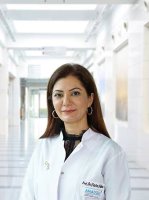
Yesim Yildirim
How it works
How Much Does Pancreatic cancer surgery Cost in Italy?
Pancreatic cancer surgery in Italy typically costs from $28,000 to $42,000. The total price depends on the surgical technique, the tumor location, and the selected medical center. Patients save around 68% compared to the US, where this procedure costs $110,000 on average. This usually covers the surgical intervention, anesthesia, and a standard hospital stay in major hubs like Milan or Rome.
- Whipple surgery: $35,000 to $55,000 for complex head-of-pancreas resections.
- Distal Pancreatectomy: $18,500 to $28,500 for tumors located in the tail or body.
- Enucleation of tumor on pancreas: $9,500 to $14,500 for smaller, localized lesions.
- Robotic-assisted surgery: Typically adds a 20-30% premium due to specialized equipment like the Da Vinci system.
Bookimed Expert Insight: Choosing high-volume research hospitals in Milan provides access to elite surgical expertise at competitive rates. For example, San Raffaele is an accredited IRCCS facility that performs over 50,000 annual operations. Surgeons like Dr. Massimo Falconi have performed over 3,600 pancreatic procedures. This high volume ensures mastery of complex resections while maintaining standard European pricing for major oncological interventions.
| Italy | Turkey | Austria | |
|---|---|---|---|
| Pancreatic cancer surgery | ≈ $28,000 | from $10,000 | ≈ $28,000 |
| Whipple surgery | ≈ $35,000 | from $10,000 | ≈ $28,000 |
| Enucleation of tumor on pancreas | ≈ $9,500 | from $10,000 | ≈ $17,500 |
| Distal Pancreatectomy | ≈ $18,500 | from $13,000 | ≈ $21,000 |
Discover the Best Pancreatic cancer surgery Clinics in Italy: 3 Verified Options and Prices








Pancreatic cancer surgery Overview in Italy
Day 1 - Arrival
- Arrive at the hospital for admission.
- Complete necessary paperwork and registration.
Day 2 - Pre-Operation
- Consultation with a surgical oncologist.
- Consultation with an anesthesiologist.
- Pre-operative tests include blood tests, chest X-Ray, and ECG.
- Additional tests might involve MRI or CT scan if needed.
Day 3 - Pancreatic Cancer Surgery
- The procedure starts early in the morning.
- You will be sedated using general anesthesia.
- The surgery might last between 2 to 6 hours.
- Post-surgery, you will be moved to the recovery room.
Day 4 to 7 - Post-Operation
- You will be monitored in the Intensive Care Unit (ICU).
- Pain management and wound care will be provided.
- Nutrition advice will be given by a dietitian.
Week 1 to 3 - Rehabilitation
- Physical therapy will begin in the first week.
- Light activities can be resumed by the second week.
- A follow-up appointment with the surgeon in the third week.
Week 4 to 6 - Return to Normal Activities
- Gradual return to work is possible by the fifth week.
- A return to sports or strenuous activities by the sixth week.
- Complete recovery and final results may take several months.
Please note that each patient"s experience with pancreatic cancer surgery may vary based on their individual health condition and the complexity of the surgery. Always follow the advice of your healthcare provider.
- Bookimed deposit: $200 or €200.
- Clinic deposit: Pay a set percentage in advance.
Our Doctors
View all Doctors
Massimo Falconi
Over 3,600 pancreatic surgeries performed – Professor Falconi specializes in organ-preserving techniques at Ospedale San Raffaele.
- of experience in gastrointestinal oncology
- Director of Pancreatic Surgery at IRCCS Ospedale San Raffaele
- Trained at leading international hospitals in Japan, Spain, Germany, and Sweden
- Published 330+ articles on pancreatic treatment
- Active member of 5 major pancreatic and oncological societies

Riccardo Rosati
Head of Gastrointestinal Surgery at San Raffaele – leads one of Italy's most recognized High Volume Centers for esophageal surgery.
- Over 2,000 surgical cases per year in his department
- Specializes in minimally invasive and open surgery of the digestive tract
- Published over 300 scientific papers
- Member of multiple prestigious surgical societies including The American College of Surgeons

Michele Reni
Professor Michele Reni leads the Pancreas Center at San Raffaele – a top expert in pancreatic cancer with 38 years of experience.
- Coordinates national AIOM guidelines for pancreatic cancer treatment
- Published 180+ research papers on cancer therapies
- Chairs multiple clinical trials for metastatic pancreatic cancer
- Specializes in pancreatic adenocarcinoma and complex cases

Luigi Masoni
Dr. Luigi Masoni is a general surgeon at Ospedale San Carlo di Nancy in Rome. He specializes in oncological surgery and minimally invasive colorectal procedures. Dr. Masoni created a new laparoscopic bilio-intestinal bypass technique. He also developed a three-trocar method for total proctocolectomy.
- Specialized in colorectal surgery at Thomas Jefferson University Hospital in the USA.
- Treats pelvic floor disorders and colorectal cancer using minimally invasive techniques.
- Former lecturer and scientific council member at the University of Rome La Sapienza.
- Works at a hospital accredited by the Italian National Health Service.
Video Stories from Bookimed Patients
Reviews about Bookimed: Discover Patients' Insights
All reviews


Share this content
 Anna Leonova
Our Pancreatic cancer surgery Techniques: What Suits You Best?
When considering Pancreatic cancer surgery, it’s important to understand the different techniques and which is best suited for you. Here’s a concise comparison of popular options:

Whipple surgery
Whipple surgery, also known as pancreaticoduodenectomy, is a complex procedure that removes parts of the pancreas, small intestine, and bile duct to treat pancreatic cancer.
Distal Pancreatectomy
A surgical procedure involving the removal of the body and tail of the pancreas, often performed to treat pancreatic tumors.
FAQ about Pancreatic cancer surgery in Italy
How safe is pancreatic cancer surgery in Italy?
Pancreatic cancer surgery in Italy is highly safe when performed at high-volume centers like San Raffaele. These specialized facilities maintain mortality rates below 5% for complex Whipple procedures. Surgeons like Professor Massimo Falconi have performed over 3,600 surgeries, ensuring expertise levels far exceeding standard national requirements.
- Mortality rates: Top centers maintain rates under 3.8% compared to 11.7% in low-volume facilities.
- Specialized units: Accredited Pancreas Units must keep 90-day mortality below 10% for national certification.
- Surgeon volume: Experts like Professor Massimo Falconi specialize in complex organ-preserving and resection techniques.
- Facility volume: High-volume hospitals perform over 20 Whipple procedures annually to ensure peak safety.
Bookimed Expert Insight: Quality varies significantly by region, as evidenced by 40% of Southern Italian patients traveling to Milan for care. San Raffaele performs over 52,000 operations annually, providing a volume-driven safety buffer that smaller regional clinics cannot match. Choosing a center with IRCCS research designation ensures access to the latest clinical trial protocols.
Patient Consensus: Patients emphasize that surgeon volume matters more than the country itself. Successful outcomes often depend on asking surgeons directly about their personal 90-day mortality and fistula rates before booking.
What qualifications should the surgeon have?
Surgeons performing pancreatic cancer surgery in Italy should be board-certified in general surgery with a subspecialty in gastroenterology or digestive endoscopy. Top-tier specialists often hold IRCCS accreditation from the Italian Ministry of Health and possess international fellowships from prestigious medical institutions.
- Specialized board certification: Requires a medical degree and 5–7 years of oncology or gastrointestinal residency.
- Clinical experience: Leading Italian surgeons often perform over 2,000 surgical cases annually for safety.
- Advanced credentials: Look for titles like Professor or Director at JCI-accredited research hospitals.
- International training: Top experts often complete fellowships in Sweden, Germany, or the United States.
Bookimed Expert Insight: Italian surgical expertise in pancreatic care is highly centralized in Milan. Professor Massimo Falconi at San Raffaele has performed over 3,600 surgeries personally. Choosing a Director-level surgeon at a specialized Pancreas Center ensures access to multidisciplinary teams and organ-preserving techniques. These specialized centers report significantly higher patient volumes which directly correlates with better surgical precision.
What are the main surgical options available in Italy for pancreatic cancer?
Surgical options for pancreatic cancer in Italy include the Whipple procedure, distal pancreatectomy, and organ-preserving techniques like central pancreatectomy. High-volume centers in Milan and Rome utilize robotic-assisted systems and minimally invasive laparoscopic approaches to treat localized and metastatic tumors effectively.
- Whipple procedure: Removes the pancreatic head, duodenum, and gallbladder for head-located tumors.
- Distal pancreatectomy: Targets tumors in the pancreatic body or tail, often including splenectomy.
- Robotic surgery: Advanced centers use da Vinci systems for enhanced surgical precision and visualization.
- Total pancreatectomy: Complete organ removal performed when cancer is widespread throughout the pancreas.
Bookimed Expert Insight: Milan serves as Italy's primary hub for complex pancreatic cases. Professor Massimo Falconi at San Raffaele has performed over 3,600 surgeries personally. His department manages approximately 2,000 cases annually. This massive volume often correlates with higher success rates in organ-preserving resections.
How long is recovery and when can I fly home?
Patients undergoing pancreatic cancer surgery in Italy can typically fly home within 10 to 21 days. Recovery depends on the surgical approach, with minimally invasive techniques allowing earlier discharge while complex procedures like the Whipple surgery require longer hospital monitoring for internal healing.
- Travel window: Most major abdominal surgery patients receive flight clearance 1.5 to 3 weeks post-operation.
- Hospital stay: Expect 7 to 14 days of inpatient care at facilities like San Raffaele.
- Activity level: Return to light daily activities occurs within 3 to 4 weeks after discharge.
- Fit-to-fly letter: Surgeons must provide written medical clearance to satisfy airline safety and insurance protocols.
Bookimed Expert Insight: Milan centers like San Raffaele perform over 8,400 operations annually, often using organ-preserving techniques. Patients choosing minimally invasive resections often stabilize faster, potentially reducing the pre-flight wait by 4 days compared to traditional open surgery. Always confirm with specialized oncologists like Prof. Massimo Falconi before booking return flights.
Patient Consensus: Patients emphasize that physical fatigue is significant immediately after discharge and strongly recommend requesting airport wheelchair assistance. Most feel comfortable traveling once surgical drains are removed and they can walk short distances without pain medication.
Am I a good candidate for surgery in Italy?
You are a good candidate for pancreatic cancer surgery in Italy if you have a localized tumor, sufficient physical fitness, and seek high-volume care. Specialized centers like San Raffaele in Milan offer advanced techniques, including Whipple surgery and organ-preserving resections by world-leading oncological surgeons.
- Medical eligibility: You need resectable or borderline resectable tumors without distant metastasis.
- Physical requirements: Candidates must have good nutritional status and manageable cardiovascular health.
- Surgical expertise: Leading clinics perform over 2,000 gastrointestinal surgeries annually for high success.
- Financial access: Private procedures cost $28,000 to $42,000 for non-residents.
Bookimed Expert Insight: Data shows that Milan is the powerhouse for complex oncology. San Raffaele alone serves 300,000 patients yearly with 350 specialized doctors. Choosing a high-volume center here is vital, as experienced surgeons like Professor Massimo Falconi have performed over 3,600 pancreatic procedures. This volume significantly improves survival rates compared to smaller regional hospitals.
Patient Consensus: Success often depends on pre-surgery fitness and addressing malnutrition or low albumin early. Many patients emphasize checking a surgeon's specific volume of Whipple procedures before committing to travel.
Which cities or hospitals are best known for pancreatic cancer surgery?
Milan and Rome are the primary Italian hubs for pancreatic cancer surgery, centered around high-volume IRCCS research hospitals. San Raffaele Research Hospital in Milan is particularly prominent, featuring a specialized Pancreas Center that performs complex Whipple procedures and organ-preserving resections with high clinical success rates.
- Top medical hub: Milan hosts the highest concentration of specialized IRCCS-accredited pancreatic research centers.
- Leading institution: San Raffaele Research Hospital performs over 52,000 annual operations with multidisciplinary oncology teams.
- Surgical expertise: Professor Massimo Falconi in Milan has performed over 3,600 pancreatic and gastrointestinal procedures.
- Specialized technology: Centers in Rome and Milan utilize Da Vinci robotic systems for minimally invasive resections.
Bookimed Expert Insight: Italian pancreatic surgery centers prioritize a Research Hospital (IRCCS) designation. San Raffaele alone contributes to over 330 published articles on pancreatic health. This research-heavy approach means patients often access the latest clinical trials and organ-preserving techniques not yet standardized in smaller, non-teaching facilities.
Patient Consensus: Patients value the multidisciplinary care in Milan, where surgeons and oncologists coordinate directly. The proximity of Roman clinics to international travel hubs also makes high-end robotic surgery more accessible for those traveling from abroad.
Will I have visible scars after laparoscopic or robotic pancreatic surgery?
Laparoscopic and robotic pancreatic surgery in Italy produce 4 to 6 small, localized scars measuring only 0.5 to 1.5 cm. These minimally invasive techniques result in significantly less visible marking than traditional open surgery. Most patients see these marks fade into thin white lines within 12 months.
- Incision size: Usually 4 to 6 ports between 5 mm and 12 mm wide.
- Extraction site: One larger 5 to 8 cm incision for removing the resected tissue.
- Strategic placement: Surgeons often utilize the navel to hide the largest extraction scar effectively.
- Healing timeline: Initial red marks typically flatten and lighten significantly within 6 to 12 months.
Bookimed Expert Insight: Choosing high-volume centers like San Raffaele in Milan offers a major cosmetic advantage. Surgeons there, such as Dr. Massimo Falconi who has performed 3,600+ operations, specialize in pancreas-preserving techniques. This refined expertise significantly reduces the risk of converting to open surgery, which would otherwise leave a much larger midline scar.
Patient Consensus: Patients describe robotic surgery marks as tiny dots or keyholes rather than a large cut. Many feel confident wearing swimwear after one year as the lines become nearly invisible against the skin.