Dental Crowns in Mexico: Brief Information about Dental Procedure Steps, Costs, and Benefits
Each year, Mexico attracts approximately 1.2 million medical tourists, with Bookimed data showing around 10,600 dental crown procedure requests. Mexico has plenty of benefits for medical tourists, including excellent values for dental services, accommodation, food, and entertainment. Сhoosing Mexico for dental treatment, patients unite their medical care with a journey to a country with warm climate and ancient sites.
Here is a brief guide with answers to the most popular questions about this procedure in Mexico — what is a crown itself and what the treatment looks like, which crown materials are the most reliable, how to find a trusted clinic, how much it will cost, and more.
What Is a Dental Crown?
A crown or cap is a medical solution for a damaged or missing tooth, which helps return chewing abilities and aesthetic appearance of your teeth. The procedure includes an appointment and visit to the dental office, where a local dentist will examine the patient's mouth and make a conclusion on dental treatments.
Treatment may contain:
- root canal therapy;
- dental filling;
- installation of a dental bridge or tooth crown;
- dental bone grafts;
- jaw surgery.
All these up-to-date methods and techniques are available in Mexico.
Modern crown placement utilizes advanced CAD/CAM technology, allowing for precise digital impressions and same-day crown fabrication in many cases. Mexican dental clinics commonly use high-quality materials including IPS e.max lithium disilicate, full zirconia, and porcelain-fused-to-metal systems that meet ISO 9001 standards.
What Are the Types of Dental Crowns?
Crowns are made of a wide variety of materials which determines their appearance, stability, lifespan, and costs. Thus, there are porcelain crowns, gold crowns, CEREC crowns, porcelain fused to metal crowns (PFM crowns), zirconia crowns, etc.
How can you determine which type is most suitable for you? Explore all options available in Mexican clinics with different characteristics, namely:
- All porcelain crown. This type is an optimal choice for restoration of front teeth since this kind looks like natural teeth. All porcelain crowns, also called all ceramic, have a higher price than metal ones or porcelain fused to metal options, but they are alloy-free and allergen-free. This is crucial for patients who are sensitive to alloys and may have side reactions. Such crowns are not recommended for back teeth restoration as they may be damaged due to higher bite strength.
- Metal crown. These are made of steel or other alloys, giving them extraordinary strength. This type has the most affordable cost and may last a lifetime. Despite their lasting nature, metal crowns cannot match the color of natural teeth and therefore are typically used to restore posterior teeth.
- Porcelain fused to metal crown (PFT). This is a combination of two types mentioned earlier — a crown with metal inner ability and porcelain (ceramic) outfit. Thus, combining the strength of metal crowns and highly-aesthetic appeal of porcelain options. This type has a more reasonable cost than porcelain crowns but has the same visual characteristics and longevity. However, it should be considered that the inner metal part of PFT crowns may be visible, affecting your smile and self-confidence.
- Zirconia crown. Zirconia crowns are the most acceptable alternative to porcelain fused to metal options. They also give patients teeth that are similar to natural ones. One prominent advantage of this type is the possibility of one-day installation. Mexico's dentists provide this kind of treatment, arranging root canal therapy and other dental work at the in-house dental lab during one visit. The fact of short procedure term and natural appeal make such crowns more preferable for patients, despite the price that may be higher compared to other types.
- Gold crown. Such metal crowns are made entirely of gold or gold alloy. This is considered the most long-lasting solution to restore teeth, which withstands heavy pressure while patients chew and thus has the most substantial protection from cracking. The cost of such a crown is more expensive than ceramic or metal ones since it is made of more valuable material.
Why Would I Need Dental Crowns?
The easiest way to decide whether you need dental crowns is to take a consultation with a dentist. The simple answer is the following:
- if your natural teeth have dental issues like a small cavity, you need a filling;
- if you have damaged most parts of your tooth, missing teeth, or several teeth, this is when a crown is a must.
Clinical studies demonstrate that dental crowns are highly successful long-term solutions. According to a comprehensive clinical study of over 1,000 crowns, survival rates reach 89.9% at 5 years and 80.9% at 10 years. The main reasons for crown failure include loss of retention, tooth loss, and fracture, but these complications affect fewer than 20% of patients over a 10-year period.
Patients must discuss all concerns about crowns and their installation before the procedure at dental offices. The dentist will examine your mouth and give a recommendation on the dental process and the type of crown that will suit you most.
Considering all the dentist's recommendations, the patient makes their own decision. Therefore, be aware of circumstances when it is better to choose this treatment:
- Extensive decay is one of the reasons a crown must be placed on your tooth to protect it from complete damage. A filling may not cope with the problem.
- If the natural tooth is cracked, this is an indication for installing a crown. The filling won't save it, and you may have more significant dental issues in the future.
- You have a dental bridge, and a tooth crown will help to hold it.
- Dental implants must be covered by tooth crowns. A constant crown must be placed within the implant installation process.
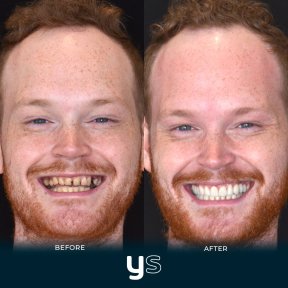
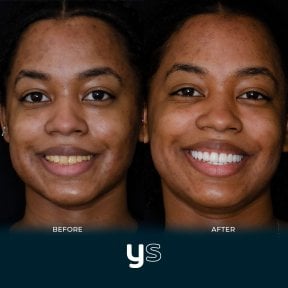
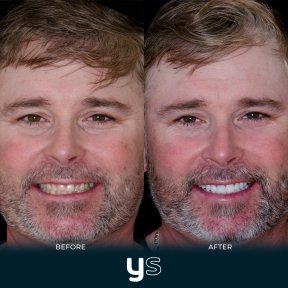
- Problems with bite or aesthetic issues also may be solved with the help of crowns. You can choose a natural-looking crown that will serve you as your own tooth and look the same or even better.
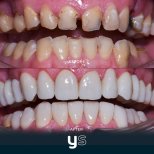
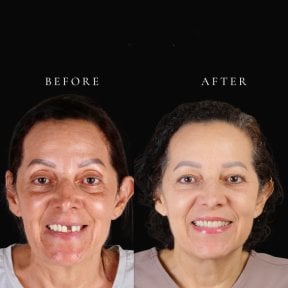
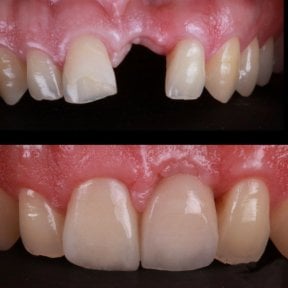
In these cases, crowns will be the most reliable and straightforward solution to protect your teeth while restoring their structure and enhancing their appearance. This treatment also fixes problems such as discoloration or tooth shape changes.
Is It Safe to Get Crowns in Mexico?
Yes, it is safe if you choose an accredited, verified dental clinic through Bookimed's network. Mexico is a leading destination for medical tourism. The outstanding points are superior quality of services, cultural specifics, and affordable rates. Dental crown prices in Mexico range from $500–$900 USD, representing significant savings compared to US prices of $1,800–$3,000 USD. Market research shows Mexico represented 3.6% of the global dental tourism market in 2024, with the sector expected to grow at 19.5% annually through 2033, indicating strong industry growth and patient confidence.
A patient from Ukraine shared their experience at Dentavida Clinic: "We are very satisfied with the quality of work, the professionalism of Dr. Alberto." (Bookimed verified review)
Is cost the reason why people prefer to go to Mexico for dental work? Affordable crowns are only one benefit of crown installation procedures in Mexico. But there are other reasons you should consider Mexico for full mouth restoration:
- Top dental clinics. According to Bookimed, there are 5+ dental clinics in Mexico providing the full range of major dental work. This includes dental or metal bridge installation, dental implants, treatment of root canal, teeth whitening, front teeth restoration, wisdom teeth extraction, periodontal disease treatment, crowns of all types, etc. Mexican medical centers are equipped with high-end machinery and apply the world's best practices to provide excellent services. Moreover, all these services are available in one center. So there is no need to visit other dental clinics — all procedures will be accomplished in one place and even on the same day.
- Certified personnel. Certified personnel includes specialists like Dr. Samuel Guevara Gomez at RO Dental Clinic, Dr. Jose Javier Pena Peniche, and Dr. Andy Gerardo Jimenez Lopez at YeahSmile. They are recognized by leading dental authorities and verified through Bookimed's quality assessment. Mexican dentists are members of the American Dental Association and undergo certification training.
- Top-ranked materials and innovation. All stages of dental procedure in Mexico — examination, treatment, follow-up — involve the latest technologies. Digital x-ray and CT scanners, piezoelectric surgical scalpels, and more. Most Mexican clinics are equipped with the CEREC crown system (Chairside Economical Restoration of Esthetic Ceramics), which makes it possible to install CEREC crowns with ease and comfort for the patient. This gives the advantage of same-day crowns without the need for temporary crown installation and waiting for tooth reshaping in the lab.
You can submit a request on the Bookimed website, and our coordinator will contact you to help find the modern medical clinic in Mexico with the highest rate of feedback from verified patients. We will also assist you in arranging the medical trip to Mexico from the appointment at the clinic to the return home.
How Long Does It Take to Get a Crown in Mexico?
Before scheduling the visit to Mexico for the crown procedure, clarify how much time the clinic needs to improve your smile and put the crown in place. This timeline may vary from clinic to clinic and depends on the dentist's qualification and the type of crown you choose to install.
According to American Dental Association guidelines, permanent crown fabrication typically takes up to 2 weeks, during which the patient wears temporary crowns.
Normally, the procedure in Mexico takes 2 visits to the dental clinic:
- Tooth treatment and preparation. It takes about an hour to finish this stage and make all necessary operations. The dentist may remove the old filling or treat the decay to prepare the tooth for the crown. Then, your doctor will make the crown impression, and you will get the temporary crown till the next visit.
- Crown preparation. The permanent crown will be made at the dental laboratory while you have a temporary crown that protects your tooth. This may take from 2 days to two weeks. As mentioned above, some of the best dental clinics in Mexico have special equipment which helps to skip this step (waiting for final crown creation in the lab). The permanent crown may be made during the first visit to the dentist. This makes it possible to shorten the period of installation and save your time.
- Permanent crown placement. The last stage is the final installation of a permanent crown, replacing the temporary one. This step includes matching of color and shape of the new crown and then cementation into place. This stage needs approximately one hour; after that, you will appreciate your new smile.
To organize your time and expenses, you should consider this and discuss all questions with the dentist before the trip. You may contact the Bookimed coordinator, and we will help you select an option that will suit your expectations, time constraints, and budget.
Recovery from dental crown placement follows a predictable timeline:
- initial sensitivity typically resolves within 2–7 days;
- complete healing and adjustment occurs within 2–4 weeks;
- the gum tissue around crown margins heals within 7–10 days;
- most patients report the crown feels natural within 1–2 weeks.
During the first 24–48 hours, patients should avoid hard or sticky foods and may experience mild discomfort manageable with over-the-counter pain relievers.
How Much Do Dental Crowns Cost in Mexico?
Based on Bookimed data from verified dental clinics, crown costs in Mexico offer significant savings compared to North American prices. Porcelain-fused-to-metal crowns cost approximately $450 in Mexico versus $1,000 in the US (55% savings). All-ceramic crowns range from $450 to $600 in Mexico compared to $2,000 in the US (70–77% savings). Zirconia crowns cost $450–$900 in Mexico versus $2,200 in the US (59–80% savings).
The crown cost in Mexico depends on:
- the material it is made of;
- the tooth size and shape;
- the number of missing teeth;
- dentist and other dental team members' qualifications and fees;
- additional services you may need during the crown placement.
Discussing these factors before beginning the installation would be best.
Check the table below to compare the prices for crowns in different countries:
|
Crown types
|
The average cost in Mexico
|
The average cost in the USA
|
The average cost in Canada
|
|
Metal crowns
|
$300
|
$900
|
$850
|
|
Porcelain fused to metal crowns (PFT crowns)
|
$450
|
$1,000
|
$1,100
|
|
Ceramic crowns
|
$450
|
$2,000
|
$1,800
|
|
Zirconia crowns
|
$500
|
$2,200
|
$1,900
|
|
Cerec crowns
|
$500
|
$2,500
|
$2,200
|
|
Gold crowns
|
$700
|
$3,000
|
$2,600
|
Some Mexican clinics offer special dental programs and discounts — contact Bookimed to explore more.
Where to Get Dental Crowns in Mexico?
The proximity of the Mexican border to the USA makes this country attractive to American citizens. For instance, the flight from San Diego (USA) to Mexico City takes approximately 3 hours and costs around $300. Even if you add average Mexico dentist prices to this sum, the crown cost in Mexico will be more affordable than in the USA.
So, where may you go for crowns in Mexico? There are several cities you can choose for dental tourism:
- Cancun. This is one of the most popular destinations for affordable dental prices and vacation appeal. The city is located on the shores of the Caribbean Sea, with numerous picturesque spots to spend time in. Moreover, it has a vast dental network with centers and dentists providing the full spectrum of services.
- Playa Del Carmen. This town is another beautiful place to combine vacation with dental care. It is located between Cancun and Tulum and has dozens of delightful beaches. Dental centers in Playa Del Carmen have high-end medical facilities. Their dentists have considerable background working with foreigners, especially from the USA and Canada.
- Mexico City. Mexico City is the capital of the country, located in its central part. The city is famous for its beautiful landscapes and architecture, surrounded by mountains. Each tourist will find the activity to their taste, from visiting art galleries to discovering ancient pyramids.
According to current Bookimed data, top dental clinics in Mexico include YeahSmile (Cancún), Teethsavers Dental Clinic (Tijuana), RO Dental Clinic (Cancún), and Sani Dental Group Main Clinic (Los Algodones), all providing comprehensive dental crown services with verified patient feedback.
How Long Do Dental Crowns from Mexico Last?
There is no exact answer to the question about the crown's lifespan. A landmark 25-year study published in PubMed tracking 2,340 metal-ceramic crowns found 97.08% survival rates at 10 years and 85.40% at 25 years, providing strong evidence for crown longevity. Basically, dental crowns typically last 10–20 years with proper care.
Oral hygiene, eating habits, or crown material and shape greatly influence the service term. For instance, a ceramic crown may serve less than a zirconia one due to the firmness of the substance it is made of, while the gold crown may stay with you forever. If you prefer hard meals, you may damage the crown. And if you do not use floss and do not brush your teeth twice a day, you may shorten the crown's period of functionality.
Here are the common points affecting the longevity of your crown:
- condition of teeth and gums;
- dental routine;
- irregular check-ups;
- wear due to clenching or bruxism;
- injuries.
Potential Complications and Risks
While dental crowns are generally safe and successful, patients should be aware of potential complications. Clinical studies show that biological complications including infection, tooth loss, and decay can occur in fewer than 20% of cases over 10 years. Technical complications such as crown fracture or loss of retention affect a small percentage of patients.
Signs requiring immediate dental attention include persistent pain beyond 2 weeks, significant swelling, loose crowns, or signs of infection. Choosing qualified dentists and following post-procedure care instructions significantly reduces complication risks.
According to dental research, infection rates remain low when proper protocols are followed in accredited clinics. Early detection and treatment of complications ensure the best outcomes, with over 97% of procedures proceeding without major issues when performed by certified specialists.
How to Take Care of Your Dental Crown?
Even though a crown may last forever, the term of its functionality may vary depending on how patients take care of it. Proper dental care is essential to prolong its durability.
Mexican clinics will guarantee it will last if you take the following steps:
- Make dental hygiene a day-to-day priority. We all know that brushing our teeth twice a day and flossing them before bed are mandatory rules. The same is for your crown as it covers your tooth, and the infection or bacteria may cause decay or gum issues which lead to tooth loss or crown failure. So do not forget to brush it for at least 2 minutes per session, and rinse the mouth.
- Visit the dental center at least twice a year. Attending your dentist regularly means you will avoid problems both with your healthy teeth and crowns. Issues occur when the crown must be replaced due to wear, damage, or cracking. Problems with gum or surrounding teeth may also cause difficulties with the crown. Only your dentist can determine the condition of your mouth, so do not miss the visit to the dental office.
- Avoid hard food and habits that may crack your teeth. If you are a lover of candies, caramels, or other hard products, all of these may cause damage to your teeth and even the crown. So if you want to extend the lifespan of the crown, you must change your diet and food habits.
- Stop clenching. Stress or psychological issues may cause clenching and grinding of your teeth. These may significantly affect your crowns and damage them. Besides, the pressure while clenching affects the opposing teeth. Notice when you begin pressing your teeth and try to stop it. Some patients have a habit of clenching their teeth during the night; in such cases, a night guard may help fix the problem.
Crown installation is a life-changing event that benefits your health and well-being. Along with a vacation to Mexico, you will gain a perfect smile and unforgettable memories.