What Are Veneers?
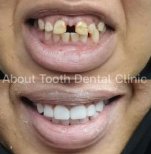
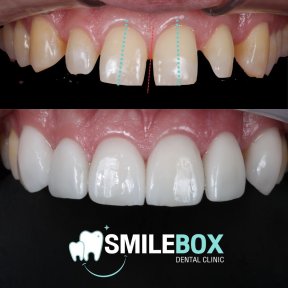
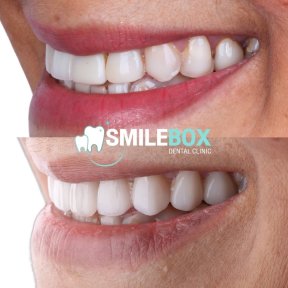
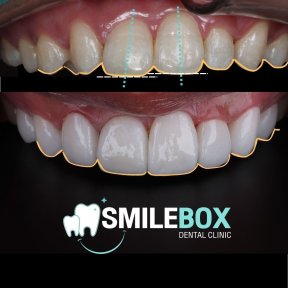
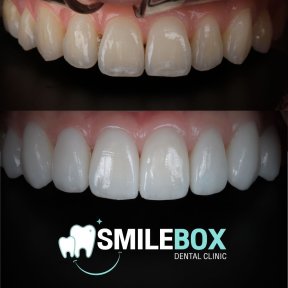
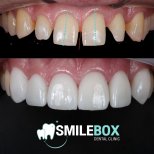
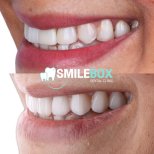
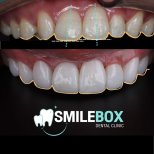
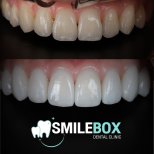
Veneers are thin, custom-made shells that cover the front of your teeth to enhance your smile. Made from porcelain, ceramic materials, or composite resin, they can change the color, shape, size, and length of your teeth to look natural and vibrant.
These dental restorations are a popular choice in cosmetic dental treatments and can be combined with other options like implants or bridges for a complete smile makeover.
![faq image]()
Dental Veneers can to fix:
-
Discoloration. Stains that won't come out with regular whitening.
-
Chipped or broken teeth. To get a smooth and complete look.
-
Gaps between teeth. To close spaces without braces.
-
Shape or size issues. To make small, large, or misshapen teeth look uniform.
-
Minor misalignments. To give the illusion of straight teeth without orthodontics.
Dental Veneer Options
Traditional Methods
The most common ways to apply these restorations are with porcelain or composite resin. Both materials are durable, but porcelain is often preferred for its natural look and stain resistance.
Composite restorations are quicker and cheaper but may not last as long as porcelain alternatives.
New Techniques for Porcelain Restorations
-
CAD/CAM technology. Clinics use digital impressions and 3D printing to create dental restorations faster and more accurately for patients. CAD/CAM technology is also used for the immediate fabrication of ceramic options.
-
CEREC System. A high-tech way to get same-day treatments, no need for temporary restorations and multiple appointments.
-
Minimal prep options. Techniques like Lumineers require little to no enamel removal, perfect for those who want to preserve their natural teeth.
When to Use Each
-
Porcelain Options for patients who want a long-term solution for visible teeth that are severely discolored or misshapen.
-
Composite alternatives for mild cosmetic issues.
-
Lumineers for patients who want minimal prep with less tooth reduction.
Comparison of Teeth Veneers with Other Procedures
Compared to other aesthetic procedures, these dental restorations offer a non-invasive and instant solution to your smile.
Veneers vs Braces
Braces take months to years to straighten teeth; these cosmetic treatments give you an instant smile makeover.
Veneers vs Teeth Whitening
Whitening only brightens teeth; dental shells fix gaps and misalignments and last longer.
Veneers vs Crowns
Crowns cover the whole tooth, which is more invasive and used for damaged teeth. Cosmetic shells are more conservative, only covering the front surface.
Who is a Candidate for Dental Veneers?
Suitable candidates for this cosmetic treatment are people who want to enhance their smile and have good overall oral health. Here's what you need to consider:
- Healthy teeth and gums. No active gum disease or decay; these restorations need a stable foundation.
- Cosmetic concerns. Patients typically want to fix discoloration, chips, gaps, or mild misalignments.
- Sufficient enamel. Some enamel is required for proper bonding.
- No bruxism. People who grind their teeth may be advised to consider other options, as grinding can damage the restoration.
For those with severe misalignment or tooth decay, other treatments like braces or crowns may be more suitable.
How Does the Installation Take Place?
![faq image]()
Consultation
First, you'll have a thorough consultation to examine your teeth, discuss your goals, and possibly take X-rays or 3D scans for planning. In some clinics, the initial consultation is free.
Procedure
The veneer placement procedure requires very precise preparation. Porcelain veneers typically require 0.5–1 mm of enamel removal, while minimal preparation techniques like Lumineers need virtually no tooth reduction. For bonding, glass-ceramic veneers are typically etched with hydrofluoric acid for about 20 seconds, followed by a 60-second application of silane to promote strong adhesion.
The process takes 2 visits:
-
A doctor takes impressions and possibly places temporary shells while the permanent ones are being made in the lab. These impressions are sent to a dental laboratory where skilled dental technicians fabricate custom restorations, ensuring precise dental work.
-
A few days or weeks later, the permanent shells are bonded to your teeth using a strong adhesive.
Time
The complete process takes 7–14 days depending on the number of teeth treated and material chosen.
| Step |
Duration |
| Initial consultation |
1 day |
| Preparation and temporary placement |
1–2 days |
| Fabrication |
5–7 days |
| Final placement |
1 day |
Recovery After Getting Dental Restorations in Thailand
Recovery from dental veneer placement typically follows a predictable timeline:
- initial sensitivity and discomfort generally subside within 24–48 hours;
- patients can return to normal activities immediately but should avoid hard foods for the first 24 hours;
- most patients experience temporary sensitivity to hot and cold temperatures for 2–7 days post-procedure.
- full adjustment to the new veneers occurs within 2 weeks.
Most patients can return to normal activities immediately but should avoid intense exercise for about a month.
Post-operative Care
Use a soft toothbrush and non-abrasive toothpaste to protect your new dental work. Regular dental checkups are essential to ensure the longevity of your new teeth.
A patient from the UK reported: "The results are incredible, no more gap and my teeth are so much whiter. [The doctor] was absolutely fantastic!! I honestly cannot express how kind and resourceful he was. The entire team were absolutely amazing, they made me feel absolutely at ease." (Bookimed verified review, 5.0/5 rating)
Risks and Possible Complications in Thailand
Studies have reported favorable clinical outcomes for dental restorations, with a survival rate of 91% over 20 years. While dental veneers are generally safe, clinical studies report specific complication rates:
- postoperative sensitivity affects more than 20% of patients (typically resolving within 1–2 weeks);
- postoperative pulpitis occurs in approximately 2.1% of cases;
- damage or chipping — Though durable, these restorations can still chip or crack under extreme pressure, such as teeth grinding;
- discoloration —composite options are more prone to staining over time compared to porcelain.
Patients with bruxism show significantly increased failure rates and should consider protective night guards.
To avoid complications, following your dentist's care instructions is essential.
Results: When to Expect the Effect?
![faq image]()
You'll see the results immediately after the procedure as these cosmetic treatments transform your teeth instantly.
With proper care, porcelain options can last up to 15 years or more, while composite alternatives last 5–7 years. According to a comprehensive clinical survival rate study published in 2024, dental veneers generally have a survival rate of over 90% for more than 10 years. A systematic review showed a 10-year cumulative survival rate of 95.5% for porcelain laminate veneers.
In some cases, touch-ups or replacements may be needed if the restorations are damaged, worn down, or lose color. Regular checkups will ensure your dental work stays in top condition.
Patient Satisfaction and Clinical Outcomes
Clinical studies consistently demonstrate high patient satisfaction rates with dental veneers. Research shows that 80–100% of patients report complete satisfaction with their porcelain veneers, with some studies reporting increased satisfaction over time as patients adjust to their aesthetic improvements. Porcelain veneers consistently receive higher satisfaction ratings than composite alternatives, particularly for long-term aesthetic outcomes.
A patient from France who received veneers at Bangkok International Dental Center shared: "The staff were very attentive, available, friendly and smiling! I really appreciated the speed with which the veneers were made. Everything went very quickly, in accordance with everything that had been planned. The prices are very attractive compared with prices in France." (Bookimed verified review, 5.0/5 rating)
Should I Get Dental Veneers in Thailand?
Thailand has become a leading destination for dental tourism, with 130+ clinics offering veneer procedures and Bookimed alone serving over 103,000 veneer-related requests from international patients as of November 2025. According to Thailand dental tourism market analysis, the country's dental tourism sector generated $776.9 million in 2023 and is projected to grow at 22.6% CAGR through 2030. Here's why:
Affordability
Veneers in Thailand cost $93–$1,110 per tooth compared to $1,200–$2,400 in the USA, representing up to 92% savings according to Bookimed data. Even the best dentist in Thailand for cosmetic treatments charges less than an average specialist in Western countries.
Leading Thai specialists including Dr. Nisara Tanarerkchai (About Tooth Dental Clinic) and Dr. Prakasit Phermsangngarm (SmileBox Dental Clinic) bring extensive expertise in aesthetic and cosmetic dentistry, with credentials from prestigious institutions like Harvard School of Dental Medicine and King's College London Dental Institute.
High Quality
Leading Thai dental facilities maintain JCI and ISO 9001 accreditation for high quality and patient safety. Medical institutions often have affiliations with renowned international dental organizations, such as the American Dental Association (ADA) and the European Society of Cosmetic Dentistry (ESCD).
![faq image]()
Beautiful Destination
Thailand is famous for its beauty and culture; patients can combine dental treatment with a holiday.
Are Dental Restorations in Thailand Good Quality?
Thai dental clinics use high-quality materials from global brands at a fraction of the cost of Western countries. Some of the top brands available are:
1. IPS e.max. Known for porcelain dental restorations.
2. Lumineers. Offers ultra-thin porcelain options.
3. Procera. Provides zirconia-based restorations.
4. Da Vinci. Renowned for lifelike results.
5. KATANA Zirconia. Known for strength and esthetics.
6. VITA. Offers various dental materials, including porcelain, for cosmetic treatments.
Start by visiting the Bookimed website to find patient testimonials and reviews about dental treatments in Thailand.
What to Do Before Going to Thailand?
Before going to Thailand for cosmetic dental treatment, make sure to research:
Booking flights and hotel
Clinics often offer all-inclusive packages that cover your hotel stay, VIP transfers, and sometimes even meals. The Bookimed medical coordinator is also ready to assist with organizational matters.
Visa
Depending on your nationality, Thailand has visa-free entry or e-visa for up to 30 days. Citizens of other countries should check ivisa.com for specific entry requirements.
Health considerations
Discuss any existing dental issues or medical conditions with your dentist before proceeding.
Payment
Payments can be made in installments, and many clinics offer flexible payment options, including credit card payments.
How Much Do Dental Veneers Cost in Thailand?
Based on verified data, veneer prices in Thailand range from $93 to $1,110 per tooth, depending on material and clinic selected.
What is the price by type?
-
Composite options cost around $150 to $300 per tooth.
-
Porcelain alternatives in Thailand cost around $300 to $550 per tooth.
-
The cost of treatment in Thailand (for a full smile makeover) is $3,000 to $6,500.
These prices are significantly lower compared to Western countries, where the cost can range from $10,000 to $25,000.
Bookimed works with verified clinics, ensuring direct pricing and transparent packages with no hidden costs. You'll pay directly at the clinic according to the official price list.
What Does a Treatment Package Include?
In Thailand, smile makeover packages include multiple procedures as part of a comprehensive treatment plan. Here's a breakdown of what's included and additional optional services.
| Most likely included in packages |
Services that need confirmation |
| Dental restorations (Zirconium or Porcelain). |
Additional dental treatment like whitening. |
| 4–5 star hotels for 10–14 days. |
Some clinics charge separately for specific scans. |
| VIP transfers between airport, hotel, and clinic. |
Food during your stay. |
| Initial consultation, necessary dental evaluations. |
Sightseeing trips. |
| Ongoing support after treatment. |
|
| Medications (post-treatment care included). |
References
- Global Dental Veneers Market Size, Share & Industry Trends Analysis Report By End-Use (Dental Clinics and Hospitals), By Product Type (Porcelain, Composite and Others), By Regional Outlook and Forecast, 2022 - 2028. KBRresearch. URL: https://www.kbvresearch.com/dental-veneers-market/ (date of access: 27.11.2025).
- Śmielak B., Armata O., Bociong K. Clinical longevity and trend analysis of 801 ultrathin ceramic veneers: A clinical cohort study. The Journal of Prosthetic Dentistry. 2022. URL: https://doi.org/10.1016/j.prosdent.2022.04.006 (date of access: 27.11.2025).
- Zhang R., Shen L., Xu D., Li X. Analysis of the effects of prepared porcelain veneers and unprepared porcelain veneers on gingival crevicular flora based on high-throughput sequencing. Experimental and Therapeutic Medicine. 2021. URL: https://www.ncbi.nlm.nih.gov/pmc/articles/PMC8145799/ (date of access: 27.11.2025).
- Alghazzawi T. F. Clinical Survival Rate and Laboratory Failure of Dental Veneers: A Narrative Literature Review. Journal of Functional Biomaterials. 2024. URL: https://pubmed.ncbi.nlm.nih.gov/38786642/ (date of access: 27.11.2025).