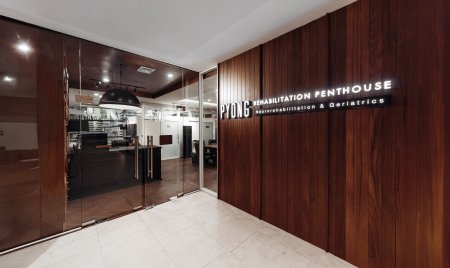
Thai doctors use a multi-layered approach for Alzheimer's diagnostics, combining localized cognitive screenings with advanced biomarkers. Specialists like Dr. Tara Rak-areekul at PYONG Rehabilitation Group focus on plasma p-tau 217 testing, which can identify the disease years before symptoms appear. This molecular precision is often paired with PET imaging to confirm protein accumulation in the brain.
- Molecular biomarkers. Specialists measure p-tau 217 in blood to detect Alzheimer's in early or latent stages.
- Neuroimaging tools. Doctors use amyloid PET scans to visualize beta-amyloid plaques directly within brain tissues.
- Cognitive screening. Clinicians apply the Thai Mental State Examination (TMSE) for culturally adapted cognitive assessments.
- Genetic profiling. Specialists like those at Samitivej Hospital offer APOE genotype screening for hereditary risk.
Bookimed Expert Insight: A notable trend in Bangkok is the integration of geriatric lifestyle medicine with high-tech diagnostics. For instance, Dr. Ornicha Thititagul combines Australian-trained geriatric expertise with certified lifestyle medicine. This means patients receive a diagnosis that accounts for nutritional and metabolic health, not just neurological scans, which is vital for distinguishing Alzheimer's from reversible memory issues.
Patient Consensus: Patients often find that the process starts with a simple, conversational visit focused on memory tasks like word-recall and clock-drawing. Many suggest bringing old family photos to these appointments to help doctors evaluate long-term memory during the cognitive exam.