To homepage
4.6/5
TrustPilot

Best Multiple sclerosis doctors in Thailand: TOP 4 doctors

Compare top Multiple sclerosis doctors and prices in Thailand. Find your best match here.

Get quotes from 3 top specialists in Thailand

We'll hand-pick the best doctors based on your needs and budget.

Meet the experts behind this page

Top doctors

4

Thailand

Reviews

14,000+

From real patients

Get free personalized treatment plans and choose the best option. No commitment · No payments for our services

Chollawat Thongthaisin

  • New
  • 7 years of experience
  • Location: Thailand, Bangkok
  • Clinic:
    3.0
    Vega Clinic
  • 900+ treatments performed by Dr. Chollawat Thongthaisin, who is American board certified in regenerative medicine.

    • Specializes in regenerative medicine for nervous system conditions
    • Leads Vega Stem Cell – a focused unit on advanced therapies
    • 7 years of experience of medical experience in diverse hospital settings
    • Trained at Thammasat Hospital – one of Thailand's top institutions
  • Read more
Doctor's visit
Price on request
Kantaphong Thongrong

  • New
  • 9 years of experience
  • Location: Thailand, Bangkok
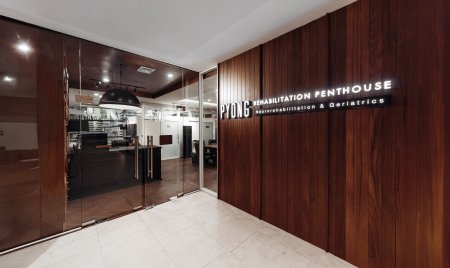
  • Dr. Thongrong specializes in neurorehabilitation, integrating advanced robotics and non-invasive technologies for multiple sclerosis patients at PYONG Rehabilitation Group.

    • Board-certified physiatrist with expertise in stroke recovery and chronic pain management
    • Pioneers wearable exoskeleton gait training for enhanced mobility
    • Head of Rehabilitation Department at King Mongkut Chaokhunthahan Hospital
    • Founder of PYONG Rehabilitation Group, focusing on patient-centric care
  • Read more
Doctor's visit
Price on request

chutichate Pawaropart

  • New
  • 22 years of experience
  • Location: Thailand, Bangkok
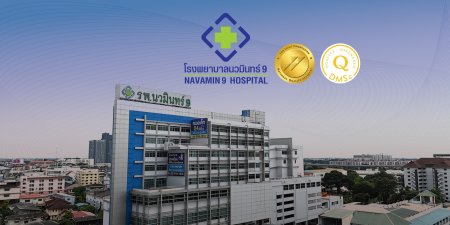
  • Dr. Chutichate Pawaropart is an ophthalmologist with 22 years of experience. He has a subspecialty in neuro-ophthalmology. He practices at Navamin9 Hospital in Bangkok. He speaks English, Thai, and French.

    Accreditations and training: MD, Faculty of Medicine, Chulalongkorn University. Certificate in Ophthalmology, Faculty of Medicine, Chulalongkorn University. Subspecialty training in Neuro-Ophthalmology, Sorbonne University, Paris, France.

    Clinical focus and services: cataract surgery (phacoemulsification with IOL, ECCE, ICCE) and cataract diagnostics. He also provides neuro-ophthalmic exams; corneal and conjunctival trauma repair; pterygium excision with autograft or amniotic membrane transplant; lid and anterior segment trauma repair; iris surgery; anterior vitrectomy; scleral wall resection; presbyopia care; refractometry; and treatment for macular dystrophy and amblyopia.

  • Read more
Doctor's visit
Price on request

Gerald Raphael Tur

  • New
  • 15 years of experience
  • Location: Thailand, Bangkok
  • Clinic:
    3.0
    Vega Clinic
  • Doctor of Osteopathy certified in multiple holistic approaches – Gerald Raphael Tur integrates Western and Eastern techniques for comprehensive care.

    • Certified in Gonstead Chiropractic techniques for precise spinal adjustments
    • Trained in Chinese Pharmacology and Nutrition for integrative treatment plans
    • Member of the International Osteopathic Association and Swiss Medical Register
    • Official representative of Osteopathy Chronic Pain Clinics of Canada in Thailand
  • Read more
Doctor's visit
Price on request

Choosing a clinic abroad can be stressful. At Bookimed, with over 800K patients helped, we understand your concerns. We know how to find trusted doctors, the best price-quality options, and solutions for even complex cases. We’re here to guide you every step of the way.

Yan Matsiivskiy

Head of Medical Coordinator Team

4300++ patient journeys guided

3 years at Bookimed

53698 patients from Thailand have found their doctor through us this month

How you'll get your perfect doctor match

1

2 min Quiz

Tell us your goal, budget, timeline

2

Human Matching + AI

Our algorithm finds matches, coordinator verifies fit

3

Your Options Ready

Compare prices, packages, dates. Chat with your coordinator

Overwhelmed by choices?

Your personal Bookimed coordinator helps you find the perfect surgeon tailored to your needs

  • Supports you 24/7 at every stage
  • Helps match you with the doctor and handles all communication with clinics
  • Coordinates your travel, accommodation, and transfers

Guiding your treatment

Medically trained personal coordinators

Peguy Beaugris
Tetyana Hyrych
Zekra Eldeeb
Victoria Olayinka
Iryna Sydorchuk
Tetiana Ihnatiuk

Choosing the Right Doctor and Clinic: Insider Tips

When selecting a doctor or clinic, keep these key points in mind:
Check credentials
Verify certifications from bodies like ISAPS, JCI, or relevant medical boards
Review success rates
Choose doctors with solid experience and a proven track record in your specific treatment.
Read patient reviews
Browse Bookimed reviews from real patients to learn about their experiences.
Ensure effective communication
Pick clinics that offer language support for a smooth treatment process.
Ask about services
Confirm whether the price includes services such as accommodation, local transfers, and follow-up care to avoid hidden costs.

Bookimed Insights: Top Multiple sclerosis Specialists in Thailand (2026)

Bookimed has coordinated 53698 requests for Multiple sclerosis treatment in Thailand, collaborating with 4 top-rated specialists. The doctors in this table are selected based on their international credentials, clinical expertise, and patient outcomes. The 2026 ranking is formed using verified data from actual patient cases and current programs from our partner clinics.
RankDoctorexperienceGood Fit ForWhat Sets Them ApartClinic & LocationConsultation
#17 years of experienceRegenerative therapiesAmerican board certified in regenerative medicine with 900+ treatments performed. Leads dedicated stem cell research unit at Vega Clinic.
Thailand
Price on request
#29 years of experienceNeurorehabilitation & advanced mobility solutionsIntegrates cutting-edge robotics and exoskeleton technology for MS patients. Leads a premium rehabilitation center and hospital department, ensuring top-tier care.
Thailand
from $50
#315 years of experienceHolistic MS managementCombines osteopathy with Chinese medicine and chiropractic techniques for integrated care. Member of International Osteopathic Association and Swiss Medical Register.
Thailand
Price on request

FAQ

These FAQs come from real patients seeking medical assistance through Bookimed. Answers are given by experienced medical coordinators and trusted clinic representatives.

Which types of MS treatments are currently available in Thailand?

Multiple sclerosis treatments in Thailand include disease-modifying therapies, specialized neurorehabilitation, and advanced regenerative options. JCI-accredited facilities offer monoclonal antibodies like Ocrelizumab alongside plasma exchange and robotic gait training. Most patients access these services through major medical hubs in Bangkok and Pattaya.

  • Disease-modifying therapies: Hospitals provide注射 platform therapies, Fingolimod, and monoclonal antibodies like Ocrelizumab.
  • Acute management: Severe relapses are treated with high-dose steroids or Plasmapheresis protocols.
  • Neurorehabilitation: Programs feature robotic-assisted therapy and wearable exoskeletons for motor function recovery.
  • Regenerative medicine: Specialized centers offer Natural Killer cell therapy and Mesenchymal stem cell treatments.

Bookimed Expert Insight: While high-cost biologics are available, many international patients choose Thailand for advanced neurorehabilitation. Dr. Kantaphong Thongrong at PYONG Rehabilitation Group uses robotic gait training, which is often more accessible here than in Western centers. Choosing a facility with both neurology and dedicated rehabilitation departments, like Bumrungrad or Bangkok Hospital Pattaya, ensures seamless transition from acute treatment to long-term recovery.

Patient Consensus: Patients note that while newer oral medications can be expensive, generic versions of standard therapies offer significant savings. Many emphasize the importance of choosing centers with temperature-controlled pharmacies to protect medication potency in the local climate.

Are Thai neurologists specifically qualified to manage multiple sclerosis in international patients?

Thai neurologists are highly qualified to manage multiple sclerosis in international patients through specialized centers. Many hold certifications from elite institutions in the United States and Europe. Facilities like Bumrungrad International Hospital maintain Joint Commission International accreditation and adhere to global protocols for complex neuroimmunology care.

  • Expert training: Many specialists complete fellowships at top-tier institutions in the US or Europe.
  • Advanced diagnostics: Clinics utilize brain MRI with contrast and optical coherence tomography for staging.
  • Disease management: Doctors provide modern therapies including Ocrevus and robot-assisted neurorehabilitation for recovery.
  • Regulatory standards: Certified neurologists undergo up to 13 years of specialized training before practice.

Bookimed Expert Insight: Thai medical centers focus heavily on multidisciplinary teams for complex neurological cases. For example, Dr. Chutichate Pawaropart at Navamin 9 Hospital combines neurology with neuro-ophthalmology training from Sorbonne University. This dual expertise is vital for managing vision issues common in multiple sclerosis. Most top-rated facilities also integrate rehabilitation specialists into the primary care plan immediately.

Patient Consensus: Patients note that Bangkok hospitals provide excellent diagnostic services and initial management. Some mention that while general care is high-quality, long-term medication adjustments might require coordination with specialists in their home countries.

How long should a medical tourist expect to stay in Thailand for initial diagnosis, treatment initiation, and follow-up?

Medical tourists should plan for a 10 to 14 day stay in Thailand for multiple sclerosis care. This timeframe allows 2 days for complex diagnostics including brain MRI with contrast. It covers treatment initiation like Ocrevus infusions or plasma exchange and 7 days of clinical monitoring.

  • Diagnostic phase: Complete neurological exams, MRI scans, and bloodwork within 48 hours in Bangkok.
  • Treatment initiation: Loading doses for infusions or regenerative therapies typically require 1 to 3 days.
  • Recovery monitoring: Specialists generally require 5 to 7 days post-treatment before issuing fit-to-fly clearance.
  • Rehabilitation window: Patients combining medical treatment with neurorehabilitation may extend their stay to 21 days.

Bookimed Expert Insight: While general check-ups are fast, multiple sclerosis protocols in Thailand often involve specialized Natural Killer (NK) Cell Therapy or intensive neuro-rehabilitation. Data from clinics like Panacee Hospital Rama 2 show that these cellular programs often bundle 3 days of hotel stay, but patients should budget for 10 days total to account for required pre-treatment blood screens and post-therapy observation. Choosing JCI-accredited centers like Bumrungrad International Hospital ensures these timelines follow international safety standards for complex autoimmune cases.

Patient Consensus: Patients note that while the initial loading dose for infusions is efficient, it is vital to stay at least one week after the last procedure for follow-up bloodwork and safety monitoring.

Does Thailand permit the import of prescription MS medications in case a patient prefers to continue their existing regimen?

Thailand permits importing prescription multiple sclerosis medications for personal use under strict Food and Drug Administration regulations. Patients must carry medications in original packaging with clear pharmacy labels. A physical physician letter and a valid English prescription are mandatory for customs clearance at entry.

  • Quantity limit: Patients are generally restricted to a 30-day supply for personal use.
  • Narcotic permits: Category 2 narcotics require an IC-2 permit filed 15 days before arrival.
  • Restricted substances: Thailand strictly prohibits importing any cannabis-based medicinal products for personal use.
  • Mailing ban: Sending prescription MS medications via courier or mail to Thailand is illegal.

Bookimed Expert Insight: While small amounts of oral therapies often pass customs without hitches, injectable MS treatments can trigger additional scrutiny. Large facilities like Bumrungrad International Hospital, which serves over 1,000,000 patients annually, often stock international brands. Coordinating with a local Thai hospital before arrival can help you verify if your specific brand is available locally to avoid long-term import issues.

Patient Consensus: Patients emphasize carrying a doctor's letter in English to avoid temporary confiscation of injectables during airport spot-checks. Most travelers report that oral medications face fewer questions if they remain in their original boxes.

What safety protocols are in place to monitor side-effects of new disease-modifying therapies during a medical tourist’s stay?

Safety protocols for disease-modifying therapies in Thailand center on rigorous baseline screening and clinical monitoring. Accredited facilities like Bumrungrad International Hospital and Bangkok Hospital Pattaya utilize JCI standards to manage infusions. Monitoring typically includes daily neurological checks, vital sign surveillance, and extended bloodwork panels to detect early adverse reactions.

  • Baseline screening: Labs include complete blood counts and organ function tests before treatment.
  • Clinical surveillance: Staff monitor heart rate and blood pressure during and after infusions.
  • Diagnostic tracking: Specialists like Dr. Chutichate Pawaropart use neuro-ophthalmic exams for precise monitoring.
  • Accreditation backup: JCI and ISO certifications mandate standardized safety checklists and error reduction.

Bookimed Expert Insight: Thai medical centers like Bumrungrad International Hospital serve over 1,000,000 patients annually. This high volume allows clinics to maintain sophisticated infrastructure, such as dedicated neurorehabilitation departments. Patients should note that while basic monitoring is included, specialized diagnostic tools like Optical Coherence Tomography or Brain MRI with contrast are often coordinated as separate diagnostic modules to ensure treatment precision.

Patient Consensus: Patients note that voluntary visa extensions are helpful for staying near the clinic longer to catch early reactions. It is important to arrange telehealth follow-ups with home neurologists since international registries may not automatically track medical tourists.

Is neurological physiotherapy available for post-diagnosis functional assessment and rehabilitation right after the evaluation?

Neurological physiotherapy in Thailand is available after a multiple sclerosis diagnosis. Most Thai centers require a separate intake process. Patients usually start rehabilitation within 2 to 3 days. This follows initial diagnostics like brain MRI and visual evoked potentials. Medical stability is required before beginning exercises.

  • Expert evaluation: Specialists like Dr. Kantaphong Thongrong conduct motor and coordination assessments.
  • Advanced diagnostics: Functional baselines often include OCT and brain MRI with contrast.
  • Specialized techniques: Rehabilitation may involve robotic gait training or exoskeleton therapeutics.
  • Timeline: Intervention typically begins after a consultation with a recreation therapist.

Bookimed Expert Insight: While major hospitals like Bumrungrad International Hospital serve over 1,000,000 patients annually, neurological rehab requires precise scheduling. Data shows that top specialists often hold subspecialties in neuro-ophthalmology or robotics. I recommend booking your physiotherapy slots during your first neurology consultation. This prevents the common 3-day waiting period found at high-volume Bangkok clinics.

Patient Consensus: Patients note that while immediate sessions are rare, requesting a multilingual therapist early helps speed up the process. Many suggest preparing for a few days of coordination between your MRI and the first physical therapy appointment.

Are MRI and laboratory diagnostics at international centres in Thailand calibrated to track radiological progression in the same way as Western consensus guidelines?

International centers in Thailand calibrate MRI and laboratory diagnostics to Western consensus guidelines for tracking multiple sclerosis progression. Leading facilities like Bumrungrad International Hospital maintain Joint Commission International accreditation. This ensures adherence to global clinical standards and protocols. Digital imaging and laboratory reporting align with US and European medical systems.

  • Imaging standards: Facilities utilize 3T MRI scanners calibrated to ISO and MAGNIMS guidelines.
  • Laboratory certification: Major labs maintain ISO 15189 certification for high-precision diagnostic testing.
  • Specialist expertise: Radiologists often hold international credentials like the American Board of Regenerative Medicine.
  • Data compatibility: Clinics provide raw DICOM files to ensure seamless longitudinal tracking globally.

Bookimed Expert Insight: While diagnostic accuracy is high, reporting terminology can vary between regions. For example, Thai radiologists might describe a scan as stable, while Western specialists look for specific T1 black holes. To ensure perfect continuity of care, always request the raw DICOM imaging data rather than just the written summary. This allows your home neurologist to perform a direct side-by-side comparison using their preferred software.

Patient Consensus: Patients note that scans at top-tier centers like Bumrungrad are identical in quality to those in the US. Many emphasize the importance of confirming contrast protocols and lesion quantification methods before the procedure begins.