Turkey, Antalya
CT (computer tomography) in Assoc. Prof. Dr. Şahin Kılıç
1
accreditation
hospital certificates of quality
About the clinic
A CT (computed tomography) scan at the clinic of Assoc. Prof. Dr. Şahin Kılıç in Antalya, Turkey, provides detailed imaging of the urinary tract and adrenal glands. This diagnostic check focuses on stone characterization, tumor staging, and adrenal mass density. The main advantage is the direct evaluation of results by a European Board Certified Urologist with expertise in AI-assisted kidney cancer imaging.
Diagnostic capabilities
The clinic uses computed tomography to identify specific urological conditions and plan surgical interventions. Patients receive detailed assessments for various concerns:
- Kidney stone analysis. Measures size, location, and Hounsfield density to determine stone hardness and anatomy.
- Adrenal mass assessment. Evaluates density, borders, and homogeneity to identify benign features based on ESE guidelines.
- CT Urography. Investigates causes of blood in the urine (hematuria) and unexplained flank pain.
- Tumor staging. Uses contrast-enhanced multiphasic scans for 3D modeling and nephrometry scoring before surgery.
Method and specialist evaluation
The diagnostic is performed on an outpatient basis. Patients may undergo unenhanced scans or contrast-enhanced procedures depending on the specific medical need. Intravenous contrast is used for tumor staging to provide high-definition images of vascular structures and organ tissue.
Prof. Dr. Şahin Kılıç personally interprets the CT findings. He is a urologist with over 15 years of experience and holds the FEBU (Fellow of the European Board of Urology) certification. He ranked first in Turkey in 2026 and has authored six book chapters in his field. His background includes leading AI-assisted research projects for kidney cancer imaging.
Clinic accreditations
The clinic follows international standards for urological care. Prof. Dr. Şahin Kılıç maintains professional recognition from the European Society for Medical Oncology (ESMO) and the American Society of Clinical Oncology (ASCO). These affiliations support the use of modern protocols for diagnostic staging. Patients can request a consultation for a urological CT scan through Bookimed.
Highlights
2022
Year of foundation
2 doctors
500 patients per year
Get a free consultation

Assoc. Prof. Dr. Şahin Kılıç

 The clinic is not accepting new requests
Submit your request to get the best option in Turkey
 Average answering time – 5 minutes
Treatments prices in the clinic
Last price update – {{date}}. Prices may change depending on the medical case and the doctor's recommendations.
Oncology
| treatment | Price | |
|---|---|---|
| Testicular prosthesis | $4000 | |
| Removal of testicle tumor | $4000 | |
| Robotic radical nephrectomy | $10000 | |
| Laparoscopic prostatectomy | $7500 | |
| Bladder removal with reconstruction | $22000 |
Clinic Doctors
How are we doing?
1 of
3
Information about this clinic is full and clear
1
2
3
4
5
Strongly disagree
Strongly agree
hospital accreditation of quality
European Society for Medical Oncology
CH,
European Society for Medical Oncology certificate for Assoc. Prof. Dr. Şahin Kılıç
Assoc. Prof. Dr. Şahin Kılıç: more details about the clinic
Turkey, Antalya
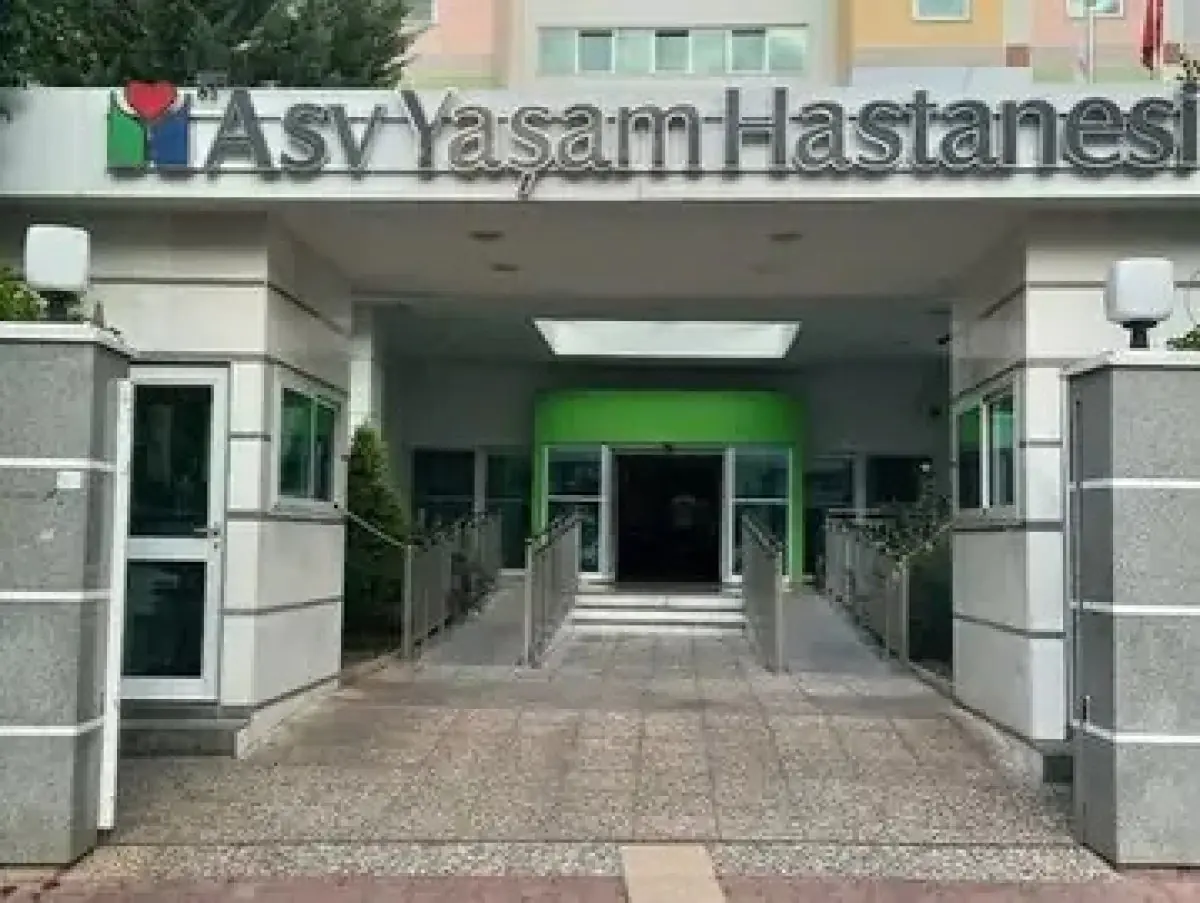
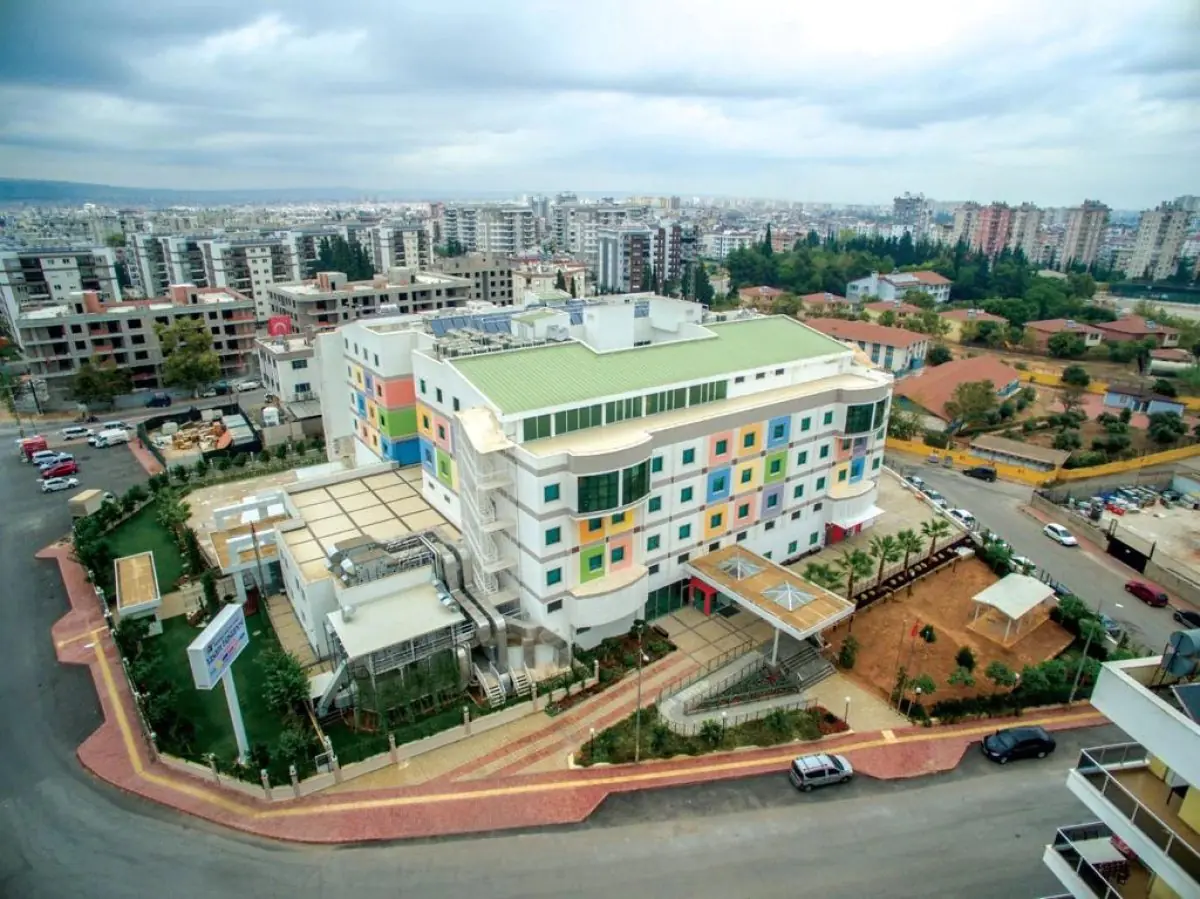
Assoc. Prof. Dr. Şahin Kılıç leads a specialized urology practice in Antalya. The clinic focuses on urological oncology and minimally invasive surgery. Consultations take place at Akdeniz Sağlık Vakfı Yaşam Hastanesi. The facility provides dedicated pathways for prostate, kidney, and bladder conditions. Dr. Kılıç brings academic research into clinical care plans for international patients.
Professional Accreditations and Academic Achievements
Dr. Şahin Kılıç is a European Board Certified Urologist (FEBU). He achieved the highest rank among Turkish candidates in the European Board of Urology examination. The clinic also holds recognitions from major oncology organizations, including the European Society for Medical Oncology (ESMO) and the American Society of Clinical Oncology (ASCO).
The clinic maintains a strong research profile in medical technology:
- Published research on AI-assisted kidney cancer imaging (MUSegNet).
- Project leadership in deep-learning software for kidney cancer diagnosis.
- Participation in the ORAKTx trial for robotic kidney transplantation.
- Authorship of six medical book chapters on urological surgery.
This academic foundation means patients receive treatments based on international evidence. Dr. Kılıç also serves as a senior clinical educator for urology specialists.
Urological Oncology and Robotic Surgery
The practice specializes in robotic-assisted surgery for malignant conditions. Surgeons use these methods to improve precision in confined anatomical spaces. The robotic system provides a three-dimensional view and wristed instrument tips. These tools filter natural tremors during complex maneuvers.
Key oncology procedures include:
- Robotic radical prostatectomy for prostate cancer control.
- Robotic partial nephrectomy to remove kidney tumors while sparing healthy tissue.
- Robotic adrenalectomy for hormone-producing or suspicious adrenal masses.
- Robotic nephroureterectomy for upper tract urothelial cancer.
- Robotic pyeloplasty for ureteropelvic junction (UPJ) obstruction.
For complex cases, the clinic supports cross-disciplinary reviews. Urology, medical oncology, radiology, and pathology teams discuss each case together. This helps determine if patients need additional systemic treatments after surgery.
Diagnostic and Therapeutic Technologies
The clinic uses advanced diagnostic tools to guide treatment decisions. For prostate cancer workup, specialists use MRI-targeted fusion biopsy. This technique matches multiparametric MRI targets with real-time ultrasound, so it can identify suspicious areas that standard biopsies might miss.
Diagnostic and surgical equipment includes:
- Holmium laser for stone fragmentation and prostate enucleation (HoLEP).
- Flexible ureteroscopy to reach kidney stones through natural passages.
- Urodynamic assessment to evaluate functional urinary incontinence.
- Micro-ultrasound with AI for suspicious foci identification.
- CT Urography for evaluating blood in the urine or flank pain.
Stone treatments are tailored to the patient's anatomy and stone density. Options include percutaneous nephrolithotomy (PCNL) for large stones. The clinic also offers flexible ureterorenoscopy (RIRS) as a needle-free alternative. Specialists break up stones using laser energy and remove fragments with tiny baskets.
International Patient Care and Follow-up
The clinic prepares procedure-specific guides for international patients. These detail the expected benefits and specific risks of each intervention. Dr. Şahin Kılıç conducts consultations in Turkish, English, Russian, Arabic, and German.
Post-operative follow-up focuses on long-term functional outcomes. For prostate surgery, the team monitors PSA levels to detect recurrence. They also provide guidance on recovering urinary and sexual function. Kidney cancer patients receive long-term monitoring of the remaining kidney. This includes tracking blood pressure and protein levels in the urine.
Additional services
Language assistance
Available
free
Accommodation
Hotel (apartments) near the clinic, billed daily
Patient reviews
5 Google
reviews
Nora Quriashy
Oct 17, 2026
I was a patient on the second floor north and I had a great experience. All the nurses were so sweet and kind. Hospital was so clean and service was excellent, I just wish at night they checked on me more.
Castilia Cava
Oct 7, 2026
We had such outstanding care at the 2nd floor North Team. Very professional, kind and attentive. The hospital is very clean and organized. Buse was especially helpful and always made us feel at home. Thank you!
C Holst
Oct 3, 2026
2 Northern Team
I couldn’t have imagined a better doctor than Dr. Çağrı Berk. He performed a beautiful and incredibly pleasant surgery. He was extremely thorough and conscientious, and he personally checked on me very frequently throughout the process. I absolutely love the result. Thank you so much!
Florian Mueller
May 22, 2026
We were on vacation in Kemer, and our daughter, Paula, had a febrile seizure one of the last nights we were there. After receiving treatment at Yasam Hastanasi Kemer and Lara/Antalya hospitals, she was transferred to Dr. Ali Ahrabi and his team in the pediatric intensive care unit at this hospital. After just a few days, she quickly began to feel better and was moved back to the general ward. We would like to thank everyone involved—all the doctors, nurses, and our interpreters. You did a fantastic job! Special the team from the pediatric intensive care unit. Thank you 😊
E Kara
Nov 28, 2024
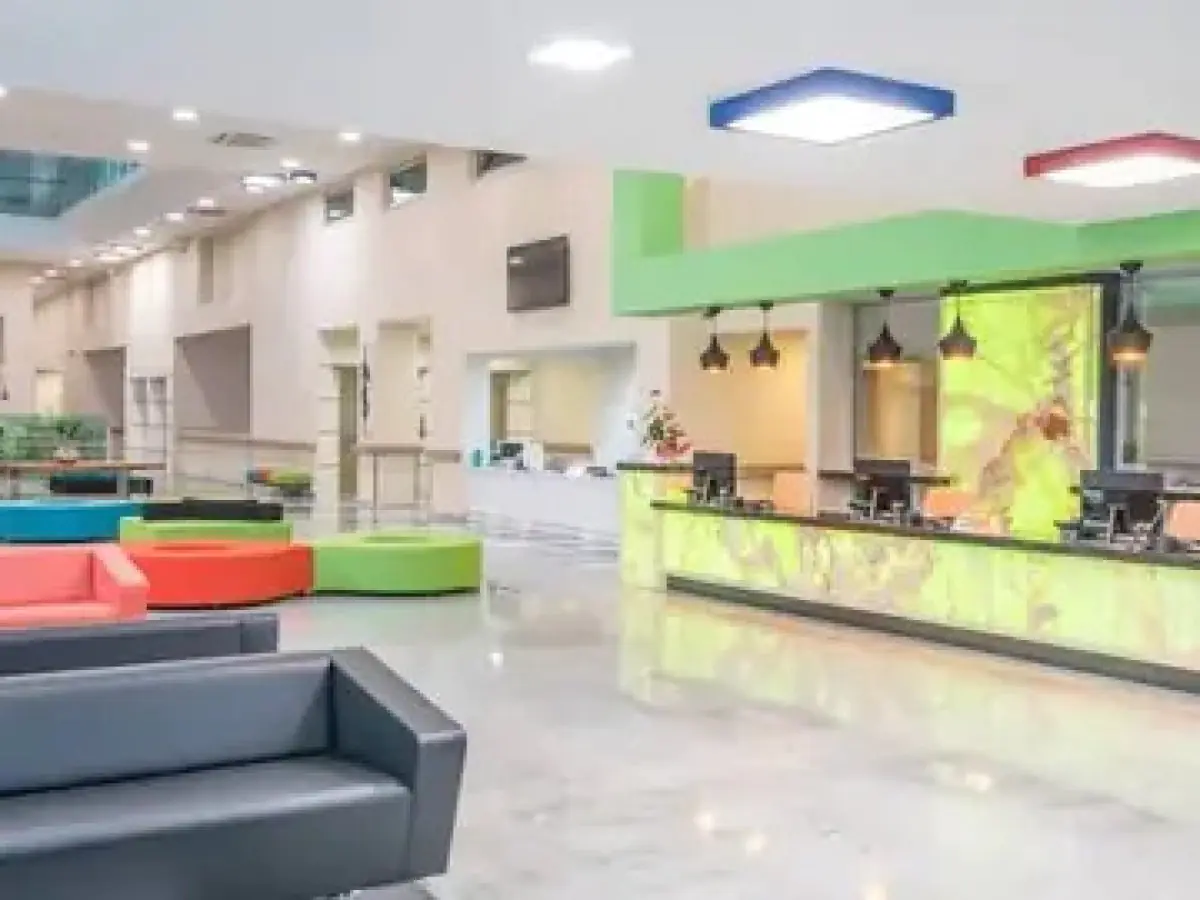
We’ve been at this hospital for the past five days for my dad’s treatment, and overall, it’s been a very good experience. The quality of service is excellent, the staff are incredibly patient and attentive, and the cleanliness of the environment is impressive.
The meal service is always on time, and the food quality is surprisingly good – better than you’d expect for a hospital. They also provide a folding bed for attendants, which is thoughtful, but it could definitely be improved. It’s quite hard to unfold, and we had to ask the nurses for help, but they were very kind about it.
The doctors have been very polite and punctual during their daily visits, which we really appreciated. On top of that, I learned from my brother that his twins were in the intensive care unit here for a month after they were born. He spoke highly of the experience, mentioning the frequent, detailed updates about their babies. The twins are doing great now, and it’s comforting to know how well they were cared for. 🙏
The location of the hospital is good, but getting there can be tricky because of heavy traffic and a lack of traffic lights. Driving here is an adventure – Turkish drivers can be a bit creative, so stay alert, especially if someone decides to overtake you on a slow-moving one-way road. 🙂
Overall, the hospital is very clean, well-organized, and has a cosy atmosphere. The modern equipment, great staff, and good food make it an excellent choice for care, despite the traffic challenges. Highly recommend it if you’re in need of medical services.
Akdeniz Sağlık Vakfı Yaşam Hastanesi (Vakıf Yaşam Hastanesi), Gebizli, 1115. Sk. No:3, 07300 Muratpaşa / Antalya

updated 11/9/2026
Get a free consultation
Assoc. Prof. Dr. Şahin Kılıç
The clinic is not accepting new requests
Submit your request to get the best option in Turkey
Average answering time – 5 minutes
How it works:
- We find a medical coordinator familiar with the matter
- You get a personal offer with a step-by-step guide and the cost estimate
- We arrange your travel including appointment scheduling and flights booking
- You arrive at the hospital, we support you 24/7