

Urological examination with MRI in Assoc. Prof. Dr. Şahin Kılıç
About the clinic
MRI Fusion Transperineal Prostate Biopsy is a diagnostic procedure to identify clinically significant prostate cancer at the practice of Assoc. Prof. Dr. Şahin Kılıç in Antalya, Turkey. This examination uses multiparametric MRI data to target specific suspicious areas within the prostate. The main advantage is the transperineal approach, which avoids the rectal wall to help lower the risk of infection.
Examination Details
The diagnostic process combines real-time ultrasound with previously taken MRI images to guide the biopsy needle precisely. This method improves the accuracy of sampling compared to standard systematic biopsies. The procedure takes place in an outpatient setting in Antalya.
- Targeted sampling. Focuses on suspicious lesions identified during a prior multiparametric MRI.
- Transperineal route. The needle enters through the skin between the scrotum and anus rather than through the rectum.
- Anaesthesia. Local anaesthesia is applied to manage patient comfort during the needle insertion.
- Pathology analysis. Tissue samples are sent to a lab to confirm the presence and grade of cancer cells.
- Follow-up review. A specialist reviews the pathology results alongside the MRI images to determine the next steps.
Specialist and Accreditation
Prof. Şahin Kılıç performs the biopsy. He is a urological oncologist with over 15 years of experience. He holds a FEBU certification from the European Board of Urology and ranked first in Turkey in his FEBU exams. The clinic follows protocols aligned with his memberships in ESMO and ASCO. He also leads research projects involving AI imaging, which supports his diagnostic approach.
Preparation Requirements
Patients must arrive with their multiparametric MRI images and the associated medical report. It is necessary to provide previous PSA results, any past biopsy histology reports, and a complete list of current medications. A review of blood thinners and infection history is required before the appointment. Patients should not stop taking any prescribed medicine until they receive specific instructions from the doctor. Potential risks like temporary bleeding or urinary retention are discussed before the procedure starts. You can leave a request on Bookimed to receive more information about this diagnostic.
Highlights
Get a free consultation

 The clinic is not accepting new requests
 Average answering time – 5 minutes
How are we doing?
hospital accreditation of quality
Assoc. Prof. Dr. Şahin Kılıç: more details about the clinic
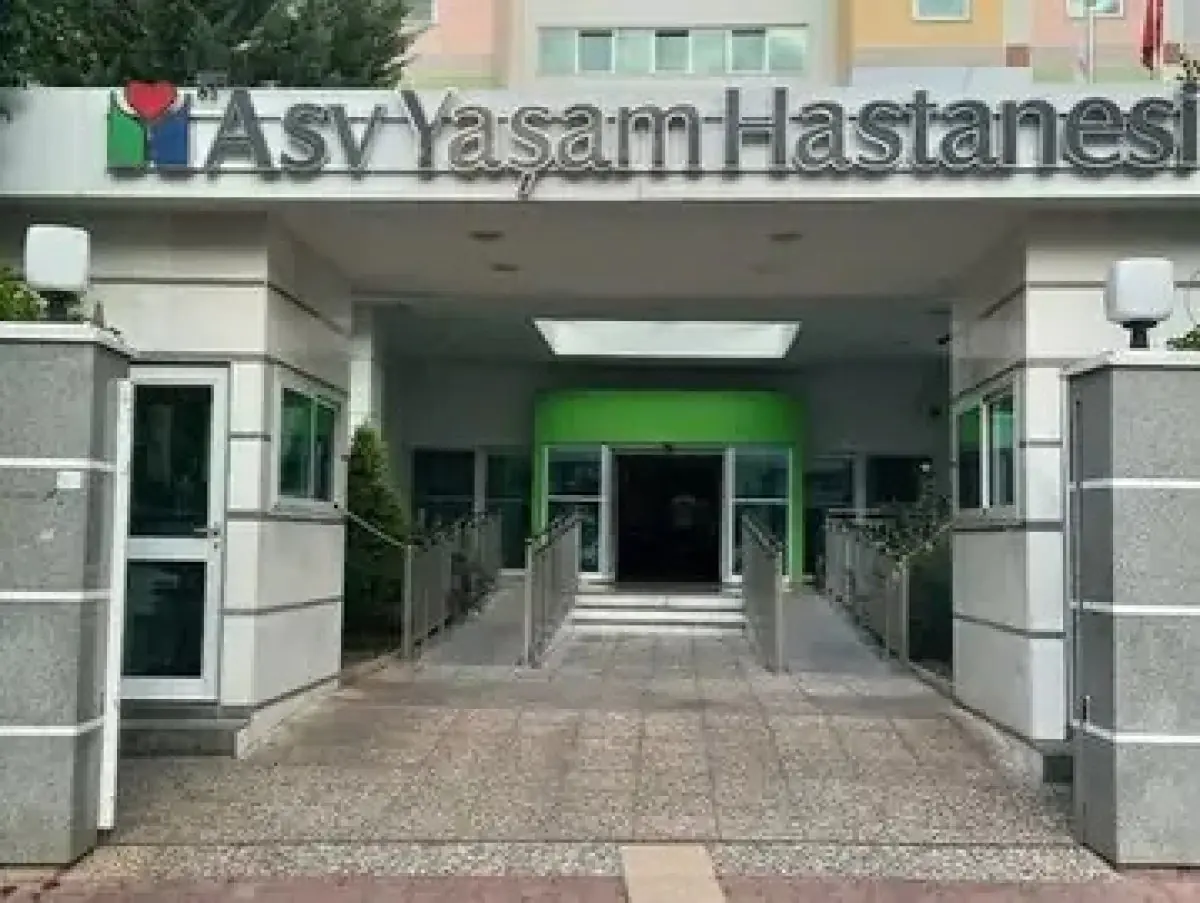
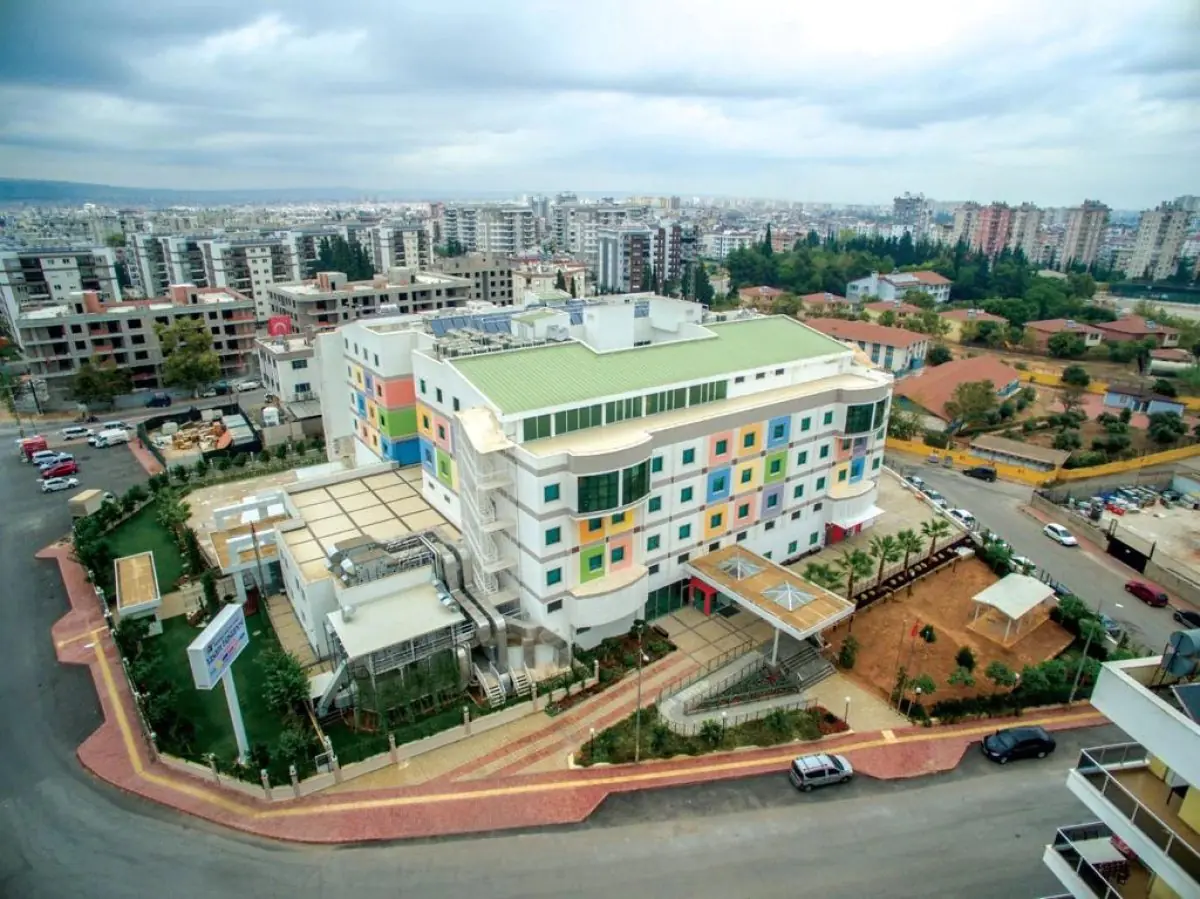
Assoc. Prof. Dr. Şahin Kılıç leads a specialized urology practice in Antalya. The clinic focuses on urological oncology and minimally invasive surgery. Consultations take place at Akdeniz Sağlık Vakfı Yaşam Hastanesi. The facility provides dedicated pathways for prostate, kidney, and bladder conditions. Dr. Kılıç brings academic research into clinical care plans for international patients.
Professional Accreditations and Academic Achievements
Dr. Şahin Kılıç is a European Board Certified Urologist (FEBU). He achieved the highest rank among Turkish candidates in the European Board of Urology examination. The clinic also holds recognitions from major oncology organizations, including the European Society for Medical Oncology (ESMO) and the American Society of Clinical Oncology (ASCO).
The clinic maintains a strong research profile in medical technology:
- Published research on AI-assisted kidney cancer imaging (MUSegNet).
- Project leadership in deep-learning software for kidney cancer diagnosis.
- Participation in the ORAKTx trial for robotic kidney transplantation.
- Authorship of six medical book chapters on urological surgery.
This academic foundation means patients receive treatments based on international evidence. Dr. Kılıç also serves as a senior clinical educator for urology specialists.
Urological Oncology and Robotic Surgery
The practice specializes in robotic-assisted surgery for malignant conditions. Surgeons use these methods to improve precision in confined anatomical spaces. The robotic system provides a three-dimensional view and wristed instrument tips. These tools filter natural tremors during complex maneuvers.
Key oncology procedures include:
- Robotic radical prostatectomy for prostate cancer control.
- Robotic partial nephrectomy to remove kidney tumors while sparing healthy tissue.
- Robotic adrenalectomy for hormone-producing or suspicious adrenal masses.
- Robotic nephroureterectomy for upper tract urothelial cancer.
- Robotic pyeloplasty for ureteropelvic junction (UPJ) obstruction.
For complex cases, the clinic supports cross-disciplinary reviews. Urology, medical oncology, radiology, and pathology teams discuss each case together. This helps determine if patients need additional systemic treatments after surgery.
Diagnostic and Therapeutic Technologies
The clinic uses advanced diagnostic tools to guide treatment decisions. For prostate cancer workup, specialists use MRI-targeted fusion biopsy. This technique matches multiparametric MRI targets with real-time ultrasound, so it can identify suspicious areas that standard biopsies might miss.
Diagnostic and surgical equipment includes:
- Holmium laser for stone fragmentation and prostate enucleation (HoLEP).
- Flexible ureteroscopy to reach kidney stones through natural passages.
- Urodynamic assessment to evaluate functional urinary incontinence.
- Micro-ultrasound with AI for suspicious foci identification.
- CT Urography for evaluating blood in the urine or flank pain.
Stone treatments are tailored to the patient's anatomy and stone density. Options include percutaneous nephrolithotomy (PCNL) for large stones. The clinic also offers flexible ureterorenoscopy (RIRS) as a needle-free alternative. Specialists break up stones using laser energy and remove fragments with tiny baskets.
International Patient Care and Follow-up
The clinic prepares procedure-specific guides for international patients. These detail the expected benefits and specific risks of each intervention. Dr. Şahin Kılıç conducts consultations in Turkish, English, Russian, Arabic, and German.
Post-operative follow-up focuses on long-term functional outcomes. For prostate surgery, the team monitors PSA levels to detect recurrence. They also provide guidance on recovering urinary and sexual function. Kidney cancer patients receive long-term monitoring of the remaining kidney. This includes tracking blood pressure and protein levels in the urine.
Additional services
Akdeniz Sağlık Vakfı Yaşam Hastanesi (Vakıf Yaşam Hastanesi), Gebizli, 1115. Sk. No:3, 07300 Muratpaşa / Antalya

Get a free consultation
The clinic is not accepting new requests
Average answering time – 5 minutes
How it works:
- We find a medical coordinator familiar with the matter
- You get a personal offer with a step-by-step guide and the cost estimate
- We arrange your travel including appointment scheduling and flights booking
- You arrive at the hospital, we support you 24/7