jaegu kang
Nov 26, 2025
Alzheimer's disease care at Beijing Tiantan Hospital, Capital Medical University in Beijing, China, focuses on targeted disease-modifying therapy. The hospital is a National Neurological Disease Medical Center and holds Tier 3 Grade A accreditation. Specialists use advanced imaging and specific anti-amyloid treatments to manage cognitive decline.
The Neurology Center at Beijing Tiantan Hospital features a subspecialty for cognitive disorders. Doctors use specific tracers to identify brain changes. The clinic operates one of China's early clinical PET/MR units and has 9 MRI and 7 CT scanners. Diagnostic options for patients include:
Beijing Tiantan Hospital offers LEQEMBI (lecanemab-irmb) for Alzheimer's patients. This is a disease-modifying anti-amyloid therapy. It aims to target the underlying causes of the condition rather than just managing symptoms. The International Department supports overseas patients with a 24-bed inpatient ward to help manage their treatment plan.
To learn more about the treatment process or to request a consultation, you can leave a request on Bookimed.


 The clinic is not accepting new requests
 Average answering time – 5 minutes
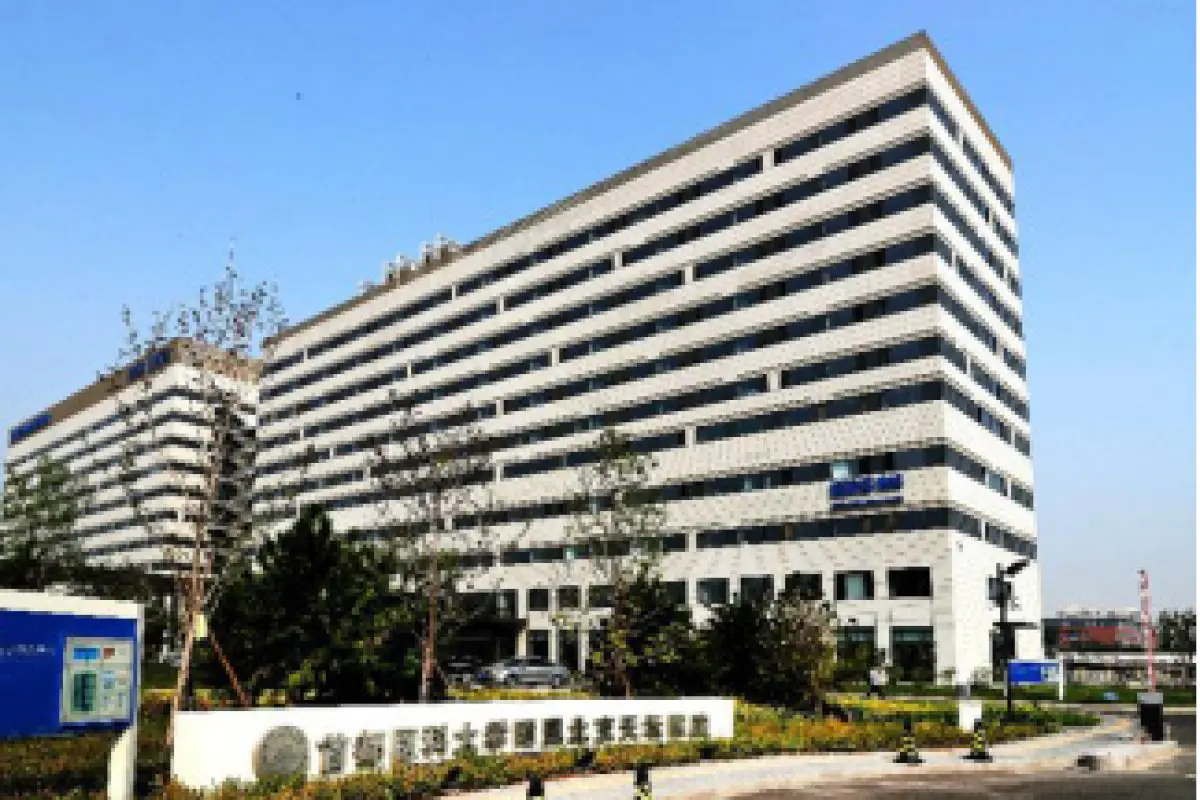
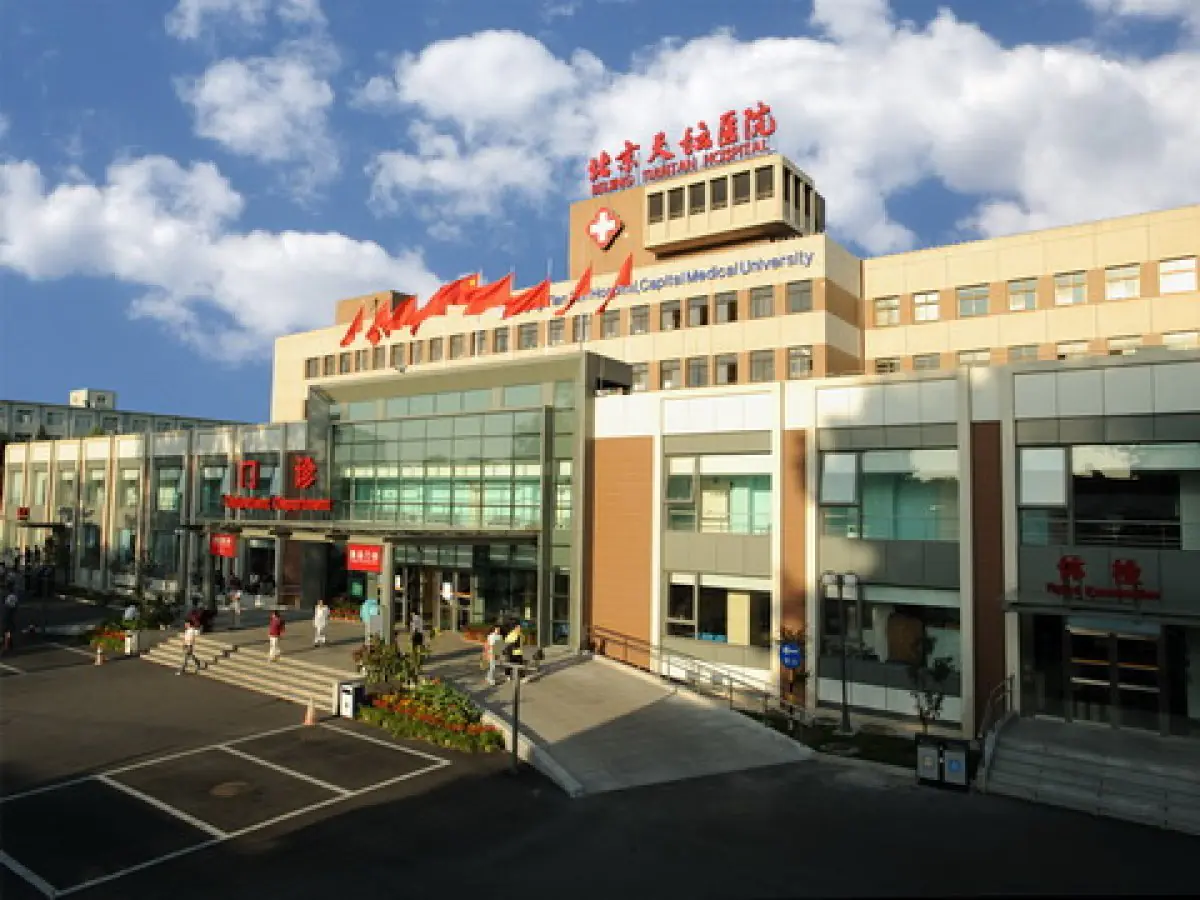
Beijing Tiantan Hospital is a tertiary medical center in Beijing. Founded in 1956, it serves as a major hub for clinical neuroscience and diagnostic imaging. The hospital is a teaching institution affiliated with Capital Medical University, supporting doctoral and master's level training.
The hospital focuses on clinical neuroscience through its Neurosurgery and Neurology Centers. These departments combine specialized care with research-driven diagnostics. The Radiology department holds national clinical key specialty status, with a primary focus on neuroimaging. It also serves as a clinical drug trial base and training site for residents in complex neurological diagnostics.
Specialists provide advanced treatments for neurological conditions:
Dr. Sun Shibin leads the Stereotactic Radiosurgery department. He oversees Gamma Knife procedures for patients with brain tumors and functional disorders.
The facility has extensive equipment to support its neuroscience focus. The imaging department maintains high hardware volume, so patients get prompt diagnostic access. Nuclear medicine capabilities include early adoption of PET/MR and PET/CT systems. These tools allow precise metabolic and structural brain analysis.
Diagnostic resources include:
The intraoperative MRI lets surgeons view real-time images during brain surgery. This helps ensure complete tumor removal while protecting healthy tissue.
The International Department provides one-stop health management for patients traveling from abroad. It has a 24-bed inpatient ward with single and double rooms. Each room includes an emergency call system. The unit has its own X-ray and ultrasound equipment, so patients don't need to leave the department for basic imaging.
International and special-needs patients have access to specific care pathways:
Over 1,000 nurses support clinical operations. About 43% hold bachelor's degrees or higher, enabling them to manage complex inpatient care.
 The clinic is not accepting new requests
Average answering time – 5 minutes
The clinic is not accepting new requests
Average answering time – 5 minutes