Turkey, Istanbul
Cervical Spondylosis Treatment in Prof. Dr. Özgür Kılıçkesmez
About the clinic
Cervical spondylosis treatment at the clinic of Prof. Dr. Özgür Kılıçkesmez in Istanbul, Turkey, focuses on non-surgical, minimally invasive methods. Prof. Dr. Kılıçkesmez is an interventional radiologist with over 25 years of experience and holds European Board of Interventional Radiology (EBIR) certification. The clinic is known for using image-guided precision to treat spinal conditions without large incisions or long hospital stays.
Advanced diagnostics for cervical spine issues
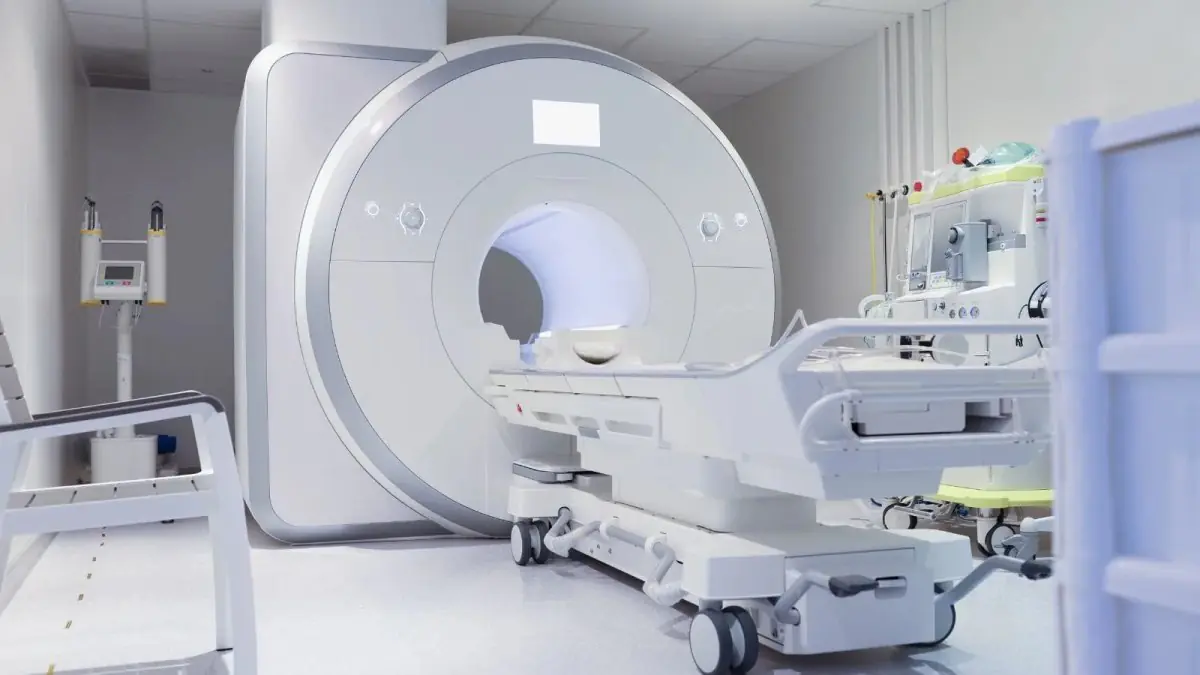
Precision is vital for successful neck and spine treatment. Prof. Dr. Kılıçkesmez uses high-resolution imaging to locate the exact source of nerve pressure or disc wear. Patients have access to a variety of diagnostic tools:
- MRI and CT scans. These provide detailed images of bone and soft tissue.
- Digital angiography. This tool helps visualize blood flow near the spine.
- Dynamic fluoroscopy. This X-ray technique shows the spine in motion.
- Ultrasound. It helps guide needles and catheters during procedures.
Minimally invasive treatment options
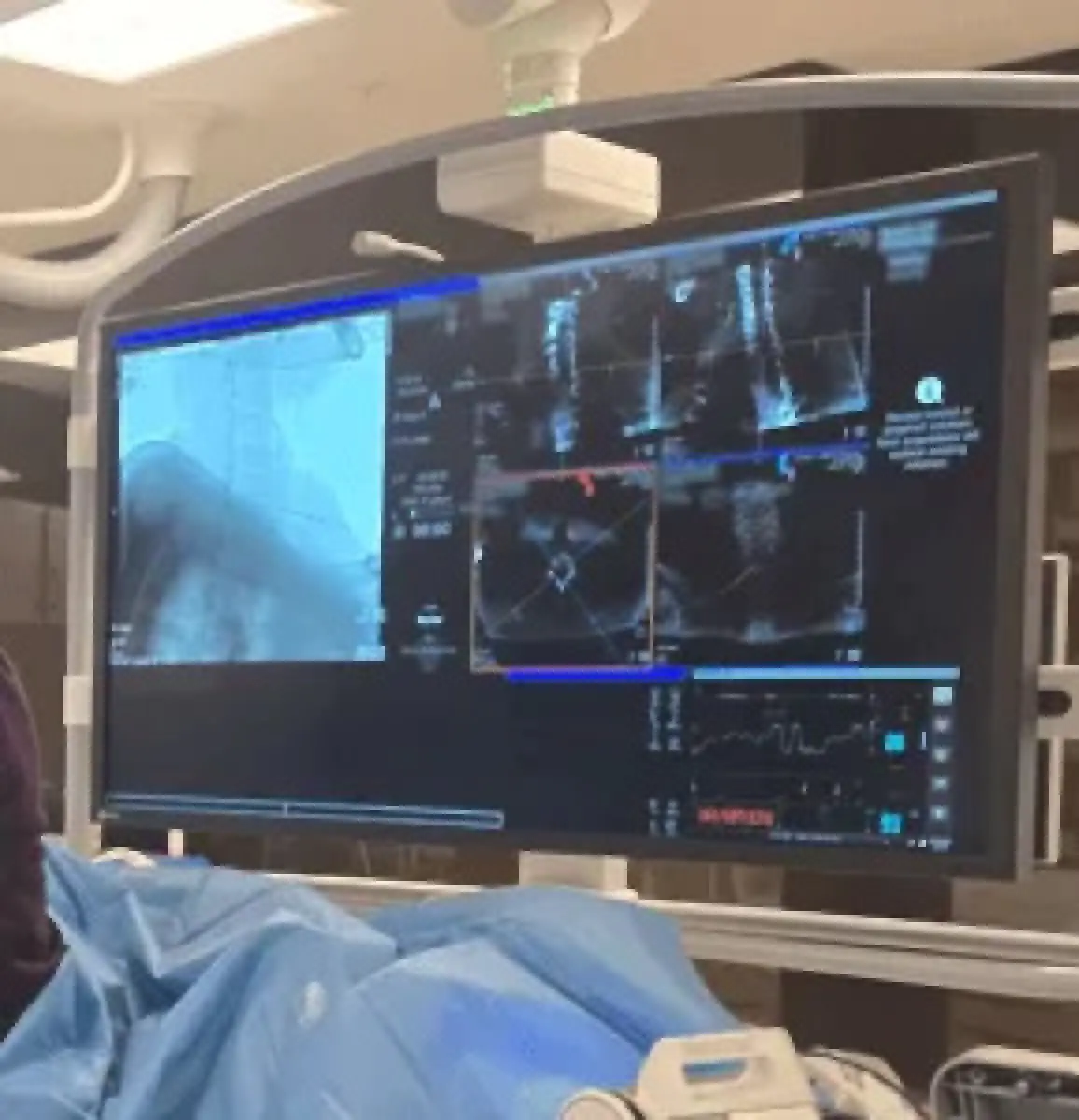
The clinic specializes in percutaneous procedures that require only local anesthesia. These methods help patients avoid traditional open surgery and shorten recovery time. Prof. Dr. Kılıçkesmez performs these treatments under continuous imaging guidance to ensure accuracy.
- Ozone therapy. Intradiscal ozone injections can reduce pain by up to 75%. The procedure has a very low complication rate of less than 0.1%.
- Radiofrequency nucleoplasty (RF). This 20-minute procedure uses radiofrequency waves to reduce pressure on nerves. It offers immediate pain relief without an incision.
- Percutaneous Laser Disc Decompression (PLDD). Laser energy vaporizes a small part of the disc tissue. This method has a success rate between 70% and 85%.
- Percutaneous cervical nucleoplasty (PCN). This uses coblation technology to decompress the disc. It is particularly effective for radicular pain.
- Epidural steroid injection. This reduces inflammation around the spinal nerves. It is a common choice to delay or avoid surgery.
Expertise of Prof. Dr. Özgür Kılıçkesmez
Prof. Dr. Kılıçkesmez leads the clinic with over 25 years of medical experience. He previously served as the head of interventional radiology at IEAH. His academic work includes over 90 international publications and 2,000+ citations. He is a reviewer for the American Journal of Roentgenology and a founding member of interventional radiology at SBÜ Çam and Sakura City Hospital. His expertise ensures that patients receive care based on validated international standards. You can request a consultation to discuss a personalized treatment plan on Bookimed.
Highlights
2 doctors
Get a free consultation

Prof. Dr. Özgür Kılıçkesmez

 The clinic is not accepting new requests
Submit your request to get the best option in Turkey
 Average answering time – 5 minutes
Treatments prices in the clinic
Last price update — 29.03.2025. Prices can be changed depending on the medical case and doctor's recommendations.
Neurosurgery
| treatment | Price | |
|---|---|---|
| Vertebral Artery Angioplasty and Stenting | Price on request | |
| Herniated disc surgery | Price on request | |
| Endoscopic discectomy | Price on request | |
| Discectomy | Price on request |
Clinic Doctors
How are we doing?
1 of
3
Information about this clinic is full and clear
1
2
3
4
5
Strongly disagree
Strongly agree
Prof. Dr. Özgür Kılıçkesmez: more details about the clinic
Turkey, Istanbul
Prof. Dr. Özgür Kılıçkesmez leads a private single-specialty practice in Istanbul focused on interventional radiology and neuroradiology. The clinic operates from one branch in Ataşehir and specializes in non-surgical, image-guided treatments. The medical team consists of two specialists who provide minimally invasive endovascular care and interventional oncology.
Academic Recognition and Certifications
Prof. Dr. Özgür Kılıçkesmez holds board certifications that reflect high standards of care. These include the European Board of Interventional Radiology (EBIR) and Turkish Board certifications in both Radiology and Interventional Radiology. He also holds a Stroke Treatment certification for neurovascular emergencies.
Prof. Dr. Kılıçkesmez has published 94 international and 40 national scientific papers. These works have earned over 2,500 citations in medical literature.
The clinic's leadership has received several professional awards:
- First prize at the Siemens Radiology Awards
- Distinguished Reviewer selection by the American Journal of Roentgenology (AJR)
- Recognition for the most cited article in the Journal of Medical Imaging and Radiation Oncology
Prof. Dr. Kılıçkesmez previously headed the Interventional Radiology Department at IEAH. He currently leads the department at Memorial Göztepe Hospital.
Interventional Neuroradiology and Spine Care
Specialists treat neurovascular conditions using endovascular techniques. These procedures address brain aneurysms and strokes through the groin or wrist. By working from within the blood vessel, surgeons avoid traditional open-skull surgery.
Spinal care follows individualized protocols for compression fractures. The team evaluates fracture age and pain severity using MRI and CT scans. They perform vertebroplasty and kyphoplasty – procedures that use fluoroscopy to guide bone cement injections into damaged vertebrae.
Interventional Oncology and Embolization
The clinic treats various tumors using non-surgical thermal ablation. Specialists select the method based on tumor size and location. Options include radiofrequency ablation, microwave ablation, and cryoablation to destroy cancer cells without large incisions.
Endovascular embolization targets several conditions:
- Prostate artery embolization for benign prostatic hyperplasia symptoms
- Thyroid artery embolization to reduce thyroid volume
- Varicocele embolization to treat enlarged scrotal veins
- Uterine artery embolization for fibroids
These procedures use microcatheters to selectively block blood flow to specific tissues or lesions.
Diagnostic Imaging and Safety
All treatments are planned using a full suite of diagnostic tools. The clinic uses MRI, CT, and digital angiography for precise procedural mapping. Ultrasound and dynamic fluoroscopy provide real-time guidance during interventions to protect healthy tissue.
Safety starts with individualized imaging evaluations. For liver procedures, the team performs image-guided percutaneous or transjugular biopsies. These methods allow accurate tissue sampling while minimizing bleeding risk.
Services for International Patients
The clinic provides medical services in several languages. Consultations and treatments are available in Turkish, English, German, Russian, and Arabic. Patients receive detailed recovery instructions and customized medication schedules after their procedures.
Specific follow-up protocols support long-term monitoring. Oncology patients undergo imaging every three months during the first year. The team also coordinates blood tests to track thyroid function or tumor markers after embolization.
Additional services
Language assistance
Available
free
Accommodation
Hotel (apartments) near the clinic, billed daily
Patient reviews
10 Google
reviews
Esma Nur Eşiyok
Sep 5, 2026
The general surgeons I consulted because of the large thyroid nodules in my throat told me that the only solution was surgery and that my thyroid needed to be completely removed. However, because I was afraid of surgery, I didn’t want to lose my organ, and instead of giving up, I searched for alternative options and discovered the Interventional Radiology department and a non-surgical ablation method. As a result of my research, my path crossed with the valuable Prof. Dr. Özgür Kılıçkesmez, a specialist in his field. He successfully performed my ablation procedure in April while preserving my organ, and at my August follow-up we saw that my nodules had shrunk by 65%. If it weren’t for Prof. Özgür, I might be lying on the operating table right now and would have lost my organ. He is truly an excellent doctor in every sense; not only with his expertise, but also with the trust he gives his patients and his humane approach. Throughout the process, because of the attention he showed, I always felt very safe. I hope he becomes a source of hope for all patients like me who are afraid of surgery and feel helpless. I’m so glad you’re here, Doctor—endless thanks!
seda taştan
Aug 21, 2026
I am very grateful to Dr. Özgür and the entire team for their care and dedication, which played a great role in helping me regain my former health after the epidural blood patch operation I underwent in April 🙏🏻
Ecem YILDIZ
Jul 29, 2026
After our son, who was diagnosed with antenatal hydronephrosis, had an unsuccessful attempt with a stent, our path crossed with Eyüp Veli Küçük through the grace of “Hoca” and then with Özgür Hoca. The UVJ stricture was severe and was challenging the doctors. We spoke with different doctors for the operation. We found the fastest and most definitive solution with Özgür Hoca. Even though it was a difficult operation, he successfully saved our son’s kidney health. Before the operation, he said he would try to the very end even if there were only a very tiny opening at the orifice. He did what he said—he managed to place the stent. We are satisfied with him; may Allah also grant our thanks and satisfaction to our hoca.
İSA EKİNCİ
Jul 23, 2026
My father, born in 1946, underwent an extremely successful minimally invasive brain surgery six years ago performed by our esteemed Prof. Dr. Özgür Kılıçkesmez. Thanks to his clear explanations before the operation, his gentlemanly manner, and his professional expertise, our family was able to get through this difficult process very comfortably. Despite the six years that have passed, my father’s health is very good. I’m glad our paths crossed—may his hands never fail. In a worrying process for patients’ families such as brain surgery, the depth of knowledge, experience, and calm approach of Dr. Özgür gave us great confidence. The expertise of our doctor and the care shown by his team are truly commendable. We sincerely thank him, my father, and our family for the value he has added.
Selahattin Atila
Jul 23, 2026
The doctor is very caring and does an excellent job—he is very good in his field. We are very satisfied.
Adile Özdemir
Jul 15, 2026
It helped us a lot with my mother’s illness; she closely followed every step of the process. Thank you very much for everything.
Rıza Can Özdemir
Jul 14, 2026
During my grandmother’s illness, our paths crossed with Professor Dr. Özgür Kılıçkesmez—no matter how much we thank him, it would never be enough. He not only has deep expertise and professionalism in his field, but he also put us at ease throughout the process with his incredible attentiveness, detailed explanations, and warm, friendly smile. If my grandmother regained her health, then Özgür Hocam’s contribution is very significant. We’re so glad you’re there—thank you so much for everything. 🙏🙏🙏
Atacan Hasanoğulları
Jul 14, 2026
May Allah grant our precious teacher good health and a long life. The Almighty Allah conveyed healing to my mother through your hands. Thank God, we met you—thank God we came across you, our valuable teacher. My mother is doing very well right now, her health is in good shape, and your prayers...
Baver TÜRK
Jul 1, 2026
I had an aneurysm surgery. Three stents were placed in my brain blood vessels. Kudos to Doctor Özgür—I had a very successful operation. I’m continuing my life from where I left off. I’m very grateful; Dr. Özgür—I would recommend him to everyone.
özlem Ular
Jun 30, 2026
At the hospital where I applied with my headaches and accompanying visual disturbance, examinations found two aneurysms in my brain with different sizes. Our paths crossed in Interventional Radiology with Dr. Özgür. He explained my disease and the treatment path to me, step by step, with all the details and risks, which put my mind at ease, and he laid out a clear treatment plan. He worked in perfect harmony with his team. I handed myself over to the process without fear, believing and trusting in it. The timing was planned appropriately, and I started my treatment. Using the catheter angiography method from the groin, my aneurysms were treated with a stent + coil. In April, I went for my 3rd-year follow-up, and everything was fine. All my aneurysms were treated, and I regained my health. I listened to what my doctor said, followed his advice, and got results from my treatment in an easy way. I sincerely thank Dr. Özgür and his team.
No matter what your illness is, if your path crosses with Özgür, don’t worry—trust your treatment.
Yeni Sahra, Karaman Cd No: 1 Kat:3, 34634 Ataşehir/İstanbul, Istanbul, Turkey, 34634

updated 10/10/2026
Get a free consultation
Prof. Dr. Özgür Kılıçkesmez
The clinic is not accepting new requests
Submit your request to get the best option in Turkey
Average answering time – 5 minutes
How it works:
- We find a medical coordinator familiar with the matter
- You get a personal offer with a step-by-step guide and the cost estimate
- We arrange your travel including appointment scheduling and flights booking
- You arrive at the hospital, we support you 24/7