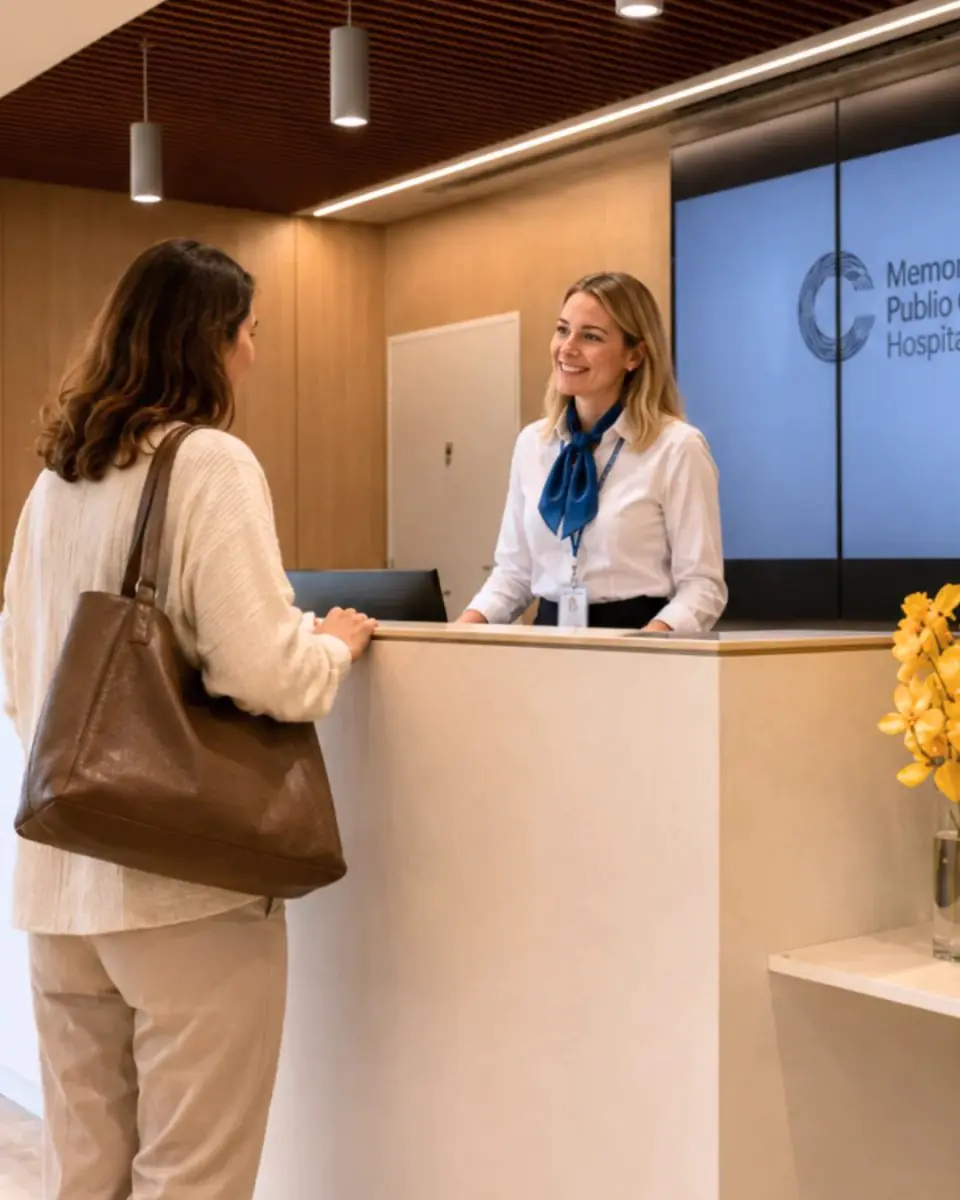
Publio Cordón Memorial Hospital is a private multi-specialty hospital in Pozuelo de Alarcón, Madrid. It opened in 2005 and operates from a single building with six specialized departments. The facility combines high-precision care with advanced technology and a patient-centered approach. Its infrastructure represents an investment of over 100 million euros.
Accreditations and Achievements
The hospital holds several international certifications for safety and quality. These include Joint Commission International (JCI) accreditation and Leading Hospitals recognition. The clinical team also maintains affiliations with specialized bodies:
- ESHRE – European Society of Human Reproduction and Embryology
- FACS – American College of Surgeons
- ASPS – American Society of Plastic Surgeons
In May 2026, the hospital celebrated its official inauguration presided over by Her Royal Highness the Infanta Doña Elena. A dedicated ward was named in her honor. The facility also reached key milestones – its first robotic knee prosthesis surgery and first percutaneous left atrial appendage closure.
Specialties and Specialized Units
The hospital provides advanced care through units for cardiology, neurosurgery, neurology, oncology, and orthopedics. Each department has sub-specialized teams for complex chronic and acute conditions. Specialists focus on minimally invasive methods and real-time monitoring.
Cardiovascular Care
The cardiovascular department includes the Hemodynamics and Interventional Cardiology Unit and the Electrophysiology and Arrhythmias Unit. Dr. Felipe Hernández Hernández focuses on complex coronary and structural heart diseases. The team performs advanced procedures:
- TAVI – replacing a heart valve via catheter
- Percutaneous closure of the left atrial appendage
- Stent implantation for coronary artery disease
- Catheter-based ablation for arrhythmias
The hospital uses a hybrid operating room, so surgeons can perform both interventional and open-heart procedures in one space. This setup increases safety during complex structural heart repairs.
Neurosurgery and Neurology
The neurosurgery department treats conditions of the brain, spinal cord, and peripheral nervous system. Dr. Fernando Ruiz Juretschke and Dr. Roberto García Leal specialize in skull base microsurgery and neurovascular procedures. The department runs specialized sub-units:
- Comprehensive Spine Care Unit – treats disc herniation and spinal stenosis
- Skull Base Microsurgery Unit – uses 3D planning for deep brain lesions
- Functional Onco-Surgery Unit – performs awake brain surgery
When tumors sit in sensitive brain areas, surgeons use cortical mapping and neurophysiological monitoring. This lets them remove maximum tumor tissue while preserving speech and mobility.
Oncology and Specialized Surgery
Oncology services split between Medical Oncology for systemic therapies and the Oncological Surgery Department. Dr. François Quenet leads the surgical oncology team, which handles high-complexity cancer cases. Treatment options include:
- HIPEC – heated chemotherapy delivered directly to the abdomen
- Targeted therapies using PARP inhibitors for ovarian cancer
- Image-guided interventional oncology
- Radiosurgery for brain tumors
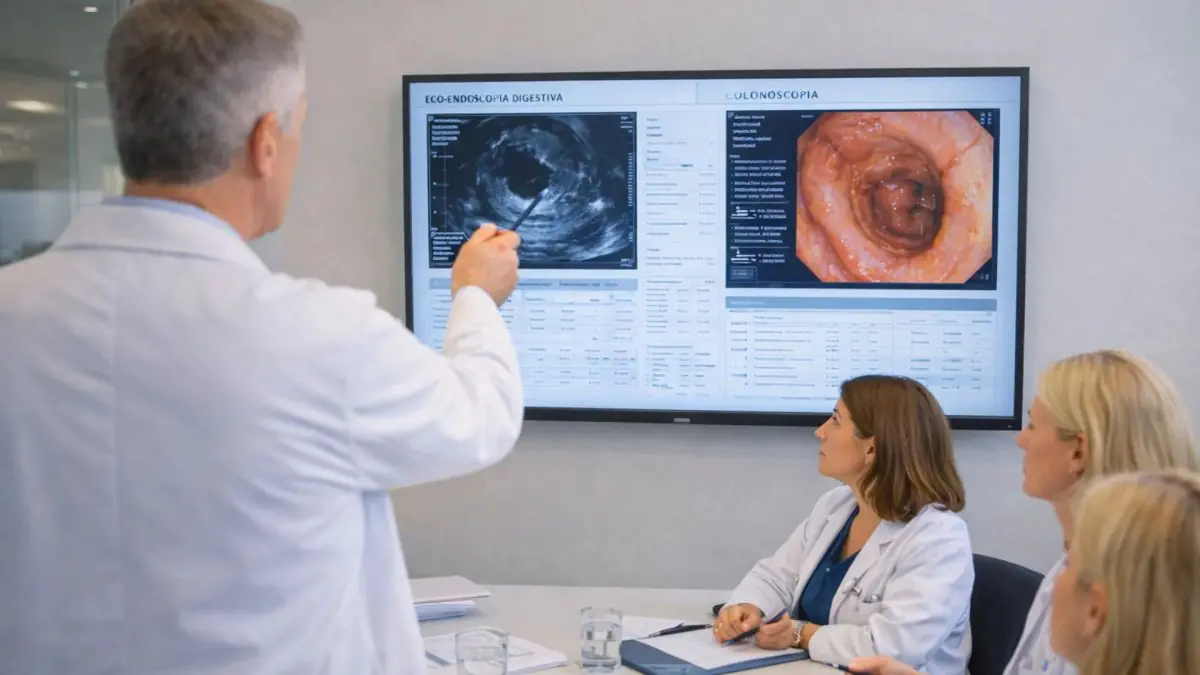
The Digestive Tumors Unit uses a multidisciplinary approach to sequence treatments for stomach and esophageal cancers. Surgeons also provide maxillofacial oncology with 3D planning for reconstruction.
Orthopedics and Traumatology
The orthopedics department features a Knee Unit and a hip program focused on rapid recovery. Dr. Carlos Encinas leads the Knee Unit, where surgeons performed the hospital's first robot-assisted prosthesis surgery.
The hip program uses a minimally invasive anterior approach for replacements. This technique confirms implant position with intraoperative X-rays – without cutting major muscles.
Medical Equipment and Diagnostic Technology
The hospital's infrastructure includes the Da Vinci 5 surgical robot. This system enables high-precision operations in urology, gynecology, and general surgery. A full imaging suite supports diagnostic accuracy:
- PET-CT with Gallium 68 – for precise neuroendocrine tumor imaging
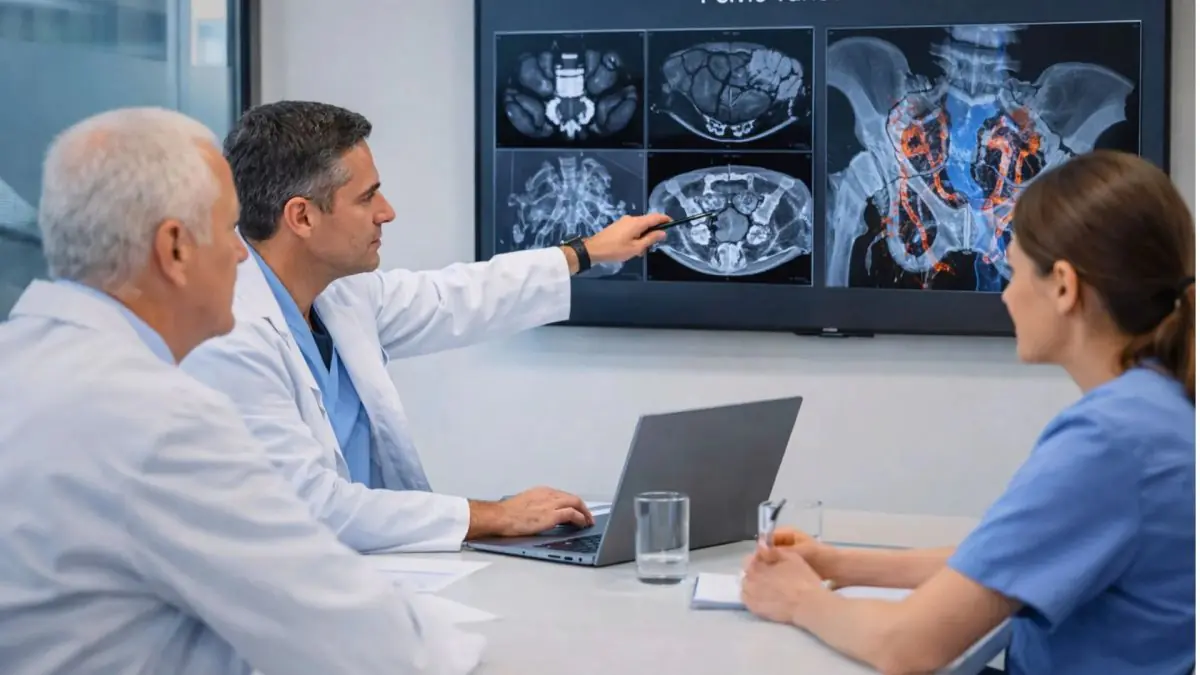
- High-definition MRI and CT scanners
- Digital mammography and scintigraphy
- Polysomnography for sleep disorder diagnosis
Services for International Patients
Publio Cordón Memorial Hospital has a dedicated international patient team to coordinate care for travelers. Staff assist from the first remote consultation through post-treatment follow-up. Support services include:
- Guidance for medical visas and accommodation
- Airport and hotel transfers
- Interpreter services in Spanish and English
- Online follow-up consultations and recovery monitoring
The hospital requires a review of medical records before arrival, so patients must submit reports in English or Spanish. After returning home, patients receive structured recommendations and ongoing support through digital channels.


 The clinic is not accepting new requests
 Average answering time – 5 minutes
