Kiran Gawde
Sep 1, 2026
I have referred so many people here always happy with the outcome, the place is serene near the foothills of sahyadri, they have very compassionate about their work, I would highly recommend this rehab
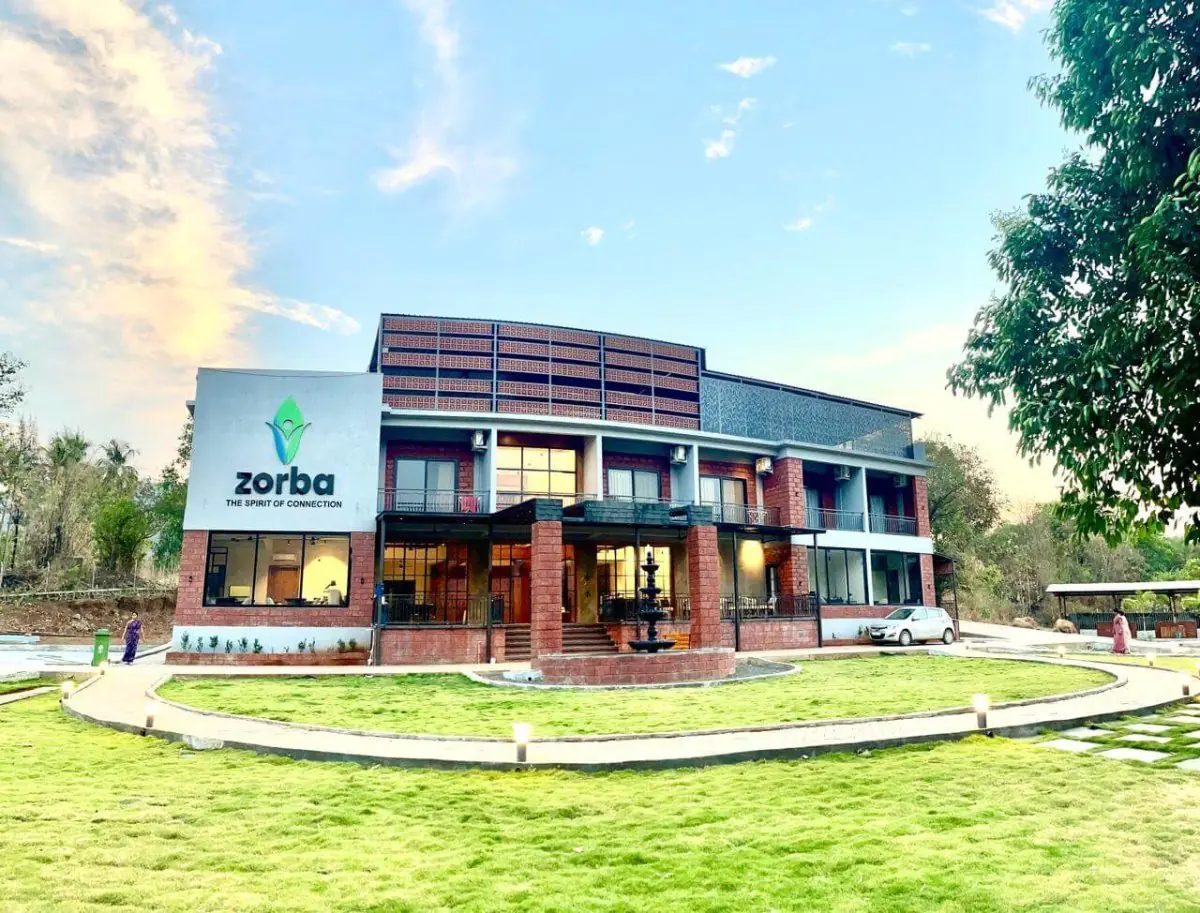
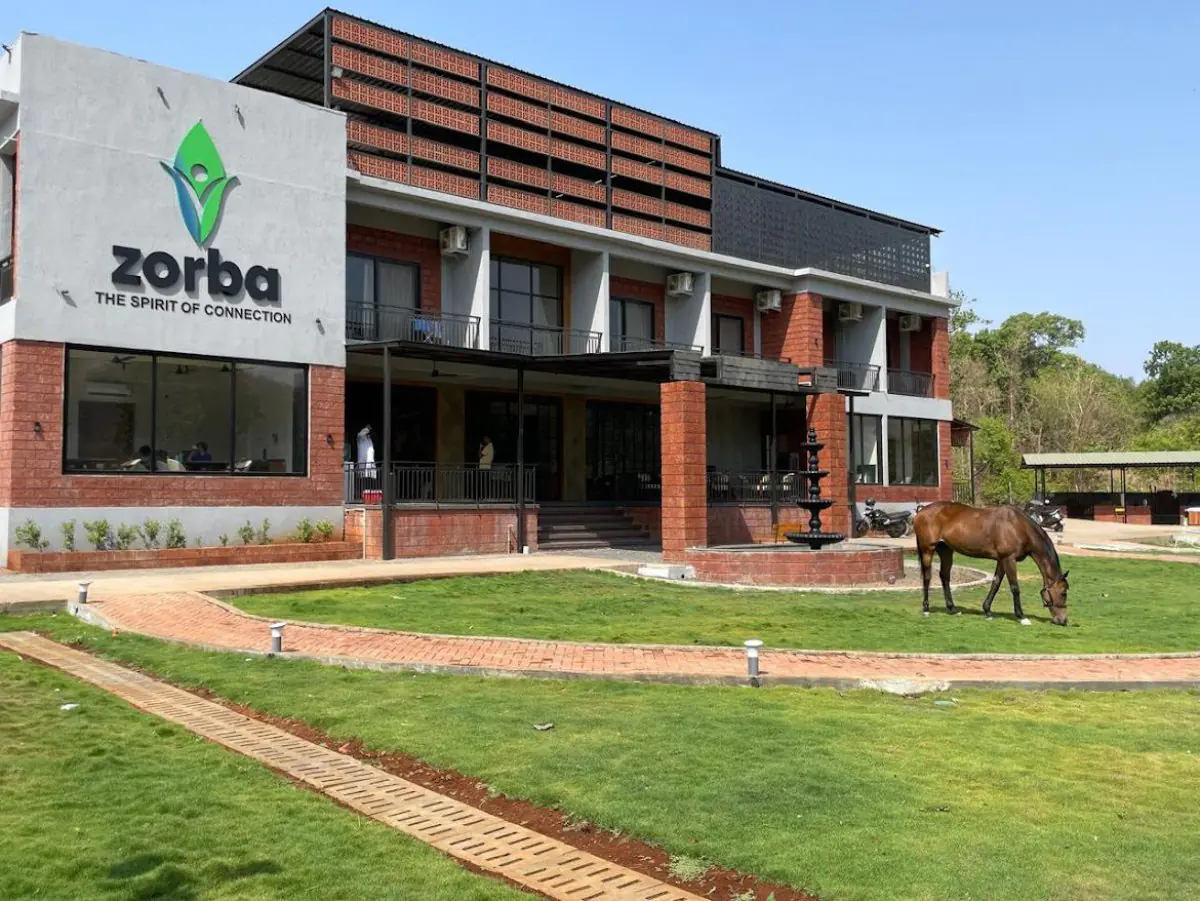

Treatment for addiction triggers at ZorbaCare in Pune, India, focuses on identifying and managing the deep-seated causes of chemical dependency. The facility holds ISO 9001 accreditation and is verified by RehabPath for its standards of care. Dr. Siddharth Jhaveri, a specialist in chemical dependency with over 15 years of experience, leads the clinical strategy and treatment protocols at the clinic.
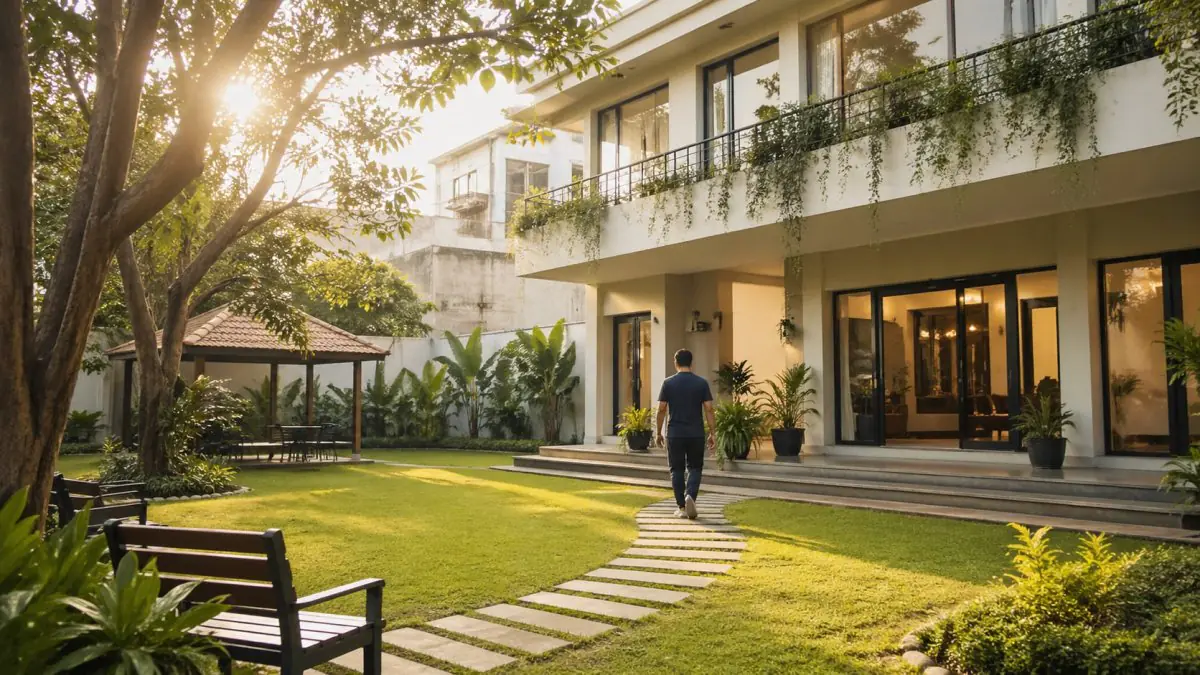
The clinic operates from a private luxury estate and maintains a voluntary, open-setting policy. Unlike traditional centers, it does not use a lock-up approach. This helps build trust and encourages lasting recovery by teaching patients how to handle real-world triggers in a supportive environment. The program is specifically designed to address internal and external cues that lead to cravings.
Understanding a patient’s specific triggers is the first step in the recovery process. The clinical team performs a thorough evaluation to create a personalized care plan.
The clinic uses a three-phase clinical pathway including medical detox, active rehab, and long-term aftercare. The treatment focuses on building a toolkit of coping responses for everyday life.
Recovery continues after the patient leaves the residential facility. ZorbaCare provides a structured aftercare plan to help maintain sobriety in the long term.
You can request a consultation through Bookimed to learn more about the recovery programs available at this clinic.

 The clinic is not accepting new requests
 Average answering time – 5 minutes
| treatment | Price | |
|---|---|---|
| Alcoholism treatment | Price on request | |
| Comprehensive rehabilitation | Price on request | |
| Relapse Prevention | Price on request | |
| Transcranial magnetic stimulation (TMS) | Price on request |
ZorbaCare Rehabilitation & Mental Health Centre is a private residential facility in Pune, India. Established in 2010, the center operates as a voluntary treatment estate near Mumbai. It focuses on psychiatrist-led care for addiction and co-occurring mental health conditions. All programs run in a luxury estate setting that emphasizes confidentiality and dignity.
ZorbaCare holds ISO 9001 accreditation, reflecting international quality management standards. The center employs seven doctors and specialized medical support staff. Families across India have shared more than 250 five-star reviews about their treatment experiences.
The clinical model is strictly voluntary and follows a "never a lock-up" policy. This approach helps maintain patient trust from day one. Consultant psychiatrists oversee every recovery plan to ensure clinical structure and safety. The facility provides 24/7 support within its residential model. Discreet admissions and private rooms are standard for all patients.
The center manages the full recovery journey through a flagship three-phase clinical pathway. This integrated approach addresses both substance dependency and mental health conditions under one roof:
For patients with dual diagnosis, the team combines addiction and mental health treatment into a single plan. This is essential when addiction overlaps with anxiety, depression, or trauma. Dr. Sayantani Mukherjee and Dr. Sonia Malhotra lead these interventions. They bring 16 and 10 years of experience respectively. Dr. Siddharth Jhaveri, a specialist in chemical dependency, contributes over 20 years of expertise.
Psychotherapy services use evidence-based talk therapies to address the root causes of addiction. These methods help patients identify triggers and build healthy coping skills. The therapeutic curriculum includes:
Aftercare services help prevent relapse during the first vulnerable year after discharge. Patients receive regular clinical check-ins and relapse-prevention planning. They also gain access to an alumni support network. The center offers private sober companions and family programs to strengthen recovery at home.
ZorbaCare uses Transcranial Magnetic Stimulation (TMS) as an advanced treatment option. This non-invasive technology uses magnetic fields to stimulate nerve cells in the brain. It often helps patients who haven't responded to standard medication or therapy. The center also uses ABA therapy for specific behavioral health needs.
Diagnostic services include thorough examinations for alcohol and drug abuse. These assessments create personalized treatment plans. Specialists perform detailed evaluations for schizophrenia and other complex mental health conditions. This ensures every patient receives a plan tailored to their specific diagnosis and severity.
The center treats international families, including Non-Resident Indians (NRIs) seeking care in Pune. Staff provide support for admission and travel coordination across India. Coordinators communicate directly in English and Hindi. The facility features private residential rooms in a calm estate environment for a comfortable recovery stay.
 The clinic is not accepting new requests
Average answering time – 5 minutes
The clinic is not accepting new requests
Average answering time – 5 minutes