Immunotherapy with Keytruda (Pembolizumab) in Italy — Get 3 Top Clinic Matches with Costs
Immunotherapy with keytruda in Italy is offered by San Raffaele in Milan. The clinic is rated 4.6/5 in 71 verified patient reviews on Bookimed.


Medically reviewed by
Yesim Yildirim
How Much Does Immunotherapy with Keytruda (Pembolizumab) Cost in Italy?
| Italy | Turkey | Austria | |
|---|---|---|---|
| Immunotherapy with Keytruda (Pembolizumab) | ≈ $4,300 | from $2,800 | ≈ $5,800 |
Your Benefits and Guarantees with Bookimed
Transparent Prices & Flexible Installments
No hidden fees – just official clinic prices. Pay at the clinic for Immunotherapy with Keytruda (Pembolizumab) upon arrival and use a flexible installment plan if needed.
Verified Clinics & Doctors Only
Bookimed is committed to your safety. We only work with medical institutions that maintain high international standards in Immunotherapy with Keytruda (Pembolizumab) and have the necessary licenses to serve international patients worldwide.
Free 24/7 Assistance
Bookimed offers free expert assistance. A personal medical coordinator supports you before, during, and after your treatment, solving any issues. You're never alone on your Immunotherapy with Keytruda (Pembolizumab) journey.

Your personal Bookimed medical coordinator
- Supports you at every stage
- Helps choose the right clinic and doctor
- Ensures quick and convenient access to information
Discover the Best Immunotherapy with Keytruda (Pembolizumab) Clinics in Italy: 1 Verified Option and Prices


Immunotherapy with Keytruda (Pembolizumab) Overview in Italy
Day 1
- Arrive in the country and check into accommodation.
- Prepare for initial medical tests the next day.
Day 2
- Undergo a complete blood count with cancer markers.
- Perform a proteinogram to assess your protein levels.
Day 3
- Consultation with oncologist to discuss test results.
- Plan and schedule for Immunotherapy with Keytruda (Pembolizumab).
Day 4-5
- Start Immunotherapy with Keytruda (Pembolizumab).
- The session lasts for about 30 minutes to 4 hours.
- No anesthesia is required for this treatment.
Day 6
- Post-treatment consultation with oncologist.
- Discussion about the side effects and precautions.
Day 7
- Rest and recover in your accommodation.
- Prepare for the journey back home.
Weeks 2-4
- Monitor for any side effects or reactions.
- Contact the clinic if any concerns arise.
Please note that each patient"s experience may vary, and you should always follow the advice of your healthcare provider.
- Bookimed deposit: $200 or €200.
- Clinic deposit: Pay a set percentage in advance.
Video Stories from Bookimed Patients
Reviews about Bookimed: Discover Patients' Insights
All reviews


Share this content
 Anna Leonova
Fast Facts about Immunotherapy with Keytruda (Pembolizumab)
Immunotherapy with Keytruda (Pembolizumab)
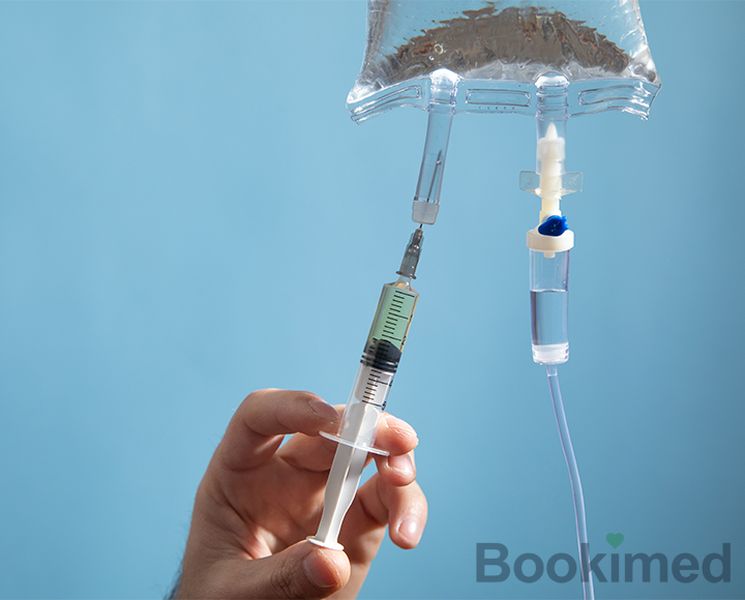
Keytruda, a form of immune-based therapy, leverages the body's immune system to target and destroy cancer cells using monoclonal antibodies.
FAQ about Immunotherapy with Keytruda (Pembolizumab) in Italy
Is Keytruda reimbursed by the Italian National Health Service (SSN)?
The Italian National Health Service (SSN) reimburses Keytruda (pembrolizumab) for specific oncological indications approved by the Italian Medicines Agency (AIFA). Categorized as Class H, the drug is fully covered when administered within hospital settings for conditions like melanoma, lung cancer, and cervical cancer.
- Regulatory oversight: AIFA manages reimbursement through mandatory monitoring registers to track patient safety.
- Reimbursed indications: Coverage includes advanced non-small cell lung cancer and stage III melanoma.
- Clinical requirements: Patients must meet indication-specific criteria and register in official monitoring databases.
- Recent expansions: Reimbursement now includes first-line treatment for advanced or metastatic PD-L1+ cervical cancer.
Bookimed Expert Insight: While technically a national system, Bookimed data shows regional variations in approval speeds. Centers in Milan, such as San Raffaele, often navigate these protocols efficiently due to their IRCCS accreditation. This status combines clinical care with advanced research, streamlining the administrative process for immunotherapy.
Patient Consensus: Patients emphasize starting paperwork early as authorization can take several weeks. If the initial request is denied, many report successful reimbursement after appealing with more clinical data.
What cancers is Keytruda approved for in Italy?
Keytruda (pembrolizumab) is approved in Italy for diverse malignancies following European Medicines Agency (EMA) centralized authorizations. The Italian Medicines Agency (AIFA) regulates national reimbursement for advanced melanoma, non-small cell lung cancer, renal cell carcinoma, and various gastrointestinal, gynecologic, and hematologic cancers.
- Respiratory cancers: Covers advanced non-small cell lung cancer and malignant pleural mesothelioma.
- Gastrointestinal indications: Approved for esophageal, gastric, biliary tract, and MSI-H colorectal cancers.
- Genitourinary types: Used for renal cell carcinoma and urothelial carcinoma treatments.
- Gynecologic cancers: Authorization includes endometrial, cervical, and specific ovarian or fallopian cancers.
Bookimed Expert Insight: Italian research centers like San Raffaele in Milan integrate Keytruda into advanced research-driven protocols. While AIFA manages reimbursement, Northern Italian facilities often provide faster diagnostic processing for PD-L1 testing. This logistical speed can significantly accelerate the start of immunotherapy compared to other regions.
Patient Consensus: Patients report that melanoma and lung cancer indications move the fastest through the public system. Early PD-L1 testing is essential to avoid common multi-week delays in starting treatment.
What are the common and serious side effects of Keytruda?
Common side effects of Keytruda (pembrolizumab) include fatigue, skin rashes, and digestive issues. While usually manageable, serious risks involve immune-mediated inflammation where the body attacks healthy organs. Italian research centers like San Raffaele monitor patients closely for pneumonitis, colitis, and thyroid dysfunction during treatment.
- Common symptoms: Fatigue affects 28% of patients, alongside nausea, cough, and musculoskeletal pain.
- Organ inflammation: Immune-mediated reactions can cause lung, liver, kidney, or colon inflammation.
- Hormonal changes: Keytruda may damage the thyroid, adrenal, or pituitary glands during therapy.
- Serious skin reactions: Rare conditions like Stevens-Johnson syndrome require immediate medical attention and intervention.
Bookimed Expert Insight: Italian IRCCS-accredited hospitals like San Raffaele combine treatment with high-level research. This dual approach helps clinicians catch rare immune-mediated side effects early. Patients benefit from specialized multidisciplinary teams that manage complex endocrine or neurological reactions during long-term immunotherapy cycles.
How is Keytruda administered and what new option is available?
Keytruda is traditionally administered via a 30-minute intravenous infusion into a vein every 3 or 6 weeks. A new subcutaneous injection now allows administration in only 2 to 5 minutes. This version delivers the medication just under the skin of the thigh or abdomen.
- Intravenous infusion: Administered every 3 weeks (200 mg) or 6 weeks (400 mg).
- Subcutaneous injection: This new option reduces clinic chair time by nearly 50%.
- Treatment frequency: Dosing intervals remain consistent at 3 or 6 weeks.
- Mechanism: Added enzymes help the body absorb the subcutaneous medicine quickly.
Bookimed Expert Insight: Italian research centers like San Raffaele often lead in adopting these faster delivery methods. While the subcutaneous option saves time, regional public health availability across Italy fluctuates. Choosing private oncology care in Milan may ensure immediate access to 5-minute injection sessions.
Patient Consensus: Patients report that subcutaneous injections significantly improve comfort by preventing vein fatigue. Many recommend tracking thyroid levels early as immune side effects remain identical between both methods.
How do patients access Keytruda treatment in Italy?
Patients access Keytruda in Italy through the Servizio Sanitario Nazionale (SSN) or private oncology centers. The Italian Medicines Agency (AIFA) regulates eligibility based on clinical indications. Access requires an oncologist prescription, biomarker testing like PD-L1 expression, and administration at certified hospitals or research institutes.
- System regulation: AIFA manages pricing and national reimbursement protocols.
- Access barriers: Biomarker testing for PD-L1 is mandatory for most indications.
- Facility types: Delivery occurs in specialized IRCCS research hospitals like San Raffaele.
- Regional variation: Approval speeds vary between northern and southern Italian health authorities.
Bookimed Expert Insight: Italian research hospitals like San Raffaele combine clinical care with extensive research activity. This dual status often grants patients access to newer immunotherapy protocols earlier than standard clinics. Focus on centers with IRCCS accreditation to ensure the most current oncology standards.
Patient Consensus: Patients report that private clinics provide much faster access, usually within 2 to 4 weeks. Most emphasize bringing complete genetic and imaging reports to the first visit to prevent significant delays.
What is the typical response rate observed with Keytruda?
Keytruda (pembrolizumab) shows a wide range of response rates, generally averaging 33.8% across various cancers. Effectiveness depends heavily on PD-L1 expression and genetic indicators like MSI-H. Reported outcomes vary from 11% in gastric cancer to over 80% in specific Hodgkin lymphoma cases.
- Hodgkin lymphoma: Clinical data shows high objective response rates ranging from 73% to 83%.
- Advanced melanoma: Response rates typically vary between 21% and 34% for refractory cases.
- Lung cancer: Monotherapy for high PD-L1 patients achieves approximately 44.8% response rates.
- Genetic markers: Tumors with high microsatellite instability (MSI-H) average roughly 39.6% response.
Bookimed Expert Insight: Italian research centers like San Raffaele in Milan manage massive volumes, serving 300,000 patients annually. This scale is vital for immunotherapy because high-volume centers often possess more granular data on PD-L1 testing. Choosing these experienced hubs ensures more accurate response predictions based on your specific biomarker profile.
Patient Consensus: Many patients emphasize that initial scans at 8–12 weeks might show no change. They suggest viewing stable disease as a significant clinical victory even without a full response.
Are there accelerated access routes for Keytruda in Italy?
Italy offers several accelerated access routes for Keytruda, primarily through the Italian Medicines Agency (AIFA) framework. Patients access these therapies via the Law 648/96 list, compassionate use programs, or the AIFA National Fund. These pathways ensure treatment for patients with urgent medical needs before full national reimbursement.
- Law 648/96 list: Provides early reimbursement for medicines with significant unmet clinical needs.
- Compassionate use: Allows pharmaceutical companies to provide treatments like Pembolizumab free of charge.
- AIFA 5% fund: Finances individual requests for innovative drugs in serious disease cases.
- Class C-nn status: Permits local hospitals to purchase EMA-authorized drugs using regional funds.
Bookimed Expert Insight: Northern Italian medical centers like San Raffaele often process early access requests faster due to local regional funding. The IRCCS accreditation at these research hospitals combines clinical care with active immunotherapy trials. Patients should target these research-heavy facilities first to increase their chances of securing early access status.
Patient Consensus: Many patients recommend bringing printed AIFA guidelines to initial consultations to clarify eligibility for compassionate use. Local support groups suggest budgeting for one private dose while waiting for regional reimbursement paperwork processing.