Robotic Spine Surgery in Istanbul — Get 3 Top Clinic Matches with Costs


Medically reviewed by
Ali Zirh
How Much Does Robotic spine surgery Cost in Istanbul?
Robotic spine surgery in Istanbul typically costs from $9,000. Prices depend on the chosen robotic system, the complexity of the spinal condition, and the hospital's infrastructure. Patients save around 87% compared to the US, where this procedure costs $87,500 on average. Standard packages in Istanbul hospitals often include preoperative imaging, surgeon fees, several nights of hospital stay, and VIP airport transfers.
- Robotic-assisted technology: Typically adds 20-30% to the base price of standard spinal fusion protocols.
- Hospital stay: Higher-tier facilities include five to seven nights of inpatient care with meals.
- Clinical complexity: Cases involving multiple vertebrae or scoliosis correction generally require a larger budget.
- Imaging and diagnostics: Most estimates include necessary 3D preoperative imaging like CT or MRI scans.
Bookimed Expert Insight: Istanbul serves as Turkey's primary hub for robotic neurosurgery, concentrated in JCI-accredited centers that focus on international medical tourism. Memorial Şişli Hospital, the first in Turkey to earn JCI status, and Medipol Mega University Hospital demonstrate high volume with specialized systems like Da Vinci. This concentration of technology allows surgeons like Prof. Erkan Kaptanoglu to maintain deep expertise in complex spinal oncological and reconstructive surgeries.
| Istanbul | Austria | Spain | |
|---|---|---|---|
| Robotic spine surgery | from $9,000 | ≈ $21,000 | from $25,000 |
Your Benefits and Guarantees with Bookimed
Transparent Prices & Flexible Installments
No hidden fees – just official clinic prices. Pay at the clinic for Robotic spine surgery upon arrival and use a flexible installment plan if needed.
Verified Clinics & Doctors Only
Bookimed is committed to your safety. We only work with medical institutions that maintain high international standards in Robotic spine surgery and have the necessary licenses to serve international patients worldwide.
Free 24/7 Assistance
Bookimed offers free expert assistance. A personal medical coordinator supports you before, during, and after your treatment, solving any issues. You're never alone on your Robotic spine surgery journey.

Your personal Bookimed medical coordinator
- Supports you at every stage
- Helps choose the right clinic and doctor
- Ensures quick and convenient access to information
Best Robotic spine surgery Clinics in Istanbul: 7 Verified Options and Prices
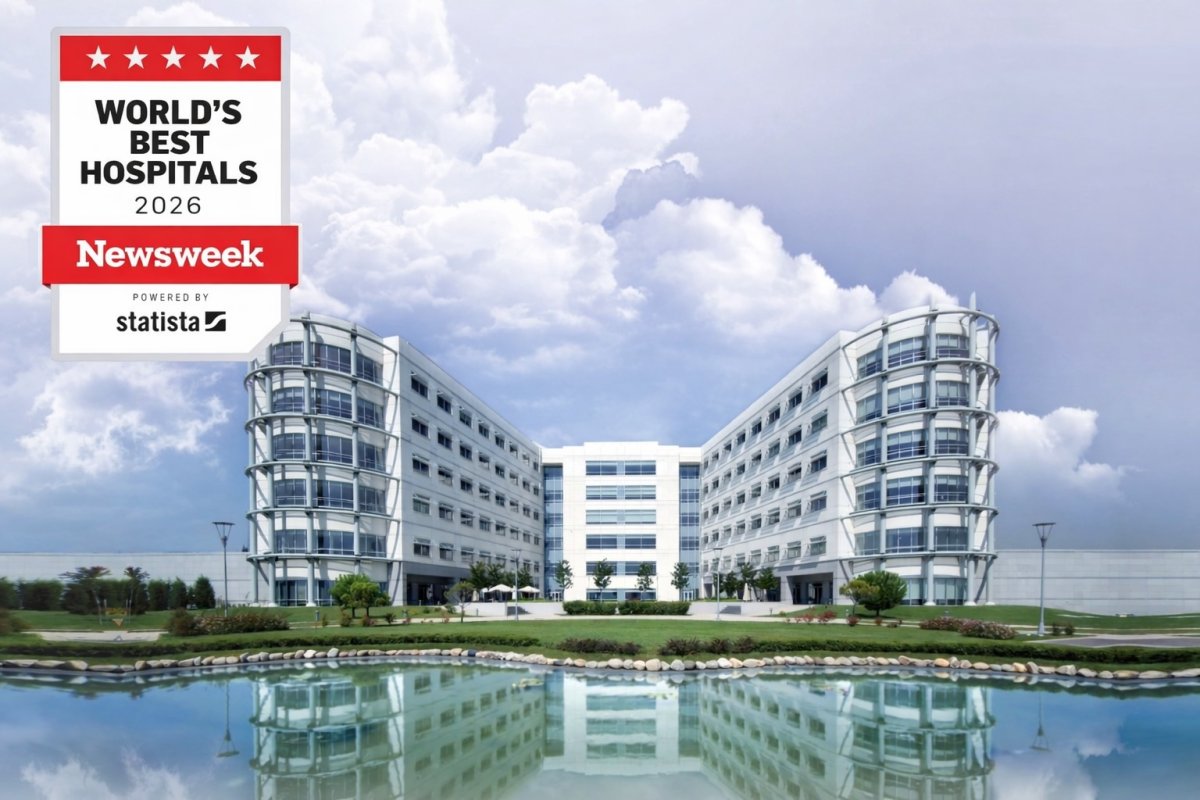









Memorial Şişli Hospital
Mehmet Aydogan






Hisar Hospital Intercontinental
Yusuf Bayram




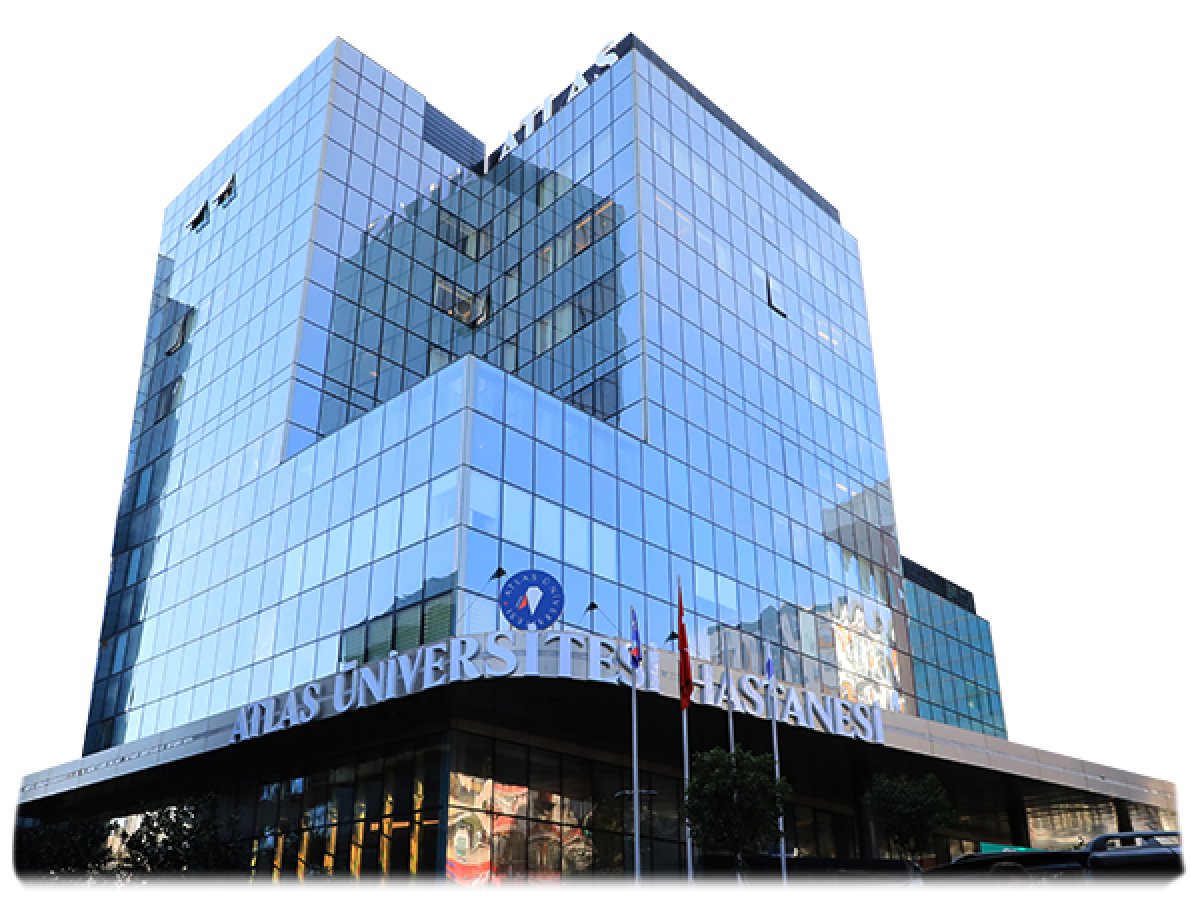
Atlas University Hospital
Mehmet Hakan Sahin






Robotic spine surgery Overview in Turkey
- Bookimed deposit: $200 or €200.
- Clinic deposit: Pay a set percentage in advance.
Our Doctors
View all Doctors
Ramazan Sari
Associate Professor in Neurosurgery with extensive experience in robotic spine surgery at Istanbul Florence Nightingale Hospital.
- Specialized in neurosurgery at S.B. Göztepe Training and Research Hospital
- Contributed to establishing the neurosurgery department at Medipol University
- Proficient in advanced neurosurgical techniques and academic teaching
- Works at one of Turkey's leading hospitals for neurosurgery

Salih Murat Imer
Professor Imer brings 41 years of neurosurgical expertise, specializing in advanced spine techniques at Istanbul Florence Nightingale Hospital.
- Board-certified neurosurgeon with extensive robotic spine surgery experience
- Trained in functional neurosurgery and stereotactic techniques in Finland and France
- Published 68 articles and contributed to 9 book chapters on neurosurgery
- Holds multiple international certifications in endoscopic and minimally invasive spine procedures
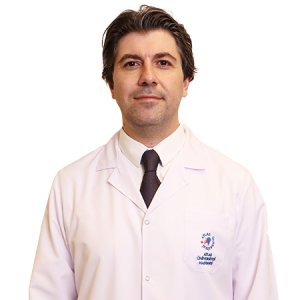
Mehmet Hakan Sahin
Dr. Mehmet Hakan Şahin is a neurosurgeon at Atlas University Hospital (as of 2026). He specializes in neuro-oncological and neurovascular surgery. He also performs skull base, complex cranial, and spine surgery. He was an Assistant Professor at Atatürk University (2019–2024). He served at UW Health (2024–2025).
He has 29 international peer-reviewed papers and 11 national papers. He has written 5 textbook chapters. He has given 7 oral presentations, including at AANS 2025 and a 2024 panel on supratotal glioma resection. His honors include the 2024 Turkish Neurosurgery Association Young Neurosurgeon Incentive Award (Second Prize) and 1st Prize at the 1st Yaşargil Microneurosurgery Academy. He holds the Turkish Neurosurgery Qualification Certificate (2023). He has been a member of the Turkish Neurosurgery Association since 2017 (No. 1620).

Halil Can
Specializes in minimally invasive spine techniques – Prof. Halil Can's research informs his precision in robotic spine surgery.
- Performs endoscopic and microsurgical disc surgeries for spinal conditions
- Published multiple studies on lumbar anatomy for surgical approaches
- Professor at Istanbul University with extensive academic contributions
Reviews about Bookimed: Discover Patients' Insights
All reviews






Share this content
 Anna Leonova

FAQ about treatment in Turkey
Why is Istanbul a popular destination for robotic spine surgery?
Istanbul is a leading global hub for robotic spine surgery. The city combines Joint Commission International-accredited facilities with highly specialized neurosurgeons. Advanced guidance systems and minimally invasive techniques deliver high precision, and wait times are much shorter than in Western healthcare systems.
- Cost efficiency: Patients access specialized care from $9,000.
- Advanced technology: Leading centers like Memorial Bahçelievler Hospital use Da Vinci robotic systems.
- Elite expertise: Surgeons like Prof. Salih Murat Imer hold multiple international neurosurgical certifications.
- Integrated logistics: Clinics provide turnkey support including VIP transfers, translators, and luxury accommodations.
Bookimed Expert Insight: Competitive pricing draws patients to Istanbul, but the real edge is the scale of the hospitals. Large complexes like Medipol Mega serve over 1,000,000 patients a year. High patient volume lets these centers reinvest in the latest tech — like 3 Tesla MRI and O-arm imaging — faster than smaller European facilities.
Patient Consensus: Patients value the simple administration and direct WhatsApp communication for quick scheduling. Avoiding year-long waitlists brings enough emotional relief to outweigh the logistics of traveling abroad for complex spinal care.
How long do international patients need to stay in Istanbul for robotic spine surgery?
International patients typically stay in Istanbul for 10 to 14 days for robotic spine surgery. Robotic techniques help patients mobilize faster. However, surgeons still need a multi-day buffer. They monitor for early complications and verify mobility. They also check that the surgical site can handle pressurized long-haul flights.
- Minimum safe stay: Most patients need 10 days before getting fit-to-fly clearance.
- Hospital monitoring: Inpatient care lasts 2 to 3 days for immediate post-operative recovery.
- Hotel recovery: Clinics usually schedule 8 hotel days for wound checks and therapy.
- Complexity buffer: Complex multi-level fusions often extend the recommended stay to 21 days.
Bookimed Expert Insight: Robotic systems like Da Vinci at Memorial Bahçelievler Hospital reduce physical trauma. However, the real recovery bottleneck is sitting tolerance. Data shows most patients are discharged the next morning. But long-haul flights before day 10 often cause discomfort at the surgical site. We recommend choosing clinics near Istanbul Airport. This minimizes ground travel during the sensitive first week.
Patient Consensus: Patients emphasize that the first few days are the most challenging due to early swelling. Most feel that staying at least 10 days is vital for managing initial pain. It also makes sure the wound is stable before traveling home.
What are the main benefits of choosing robotic-assisted spine surgery over open surgery in Istanbul?
Robotic-assisted spine surgery in Istanbul offers over 98 percent pedicle screw accuracy and less blood loss. The technology uses 3D mapping and keyhole incisions to preserve healthy muscle tissue. It also lowers infection risks after surgery compared to traditional open procedures.
- Surgical precision: Sub-millimeter navigation leads to very accurate hardware placement and a lower risk of nerve damage.
- Reduced trauma: Small keyhole incisions reduce muscle retraction, so there is less tissue damage and scarring.
- Lower radiation: Robotic guidance means continuous X-rays are not needed while the hardware is placed.
- Faster recovery: Patients feel less pain after surgery, and hospital stays are typically 50 percent shorter.
Bookimed Expert Insight: Istanbul clinics like Anadolu Medical Center or Memorial Bahçelievler pair JCI-accredited safety with high procedure volumes. The real benefit comes from the surgeon's experience. Top specialists here have performed over 2,000 surgeries. Costs range from $9,000. Yet the true value is how these robots help navigate difficult anatomies. These cases might otherwise require a switch to open surgery.
Patient Consensus: Patients feel safer knowing that computer-guided accuracy is used for complex fusions like TLIF. They often note that the first 90 days of healing feel much easier than with traditional back surgery.
What is robotic spine surgery and how does it work?
Robotic spine surgery uses a computer-assisted robotic arm as a high-precision navigation system. It guides neurosurgeons during spinal fusions and deformity corrections. The system acts like a GPS. It uses real-time 3D mapping to help surgeons place hardware with sub-millimeter accuracy.
- Pre-operative planning: Surgeons upload CT scans into software to map exact screw trajectories and implant sizes.
- Real-time registration: The robotic system syncs the digital 3D plan with the patient's physical anatomy.
- Robotic guidance: A rigid robotic arm locks into position, guiding the surgeon's tools along precise paths.
- Precision benefits: Increased accuracy reduces nerve damage risks and minimizes tissue trauma during complex spinal procedures.
Bookimed Expert Insight: In Istanbul, clinics like Medipol Mega and Memorial Bahçelievler use Da Vinci systems. These systems enhance complex neurosurgery. Procedure prices range from $9,000. But the real value lies in the surgeon's experience. Prof. Salih Murat Imer holds specialized certifications in endoscopic and robotic-assisted techniques. This expertise is more critical for success than the brand of the robot itself.
Patient Consensus: Patients emphasize that the robot provides guidance. But the surgeon remains in total control. The technology offers faster access to care. Still, recovery requires standard post-operative caution, even with the high-tech approach.
What spinal conditions can be treated with robotic assistance in Istanbul?
Robotic spine surgery in Istanbul effectively treats complex spinal deformities, degenerative diseases, and traumatic injuries. It is done in JCI-accredited facilities. Specialized neurosurgeons use systems like Da Vinci to place hardware with high precision. They treat scoliosis, kyphosis, spinal stenosis, and multi-level vertebral fusions that need sub-millimeter accuracy.
- Spinal deformities: Corrects complex scoliosis and kyphosis through precise multi-level screw and rod alignment.
- Degenerative conditions: Manages severe spinal stenosis and spondylolisthesis using robotic-guided stabilization and bone removal.
- Disc disorders: Treats herniated discs and degenerative disc disease via high-accuracy interbody fusion procedures.
- Trauma and tumors: Stabilizes vertebral fractures and performs precision resections of spinal tumors near nerves.
Bookimed Expert Insight: While robotic systems are often highlighted, the greatest benefit in Istanbul is hardware placement accuracy. Data shows clinics like Memorial Bahçelievler combine JCI standards with specialized robotic tools to improve pedicle screw safety. Patients should check whether the robot only navigates or performs the full operation. This affects the final price, which ranges from $9,000.
Patient Consensus: Patients appreciate robotic assistance for smaller incisions and faster recovery compared to traditional open surgery. Patients often choose Istanbul specifically for high-precision fusion after being denied minimally invasive options elsewhere.