Medical disclaimer
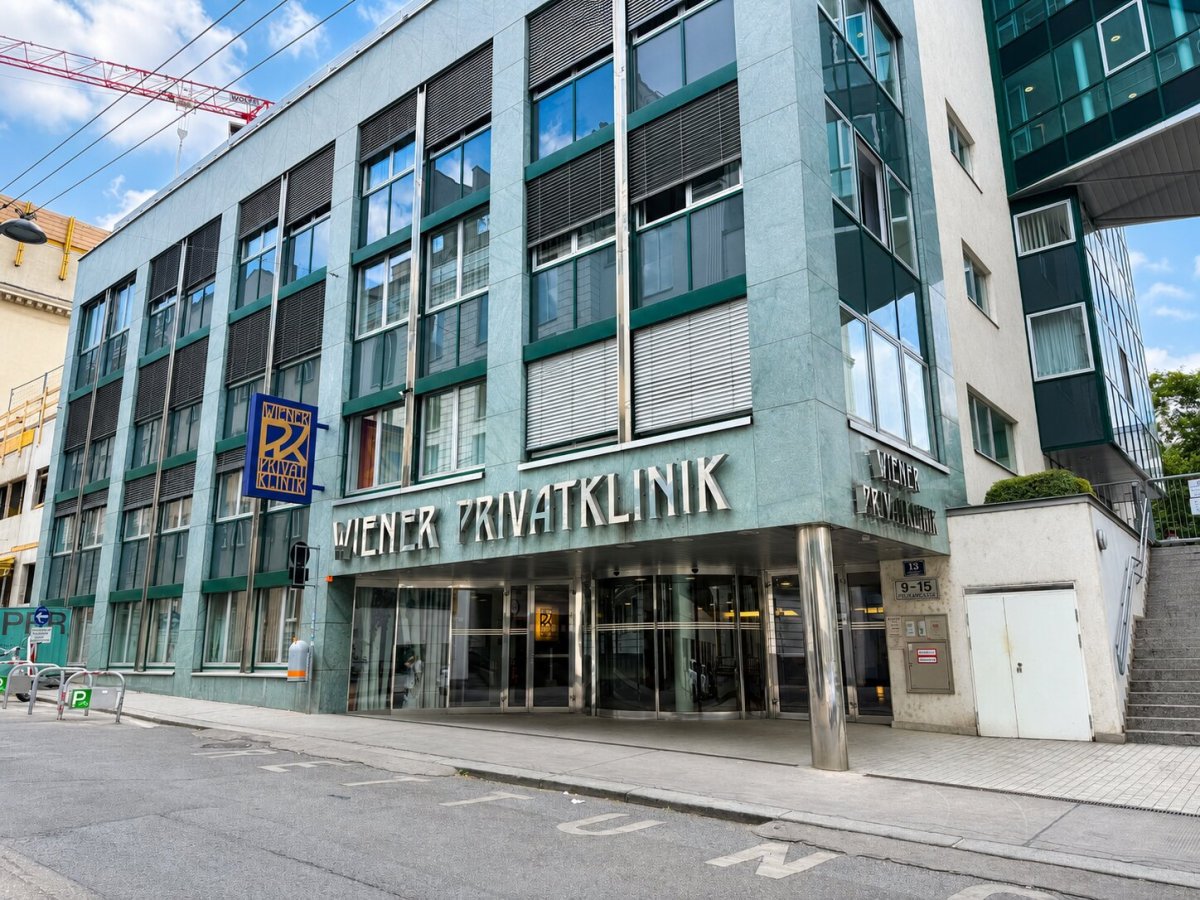
Research by Wiener Privatklinik (WPK)'s doctors: polyurethane coated breast implants after radiotherapy
8 min read
Prepared by Bookimed editorial team
Medical content and care coordination
Share with AI


The named clinic is an author affiliation. The study patients were not established as patients treated at that clinic.
Key takeaways
- The study followed 1455 patients who had breast reconstruction with implants placed in front of the chest muscle (prepectoral) and who received radiotherapy.
- Surgical revision for capsular contracture (scar tissue tightening around the implant) was 9.3% with polyurethane coated implants and 25.7% with non-polyurethane coated implants.
- Major infection, implant loss, reoperation and implant rotation were also reported as lower in the polyurethane group.
- The groups were not treated the same way: polyurethane implants were used with mesh and two-stage reconstruction less often.
- This is a retrospective group comparison, not a forecast for any one patient.
The question this study addresses
The PRExRT study was an international retrospective cohort study (26 sites, 15 countries) of patients treated between 2016 and 2024. It compared polyurethane coated and non-polyurethane coated implants in prepectoral breast reconstruction after mastectomy and radiotherapy. The patients were not treated at Wiener Privatklinik (WPK); the abstract does not say where they were treated beyond the study sites. Florian Fitzal is an author listed at Hanusch Hospital in Vienna and, per the Bookimed profile, now practices at the clinic. Bookimed did not run the study.
- The situation
- Women with breast cancer who had a mastectomy, implant-based breast reconstruction and radiotherapy, which raises the risk of capsular contracture.
- The treatment
- Prepectoral implant-based breast reconstruction with either polyurethane coated or non-polyurethane coated implants.
What this evidence cannot establish
- The patients were treated at the study sites, not at Wiener Privatklinik, so the results do not describe the clinic's own patients.
- The study is retrospective, and the two groups differed in mesh use and two-stage reconstruction, so the groups were not identical.
- The abstract does not state follow-up length or the individual sites where patients were treated.
Patient groups in the published study
475 patients · Published study group
Polyurethane coated implants after radiotherapy
- Indication
- Breast cancer, mastectomy with implant-based reconstruction and radiotherapy
- Treatment
- Prepectoral implant-based breast reconstruction with polyurethane coated implants
475 adult patients who received polyurethane coated implants and radiotherapy.
Patients needed breast reconstruction with implants after mastectomy and also received radiotherapy.
Implants with a polyurethane coating were placed in front of the chest muscle. This group used mesh and two-stage reconstruction less often than the comparison group.
Surgical revision due to capsular contracture
9.3%
475 patients · Study group
not stated
Reported risks
- Study-wide: major infection, implant loss, reoperation and implant rotation were reported as lower in this group than in the non-polyurethane group, without group rates.
Limits of this evidence
- Follow-up duration and the number of patients with each complication are not stated.
- Patients were treated at the study sites, not at Wiener Privatklinik.
For a clinic assessment
- Operative and implant details from any earlier breast surgery
- Radiotherapy summary and oncology reports
980 patients · Published study group
Non-polyurethane coated implants after radiotherapy
- Indication
- Breast cancer, mastectomy with implant-based reconstruction and radiotherapy
- Treatment
- Prepectoral implant-based breast reconstruction with non-polyurethane coated implants
980 adult patients who received non-polyurethane coated implants and radiotherapy.
Patients needed breast reconstruction with implants after mastectomy and also received radiotherapy.
Implants without a polyurethane coating were placed in front of the chest muscle. This group used mesh and two-stage reconstruction more often than the polyurethane group.
Surgical revision due to capsular contracture
25.7%
980 patients · Study group
not stated
Reported risks
- Study-wide: major infection, implant loss, reoperation and implant rotation were reported as more frequent in this group than in the polyurethane group, without group rates.
Limits of this evidence
- Follow-up duration and the number of patients with each complication are not stated.
- This group is the comparison group, so its numbers help interpret the polyurethane result.
For a clinic assessment
- Implant type and surgery records
- Radiotherapy dates and treatment summary
Results and limits of the study
Surgical revision due to capsular contracture was 9.3% among 475 patients with polyurethane coated implants and 25.7% among 980 patients with non-polyurethane coated implants. After adjustment, polyurethane coated implants were independently associated with a lower rate of revision (HR 0.2, 95%CI 0.1-0.5, p < 0.001). These are group results from past patients and not a prediction for a new patient.
Risks reported by the source
- Major infection was reported as lower in the polyurethane group.
- Implant loss was reported as lower in the polyurethane group.
- Reoperation and implant rotation were also reported as lower in the polyurethane group.
Limitations and unknowns
- How long patients were followed is not stated.
- The number of patients with each complication in each group is not stated.
- The individual sites where patients were treated are not stated.
- Whether the differences in mesh use and two-stage reconstruction affected the results cannot be told from the abstract.
What to clarify in your treatment plan
Before booking, ask Wiener Privatklinik whether it offers prepectoral implant reconstruction after radiotherapy and which implant types it uses. Clarify which of your records the surgeon needs, who will follow your recovery, and how complications would be handled. Ask which doctor would plan your care, since the study was not carried out at the clinic.
Wiener Privatklinik (WPK): clinic profile
- Research by Wiener Privatklinik (WPK)'s doctors: the patients in this study were treated elsewhere, at the study sites, and not at the clinic.
- Author Florian Fitzal is listed at Hanusch Hospital in Vienna and now practices at the clinic according to the Bookimed profile.
- The Wiener Privatklinik profile in Vienna, Austria, is on Bookimed under reconstructive surgery.
Florian Fitzal: doctor profile
- Florian Fitzal is an author of the paper; his affiliation in it is the Department of General Surgery and Breast Health Center at Hanusch Hospital, Vienna, and the Austrian Breast and Colorectal Cancer Study Group.
- He is a breast surgical oncologist, which fits a paper on breast reconstruction and radiotherapy.

Safety and recovery: general information
General patient guidance, provided separately from the case evidence. Follow your treating team's instructions.
Possible side effects
- The National Cancer Institute lists possible complications of implant reconstruction such as infection, fluid or blood collecting in the reconstructed breast, blood clots, and the implant pushing through the skin or breaking open.
Ask the surgeon which of these can occur with your implant type and what warning signs to watch for.
- Any type of breast reconstruction can fail if healing does not occur properly, and then the implant may have to be removed.
Ask what happens if healing is slow and how a removal would be handled.
Recovery and aftercare
- A woman's medical team will watch her closely for complications, some of which can occur months or even years after surgery.
Ask how long follow-up lasts and who is responsible for it after you return home.
Suitability and cautions
- Obesity, diabetes and smoking may increase the rate of complications.
Tell the clinic about these factors so the surgeon can discuss them with you.
- The National Cancer Institute notes that some reconstruction options may not be suitable for patients who previously had radiation to the chest.
Share your radiotherapy history and ask which options may fit your case.
When to contact the clinic
- Signs of infection or other possible complications after surgery may need prompt attention.
Agree in advance whom to contact and how, including after you travel home.
- Some complications can appear months or even years after surgery.
Ask how to reach the team if a problem appears late.
Request a personal plan from the clinic
Ask Wiener Privatklinik about breast reconstruction with implants after radiotherapy
Bookimed's coordinator can pass your records to Wiener Privatklinik and ask the clinic which options and implant types it considers for your case. Treatment decisions stay with the clinic's doctors.
Ask the clinic for a current, itemized quotation. Published evidence does not establish package inclusions or a current price.
Frequently asked questions
Who ran this study and where were the patients treated?
The study was an international multicentre project run by authors at 26 sites in 15 countries, not by Bookimed or Wiener Privatklinik. The patients were treated at those study sites, and the abstract does not name them. Author Florian Fitzal is listed at Hanusch Hospital in Vienna and now practices at Wiener Privatklinik according to his Bookimed profile. The patients were not treated at the clinic.
Do polyurethane coated implants lower the chance of revision for capsular contracture?
In this study they were associated with a lower rate of revision. Surgical revision for capsular contracture was 9.3% with polyurethane coated implants and 25.7% with non-polyurethane coated implants. This is an association in past patients, and the groups differed in mesh use and two-stage reconstruction. It is not a promise of what will happen to you.
Were other complications also lower with polyurethane coated implants?
Yes, the abstract reports lower risks of major infection, implant loss, reoperation and implant rotation in the polyurethane group. It gives odds ratios but no group rates, so the actual numbers of patients are unknown. Because the study was retrospective, these findings show an association and cannot show that the coating caused the difference.
Does this study show what Wiener Privatklinik's results would be?
No. The patients were treated at the study sites, not at Wiener Privatklinik, so the results say nothing about the clinic's own outcomes. The study shows what was seen across a large group of patients treated elsewhere. Ask the clinic which implants it uses and what results it can document before you decide.
Sources and scope
This page was prepared from the published abstract, with study numbers taken from a checked summary of its results. Safety points paraphrase National Cancer Institute material, and Bookimed did not run the study.
- 1. Fitzal et al. – Use of prepectoral polyurethane coated implants in the setting of radiotherapy: the OPBC-09 PRExRT retrospective cohort study.
International multicentre retrospective cohort study · 2026
1455 adults with breast cancer who had prepectoral implant-based reconstruction and radiotherapy, treated at 26 sites in 15 countries.
Follow-up: Not stated in the abstract
Only the abstract was used, so follow-up length, individual sites and per-group complication counts are not available.
- 2. National Cancer Institute
- 3. Wiener Privatklinik (WPK) on Bookimed
- 4. Florian Fitzal on Bookimed
Scope and limitations
- A research summary is not an individual medical recommendation.
- Group results describe the study participants, not a forecast for any one patient.
Related procedures
About the editorial team

Prepared by
Bookimed editorial teamMedical content and care coordination
Bookimed prepares evidence summaries from published medical sources and anonymized care records. The clinic and any doctors named on this page are identified separately in their own sections.