


Over 2.2 billion people worldwide struggle with vision impairment, and for at least 1 billion, it could have been prevented or treated. If you or someone you love is dealing with the fear of vision loss, stem cell therapy could be the answer. Stem cells are making strides in restoring vision for conditions that once seemed untreatable.
But with any breakthrough treatment, questions arise. In this article, we’ll break down everything you need to know about the process, its effectiveness, and what you can expect from stem cell therapy costs.
Key Takeaways
- US baseline. Stem cell therapy for eye disease runs about $15,000 – $22,000, because most options are available only through clinical trials.
- Mexico: $4,500 – $9,500, the top affordable choice for US patients, roughly 60% below the US baseline.
- Turkey: $7,500 – $16,000 for eye-focused stem cell programs.
- Thailand: $8,000 – $17,000, with all-inclusive packages common.
- Still experimental. Most stem cell eye treatments are not FDA-approved, so confirm a clinic's licensing and national regulatory approval before you travel.
- Promising results. In one trial using umbilical cord stem cells, 81.3% of retinitis pigmentosa patients kept or improved their vision over 12 months.
Table of Contents
- How Does Stem Cell Eye Treatment Work?
- Conditions Treated with Stem Cell Therapy for Eyes
- How Much Does Stem Cell Eye Treatment Cost?
- Factors Affecting the Cost of Stem Cell Eye Treatment
- What Does the Stem Cell Therapy Cost Include?
- Additional Stem Cell Therapy Costs (And How All-Inclusive Packages Make a Difference)
- Does Insurance Cover Stem Cell Therapy for Eyes?
- Is Stem Cell Eye Treatment Safe? Risks and Regulation
- Stem Cell Types Used for Eye Treatment
- Stem Cell Research and Success Rates
- How to Choose the Best Stem Cell Clinic for Eye Treatment
- Frequently Asked Questions
How Does Stem Cell Eye Treatment Work?

Stem cell eye treatment is a bleeding-edge approach that uses the body’s power to regenerate damaged tissues in the eye. Let’s take a closer look at what makes stem cells so remarkable.
What are stem cells?
Stem cells are the building blocks of the body. Unlike other cells, they have the unique ability to:
- transform into different types of cells (like retinal or nerve cells);
- divide and multiply to repair damaged tissues;
- regenerate areas of the body affected by injury or disease.
This makes them incredibly powerful in regenerative medicine, as they can restore or replace damaged cells in a way traditional medicine can’t.
What is stem cell therapy?
Stem cell therapy is a treatment where stem cells are injected or implanted into the body for tissue regeneration and repair. In regenerative medicine, it’s used to treat everything from joint issues to severe diseases, and now, even conditions that affect vision. The goal is to harness the body’s natural healing power through stem cells.
Learn from Dr. Bernaschina as she explains the remarkable potential of stem cell therapy in this educational interview.
How can stem cells help treat eye diseases?
In the case of eye diseases, stem cells offer a way to replace damaged cells that are crucial for vision, such as:
- Retinal cells. These cells play a vital role in converting light into signals the brain can interpret as images. Stem cells can replace damaged retinal cells, improving or restoring sight.
- RPE cells (retinal pigment epithelial cells). These cells help nourish the retina and support healthy vision. Stem cell therapy can stimulate the growth of new RPE cells to combat conditions like macular degeneration.
- Photoreceptor cells. These cells detect light and are critical for vision. Stem cells can regenerate lost or damaged photoreceptors.
By introducing stem cells directly into the affected area, the treatment aims to regenerate tissue, improve vision, and, in some cases, even reverse vision loss.
GET A FREE CONSULTATION
What results are realistic today?
Beyond the retina, stem cells are also being studied to rebuild the cornea, the eye's clear front layer, by restoring the limbal cells that keep its surface healthy. The aim in both cases is the same: replace or support cells the body can no longer renew on its own.
It helps to keep expectations grounded. Guidance from the International Society for Stem Cell Research stresses the difference between a proven therapy and active research. It warns patients against the assumption that an experimental procedure will work like an approved treatment. Most eye applications are still investigational, so ask any clinic which of its treatments are standard care and which are part of a study.
Conditions Treated with Stem Cell Therapy for Eyes

Stem cell therapy is showing great promise for a variety of eye conditions that were once difficult or impossible to treat. Here are the key eye conditions being targeted:
1. Age-related macular degeneration (AMD). One of the leading causes of vision loss in people over 50. It occurs when the retinal cells responsible for central vision begin to deteriorate.
2. Retinitis pigmentosa (RP). A genetic disorder that affects the light-sensitive cells in the retina, leading to gradual vision loss.
3. Optic nerve damage. The optic nerve transmits visual information from the eye to the brain. When it becomes damaged – due to trauma, glaucoma, or other factors – vision can be severely impacted.
4. Corneal damage. The cornea is the eye's transparent outer layer, and damage can lead to severe vision problems.
5. Diabetic retinopathy. People with diabetes often experience damage to the blood vessels in the retina, leading to a significant loss of vision.
6. Glaucoma. A condition where the optic nerve becomes damaged due to high pressure in the eye.
7. Stargardt disease (STGD). A genetic form of macular degeneration that affects younger people and leads to central vision loss.
ASK AN EXPERT
Corneal surface and limbal conditions
Stem cells can also rebuild the cornea, the clear front layer of the eye. Burns, infections, or some inherited conditions can destroy the cells that keep this surface clear. Doctors call this limbal stem cell deficiency, and it can leave the cornea cloudy or painful. They treat it by transplanting healthy surface cells onto the eye. In a 15-year study of these transplants, the most effective method restored a healthy cornea in about 78% of eyes. Two other methods worked in roughly 58% and 46% of eyes. Outcomes depend on the cause and severity of the damage, so results vary from person to person.
How Much Does Stem Cell Eye Treatment Cost?

Stem cell treatment costs can vary greatly depending on where you seek treatment. In the U.S., finding reliable stem cell eye treatment is challenging. Most stem cell therapies aren’t approved by the FDA and are primarily available only through clinical trials. This limited access drives up the cost of treatment, which typically falls between $15,000 and $22,000.
Mexico – Top alternative for U.S. patients
Mexico is a top destination for more affordable yet reliable treatment. Stem cell therapy is legal, well-regulated, and approved by COFEPRIS, Mexico’s equivalent of the FDA. Thanks to Mexico’s advanced legislation and thorough oversight, patients can access the latest treatments that may be unavailable or restricted in the U.S. or Canada. The stem cell treatment cost is between $4,500 and $9,500 in Mexico.
GET A FREE QUOTE
Highest-rated clinics for Stem cell therapy for Eye disease

Immunotherapy Regenerative Medicine
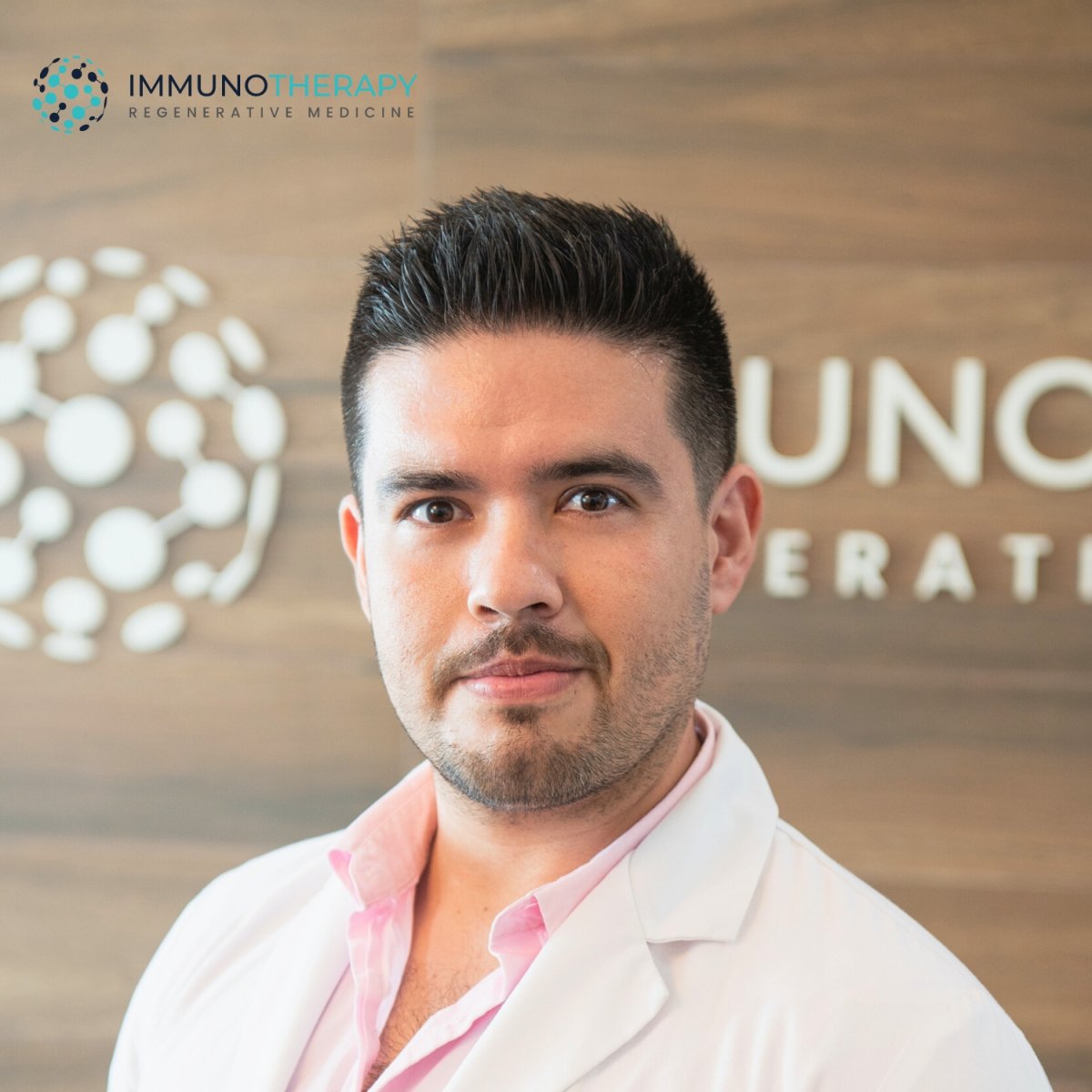
Immunotherapy Regenerative Medicine specializes in stem cell therapy for eye disease, with over of experience in regenerative medicine. Treatment typically costs between $14,300 and $30,200. Dr. Ernesto Romero, a pioneer in stem cell research with of experience, holds a Master’s in Regenerative Medicine and has developed clinical protocols for autoimmune and degenerative conditions.
Other countries with affordable stem cell therapy costs
In addition to Mexico, countries like Turkey and Thailand have also gained popularity for their affordable, legal stem cell therapies. Eye-focused programs run about $7,500 – $16,000 in Turkey, roughly 35% below the US baseline, and about $8,000 – $17,000 in Thailand, close to 30% lower. Mexico’s $4,500 – $9,500 works out to around 60% in savings. These countries benefit from less restrictive regulations and advanced medical infrastructures.
Highest-rated clinics for Stem cell therapy for Eye disease
STC Clinic
STC Clinic is a private multi-specialty medical center in Bangkok, Thailand. Known as the Rejuvenation Gateway, it specializes in anti-aging, regenerative medicine, aesthetic medicine, and wellness retreats. It treats both adults and children.
- Uses mesenchymal stem cells from umbilical cord for tissue repair and regeneration.
- Partners with LBM Lab for quality control and innovations in regenerative medicine.
- Offers exosome therapy, growth factor solutions, and platelet-rich plasma (PRP) for skin repair.
- Also provides traditional aesthetic treatments like Botox, dermal fillers, and laser therapies.
- Treats patients from Europe, Asia, the USA, Canada, and Australia.
See our full stem cell therapy cost guide.
Factors Affecting the Cost of Stem Cell Eye Treatment

It’s difficult to determine the stem cell therapy cost upfront because it is highly tailored to each patient. There are a few different factors that affect how much you’ll end up paying:
Location of the treatment facility
Where you get treated makes a big difference. In the U.S., with FDA restrictions and limited availability, prices can be steep. On the other hand, medical tourism hubs like Mexico and Turkey offer the same treatments for much less.
Clinic’s reputation
The stem cell clinic's reputation and the medical team's experience largely affect the price. High-end clinics with well-equipped facilities and experienced doctors charge more, but this often comes with higher quality care and better outcomes.
Type of stem cells administered
The type of stem cells also impacts the final stem cell therapy cost. For example, the more flexible pluripotent stem cells tend to be pricier due to the complexity of obtaining them. Also, autologous stem cells, sourced from your own body, are usually more expensive than donor cells due to the extraction and preparation process.
Treated condition
The targeted eye condition affects the stem cell therapy cost. More complex conditions like macular degeneration or optic nerve damage may require more sessions or specialized techniques. In contrast, conditions like corneal damage might be simpler to treat and cost less.
Number of treatments
The patient might require multiple stem cell injections (or IV infusions) for sustained results, and each added session raises the total program cost. Because a full course can involve several treatments, clinics in destinations like Mexico or Turkey often quote one all-inclusive package covering the whole plan rather than a per-injection fee. The number of treatments you need will depend on how severe your condition is.
Pre- and post-treatment care
You’ll also need to factor in the cost of diagnostics, follow-up appointments, and other services. Some clinics offer package deals that include everything from the initial consultation to post-treatment care, which can give you a better idea of the total stem cell therapy cost.
RECEIVE EXPERT ADVICE
What Does the Stem Cell Therapy Cost Include?

When considering stem cell therapy, it's important to understand that the total cost often includes more than just the injections.
The standard stem cell therapy cost typically covers the following:
1. Stem cell extraction or preparation
If the medical team uses autologous stem cells (from your own body), the extraction process (e.g., from bone marrow or fat tissue) is included in the stem cell therapy cost. Preparing allogeneic stem cells (from a donor) also incurs lab fees.
2. Stem cell administration
This is the core of the treatment and the most significant part of the cost. It involves injecting stem cells directly into the eye or through intravenous infusion.
3. Basic follow-up care
After the procedure, most clinics will include a few standard follow-up visits to ensure the treatment is effective and recovery is progressing as expected. These are usually limited to a short recovery period.
Additional Stem Cell Therapy Costs (And How All-Inclusive Packages Make a Difference)
Additional costs beyond the basic stem cell treatment can quickly add up. These include necessary elements like consultations and tests, often billed separately. Here’s where all-inclusive packages offer a significant advantage.
Clinics in locations like Mexico, Turkey, Colombia, and Thailand offer all-inclusive stem cell eye treatment packages. They usually come with features not always included in standard treatments:
1. Consultations and diagnostic tests. All-inclusive packages cover the costs of initial consultations and required diagnostic tests, providing a smoother experience without surprise fees.
2. Accommodation and transfers. For international patients, these packages often include hotel stays, airport pick-ups, and transport between the hotel and clinic.
3. Extended follow-up care. Packages provide a fuller follow-up program, ensuring doctors closely monitor your recovery without additional charges.
4. Medication. Aftercare may involve prescription medications or special eye drops to aid recovery.
5. Added perks. Premium all-inclusive packages may offer luxury perks like VIP services, private recovery rooms, personal medical coordinators, or additional therapies to enhance recovery.
GET A PERSONALIZED PROGRAM
How much does stem cell therapy for macular degeneration cost?
Macular degeneration is treated within the same stem cell eye programs priced elsewhere on this page: roughly $15,000 – $22,000 in the US and about $4,500 – $9,500 in Mexico. AMD often needs imaging, repeat monitoring, and sometimes more than one session. So, an all-inclusive package is usually the clearest way to see the full cost up front instead of paying for each visit and scan separately.
Does Insurance Cover Stem Cell Therapy for Eyes?
Currently, most insurance companies in the U.S. do not cover stem cell eye treatment since the FDA has yet to approve it. The FDA has green-lighted stem cell therapies for a few applications, such as treating certain blood disorders. However, eye disease treatments are primarily available only through clinical trials.
Still, with researchers conducting clinical trials and continued advancements in stem cell research, there’s hope that more insurance plans will start to include these treatments. Until then, exploring international treatment options like Mexico, where costs are lower, may come in handy.
What about insurance when you travel abroad?
Coverage works differently once you leave home, and most standard travel policies exclude planned surgery. It is still worth budgeting for a short-term medical travel or complication policy. It costs little next to the procedure and covers you if a complication needs follow-up care later.
Is Stem Cell Eye Treatment Safe? Risks and Regulation
Safety is the part of this decision that deserves the most care. Most stem cell treatments for eye disease are still experimental. The US Food and Drug Administration warns that unapproved products can cause real harm when they are given outside proper oversight.
How regulation differs by country
Rules vary widely from one destination to the next, which is exactly why licensing matters. Thailand regulates advanced cell therapies under a 2024 decree on advanced therapy medicinal products. Mexico approves stem cell treatment through COFEPRIS, its federal health regulator. However, patients should confirm a clinic is licensed to treat rather than only registered as a cell bank. Turkey restricts stem cell therapy to specific approved medical uses with case-by-case ministry approval. A treatment that is legal and supervised in one country may be unregulated in another.
How to confirm a clinic is legitimate
Before you commit, ask the clinic to name the national regulator that authorized its treatment and to show that authorization in writing. Check that the specific eye therapy, not just the clinic, is approved, and that the doctors are licensed specialists. The consent forms should make clear whether you are receiving standard care or joining a study. If a clinic cannot answer these questions plainly, treat that as a reason to look elsewhere.
Stem Cell Types Used for Eye Treatment

Here's a breakdown of the most commonly used stem cells for treating eye diseases:
1. Embryonic Stem Cells (ESCs)
Embryonic stem cells (ESCs) have shown significant potential for replacing lost cells in the eye. These stem cells can be pre-differentiated into retinal cells before being transplanted. ESCs are especially effective in regenerating RPE cells and photoreceptors, critical for conditions like age-related macular degeneration (AMD).
2. Induced Pluripotent Stem Cells (iPSCs)
Induced pluripotent stem cells (iPSCs)are adult cells reprogrammed to behave like embryonic cells. Like ESCs, iPSCs can also become RPE cells and photoreceptors, which then integrate into the retina and help restore vision in diseases like AMD. Peer-reviewed studies confirm that iPSCs are just as effective as ESCs in treating retinal diseases.
3. Mesenchymal Stem Cells (MSCs)
Mesenchymal stem cells (MSCs), derived from bone marrow and fat or umbilical tissue, play a different role in eye treatment. Instead of directly replacing damaged cells, MSCs release paracrine factors – molecules that support and protect injured cells.
They are particularly helpful in optic nerve damage or retinal ganglion cell (RGC) injuries, where they protect injured cells and encourage them to regenerate. MSCs act as a protective support system, creating a healthier environment for damaged cells to repair and regenerate.
4. Neural Stem Cells (NSCs)
Neural stem cells (NSCs) offer a dual function in eye treatment: they can turn into new retinal cells and protect existing ones. Their ability to both replace and protect cells makes them a promising option for complex conditions where multiple types of cells are affected.
In short, ESCs and iPSCs are the go-to for replacing lost retinal cells, like photoreceptors, while MSCs and NSCs provide support and protection, helping the eye heal and recover from damage. Each type offers unique advantages depending on the treated condition.
Why the cell type also decides the rules
The kind of stem cell used does more than shape the treatment, it also decides how strictly the therapy is regulated. When cells are only minimally manipulated, for example washed and re-injected during the same procedure, many countries treat them as a simple medical procedure. Once cells are cultured, modified, or substantially processed in a lab, they usually fall under a stricter category often called advanced therapy medicinal products. It demands formal approval and manufacturing oversight. It is a useful question to raise with any clinic: is this a minimally processed treatment or a regulated cell-therapy product?
Stem Cell Research and Success Rates
Clinical trials for stem cell eye treatments have shown encouraging results across various conditions. Let’s take a look at some of the recent findings:
1. Retinitis Pigmentosa (RP)

- In a systematic review of 21 studies, 49% of RP patients showed significant improvement in vision at 6 months post-treatment and 30% – at 12 months.
- Another study using umbilical cord mesenchymal stem cells (UC-MSCs) reported that 81.3% of RP patients experienced maintained or improved vision for up to 12 months.
2. Age-Related Macular Degeneration (AMD)

- One study showed that patients with dry AMD had improved vision after receiving new retinal cells derived from embryonic stem cells. Vision improved from 21 to 28 letters on the standard eye chart test, with no rejection or complications after the treatment.
- In another clinical trial, an RPE implant was placed under the retina to treat patients with severe AMD. After a year, 60% of patients experienced either maintained or improved vision, while about 80% of untreated eyes saw a decline in vision.
3. Stargardt Disease (STGD)
STGD, a genetic form of macular degeneration that affects younger people, also benefits from stem cell treatment:
- A systematic review of 21 studies found that 60% of STGD patients improved their vision within 6 months of treatment, and 55% maintained this improvement after 12 months.
4. Diabetic Retinopathy (DR)
For diabetic retinopathy, stem cell therapy at early stages of the disease shows potential:
- In a study using bone marrow stem cells, patients with early-stage non-proliferative diabetic retinopathy (NPDR) saw improved vision and reduced swelling in the retina, a key factor in vision loss.
5. Safety and side effects
Stem cell treatments for eye diseases are generally safe, with rare and manageable side effects.
- In a large study on RP and STGD, only 11 adverse events were reported in nearly 500 treated eyes. There were no serious systemic complications, and patients did not experience immune rejection.
- In the clinical trial for AMD, most patients tolerated an implant well. Though a few experienced complications such as bleeding or detachment, these events were manageable. There were no signs of serious immune reactions or rejection.
While procedures involving sensitive areas like the eyes naturally come with some risks, you can minimize them by choosing a reputable healthcare provider. Bookimed works exclusively with verified clinics and accredited doctors. By selecting a clinic from our trusted network of partners, you can feel confident that you'll receive dependable, high-quality care.
New surgical techniques and where the field stands
Besides injections, surgeons now have better ways to rebuild the eye's surface. Several transplant methods move healthy stem cells onto a damaged cornea. Simpler versions of these operations are now available in more clinics. Newer tools, including lasers and robot-assisted surgery, are improving precision in the operating room.
How to Choose the Best Stem Cell Clinic for Eye Treatment

Choosing the right clinic for stem cell treatment is a crucial step to ensure the best possible care and results. Here are some important tips to help you make an informed decision:
1. Verify accreditations and certifications
Recognized accreditations, such as JCI or ISO, signal that a clinic meets international safety and quality standards. Bookimed lists only clinics whose accreditations and board-certified specialists it has already confirmed, so this vetting is handled for you before a clinic ever appears in your options.
2. Check the doctor’s expertise
Carefully evaluate the doctor’s qualifications and experience. Look for specialists who are not only experienced in stem cell therapy but also have a strong background in the specific eye condition you're seeking treatment for. Experience matters, especially when it comes to handling complex cases or minimizing risks.
3. Look for proven success rates
Ask the clinic for patient success stories or data on the outcomes of similar stem cell procedures. A reputable clinic should be transparent about its track record, including success rates, complication rates, and patient testimonials.
4. Understand the clinic’s approach to safety
Since stem cell therapy for eyes involves delicate procedures on sensitive tissues, the clinic should have strict safety protocols in place. Ask about the clinic’s infection control measures, how they manage complications and the types of follow-up care they provide.
5. Ask about regulatory approval
Stem cell treatments should be authorized by the relevant national health authority, such as COFEPRIS in Mexico or INVIMA in Colombia. Rather than leaving you to chase this paperwork, Bookimed checks that a clinic holds the right national authorization before listing it.
6. Clinic’s focus on research and innovation
The best healthcare providers often participate in clinical trials and are at the forefront of research. Choosing a clinic involved in active research can ensure that you’re getting the latest, most effective treatments available.
7. Transparent costs and packages
Ensure the clinic provides transparent pricing for the treatment, including consultations, diagnostic tests, the actual procedure, and any post-treatment care.
Clinics that offer all-inclusive packages may be more cost-effective and provide peace of mind, as they cover everything from start to finish without hidden fees.
LEAVE A REQUEST
Red flags to walk away from
A few warning signs should end the conversation. Be wary of any clinic that offers same-day injections into both eyes at once, promises a guaranteed cure, or markets itself only as a stem cell bank without a treatment license. Legitimate providers welcome questions about their regulator and the national authority that approved their work, such as COFEPRIS in Mexico, the Thai FDA in Thailand, or TITCK in Turkey. They never pressure you to commit before you have seen the plan in writing.
Frequently Asked Questions
Quick answers to the questions patients ask most about stem cell eye treatment – its cost, safety, and where to have it.
How much does stem cell eye treatment cost?
Stem cell eye treatment costs roughly $15,000 – $22,000 in the US and about $4,500 – $9,500 in Mexico, where the therapy is legal and regulated. Turkey runs about $7,500 – $16,000 and Thailand about $8,000 – $17,000. Most clinics abroad quote an all-inclusive package rather than a bare procedure fee.
The wide gap comes mostly from access and regulation. In the US, the treatment is available largely through clinical trials, which pushes prices up. On the other hand, regulated clinics in Mexico compete openly and bundle consultations, tests, and follow-up into a single price. When you compare quotes, check exactly what each package includes and whether extra sessions, imaging, or aftercare are billed separately, because a low headline figure can climb quickly once those items are added. Asking for an itemized quote up front is the simplest way to avoid surprises.
Highest-rated clinics for Stem cell therapy for Eye disease
Memorial Şişli Hospital
Prof. Dr. Abdullah Ozkaya brings of ophthalmology experience with 1,100+ procedures performed. Stem cell therapy at Memorial Şişli Hospital may cost around $200-$500 for initial consultation, typically including pre-treatment testing and transfers. The JCI-accredited hospital holds Turkey's first international certification. Prof. Ozkaya has published 83+ international articles and holds memberships in Turkish and European ophthalmological societies.
Memorial Ataşehir Hospital
Memorial Ataşehir Hospital offers stem cell therapy for both eyes at around $5,290, typically including a comprehensive eye exam, OCT macula scan, and computerized visual field test. The JCI-certified hospital follows international safety standards and has a 91% patient recommendation rate. Part of Memorial Healthcare Group, it serves patients from 92 countries and provides free airport-hotel-clinic transfers.
Memorial Bahçelievler Hospital
This LEED Platinum certified 'green hospital' is part of Turkey's largest healthcare network, Memorial Healthcare Group. Stem cell therapy for glaucoma may cost around $6,900 for one session, typically covering consultation, the therapy, diagnostic tests, VIP transfers, and interpreter services. The hospital holds JCI accreditation, ensuring international safety standards for this experimental treatment.
Is stem cell therapy for eyes FDA approved?
No. The US Food and Drug Administration has not approved stem cell therapy for eye diseases. A handful of stem cell products are cleared for other uses, such as certain blood and immune disorders. However, treatments aimed at restoring vision are still classified as investigational and are available mainly inside clinical trials.
This matters for both safety and budgeting. Because the therapy is not approved, US insurers almost never cover it. The FDA has also warned against unapproved products marketed as eye cures. If you are considering treatment abroad, the same caution applies. Bookimed lists only clinics whose treatments are authorized by the destination country's own regulator. They can confirm that approval in writing and clarify whether a given therapy is standard care or part of a study before you commit to anything.
Can stem cells cure retinitis pigmentosa or macular degeneration?
Not yet. There is no proven cure for retinitis pigmentosa or macular degeneration using stem cells. Early trials report that some patients keep or improve their vision after treatment, but results vary from person to person.
What the science supports today is cautious optimism. Stem cells aim to replace or protect the retinal cells these diseases damage, and several trials have shown measurable vision gains that lasted for months. Those are meaningful signals, not guarantees, and the outcome depends on the exact condition, how far it has progressed, and the specific therapy used. A trustworthy clinic will describe these treatments as experimental, quote realistic odds, and welcome questions about the evidence behind them.
Where can I get stem cell treatment for macular degeneration?
Mexico is the most popular destination for US patients seeking stem cell treatment for macular degeneration, with regulated clinics offering treatment for around $4,500 – $9,500. Turkey and Thailand are also common choices for accredited, lower-cost care within easy reach of North America and Europe.
Proximity and regulation make Mexico appealing: treatment is overseen by COFEPRIS, and clinics sit within a short flight of most US cities. Wherever you look, the deciding factor should be licensing rather than price alone. Confirm the clinic is specifically approved to deliver the eye therapy you need, review its doctors' credentials and experience with your condition, and compare a few accredited options side by side.
How safe is stem cell eye treatment?
It is safe, but only at a properly licensed clinic. Most stem cell eye treatments are still new, and unapproved procedures can cause serious harm, so accreditation and national approval matter enormously for your safety.
You can lower the risk with a few simple checks. Walk away from any clinic that injects both eyes on the same day, guarantees a cure, or cannot name the regulator that approved its treatment. Look instead for board-certified eye specialists, recognized accreditation such as JCI or ISO, and clear consent forms that state plainly whether you are joining a study. Choosing a vetted clinic through Bookimed is a practical way to steer clear of the clinics that regulators have already acted against.
Related reading
All medical content on this page is prepared by authors with specialized medical education and reviewed by certified physicians in the relevant field. Medical review by Fahad Mawlood, Medical Editor & Data Scientist.
Last updated: October, 2026.
- Statistics: Figures are based on Bookimed’s internal database October 2026, which includes analysis of 12,450 patient requests across accredited clinics in .
- Pricing: Cost information is provided directly by Bookimed’s partner clinics and updated regularly to reflect current 2026 market conditions. Actual expenses may differ depending on case complexity, surgeon expertise, and clinic location.
- Clinical Data: Treatment outcomes and patient satisfaction figures are collected from Bookimed’s verified clinic database and supported by data from peer-reviewed medical sources such as PubMed, The Lancet, JAMA, and NEJM (2023–2026).
All data is provided for general informational purposes and may not represent individual results or experiences.