


About 619 million people worldwide lived with low back pain in 2020, nearly 10% of the population. Stem cell treatment for back pain starts at $1,000 in Mexico, roughly 90% less than US prices.
Stem cell injections are one newer option people try when usual care falls short. Prices below cover Mexico, Turkey, and Thailand, with what the clinical trials found and how to check a clinic. The realistic goal is less pain, not a rebuilt disc.
Key Takeaways
- Mexico from $1,000, Turkey $7,000–$13,000, Thailand $8,000–$16,000, against $12,000–$20,000 in the United States.
- In the controlled trial, 69% of treated patients reported at least a 50% drop in pain at 12 months, against 33% on standard care.
- Thirteen human trials show modest gains in pain and function, and no imaging proof that the disc is rebuilt.
- All-inclusive packages in Mexico start around $5,000, with consultations, hotel and transfers included.
Table of Contents
- What Is the Science Behind Stem Cells?
- How Does Stem Cell Therapy Work for Back Pain?
- Stem Cell Treatment for Back Pain Cost by Country
- Does Medicare Cover Stem Cell Therapy for Back Pain?
- What Changes the Cost of Stem Cell Treatment for Back Pain
- What Is Included in the Stem Cell Treatment Cost?
- How to Reduce the Cost of Stem Cell Therapy?
- Stem Cell Therapy for Back Pain: Success Rates in Clinical Trials
- How to Find the Best Stem Cell Clinic for Back Pain
- The Bottom Line
- Frequently Asked Questions
What Is the Science Behind Stem Cells?
Stem cells are unspecialized cells that can turn into other kinds of cell. That is why doctors use them to target the worn tissue itself.
In regenerative medicine, doctors take these cells, prepare them, and inject them into the damaged joint, disc, or nearby tissue.
Once injected, the cells aim to reduce inflammation and support the body's own repair, rather than only mask pain.
The short video below explains how stem cells work in regenerative medicine.
How Does Stem Cell Therapy Work for Back Pain?

For back pain, the cause is often degenerative disc disease, joint damage, or an inflamed nerve.
Instead of only easing pain with medication, the injection puts cells where the damage is. The measured payoff is pain relief: in the controlled trial, treated patients were twice as likely as controls to report at least a 50% drop in pain a year later. Here is how it works.
- Tissue repair. Stem cells can turn into cartilage, bone, or muscle cells. Injected into a damaged area, they may help repair worn tissue such as discs or joints.
- Less nerve inflammation. The cells release natural substances that calm the immune response. That helps reduce the inflammation behind much chronic back pain.
- Support for local cells. The cells also prompt the body's own cells to start repairing the damaged tissue nearby.
Watch one patient describe finding relief from back pain with stem cell therapy after several spinal surgeries.
Back conditions treated with stem cells

The main back conditions that stem cell treatment may help include:
- Degenerative disc disease (DDD). The discs between the vertebrae break down and lose flexibility. Stem cells may ease pain and improve function.
- Facet joint arthritis. The small joints linking the vertebrae wear or inflame. Stem cells may help relieve joint pain and stiffness.
- Sciatica. A compressed sciatic nerve sends pain down the legs. Stem cells may reduce inflammation and support healing.
- Spinal stenosis. The spinal canal narrows and presses on nerves. Stem cell injections may reduce inflammation and slow the wear.
- Herniated discs. Soft tissue inside a disc pushes out and presses on nerves. Cells are injected to support healing.
- Sacroiliac joint dysfunction. The joint linking the lower spine to the pelvis inflames. Stem cells may reduce pain and improve stability.
- Osteoarthritis of the spine. Wear affects the joints and discs of the spine. The osteoarthritis guide explains this in depth.
- Spinal cord injuries. Nerve damage can cause loss of movement or feeling. A Mayo Clinic clinical trial reported improvements with few side effects.
Types of stem cells used for back pain

Mesenchymal stem cells are the most common type used for back pain. These are cells taken from bone marrow, fat, or umbilical cord tissue.
They can turn into bone, cartilage, and muscle. They are usually taken from:
- Bone marrow. These cells are easy to reach and isolate, and are widely used for discs and joints.
- Fat tissue (adipose). Fat is the richest source, at up to 25,000 cells per gram, and liposuction collects it in an outpatient visit. The disc-repair evidence for these cells comes from animal studies so far, not human trials.
- Umbilical cord. Collected painlessly after childbirth, these donor cells show promise for pain and mobility.
Researchers are also studying other stem cell types for the spine, but these remain laboratory research.
How are stem cells administered for back pain?
Stem cell treatment for back pain follows a few steps:
- Collection. Cells come from your own body or from a donor. Bone marrow is drawn from the hip bone; fat is collected by liposuction.
- Preparation. The cells are concentrated or prepared in a lab so they are ready to inject safely.
- Injection. The doctor injects the cells into the target disc or joint.
For back pain, the cells go straight into the worn disc or joint. This is an intradiscal injection when it targets a disc.
A drip into a vein does not treat a worn disc. The disc has no blood supply of its own.
Cells sent through the bloodstream are filtered out by the lungs, liver, and spleen before they reach the spine.
A good clinic guides the needle live with fluoroscopy, a moving X-ray, or with ultrasound.
A clinic that injects without live imaging is aiming blind.
What about recovery?
The injection is minimally invasive. You may feel short-term soreness and stiffness in the treated area. Improvements can build over about 12 months.
Stem Cell Treatment for Back Pain Cost by Country

Stem cell treatment for back pain starts at $1,000 in Mexico. That is up to 90% less than in the United States, where it costs $12,000–$20,000.
The US Food and Drug Administration, or FDA, has not approved stem cell therapy for chronic back pain. That keeps the treatment investigational, so prices stay high.
The cost guide compares stem cell prices across procedures. A destinations guide shows where to go.
| Country | Stem cell treatment for back pain (USD) | Saving against the US |
|---|---|---|
| Turkey | $7,000–$13,000 | Up to 40% |
| Mexico | $1,000–$8,000 | Up to 90% |
| Thailand | $8,000–$16,000 | Up to 30% |
| United States | $12,000–$20,000 | Reference |
The clinics below are ranked by the published ranking policy.
Highest-rated clinics for Stem cell therapy for back pain

Memorial Şişli Hospital
Memorial Şişli Hospital offers stem cell therapy for back pain with prices typically ranging from $2,600 to $6,500. Dr. Engin Cakar, a Professor of Physical Medicine and Rehabilitation with expertise in Algology (Pain Medicine) and Electrodiagnostic Neurology, leads the treatment team. He has trained at Harvard Medical School in Transcranial Magnetic Stimulation and authored 40 international peer-reviewed articles.
ID Clinic Bangkok
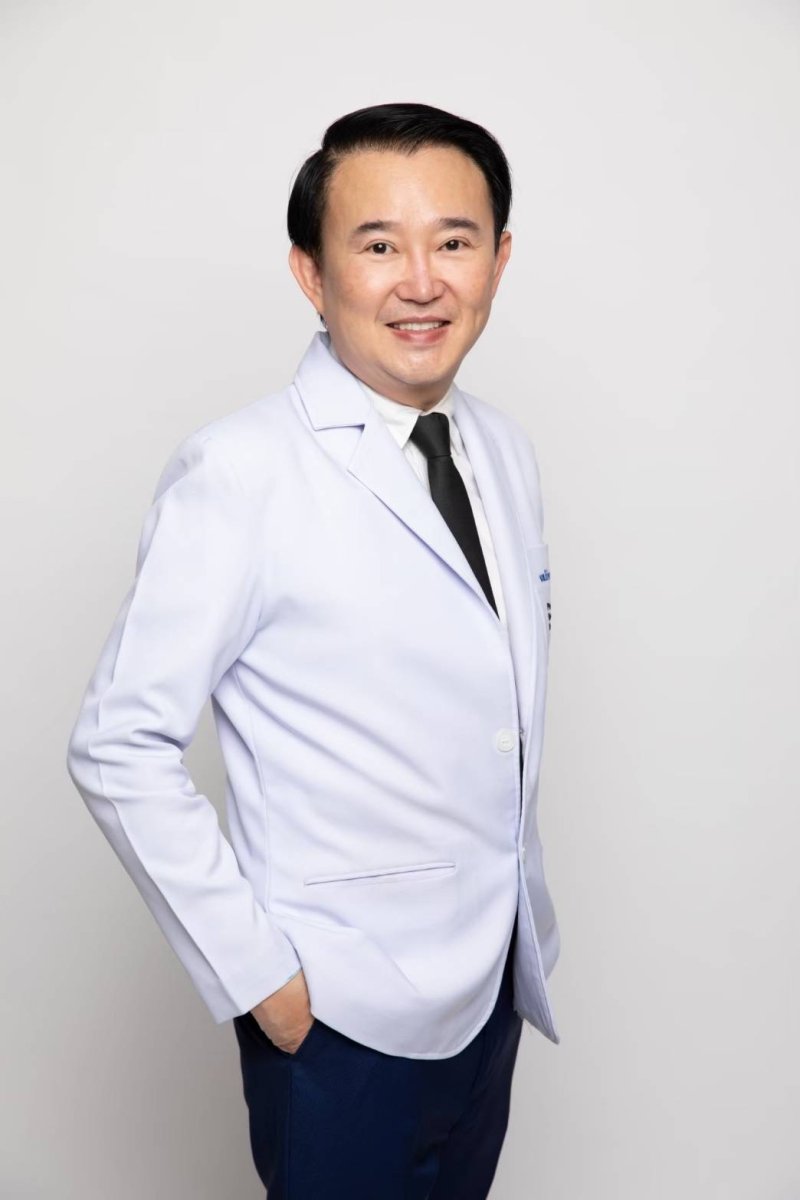
Dr. Theeracha Wuttiphan brings 26 years of orthopedic experience with 900+ stem cell treatments performed. All-inclusive packages typically included umbilical cord MSC therapy, medical check-up, 3 nights, and transfers – with options running $5,500–7,000. The JCI-accredited clinic serves 4,000 international patients annually. Dr. Theeracha specializes in minimally invasive cell injections for back pain, using ethically sourced umbilical cord stem cells.
| treatment | |
|---|---|
| Stem cell therapy for back pain | |
Vega Clinic
Vega Clinic specializes in stem cell therapy for chronic back pain, offering personalized MSC doses from 20-40 million cells. The 20 million MSC spinal injection may cost around $5,750 – typically covering the procedure, doctor’s consultation, clinic fees, and VIP transfers. Treatment is performed in a hospital setting with 1-day stay, ensuring a sterile environment. An online consultation is required beforehand to customize the approach based on condition severity and budget.
EDNA Wellness

EDNA Wellness is a surgeon-led regenerative medicine clinic in Bangkok, Thailand, near Bangkok Hospital. Chief Physician Dr. Pongwat Polpong, a board-certified neurosurgeon, leads treatment under GMP-certified standards with the Thailand Institute of Scientific and Technological Research (TISTR), ISO 9001:2015, and ISO/IEC 17025:2017 accreditation.
The clinic treats orthopedic and neurological conditions, such as knee osteoarthritis, joint degeneration, stroke recovery, and neurodegenerative disease, plus longevity programs for cellular aging and systemic inflammation, using protocol-driven allogeneic UC-MSC preparations. It treats about 100 Thai and international patients a year.
| treatment | |
|---|---|
| Stem cell therapy for back pain | $14,321 - $42,962 |
Aura Regenerative Center
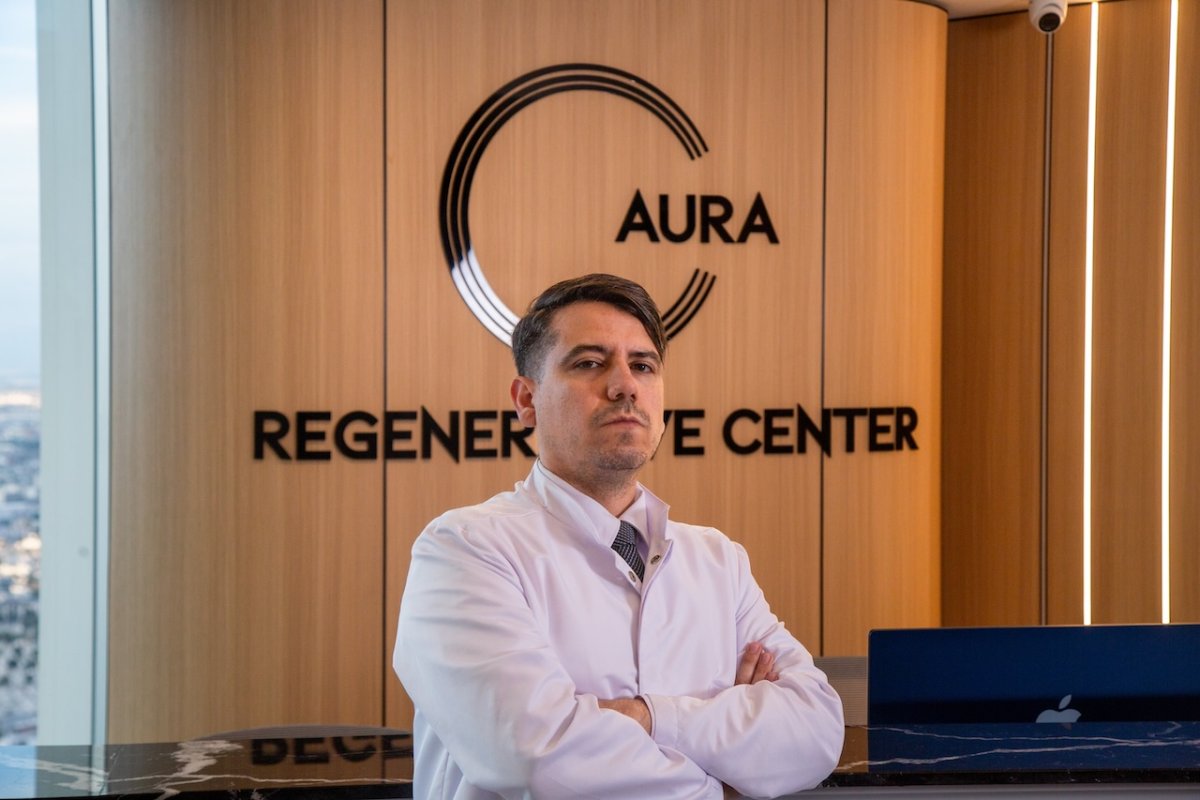
Aura Regenerative Center is a physician-led clinic in Monterrey, Mexico. It specializes in orthopedics, immunology, and regenerative medicine. Every cellular product is COFEPRIS-approved and comes with a Certificate of Analysis.
- Holds accreditation from the International Society for Stem Cell Application (ISSCA).
- Serves adults and children with stem cell therapies for chronic pain and injury recovery.
- Protocols are designed after a detailed medical review of each patient.
- Cellular products are sourced from certified laboratories.
- Provides coordinated support for international patients.
| treatment | |
|---|---|
| Stem cell therapy for back pain | $3,500 - $6,000 |
Stem Cells Colombia
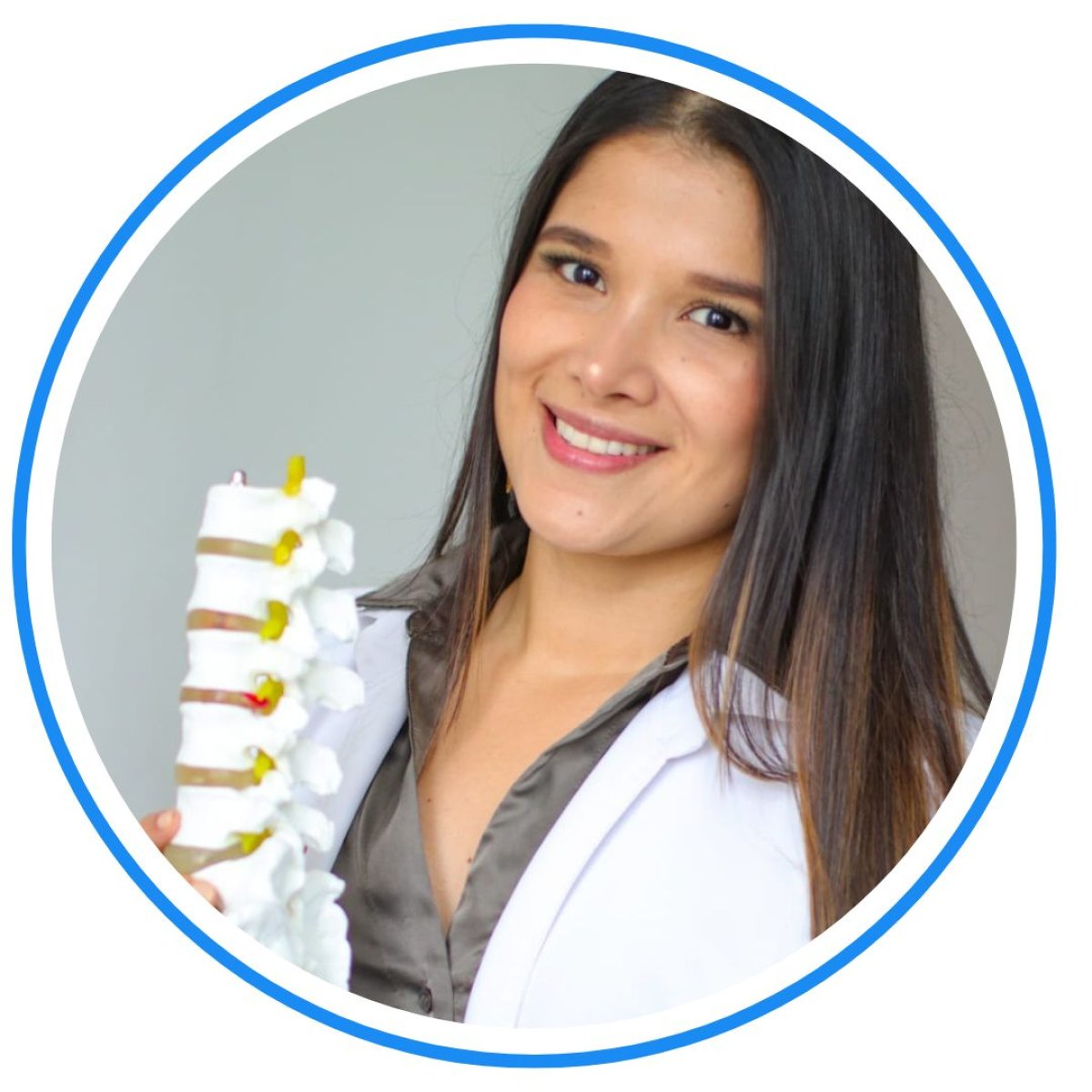
Dra Diana Reyes M brings 15 years of pain management expertise with 900+ stem cell treatments performed. The 3-day back pain protocol may cost around $4,400, typically covering 30 million MSCs, exosomes, image-guided administration, and 4-star accommodation. As an anesthesiologist certified by ISCCA, she delivers cells with 96.9% viability under precise image guidance. The clinic offers immediate treatment availability with comprehensive quality testing.
| treatment | |
|---|---|
| Stem cell therapy for back pain | $3,950 - $6,500 |
Does Medicare Cover Stem Cell Therapy for Back Pain?
No. Medicare does not pay for stem cell therapy for back pain. The major US insurers do not either, because it is still investigational.
The coverage gap does not change what the treatment costs abroad. The country prices in the table are self-pay and stand on their own.
You may choose to budget for a short-term medical-travel policy, but that is optional.
What Changes the Cost of Stem Cell Treatment for Back Pain

Several things move the price of stem cell treatment for back pain.
Cost by back condition: disc degeneration, herniated disc and spinal stenosis
Prices are set by country, not by condition. Where your case falls within a country's price depends on how much work it needs.
One worn disc treated with a single guided injection sits near the floor of a country's range – from $1,000 in Mexico, $7,000 in Turkey, $8,000 in Thailand.
A herniated disc treated at one level of the spine sits mid-range, which in Mexico means roughly $4,000–$5,000.
Multi-level facet arthritis or spinal stenosis sits at the ceiling – up to $8,000 in Mexico, $13,000 in Turkey and $16,000 in Thailand – because more sites are injected and more cells are used.
What else moves the price
A few other things move the price.
- Clinic and country. Prices differ by country and by clinic, mostly because of local rules and access.
- Number of injections and cell dose. More injections and higher cell doses raise the total.
- Where the cells come from. Your own cells cost more to collect and prepare than donor cells.
- Pre- and post-treatment care. Bundling matters: a package that carries the consultations and diagnostics before the injection and the follow-up visits after it usually costs less than paying for each separately.
What Is Included in the Stem Cell Treatment Cost?

The country price usually covers a few core parts. Here is what you are paying for.
- Cell collection or preparation. With your own cells (autologous), this covers the collection itself – a bone marrow draw from the hip bone, or fat collected by liposuction. With donor cells (allogeneic), it covers sourcing the cells and preparing them.
- Cell processing. Bone marrow and fat are spun in a centrifuge to concentrate the cells; donor cells are prepared in a lab. Either way the dose is made ready to inject safely.
- The injection. This covers the doctor's time, live image guidance and any anesthesia during the procedure.
- Basic follow-up. Most prices include a few follow-up visits to check your recovery.
Additional costs
Some costs are not in the price. These usually include:
- consultations and diagnostic tests;
- repeat treatment sessions;
- medication after treatment;
- accommodation and travel.
How to Reduce the Cost of Stem Cell Therapy?
A few choices lower the total you pay. Partner clinics in Mexico, Turkey, and Thailand offer all-inclusive packages that bundle everything into one price.
Alongside the treatment, a package can include:
- Consultations and diagnostics. Initial consultations and any needed tests, so you do not pay for them separately.
- Treatment sessions. Cell collection, preparation, and injection, often at one fixed price.
- Post-treatment care. Follow-up visits, and a diet plan to support recovery where the package includes one.
- Accommodation and transfers. Hotel stays, airport transfers, and rides to and from the clinic.
- Added therapies. Some packages add platelet-rich plasma (PRP) or oxygen therapy to support recovery.
- Discounts on repeat treatments. Lower prices on further injections if you need them.
Two choices move the total the most.
First, pick the country whose price for this same treatment is lower.
Second, book any repeat injection inside the package, at the discounted rate.
Bookimed helps you compare partner clinics, passes your records to them, and can translate your documents.
Stem Cell Therapy for Back Pain: Success Rates in Clinical Trials

Clinical trials report real but modest gains from stem cell injections for back pain. Here is what the stronger studies found.
- Less pain after a year. One controlled clinical trial injected stem cells straight into the worn disc. After a year, 69% of treated patients reported at least a 50% drop in pain. Only 33% of the control group did.
- A smaller disc bulge in some patients. Another study tracked patients with worn discs for up to six years. Twenty of them had a follow-up MRI scan. Of those twenty, 85% had a reduced disc bulge, about 23% smaller on average. Few side effects were reported across the six years.
- Fast early gains. A case series followed 10 patients with chronic back pain. They had bone marrow stem cells injected into the disc. Pain and function improved by three months, and the gains continued through the first year.
- Help after a spinal cord injury. In a Mayo Clinic clinical trial, 7 of the 10 participants with a spinal cord injury improved. Each moved up at least one level on a recovery scale. That means more feeling or more movement.
Still, the evidence has limits. A systematic review of thirteen human clinical trials found modest but real gains in pain and daily function. It found no clear imaging proof that the disc is rebuilt. The reviewers rated those clinical trials low to moderate quality.
The delivery method matters here. The inside of a disc has no blood supply of its own. That makes it a hard place to treat, so cells are injected straight into it.
Side effects and safety
Reported side effects were minor and short-lived. They include soreness at the injection site, headache, and mild muscle pain. All three ease with over-the-counter painkillers.
In the 33-patient registry followed for six years, 3 patients reported pain related to the procedure and it settled; no one had a serious adverse event, meaning no infection, no tumor and no death. The 10-patient pilot reported none at all over a year.
The safety data so far covers short to mid-term follow-up. Ask the clinic how it manages soreness in the first days after the injection.
How to Find the Best Stem Cell Clinic for Back Pain

The clinic you pick matters as much as the country you fly to. A few direct questions show whether it is set up for spine work. Ask each clinic these:
- A real assessment first. Does the clinic ask for an MRI scan and your medical history before it accepts you?
- Live image guidance. Does it inject under live X-ray or ultrasound guidance?
- Licensing and accreditation. Does it hold the licenses its country requires? Look for a recognized accreditation such as JCI, Joint Commission International, or ISO (International Organization for Standardization) certification.
- Living cell count. Can it tell you how many living cells you get, not just how many cells?
- Follow-up after you fly home. Does it book follow-up visits for after you travel back?
Warning signs worth a second question
If a clinic does any of the following, settle it before you pay a deposit.
- It offers only a drip for a worn disc.
- It injects without live imaging.
- It accepts you without any scan or examination.
- It offers no contact once the injection is done.
How clinics are licensed in Mexico, Turkey, and Thailand
Mexico licenses cell collection, storage and clinical use separately, through the health regulator COFEPRIS. Ask which of those licenses the clinic holds, and check that the name and address on them match the building you visit.
Turkey licenses tissue and cell centers through its Ministry of Health, and bans direct-to-consumer advertising of these products. A Turkish clinic that advertises them to you is worth a second look.
Thailand reviews cell therapies through the Thai FDA, which assesses them as biological products. Ask whether the cell product you are offered is registered with it, not only whether the hospital is accredited.
The Bottom Line
- Stem cell injections aim to lower back pain, not to rebuild a worn disc, so treat any promise of a new disc as a reason to look elsewhere.
- Prices are set by country, not by condition, so where your case lands inside a country's range depends on how many discs are injected and how many cells are used.
- Ask for live X-ray or ultrasound guidance, the licenses the country requires, and the number of living cells in the dose, not just the total cell count.
- A package that bundles consultations, tests and follow-up usually costs less than paying for each separately, and a repeat injection booked inside the package is cheaper than one booked later.
- Bookimed coordinators can shortlist partner clinics in Mexico, Turkey and Thailand, pass your MRI scan to them and translate your records.
Frequently Asked Questions
These answers cover price, timing, safety, and what to ask a clinic.
How much does stem cell therapy for a herniated disc cost?
Stem cell treatment for a herniated disc starts at $1,000 in Mexico. In the United States, it costs $12,000–$20,000.
Turkey and Thailand fall between those two, so you have a range of prices to compare.
Prices are set by country, not by condition, so there is no herniated-disc-only price to quote.
What you pay depends on how much work your case needs. A herniated disc treated at a single level usually costs in the lower half of the country's price.
More levels, more injections or a higher cell dose push the price up. A package that bundles consultations, tests, and follow-up can keep the total lower.
Ask the clinic for a written quote after it reviews your MRI scan and medical history.
What is the cost of stem cell treatment for degenerative disc disease?
Stem cell treatment for degenerative disc disease starts at $1,000 in Mexico. In the United States, it costs $12,000–$20,000.
Turkey and Thailand fall between the two, so several destinations are worth comparing.
Degenerative disc disease does not carry its own price. Prices are set by country, not by condition.
What moves the cost inside that price is how many discs are treated. One worn disc treated with a single injection costs near the low end.
Treating several discs means more injections and more cells, so the price climbs toward the top.
Compare the country prices first, then confirm the final figure with your chosen clinic. A clear quote should list what the price covers and what it leaves out.
A written quote after an MRI review will give you the figure for your own case.
Does stem cell therapy work for spinal stenosis?
The clinical trials so far mainly cover worn discs, not spinal stenosis. So the evidence for stenosis is thinner.
In those disc studies, patients reported less pain and better daily function after the injections.
There is no clear proof yet that the disc itself is rebuilt.
Spinal stenosis usually involves more of the spine, so it needs more injection sites.
More sites and more cells mean the price is nearer the top of the country's price.
Ask the clinic whether it treats stenosis, and how it plans the injections from your scan. It should explain what the treatment can and cannot do for your case.
Compare clinics on how they plan and guide the injections, not on promises. A good clinic will set realistic expectations for stenosis.
Is stem cell therapy for back pain approved by the FDA?
No. It is not approved for chronic back pain in the United States.
US regulators still class the treatment as investigational for the spine.
Because it is investigational, few US clinics offer it, and prices there stay high.
US insurers do not pay for it, so patients cover the full cost.
Other countries regulate and allow the treatment, which is why prices abroad are lower.
Investigational does not mean banned. It means the evidence is still being gathered.
Clinics abroad work within their own countries' rules for these treatments. Ask each clinic which approvals it holds.
Approval status is not the same as safety. A licensed clinic abroad can still treat you well. Wherever you go, choose one that injects under live image guidance.
How long does it take to feel better after a stem cell injection for the back?
In the clinical trials, patients felt the first gains by about three months.
Improvements often continued through twelve months as recovery went on.
Right after the injection, you may feel short-term soreness and stiffness in the treated area.
This usually settles within days and eases with over-the-counter painkillers.
Results vary by person, by condition, and by how many discs or joints are treated. A single worn disc may respond faster than multi-level wear.
A clinic cannot promise an exact date, because healing is different for everyone. Give the treatment time before judging it, and keep your follow-up appointments.
Your clinic should book follow-up visits to track how your pain and movement change. Tell it if pain returns, so it can adjust your care.
Is it safe to have stem cell treatment abroad?
It can be safe at a properly licensed clinic, so the checks you make matter most.
Ask whether the clinic holds the licenses its country requires for cell therapy.
Confirm that it injects under live X-ray or ultrasound guidance, not blind.
A real candidacy check needs your MRI scan and medical history before you are accepted.
Reported side effects in the clinical trials were minor and short-lived. The safety data so far covers short to mid-term follow-up.
Licensing, imaging, and a real assessment together lower the risk a lot. Serious clinics welcome these questions and answer them clearly.
If a clinic avoids these questions, be cautious about booking. Finally, make sure it books follow-up visits for after you fly home. Confirm who to contact if a problem appears later.
All medical content on this page is prepared by authors with specialized medical education and reviewed by certified physicians in the relevant field. Medical review by Kayhan Turan , Orthopedic surgeon .
Last updated: October, 2026.
- Statistics: Figures are based on Bookimed’s internal database October 2026, which includes analysis of 12,450 patient requests across accredited clinics in .
- Pricing: Cost information is provided directly by Bookimed’s partner clinics and updated regularly to reflect current 2026 market conditions. Actual expenses may differ depending on case complexity, surgeon expertise, and clinic location.
- Clinical Data: Treatment outcomes and patient satisfaction figures are collected from Bookimed’s verified clinic database and supported by data from peer-reviewed medical sources such as PubMed, The Lancet, JAMA, and NEJM (2023–2026).
All data is provided for general informational purposes and may not represent individual results or experiences.