Maria Jose Martin
Jun 12, 2026
I want to congratulate the good treatment received in the Urology Department from Gloria Espínola.
Signed María José Martín Moreno
Signed María José Martín Moreno
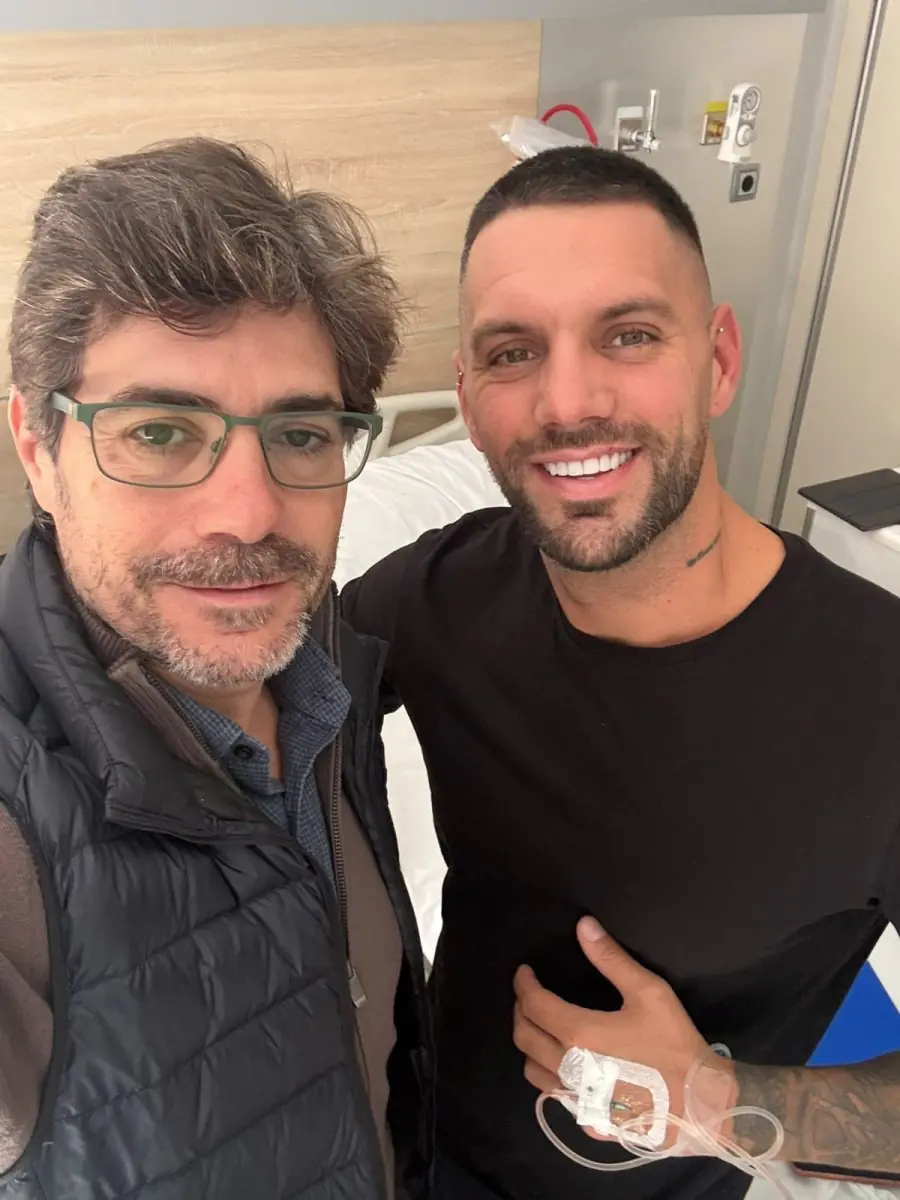
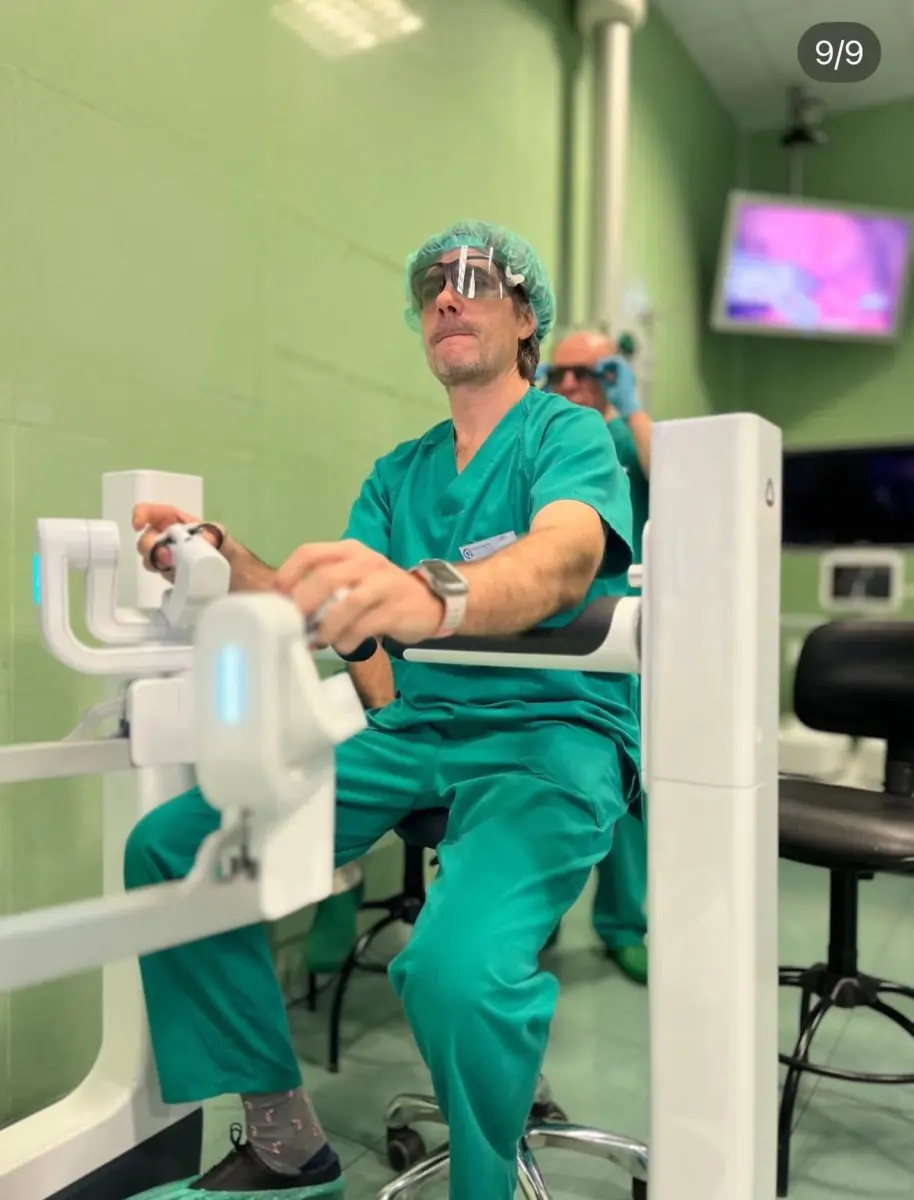
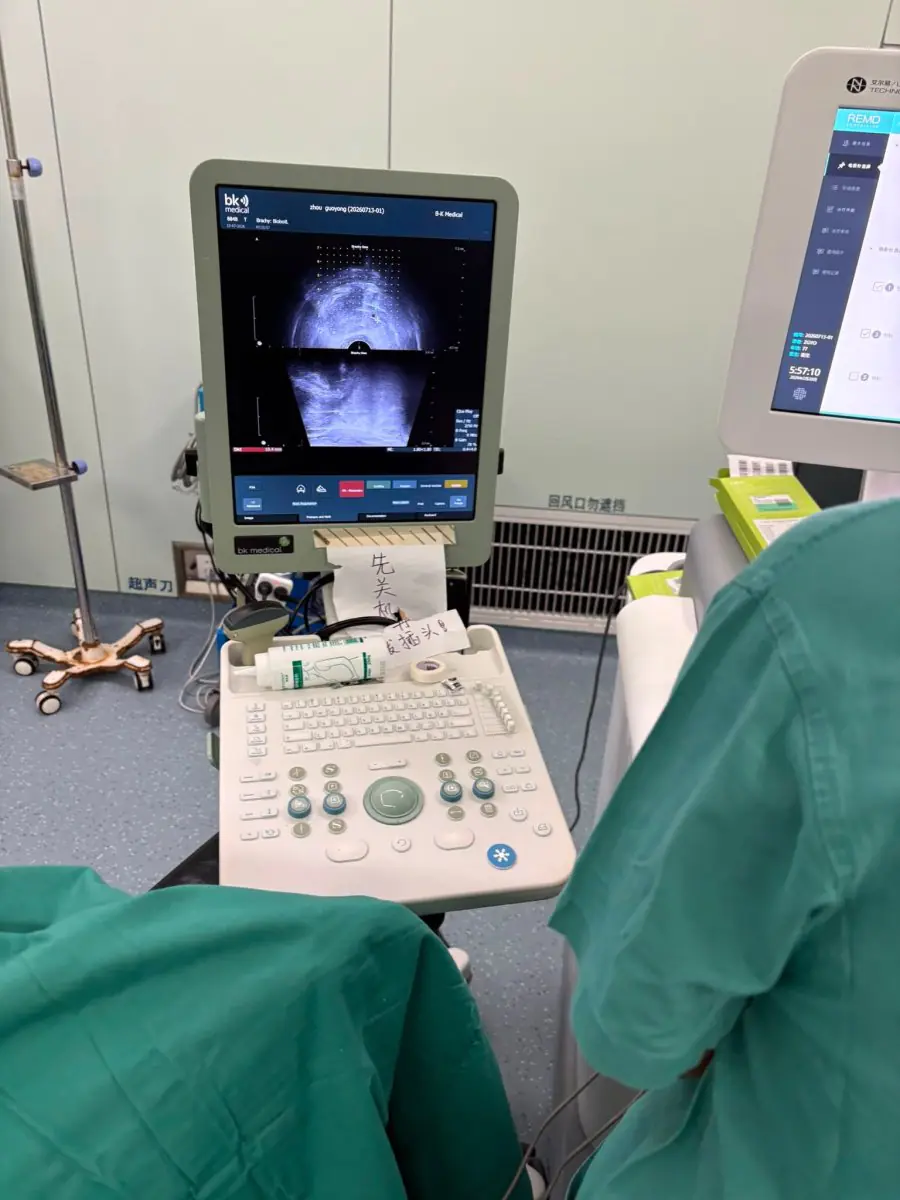

Holmium laser enucleation of the prostate (HoLEP) is offered at APL clinic de Urología in Madrid, Spain. The procedure removes enlarged prostate tissue through the urethra, without external incisions. It is led by Dr. José Ramón Pérez-Carral, director of the Spanish Association of Urology’s HoLEP training course.
HoLEP uses a holmium laser to remove the prostate adenoma, the enlarged tissue that can block urine flow. The procedure takes about 1 hour under general anesthesia. The clinic also offers thulium laser treatment and green laser photovaporization.
Dr. José Ramón Pérez-Carral is an official trainer in Spain for Richard Wolf, Boston Scientific, and Jena Surgical. He formerly led the benign prostate disease unit and prostate laser surgery program at Hospital La Paz.
Patients may stay in hospital for 1–2 nights or leave the same day. The laser method may allow catheter removal soon after surgery. Many people return to normal activities within a few days, while physical exertion should be avoided for about 2 weeks.
Compared with traditional surgery, the laser approach may involve less bleeding, faster recovery, fewer complications, and quicker symptom improvement. Recovery and discharge plans can vary by patient.
Urologists may discuss HoLEP when medication does not control benign prostatic hyperplasia (BPH) symptoms. It may also be considered for repeated urinary infections linked to BPH or long-term urine retention that causes infection or kidney damage.
APL clinic de Urología has 10 specialized urology units staffed by 18 doctors. The clinic works with Vithas Internacional and Hospital Ruber Internacional.
To explore whether HoLEP may suit your situation, you can request a consultation through Bookimed.

 The clinic is not accepting new requests
 Average answering time – 5 minutes
| treatment | Price | |
|---|---|---|
| Robotic da Vinci prostatectomy | Price on request | |
| Nephrectomy with Da Vinci Robot | Price on request | |
| Robotic radical nephrectomy | Price on request | |
| Prostatectomy | Price on request | |
| Nephrectomy | Price on request | |
| Vaporization (with GreenLight Laser) | Price on request | |
| Holmium Laser Enucleation of the Prostate | Price on request | |
| Transurethral resection of the bladder | Price on request | |
| Vasectomy | Price on request | |
| Percutaneous nephrolithotomy (PCNL) | Price on request | |
| Flexible ureterorenoscopy (URS) | Price on request | |
| Sacral Nerve Stimulation (SNS) (Sacral Neuromodulation (SNM)) | Price on request | |
| Laser Lithotripsy | Price on request | |
| Thulium Laser Enucleation of the Prostate (ThuLEP) | Price on request |
APL clinic de Urología is a specialized urology clinic. It opened in Madrid, Spain, in 2026. The clinic works across two buildings and has 10 super-specialized medical units. Each unit covers one area of urological health, from oncology and stone disease to men's health and genetics. Its 18 doctors treat both adults and children.
The clinic has international recognition for its cancer care. It is accredited by the American Society of Clinical Oncology (ASCO) and the European Society for Medical Oncology (ESMO). This means it follows global protocols for treating urological cancers.
The medical team takes part in international training and academic exchange. Several specialists teach at the University of Valencia and the Complutense University of Madrid. One team member, Dr. David Díaz, received the Peter Alken Stone Research Award. The clinic hosts the Course of Excellence in Urolithiasis, where other surgeons learn endoscopic techniques.
The Uro-Oncology Unit treats cancers of the prostate, kidney, bladder, and ureter. Surgeons aim to preserve healthy tissue and sexual function. They use robotic surgery for both tumor removal and complex reconstructive cases. Its millimetric precision helps patients recover faster and improves surgical outcomes.
For prostate cancer, several focal therapy options are available as alternatives to radical surgery:
Kidney tumors can be removed robotically as well. Options include radical nephrectomy, partial nephrectomy, and lymphadenectomy. After these robotic procedures, most patients are back to daily activities in about two weeks.
The Renal Stone Unit treats kidney stones (urolithiasis) through the natural urinary pathways whenever possible. For stones inside the kidney or ureter, specialists use flexible endoscopic instruments and advanced laser technology. This lets surgeons break up stones without any skin incisions.
Large or complex stones may need a different surgical or non-surgical approach:
The clinic offers complete care for Benign Prostatic Hyperplasia (BPH), or prostate enlargement. One option is robotic AquaBeam surgery. It uses a high-pressure water jet to remove the tissue blocking urine flow. Another is laser enucleation, such as HoLEP, done through the urethra.
The Functional Urology Unit treats problems that affect daily life, such as urinary incontinence and overactive bladder. For women with stress incontinence, the clinic offers adjustable suburethral slings (Remeex®) and artificial sphincters. Both men and women can get integrated pelvic floor physiotherapy to support recovery.
The Andrology and Infertility Units focus on male reproductive health and sexual function. For erectile dysfunction, specialists provide hormone replacement therapy and psychological support. If patients need assisted reproduction, advanced techniques like ICSI and IVF are available within the same pathway. A separate Genetic Diagnosis Unit checks for inherited risks of urological conditions.
APL clinic de Urología uses the Da Vinci robotic system for high-precision surgery. It gives surgeons 3D vision and better dexterity during prostatectomies and nephrectomies. For prostate enucleation and kidney stone fragmentation, the facility relies on several laser platforms.
Patients traveling from abroad get a dedicated support system. Staff help with administrative steps and with managing medical insurance coverage. Consultations and coordination take place mainly in English and Spanish.
Services for international visitors include:
Family members and companions traveling with the patient receive specialized support too. Because care paths are integrated, diagnostic and treatment steps stay well coordinated throughout the visit.
 The clinic is not accepting new requests
Average answering time – 5 minutes