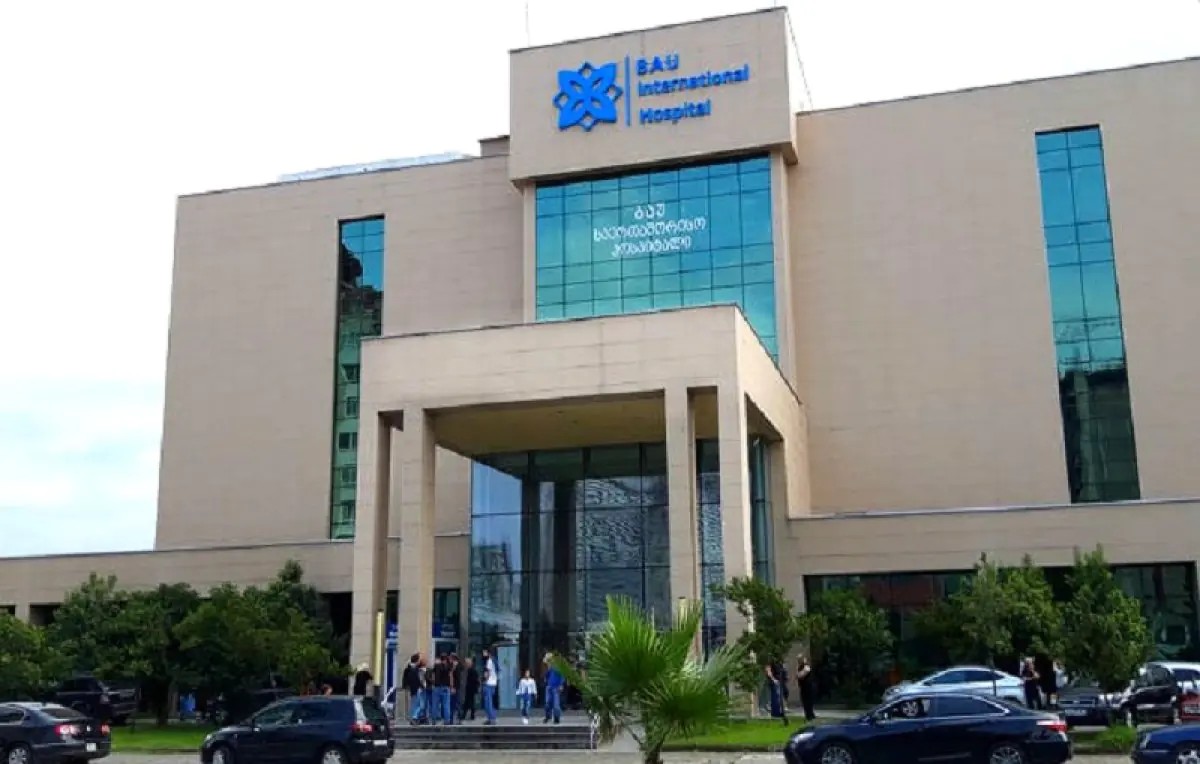
BAU International Hospital in Batumi is a focused medical center for orthopedic care. Established in 2016, the hospital runs a specialized orthopedics and traumatology department. The facility follows a single-doctor practice model dedicated to hip joint health. A team of 8 physicians oversees both surgical and conservative treatments.
Academic Achievements and Recognitions
Dr. Mikheil Mikeladze leads the orthopedic department. He has headed the department since the hospital opened in 2016. Dr. Mikeladze is currently a PhD candidate at New Vision University, researching surgical approaches to improve hip replacement outcomes.
The surgical team has earned several international honors and training grants:
- Ronald Burkle Fellowship of the Anterior Hip Foundation
- Fellowship at Edgewood Surgical Hospital in the United States
- Fellowship with Dr. Jonathan Yerasimides in Kentucky, USA
- Nomination for the Med Award as an Innovator orthopedic trauma surgeon
These fellowships reflect a commitment to international surgical standards. Dr. Mikeladze also trains in anatomical labs for primary and revision hip cases.
Hip Replacement and Orthopedic Specialties
The clinic focuses on total hip replacement using the direct anterior approach. This technique uses a bikini incision to minimize visible scarring. Surgeons follow a conservative philosophy – surgery happens only when non-surgical methods fail.
The practice addresses hip osteoarthritis (coxarthrosis), which causes groin pain and morning stiffness. For patients not ready for surgery, the clinic offers several conservative options:
- Weight control and loading correction
- Specialized physiotherapy and exercises
- Anti-inflammatory medication
- Injection therapy to reduce joint inflammation
Specialists use preoperative digital templating to ensure accuracy. This software lets surgeons plan implant size and leg length using X-ray data before the first incision. Such detailed planning helps match the surgical approach to each patient's specific needs.
Surgical Technologies and Safety Protocols
The hospital introduced two safety systems to Georgia for the first time. Surgeons use ventilated surgical helmet systems, often called "space suits." These helmets create a sterile barrier that reduces particles reaching the wound, lowering the risk of post-operative infections.
The operating room features the American STERIS ARCH leg positioner. This device holds the limb in a stable, repeatable position throughout the procedure. It allows precise adjustments of traction force and limb angle. By controlling these factors, surgeons improve precision while reducing strain on soft tissues.
Rehabilitation and International Patient Services
Recovery follows a structured 7-stage timeline. Early mobilization begins with a physiotherapist just hours after surgery. Most patients are discharged by day two – once they can walk independently and manage stairs. Full recovery planning typically wraps up at three months with the surgeon's approval.
The clinic provides several services for international travelers:
- Online consultations in English or Russian to review X-rays sent from abroad
- Airport transfers upon arrival in Batumi
- Accommodation at the partner hotel Best Western Plus Batumi
- Professional coordination in English, Georgian, and Russian
The diagnostic suite includes MRI, CT scans, and digital X-rays for rapid work-ups. International patients receive a treatment plan after their online review. This allows travelers to understand their recovery milestones before arriving.


 The clinic is not accepting new requests
 Average answering time – 5 minutes
