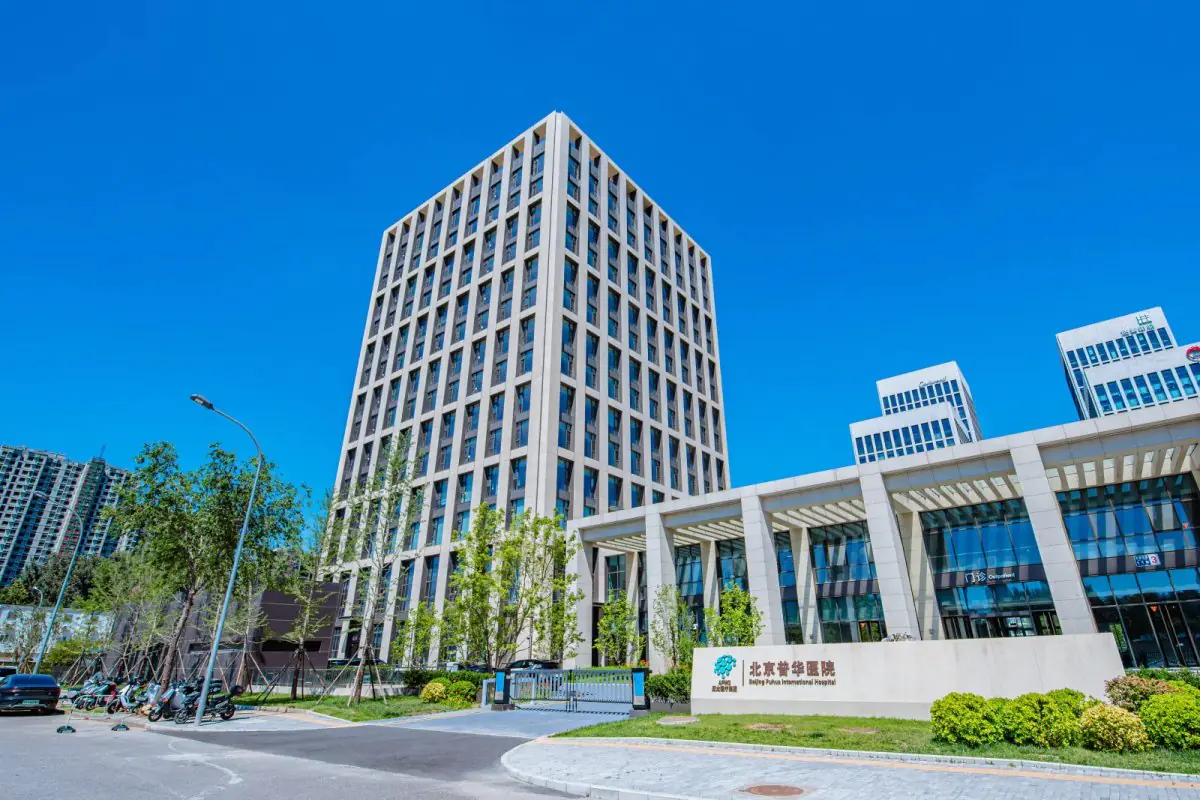
Beijing Puhua International Hospital is a private multi-specialty facility in Beijing's Dongcheng District. The hospital has 600 beds and 111 doctors. It delivers care through technology-enabled pathways for neurological, orthopedic, and rehabilitation needs. The facility includes specialized centers for digital orthopedics and gut microbiome restoration.
Advanced Neurosurgery and Neurology
The neurosurgery department focuses on robot-assisted stereotactic brain surgery. This technique allows high precision during complex interventions. Specialists treat a variety of conditions using these methods:
- Cerebral palsy and neurodevelopmental support
- Parkinson's disease and movement disorders
- Brain tumors, including gliomas and meningiomas
- Epilepsy and seizure disorders
- Post-acute brain injury recovery
Surgeons integrate neural growth factor therapy into the surgical workflow. This involves injecting neurotrophic factors to support nerve tissue repair. The hospital also offers Focused Ultrasound (MRgFUS) as a non-surgical option for select neurological conditions.
For immune modulation, the hospital runs a multidisciplinary IVIG program. Neurologists and nutritionists coordinate every treatment plan together. Patients undergo testing of lymphocyte subsets and cytokine profiling before starting therapy. This structured approach ensures immune modulation is tailored to each patient's clinical profile.
Digital Orthopedics and Spine Care
The Smart Digital Orthopedics Center uses the Medtronic AiBLE navigation system. This technology connects imaging and instrumentation for efficient surgical planning. The spine team performs robot-assisted surgery for disc herniations and spinal deformities like scoliosis. Surgeons prioritize implants that preserve natural motion and protect adjacent spinal segments.
Microbiome Therapy and Gastroenterology
The hospital operates a dedicated program for Fecal Microbiota Transplantation (FMT). This therapy helps manage inflammation in ulcerative colitis and Crohn's disease. The program draws from a library of over 14,000 screened donors to ensure safety. AI-assisted matching helps specialists select the most appropriate donor for each patient.
FMT products are prepared in a biosafety laboratory under GMP standards. Patients can receive the therapy in two formats:
- Live Bacterial Solution via endoscopic spray or enema
- Lyophilized Enteric Capsules for oral administration
Quality control protocols ensure strain viability stays at 80% or higher. Every batch undergoes pathogen testing by national institutes before clinical use.
Technology and Diagnostics
Beijing Puhua International Hospital uses robotic platforms for both brain and spine procedures. The MAZOR X robotic system supports pre-operative planning with real-time visualization. On-site diagnostic tools include dedicated CT scanning and X-ray rooms for rapid assessment. These capabilities support the hospital's focus on minimally invasive techniques across all major specialties.
International Patient Services
The hospital provides travel support for families coming to Beijing for treatment. Dedicated coordinators assist with visa invitation letters and practical trip arrangements. Multilingual interpreters follow a structured workflow to ensure clear communication during treatment decisions. Support staff also help with accommodation and local logistics.
Before discharge, the team confirms follow-up contacts and re-evaluation timing. The hospital transfers all medical records to the patient's local doctors. This coordinated process helps maintain continuity of care after the patient returns home.



 The clinic is not accepting new requests
 Average answering time – 5 minutes
