Therapy
| treatment | |
|---|---|
| Course of treatment with own stem cells | $19800 |
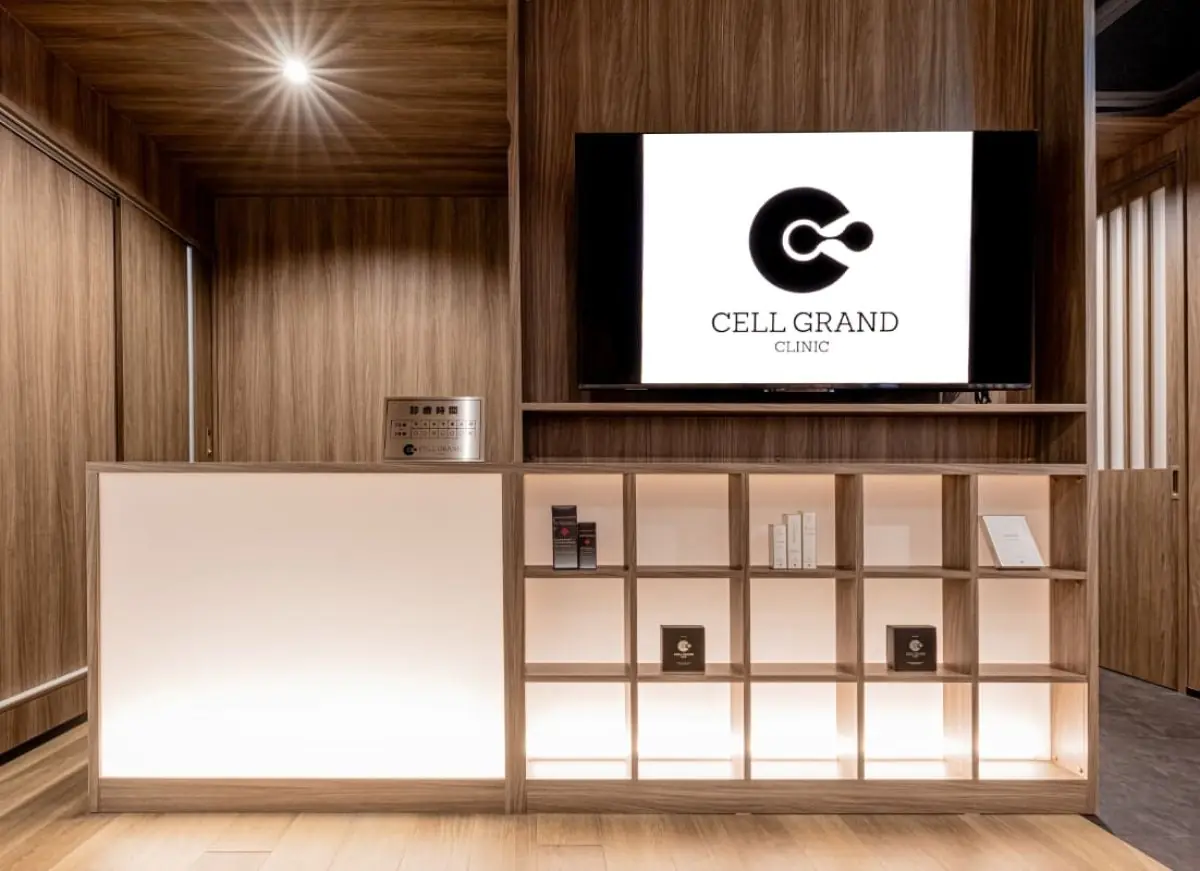
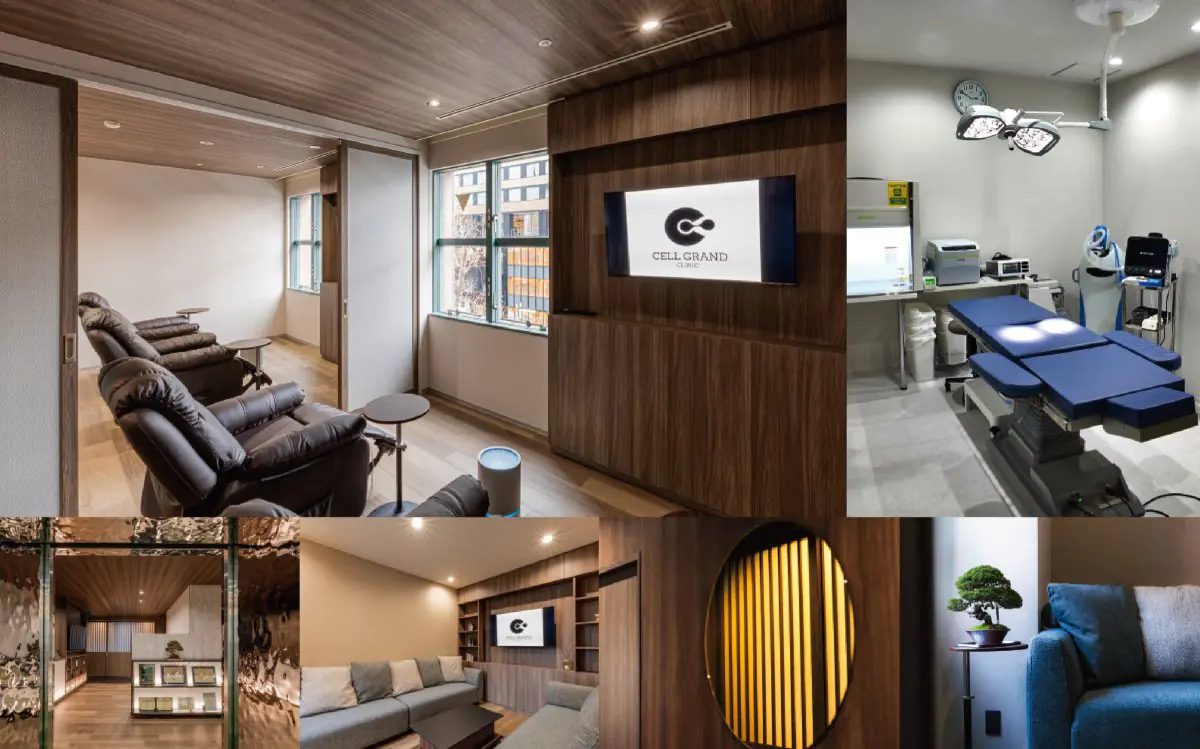

Cell Grand Clinic is a regenerative medicine center in Osaka, Japan. It focuses on autologous adipose-derived stem cell therapy and exosome therapy. The clinic treats diabetes, osteoarthritis, and Alzheimer's disease. It was founded in 2006 by Dr. Yuichi Wakabayashi. He is a board-certified specialist of the American Board of Regenerative Medicine.
Dr. Wakabayashi has performed over 3,000 stem cell treatments. The facility runs a government-licensed Cell Processing Center. Quality targets include 95% cell viability and 98% purity. The clinic holds both JCI and FACS accreditations. It was named Top Regenerative Medicine Solution in APAC in 2026. Several team members trained at the U.S. National Institutes of Health.

 The clinic is not accepting new requests
 Average answering time – 5 minutes
| treatment | |
|---|---|
| Course of treatment with own stem cells | $19800 |
| treatment | |
|---|---|
| Stem Cell Therapy | $21000 |
Cell Grand Clinic is a private regenerative medicine facility established in 2006. Located in Osaka's Shinsaibashi district, it specializes in autologous adipose-derived stem cell therapies. The medical team operates within Japan's Act on the Safety of Regenerative Medicine.
The clinic maintains 15 regenerative medicine provision plans notified to the Ministry of Health, Labour and Welfare (MHLW). It holds a government-licensed Cell Processing Center (CPC) license. The facility is also accredited by JCI and FACS.
Healthcare Business Review APAC named the facility the Top Regenerative Medicine Solution in APAC. Medical Director Dr. Yuichi Wakabayashi is a Diplomate of the American Board of Regenerative Medicine. He has performed over 3,000 stem cell treatments. Dr. Wakabayashi completed research training at the U.S. National Institutes of Health (NIH).
The clinic maintains academic collaborations to inform its cell culture protocols. A case report from the clinic was published in an international medical journal. Prof. Takahiro Ochiya, an expert in exosome biology, serves as an academic partner. This partnership focuses on extracellular vesicle signaling and stem cell potency.
The clinic provides structured treatment pathways for chronic and age-related conditions. Each plan uses freshly cultivated cells rather than off-the-shelf products. Primary specialties include:
For erectile dysfunction, the clinic uses intracavernous injections or IV infusions. These target vascular inflammation and endothelial dysfunction. Hair loss treatments involve microinjecting cultured cells directly into the scalp. Surplus cells can be cryopreserved, so patients avoid repeat fat harvesting.
The clinic uses a pharmaceutical-grade cleanroom for cell cultivation. Specialists expand harvested cells over approximately 5–7 weeks. Typical doses reach 100–200 million cells per treatment. The facility targets a 95% viability rate and 98% purity for all cultured products.
Quality testing occurs at multiple checkpoints during cultivation. Testing covers sterility, viability, mycoplasma, and endotoxin release criteria. The laboratory follows ISCT-standard surface marker verification to confirm mesenchymal stem cell identity. This means each batch meets rigorous safety and potency requirements.
The clinic uses nanoPDS® technology specifically for NMN therapy. Exosome therapy focuses on early-passage stem cells to maintain high bioactivity. All cell processing involves real-time monitoring by aseptic-technique-certified specialists. This controlled environment reduces risks during cell handling and expansion.
International care begins with a 60-minute online video consultation with Dr. Wakabayashi. He personally reviews each enquiry to determine eligibility and dosing. Patients then follow a two-visit on-site schedule in Osaka. English and Mandarin Chinese interpreters are available during visits.
The first visit takes approximately 30 minutes for adipose tissue harvesting. Surgeons use local anesthesia to collect a small tissue sample. Same-day options like PRP or exosome therapy are available during this initial trip. The second visit occurs after cultivation for the IV infusion or targeted injection.
Post-treatment support includes remote follow-up at 1, 3, and 6 months. These sessions occur via video call or email to monitor recovery. Patients can also reach the medical team through WhatsApp for ongoing questions. All records remain accessible to support continuity of care across borders.
 The clinic is not accepting new requests
Average answering time – 5 minutes