Polyps of the gastrointestinal tract Treatment in Digestive Surgery and Gastroenterology Specialist Centro PAD
About the clinic
Treatment for polyps of the gastrointestinal tract is available at Centro PAD in Madrid, Spain. The clinic is part of the HLA Moncloa University Hospital, which Newsweek recognized as one of the World's Best Smart Hospitals in 2023. The facility holds ISO 45001 accreditation and features an expert surgical team that has performed 7,000+ procedures.
Expert surgical leadership
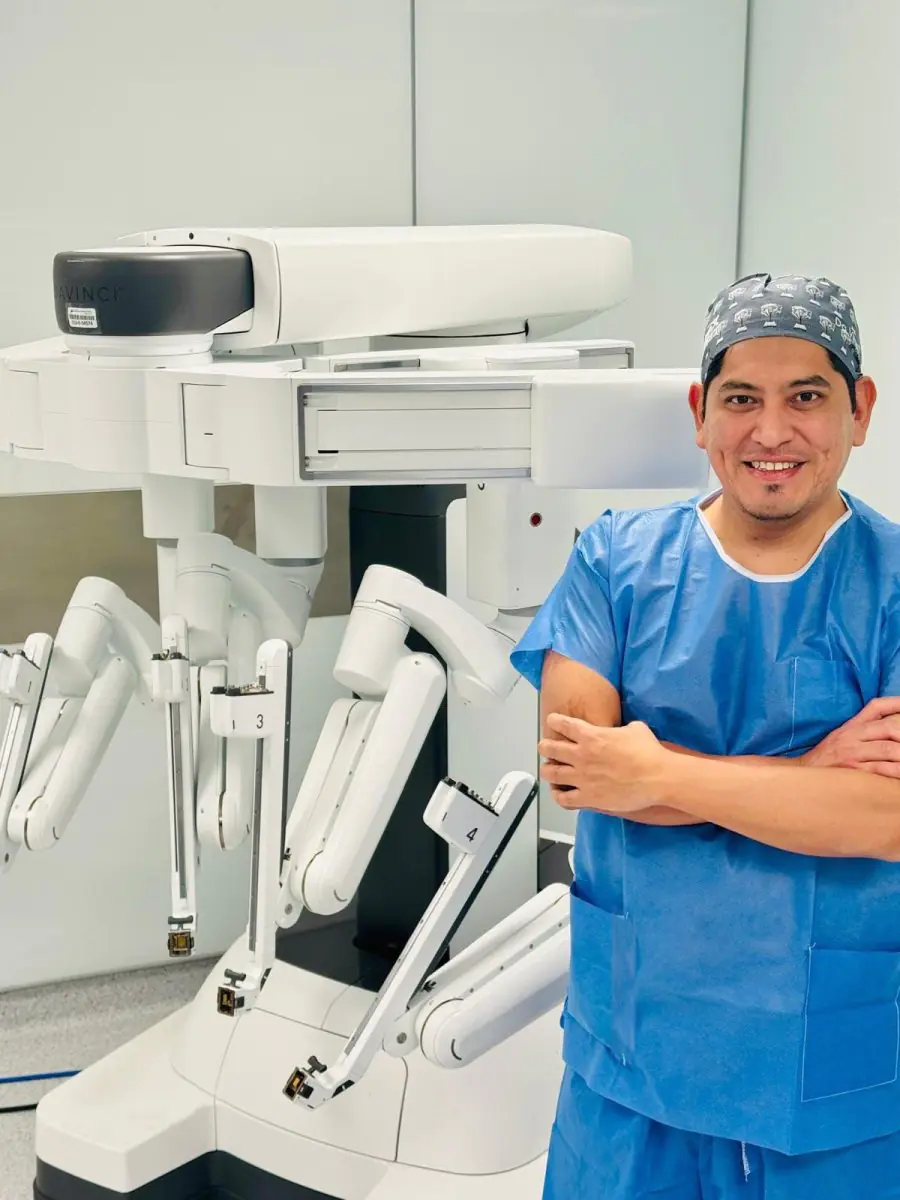
Dr. César Lévano Linares leads the surgical efforts for gastrointestinal conditions at the clinic. Dr. Lévano Linares is a specialist in laparoscopic and robotic colorectal surgery with over 15 years of experience. He earned his Doctor of Medicine with Cum Laude honors from the Autonomous University of Madrid. Dr. Lévano Linares holds certifications in robotic surgery for the Da Vinci Xi system and is a member of the European Society of Coloproctology (ESCP).
Diagnostic options for GI polyps
Early detection of polyps is vital for preventing colorectal cancer. The clinic uses various tools to identify the size, location, and type of polyps:
- Colonoscopy with biopsy. This allows the doctor to view the colon and remove tissue for testing.
- CT colonography. Also known as a virtual colonoscopy, it creates detailed images of the colon.
- Endoscopic ultrasound. This helps determine if a polyp has grown into deeper layers of the tissue.
- Fecal occult blood test. A simple lab test to check for hidden blood in the stool.
- Magnetic resonance cholangiopancreatography (MRCP). This imaging focuses on the gallbladder and bile ducts.
Minimally invasive treatment methods
The clinic focuses on techniques that reduce pain and shorten recovery times. Surgeons use the Da Vinci robotic system and advanced laparoscopic tools to remove polyps safely.
- Endoscopic polypectomy. The doctor removes the polyp during a standard colonoscopy. This is an outpatient procedure with minimal recovery time.
- Robotic surgery with Da Vinci Xi. This system provides maximum precision for complex polyp resections. Patients typically stay in the hospital for 1–2 days.
- TAMIS (transanal minimally invasive surgery). This method removes rectal polyps through the natural opening. It avoids abdominal incisions and preserves normal function.
- Laparoscopic cholecystectomy. This surgery removes the gallbladder if it contains polyps larger than 10mm. The procedure usually requires a 24-hour hospital stay.
- Robotic cholecystectomy. Using the Da Vinci robot for gallbladder removal offers the highest precision and minimal scarring.
International patients can access online consultations in English. To learn more about your treatment options or to request a consultation, you can leave a request on Bookimed.
Highlights
Get a free consultation

Accepted payment methods
View more information
Treatments prices in the clinic
| treatment | Price | |
|---|---|---|
| Stomach resection | Price on request | |
| Resection of gallbladder | Price on request | |
| Laparoscopic Anti-Reflux (GERD) Surgery | Price on request | |
| Appendectomy | Price on request | |
| Сholecystectomy | Price on request | |
| Small intestine resection | Price on request | |
| Robotic cholecystectomy | Price on request |
Clinic Doctors
How are we doing?
Licences
hospital accreditations of quality
Digestive Surgery and Gastroenterology Specialist Centro PAD: more details about the clinic
Centro PAD is a private center in Madrid, Spain, dedicated to digestive, colorectal and abdominal wall surgery. Its team of two specialists treats around 600 patients a year using minimally invasive and robotic techniques designed for rapid recovery.
Founders and key doctors
Centro PAD was founded in 2024 by Dr. Carlos Garcia Vasquez, PhD, a colorectal and robotic surgeon and Associate Head of General and Digestive Surgery at Infanta Elena University Hospital.
Hospital and infrastructure
All procedures are performed at HLA Moncloa University Hospital, a hospital recognized among the World's Best Smart Hospitals 2023 by Newsweek and certified to ISO 45001. Patients benefit from a specialized surgical team and the infrastructure of a full-service hospital.
Procedures
The team uses Da Vinci robotic surgery (X, Xi and 5 systems) and advanced laparoscopy to treat:
- Colorectal and digestive cancer: colon, rectal and stomach cancer, liver metastases, peritoneal carcinomatosis (HIPEC).
- Proctology: hemorrhoids, anal fistula, fissure, pilonidal sinus, rectal prolapse.
- Abdominal wall: inguinal, umbilical, incisional and hiatal hernias, complex wall reconstruction.
- Bariatric and upper GI surgery: sleeve gastrectomy, gastric bypass, anti-reflux surgery, gallbladder surgery.
Care for international patients
Each case is reviewed personally by the surgeon. International patients can start with an online consultation and receive a personalized treatment plan before travelling to Madrid. Minimally invasive techniques mean less pain, smaller scars and a faster return home.
Additional services
Requirements for admission
Patient reviews
Lucia de la Mata Rodríguez
Jessica Merideth
Andrew English
Wayne Roche
Sam Robinson
Av. de Valladolid, 81B, Moncloa - Aravaca, 28008 Madrid, Spain
Get a free consultation

How it works:
- We find a medical coordinator familiar with the matter
- You get a personal offer with a step-by-step guide and the cost estimate
- We arrange your travel including appointment scheduling and flights booking
- You arrive at the hospital, we support you 24/7