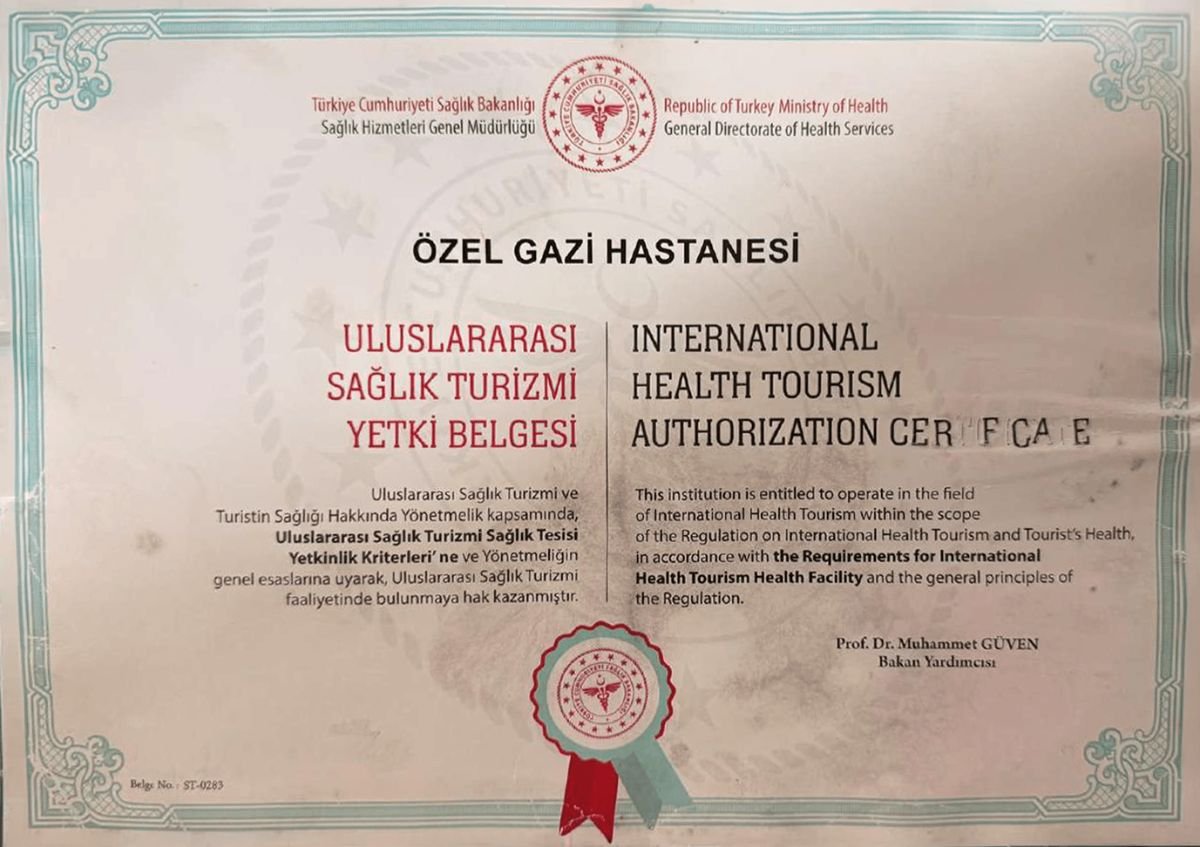
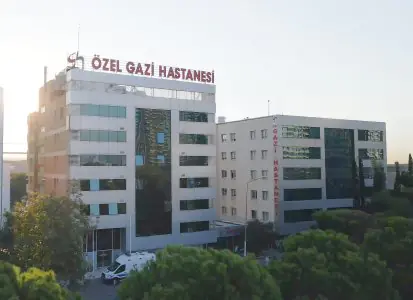
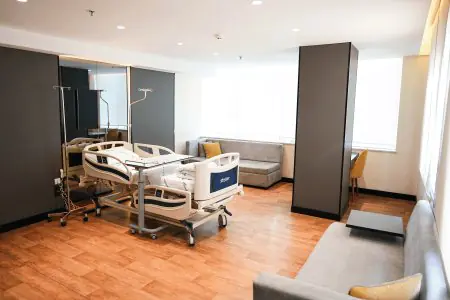
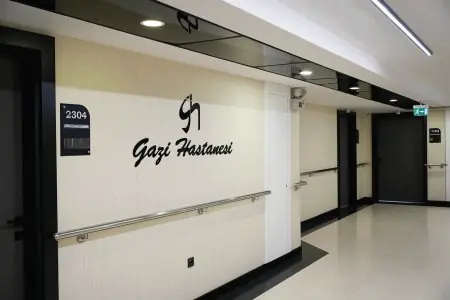
Gazi Hospital is a multidisciplinary private medical center in Izmir, Turkey. It opened in 2002 and runs from a single building with 111 beds. The hospital covers 27 medical specialties, and its team includes 173 doctors. Emergency services, surgical units, and diagnostic centers all work under one roof.
Quality Governance and Patient Safety
A structured quality management system oversees clinical work. Specialized committees handle infection control, intensive care, and emergency protocols. For safety, staff follow a standardized emergency code system:
- Blue Code for immediate emergency medical intervention
- Pink Code for infant and child safety
- White Code for staff protection against violence
- Red Code for fire and smoke alarms
A dedicated Patient Safety Committee manages these safety frameworks. The Laboratory Tests Monitoring Committee and Hemovigilance Board track clinical outcomes and laboratory accuracy.
Key Medical Specialties
The hospital covers several major surgical and medical fields. Complex cases get a multidisciplinary approach, especially in oncology and chronic disease care.
Hair Transplantation Center
This dedicated unit focuses on permanent hair restoration with modern extraction and implantation methods. Specialists perform Sapphire FUE, which uses sapphire-tipped blades for more precise incisions. Because of this, healing is usually faster than with steel blades. The clinic offers the DHI (Direct Hair Implantation) method too. It allows shaveless procedures and high-density placement.
Medical Oncology
The oncology department provides screening, diagnostic staging, and individual treatment planning. Dr. Bermet Junushova leads breast cancer care. Her work covers mammography planning and follow-up after treatment. To coordinate care, the team works closely with general surgery and radiology. Women with cancer receive psychosocial support as part of their treatment plan.
Gastroenterology
Specialists treat diseases of the esophagus, stomach, liver, and pancreas. The unit handles both diagnostic and interventional procedures. Dr. Ufuk Engin performs several specialized treatments:
- Polypectomy to remove polyps
- PEG tube placement for nutritional support
- Gastric balloon and gastric botox for weight management
Doctors plan endoscopy and colonoscopy screenings based on each patient's age and risk factors.
Orthopedics and Neurosurgery
Dr. M. Zeki Özcan works in the Orthopedics department, which treats sports injuries and joint disorders. Services include knee and hip replacement surgery and ACL repair. The Neurosurgery unit handles spinal conditions, including brain and spinal cord tumors. Dr. Erel Uluğ operates on movement-system diseases and complex nerve injuries.
Diagnostic Technologies
The hospital uses a range of imaging and lab tools to catch disease early. Radiology offers Coronary CT Angiography, a non-invasive way to see the heart arteries. Other diagnostic equipment includes:
- Magnetic Resonance Imaging (MRI)
- Computed Tomography (CT)
- Ultrasonography (USG)
- Medical Biochemistry fluids evaluation
Biochemistry services support diabetes monitoring and hormone measurements. These tests help specialists check liver and kidney function accurately.
Services for International Patients
A dedicated International Patient Unit assists visitors. Its staff provide medical guidance and coordinate with the management team. Specialists at the clinic consult in several languages:
- English
- Russian
- Turkish
- Kyrgyz
Post-treatment support is available through Home Health Services. This unit offers wound care, physiotherapy, and chronic disease monitoring once the patient leaves the hospital. If needed, professional medical monitoring can continue at home.


 The clinic is not accepting new requests
 Average answering time – 5 minutes