
mukesh rawat
Oct 23, 2026
Sumit bhaiya from GDP Hospital's pharmacy is very polite; Dr. Gourav Jain's behavior is also good; the service was excellent.
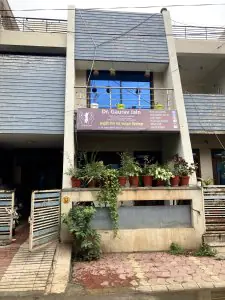
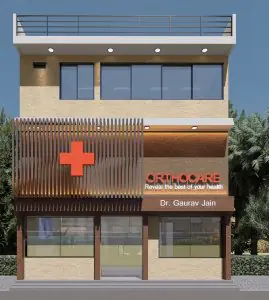
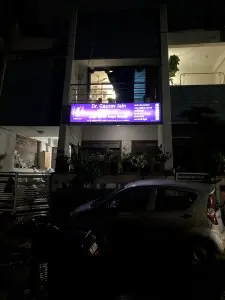
Scoliosis care at GDP Orthocare / GDP Care in Indore, India includes diagnostic imaging, bracing, therapy, and spine surgery. An MRI of one area may cost around $50, while an online second opinion may cost around $10–$20. Surgical treatment may cost around $2,000, and scoliosis surgery around $2,500. Dr. Gaurav Jain has over 15 years of experience and fellowships in pediatric orthopedics and spine surgery.
Standing X-rays and weight-bearing films show spinal curves and alignment. The clinic measures the Cobb angle, which shows the curve’s size, and checks bone growth to guide care.
Care may involve observation, bracing, or physical therapy. The choice depends on the curve and the child’s growth.
Fusion may be considered for curves over 40–50 degrees, progression despite bracing, or congenital and neuromuscular curves. The surgeon uses a posterior approach with screws, hooks, rods, derotation, and bone graft. Intraoperative neuromonitoring tracks nerve function during surgery.
Surgery takes 4–8 hours, followed by a 4–7-day hospital stay and the first night in intensive care. Walking often starts on day 1 or 2. Return to school may take 6 weeks to 3 months; full activity may take 6–12 months. Request a consultation or second opinion through Bookimed to discuss the available options.


 The clinic is not accepting new requests
 Average answering time – 5 minutes

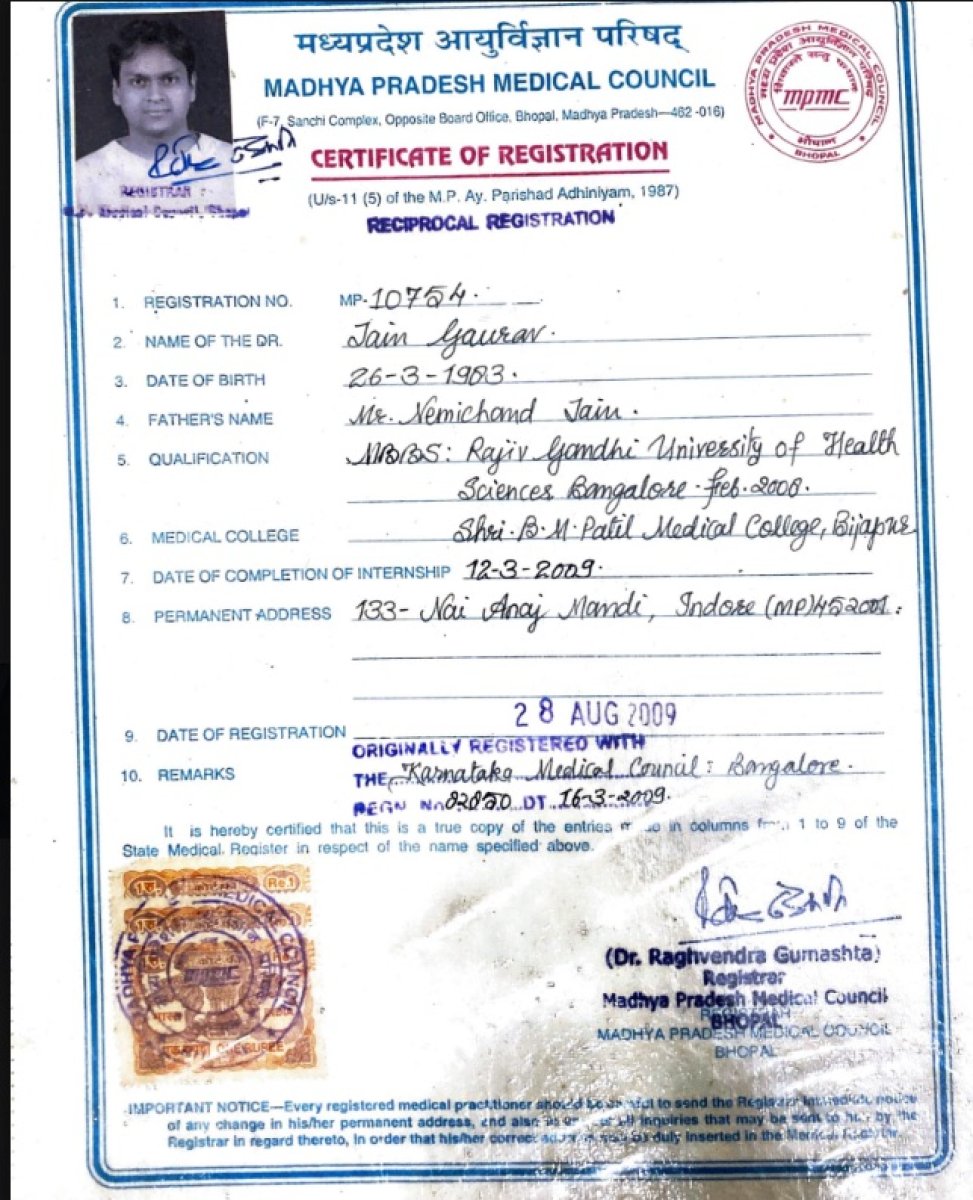
Dr. Gaurav Jain leads the clinic. He is a fellowship-trained surgeon with over 15 years of experience. Dr. Jain is an Associate Professor at LNCT Medical College and Sewakunj Hospital. His work in pediatric deformity and spine care has earned several professional awards:
Dr. Jain is a member of the North American Spine Society and the Association of Spine Surgeons of India. These memberships help keep the clinic's treatment methods based on verified protocols.
The clinic specializes in the Ponseti method for clubfoot correction. Since 2020, Dr. Jain has treated 186 children, covering 275 feet. These include first-time cases and complex referrals where treatment at other facilities failed. The protocol has three steps:
For hip dysplasia, specialists use the Pavlik harness for early-stage evaluation and bracing. Complex pediatric deformities may need surgery, and the clinic offers several options:
Casting and physical therapy come first. Surgery is considered only after that. This way, most children return to physical activities without major invasive procedures.
Spine care at the clinic covers pediatric scoliosis, disc prolapse, and radiculopathy. Scoliosis treatment depends on how severe the spinal curve is. Doctors simply monitor mild curves under 20 degrees. Moderate curves need bracing for 16–23 hours per day.
For severe scoliosis, surgeons perform spinal fusion with pedicle screws and rods. Younger children can get non-fusion alternatives and other procedures:
During spinal fusion, the team uses intraoperative neuromonitoring to track nerve function. Most patients stay in the hospital for 5–10 days after major spine surgery.
Diagnostic tools at the clinic help plan complex surgeries and monitor growth. Standing full-spine X-rays and weight-bearing alignment films are standard for deformity assessment. MRI and CT scans help evaluate unusual spinal curves and soft tissue injuries.
Rehabilitation equipment includes CPM machines. These start on the day of surgery to keep joints moving. For pain during recovery, the clinic offers electrotherapy such as TENS and ultrasound therapy.
The clinic supports families traveling from abroad or seeking remote advice. Through a structured second opinion service, patients upload X-rays and MRI scans and get written specialist advice. This lets families choose a treatment plan before they travel.
Online video consultations are available for international families and out-of-city patients. Consultations run in English and Hindi, and chat messages have automated translation. After treatment, families get structured 12-week recovery programs with remote follow-up via WhatsApp.
Patients choose GDP Orthocare / GDP Care most frequently to treat the following conditions: Orthopedics, Spinal Surgery, Hand surgery.
The most common procedures in the hospital are: Limb Lengthening (Left Leg), Osteotomy, Surgical treatment of scoliosis, Anterior cruciate ligament reconstruction, Scoliosis surgery, Minimally invasive fusion surgery, Herniated disc surgery, Discectomy.
mukesh rawat
VIKAS VASUNIYA
vikram arya
Sanjay Choudhary
jayant tomar tomar
 The clinic is not accepting new requests Average answering time – 5 minutes



