mukesh rawat
Oct 23, 2026
Sumit bhaiya from GDP Hospital's pharmacy is very polite; Dr. Gourav Jain's behavior is also good; the service was excellent.
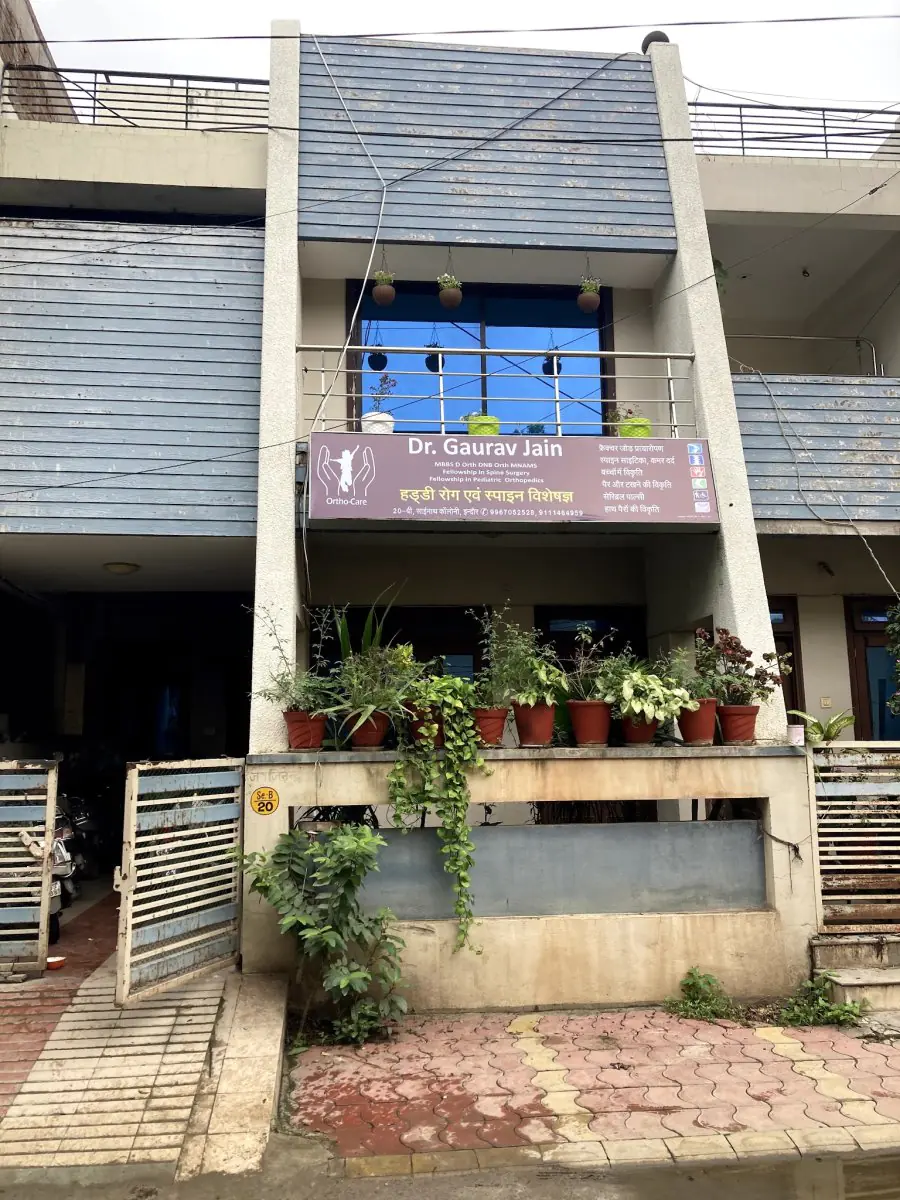
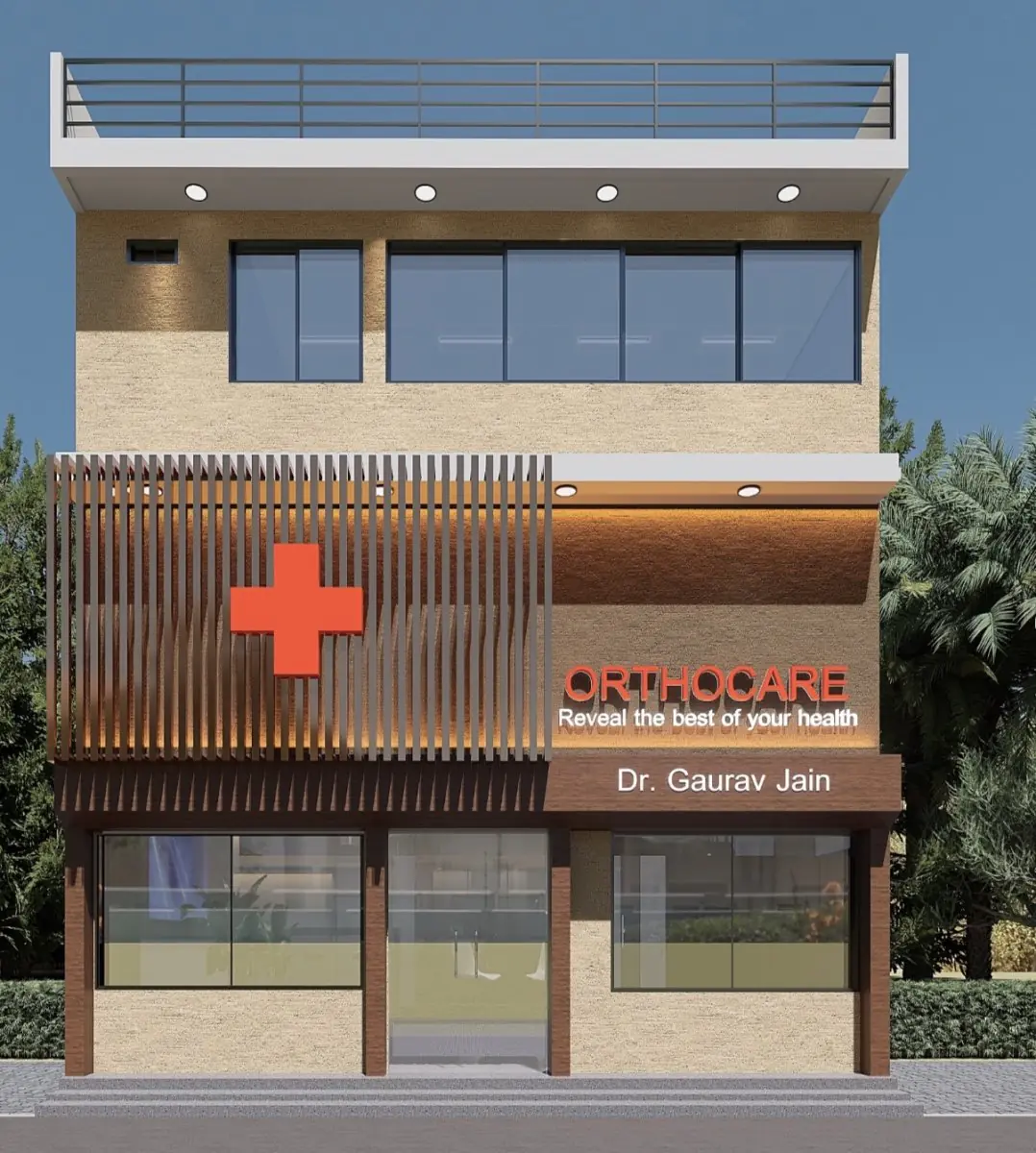
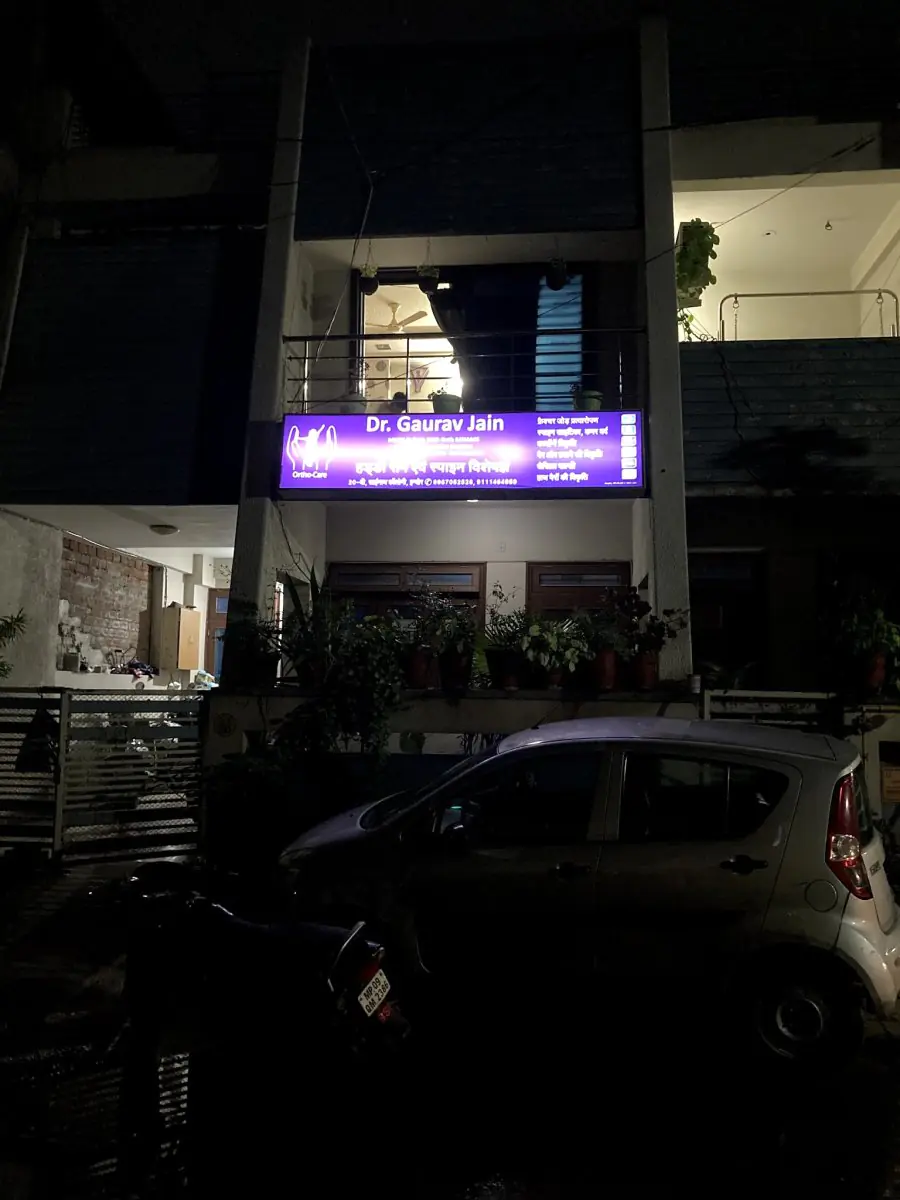
Arthroscopic meniscectomy is keyhole surgery that trims a torn meniscus at GDP Orthocare in Indore, India. Orthopedic surgeon Dr. Gaurav Jain has over 15 years of experience and reviews MRI scans to help choose care.
This surgery removes only the unstable, damaged part of the knee’s meniscus. It may be chosen when a tear is in an area with little blood supply or the damaged piece cannot be repaired. The surgeon aims to preserve the healthy meniscus rim, which helps protect the knee.
Small tears near the outer rim, some wear-related tears, and tears without locking may be managed without surgery. Options include rest, anti-inflammatory medicine, and exercises to strengthen the quadriceps and hip muscles.
Assessment may include a knee exam, an X-ray, and an MRI. The exam can check for joint-line tenderness and use the McMurray test. Imaging helps show the tear’s pattern and location.
During arthroscopy, the surgeon places a camera and instruments through two small incisions. The camera displays the inside of the knee on a high-definition screen. The procedure avoids a large incision and does not cut through the muscles.
Most procedures involve admission and discharge on the same day. After trimming, patients may walk that day, return to desk work within a few days, and resume full activity in four to six weeks. Rehabilitation can begin soon after surgery.
Dr. Jain is an Associate Professor of Orthopedics at LNCT Medical College and Sewakunj Hospital in Indore. His training includes fellowships in pediatric orthopedics at Wadia Hospital and spine surgery at Bombay Hospital, both in Mumbai.
For information about whether this treatment may fit your situation, you can request a consultation through Bookimed.


 The clinic is not accepting new requests
 Average answering time – 5 minutes
| diagnostics | Price | |
|---|---|---|
| MRI of one area | $50 |
Dr. Gaurav Jain leads the clinic. He is a fellowship-trained surgeon with over 15 years of experience. Dr. Jain is an Associate Professor at LNCT Medical College and Sewakunj Hospital. His work in pediatric deformity and spine care has earned several professional awards:
Dr. Jain is a member of the North American Spine Society and the Association of Spine Surgeons of India. These memberships help keep the clinic's treatment methods based on verified protocols.
The clinic specializes in the Ponseti method for clubfoot correction. Since 2020, Dr. Jain has treated 186 children, covering 275 feet. These include first-time cases and complex referrals where treatment at other facilities failed. The protocol has three steps:
For hip dysplasia, specialists use the Pavlik harness for early-stage evaluation and bracing. Complex pediatric deformities may need surgery, and the clinic offers several options:
Casting and physical therapy come first. Surgery is considered only after that. This way, most children return to physical activities without major invasive procedures.
Spine care at the clinic covers pediatric scoliosis, disc prolapse, and radiculopathy. Scoliosis treatment depends on how severe the spinal curve is. Doctors simply monitor mild curves under 20 degrees. Moderate curves need bracing for 16–23 hours per day.
For severe scoliosis, surgeons perform spinal fusion with pedicle screws and rods. Younger children can get non-fusion alternatives and other procedures:
During spinal fusion, the team uses intraoperative neuromonitoring to track nerve function. Most patients stay in the hospital for 5–10 days after major spine surgery.
Diagnostic tools at the clinic help plan complex surgeries and monitor growth. Standing full-spine X-rays and weight-bearing alignment films are standard for deformity assessment. MRI and CT scans help evaluate unusual spinal curves and soft tissue injuries.
Rehabilitation equipment includes CPM machines. These start on the day of surgery to keep joints moving. For pain during recovery, the clinic offers electrotherapy such as TENS and ultrasound therapy.
The clinic supports families traveling from abroad or seeking remote advice. Through a structured second opinion service, patients upload X-rays and MRI scans and get written specialist advice. This lets families choose a treatment plan before they travel.
Online video consultations are available for international families and out-of-city patients. Consultations run in English and Hindi, and chat messages have automated translation. After treatment, families get structured 12-week recovery programs with remote follow-up via WhatsApp.
 The clinic is not accepting new requests
Average answering time – 5 minutes