Dania Pichardo-Franco


Obesity Treatment in Instituto Bariátrico Dr. Luis A. Betances
About the clinic
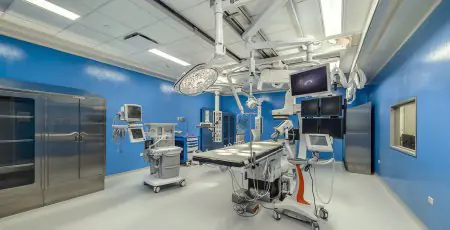
The Instituto Bariátrico Dr. Luis A. Betances provides obesity assessment and treatment in Santo Domingo, Dominican Republic. Dr. Luis A. Betances, the institute’s founder, has been an International Fellow of ASMBS since 2003.
14-part obesity assessment
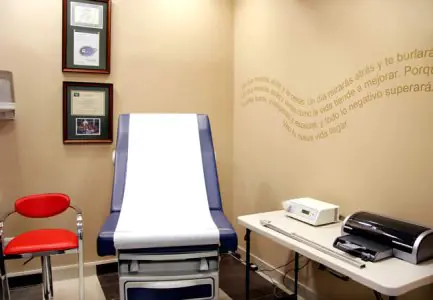
Assessment can begin with a virtual consultation and BMI review. Before surgery, patients complete laboratory tests and specialist evaluations, including psychiatric and endocrinology assessments.
- Heart and lung checks: Cardiovascular and pulmonology evaluations, chest X-ray, echocardiogram, electrocardiogram, and spirometry.
- Imaging and endoscopy: Thyroid and abdominal sonography, plus diagnostic gastroscopy with biopsy.
- Anesthesia review: Anesthesiology evaluation before surgery.
Surgical candidates receive nutrition guidance, a supervised exercise plan, and advice on smoking cessation and preoperative weight loss. Criteria include BMI of at least 40, or BMI of at least 35 with an obesity-related condition. A history of obesity lasting over 5 years and unsuccessful nutrition and behavioral therapy are also listed.
Nine obesity treatment options
- Sleeve gastrectomy (SG): Removes 60–80% of the stomach, leaving a narrow tube. It reduces stomach capacity and ghrelin, an appetite-stimulating hormone. Hospital stay is about 2 days; the clinic reports approximately 70% excess-weight loss.
- Roux-en-Y gastric bypass (RYGB): Combines stomach restriction with reduced nutrient absorption. It is offered for severe obesity and metabolic disease.
- MagDi Magnetic Bypass: Magnetic compression joins the duodenum and ileum without staples or sutures. One magnet is swallowed and guided into place; another is inserted by gastroscopy. They are expelled naturally after 2 to 3 weeks. It is offered for hard-to-manage type 2 diabetes with obesity or weight regain after sleeve surgery. Outpatient treatment is possible in some cases.
- Mini gastric bypass (OAGB): A restrictive and malabsorptive bypass with one connection.
- Biliopancreatic diversion: Creates a smaller stomach space and reroutes the intestine to limit food intake and nutrient absorption.
- Intestinal bipartition (SADIS / SADI): Changes food flow and affects appetite, nutrient absorption, and glucose-related hormones.
- Gastric plication: Reduces stomach capacity without removing or bypassing stomach tissue.
- Intragastric balloon: A temporary endoscopic option used to support behavior change and weight loss.
- Revisional bariatric surgery: Evaluates causes of weight regain or complications before a personalized reoperation. The procedure takes about 3 hours, followed by 10 days of rest.
Follow-up from weekly visits to annual checks
Follow-up is weekly during the first month, then every two weeks in month two. Monthly visits continue through month six, followed by six-month visits until year two and annual checks afterward. Patients can also join an online support group with Slack messaging and regular Zoom meetings. Request a consultation through Bookimed to discuss the assessment and treatment options.
Highlights
Get a free consultation
Treatments prices in the clinic
Clinic Doctors
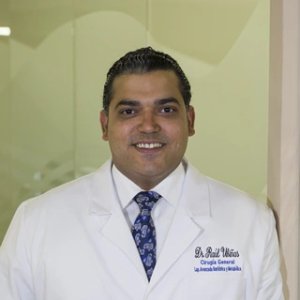
General surgeon
How are we doing?

Instituto Bariátrico Dr. Luis A. Betances: more details about the clinic
The Instituto Bariátrico Dr. Luis A. Betances is a private medical center in Santo Domingo's Piantini neighborhood. Founded in 2003, the institute focuses on bariatric and metabolic surgery for severe obesity. The clinical team performs both primary operations and complex revisional procedures for patients with weight regain or anatomical complications.
Accreditations and Achievements
Dr. Luis A. Betances holds certification from the American Society for Metabolic and Bariatric Surgery (ASMBS). This confirms adherence to rigorous clinical standards for weight-loss surgery. Data from the institute shows that 80% of patients recover their metabolic health after bariatric procedures here.
Bariatric and Metabolic Surgery Options
The clinic uses an evaluation-driven pathway to select the best surgical plan for each patient. Surgeons review clinical history, eating habits, and related conditions before recommending a technique. The surgical team includes 13 doctors who specialize in laparoscopic and minimally invasive methods.
The institute offers several primary weight-loss procedures:
- Roux-en-Y Gastric Bypass to treat severe obesity and metabolic disease
- Sleeve Gastrectomy – removal of 60–80% of the stomach to form a thin gastric tube
- Biliopancreatic Diversion – modifies stomach size and small intestine length through stapling
- Intestinal Bipartition Surgery and SADIS techniques
- Gastric Plication and intragastric balloon options for temporary behavior modification
Revisional bariatric surgery is available for those who have had a prior operation. These complex procedures typically take three hours and require a 10-day rest period. The surgical plan targets specific anatomical or metabolic causes of previous failures.
Advanced Magnet-Based Technology
The clinic offers the MagDi Magnetic Bypass as a suture-free alternative for selected metabolic patients. This technique uses magnetic attraction and tissue fusion to connect the duodenum and ileum. One magnet is ingested while a second is placed endoscopically. Controlled compression allows natural tissue fusion, so traditional staples or sutures aren't needed.
Preoperative Diagnostics and Safety
Every surgical candidate goes through thorough preoperative preparation. This includes laboratory analysis and specialist evaluations in anesthesiology, cardiovascular medicine, and pulmonology. The institute uses several diagnostic tools to assess patient readiness:
- Chest X-rays (Pa/Lateral) and thyroid sonography
- Echocardiogram and abdominal sonography
- Electrocardiogram and spirometry
- Diagnostic gastroscopy with biopsy
Psychiatric and endocrinology evaluations are also required before a surgical date is set. These assessments help the team manage chronic diseases like type 2 diabetes and hypertension during the perioperative period.
International Patient Support and Aftercare
International patients receive structured, long-term monitoring through a multidisciplinary follow-up model. The team includes surgeons, nutritionists, endocrinologists, and psychiatrists. This support group approach helps patients move through different phases of recovery and lifestyle change.
The postoperative consultation schedule follows a strict timeline:
- Weekly consultations during the first month
- Biweekly consultations during the second month
- Monthly visits until the sixth month
- Every six months until the second year, then annual check-ups
Nutritional and surgical assessments occur at least every six months during the first two years. This frequency allows early detection of nutritional deficiencies or metabolic shifts after surgery.

FAQ
What treatments do patients most often ask for?
Patients choose Instituto Bariátrico Dr. Luis A. Betances most frequently to treat the following conditions: Weight Loss Surgery.
What procedures do patients have most often?
The most common procedures in the hospital are: Gastric sleeve surgery (Sleeve gastrectomy), Metabolic surgery, Gastric bypass, Roux-en-Y Gastric Bypass, Biliopancreatic diversion, Gastric band, Gastric balloon, Da Vinci Gastric Sleeve Surgery.
Patient reviews
Leidy Goris
Wendy Liranzo Castillo
Julio Morales
Eryka M
Yaneiris González
Celeste Defilló
Gordita Fit EIRL
Aurora Fernandez
La Casa del Bariatrico SRL
Rafael Augusto Sánchez 45, Piantini. Torre Medicalnet Suite 405, Santo Domingo, Dominican Republic

Get a free consultation
How it works:
- We find a medical coordinator familiar with the matter
- You get a personal offer with a step-by-step guide and the cost estimate
- We arrange your travel including appointment scheduling and flights booking
- You arrive at the hospital, we support you 24/7