
Dania Pichardo-Franco
Infinite thanks!!!
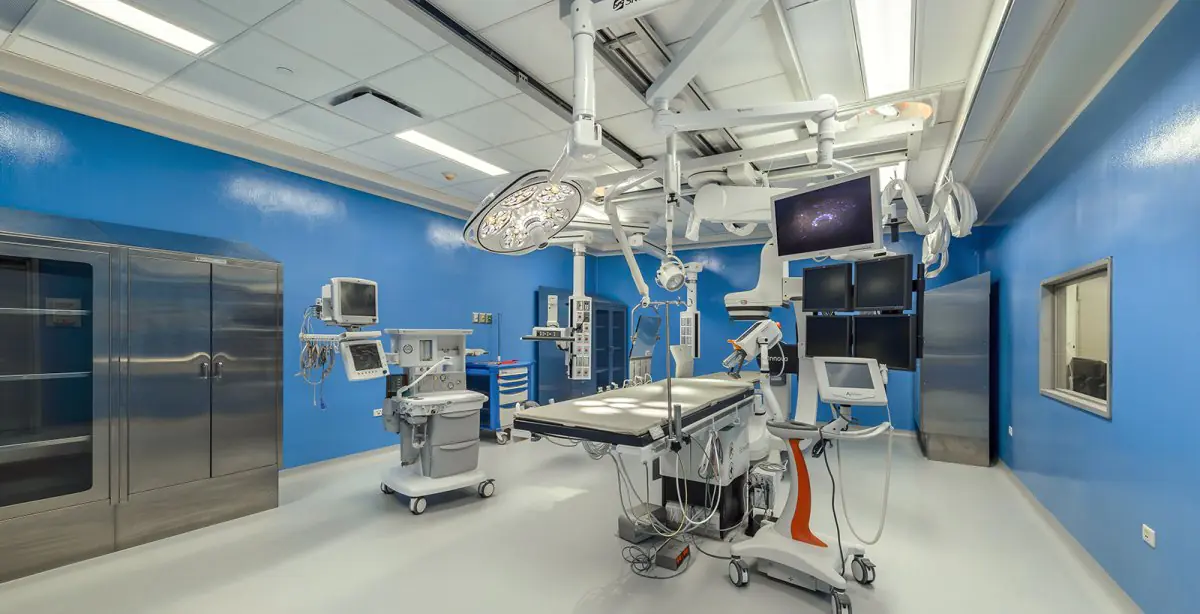
Robotic sleeve gastrectomy is offered at Instituto Bariátrico Dr. Luis A. Betances in Santo Domingo, Dominican Republic. Dr. Luis A. Betances is an ASMBS-certified bariatric surgeon and International Fellow. The institute has Total Patient Care recognition and is described as the only institution with this recognition in Central America and the Caribbean.
The surgery can use a standard laparoscopic or robot-assisted approach. It removes about 60–80% of the stomach, leaving a narrow tube. The smaller stomach can limit food intake and reduce ghrelin, a hormone that stimulates appetite. Changes in gut hormones may also reduce hunger and increase fullness.
Weight loss varies from person to person. The clinic describes an expected loss of approximately 70% of excess weight. A typical hospital stay is around two days.
Before surgery, patients have a multidisciplinary assessment. It includes lab tests, a chest X-ray, an echocardiogram, abdominal ultrasound, and gastroscopy. The evaluation also involves psychiatry, endocrinology, and pulmonology.
Follow-up visits take place weekly during the first month, then every two weeks in the second month. Visits continue monthly through six months, every six months until two years, and annually after that. Bariatric patients can also join a virtual support group led by a dietitian.
People considering this procedure can request a consultation through Bookimed to discuss whether it may suit their needs.

| treatment | Price | |
|---|---|---|
| Gastric sleeve surgery (Sleeve gastrectomy) | Price on request | |
| Metabolic surgery | Price on request | |
| Gastric bypass | Price on request | |
| Roux-en-Y Gastric Bypass | Price on request | |
| Biliopancreatic diversion | Price on request | |
| Gastric band | Price on request | |
| Gastric balloon | Price on request | |
| Da Vinci Gastric Sleeve Surgery | Price on request | |
| Mini Gastric Bypass | Price on request | |
| Robotic Sleeve Gastrectomy | Price on request | |
| Robotic Roux-en-Y gastric bypass | Price on request |
The Instituto Bariátrico Dr. Luis A. Betances is a private medical center in Santo Domingo's Piantini neighborhood. Founded in 2003, the institute focuses on bariatric and metabolic surgery for severe obesity. The clinical team performs both primary operations and complex revisional procedures for patients with weight regain or anatomical complications.
Dr. Luis A. Betances holds certification from the American Society for Metabolic and Bariatric Surgery (ASMBS). This confirms adherence to rigorous clinical standards for weight-loss surgery. Data from the institute shows that 80% of patients recover their metabolic health after bariatric procedures here.
The clinic uses an evaluation-driven pathway to select the best surgical plan for each patient. Surgeons review clinical history, eating habits, and related conditions before recommending a technique. The surgical team includes 13 doctors who specialize in laparoscopic and minimally invasive methods.
The institute offers several primary weight-loss procedures:
Revisional bariatric surgery is available for those who have had a prior operation. These complex procedures typically take three hours and require a 10-day rest period. The surgical plan targets specific anatomical or metabolic causes of previous failures.
The clinic offers the MagDi Magnetic Bypass as a suture-free alternative for selected metabolic patients. This technique uses magnetic attraction and tissue fusion to connect the duodenum and ileum. One magnet is ingested while a second is placed endoscopically. Controlled compression allows natural tissue fusion, so traditional staples or sutures aren't needed.
Every surgical candidate goes through thorough preoperative preparation. This includes laboratory analysis and specialist evaluations in anesthesiology, cardiovascular medicine, and pulmonology. The institute uses several diagnostic tools to assess patient readiness:
Psychiatric and endocrinology evaluations are also required before a surgical date is set. These assessments help the team manage chronic diseases like type 2 diabetes and hypertension during the perioperative period.
International patients receive structured, long-term monitoring through a multidisciplinary follow-up model. The team includes surgeons, nutritionists, endocrinologists, and psychiatrists. This support group approach helps patients move through different phases of recovery and lifestyle change.
The postoperative consultation schedule follows a strict timeline:
Nutritional and surgical assessments occur at least every six months during the first two years. This frequency allows early detection of nutritional deficiencies or metabolic shifts after surgery.
