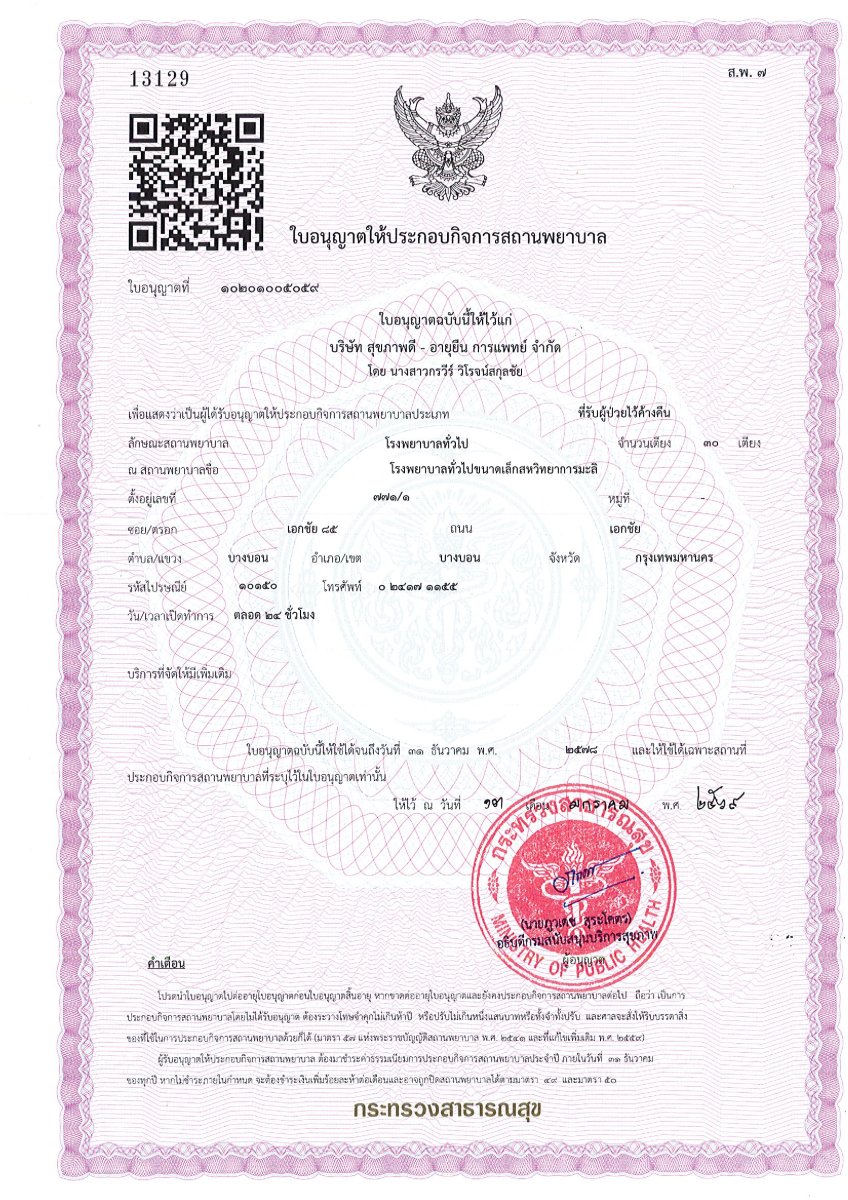
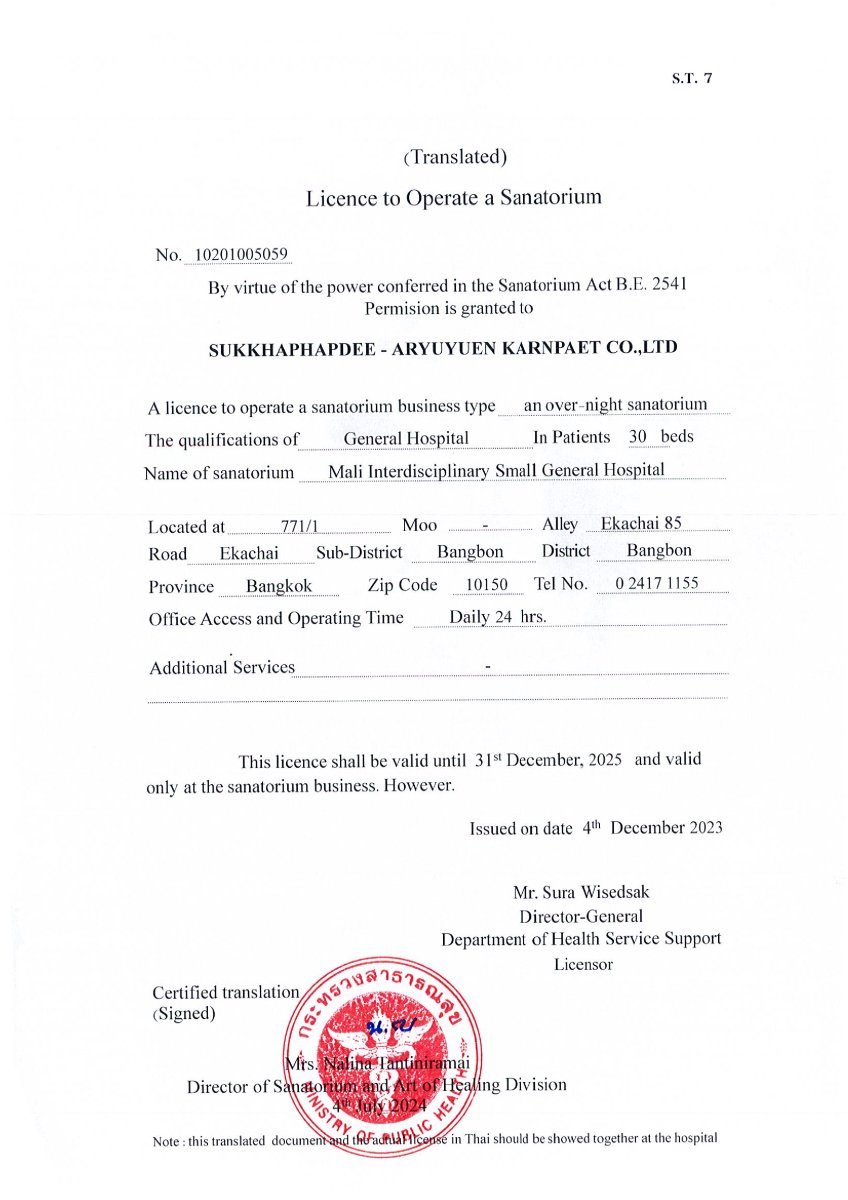
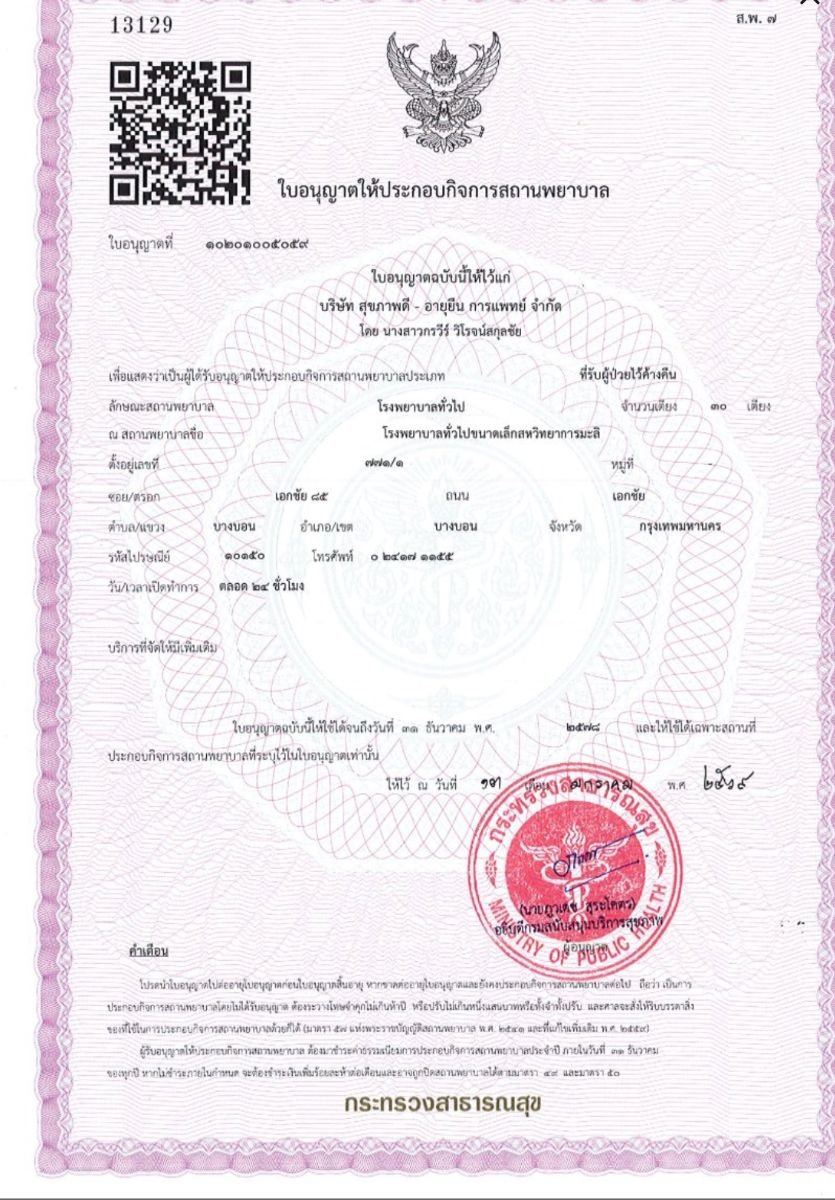
Mali Interdisciplinary Hospital is a private medical center in Bangkok. It opened in 1994 and provides care across 14 specialized departments. The facility blends conventional medicine with regenerative and precision medicine to manage chronic conditions.
Key Facts and Achievements
The hospital treats 50,000 patients every year. It holds AACI accreditation, which confirms adherence to international standards for clinical excellence and safety. The center also follows Global Health Accreditation (GHA) guidelines.
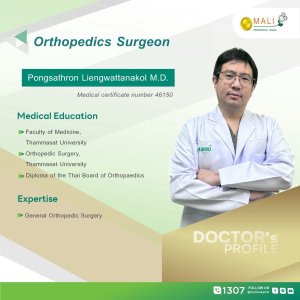
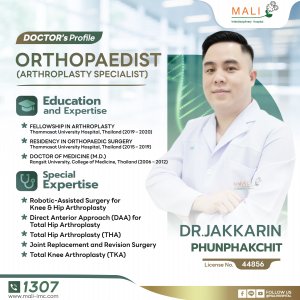
The clinical team includes 19 doctors working in a 33-bed facility. The hospital has two emergency rooms and a gastro-colonoscopic unit. Care is delivered in a restorative environment designed for physical and mental comfort.
Regenerative and Precision Medicine
The hospital uses regenerative medicine to support tissue repair without surgery. This approach restores function through biological means. Precision medicine is also used to prevent and manage chronic non-communicable diseases.
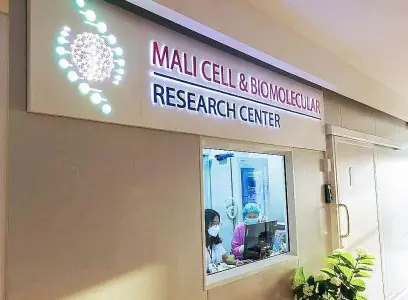
Autologous stem cell therapy is a core service. Stem cells are extracted from the patient's own adipose (fat) tissue. These cells are cultured in the hospital's on-site laboratory for 30 days before use.
Safety protocols include screening stem cells for the following infections:
- HIV and Syphilis (VDRL)
- Hepatitis B and Hepatitis C
- Cytomegalovirus (CMV)
- Herpes Simplex Virus (HSV) types 1 and 2
The medical team provides ongoing monitoring after every stem cell treatment.
Orthopedic and Spinal Care
The orthopedic department treats joint and tendon conditions using both surgical and biological methods. Specialists provide Platelet-Rich Plasma (PRP) injections for joint treatment. They also offer Subchondroplasty – injecting bone-forming agents into damaged areas.
For Achilles tendon issues, surgeons perform Haglund's deformity correction. They use endoscopic techniques through small incisions to reduce pain. If damage is extensive, they perform open bone removal with tendon reattachment.
Spinal procedures include Nucleoplasty, which uses sound waves to repair intervertebral discs. This can be performed with or without general anesthesia. The hospital also provides Vertebroplasty to treat bone collapses caused by osteoporosis.
Specialized Surgical Procedures
General and plastic surgery departments perform minimally invasive and corrective operations. The surgical team uses laparoscopic (small-incision) techniques for conditions listed below:
- Laparoscopic hernia repair (two-night hospital stay)
- Laparoscopic gallbladder removal (cholecystectomy)
- Laparoscopic hysterectomy and ovarian cyst removal
- Gender reassignment surgery using intestinal reconstruction or graft techniques
- Rhinoplasty and breast augmentation
Recovery after hernia surgery typically lasts 1–2 weeks, depending on the patient's condition.
Diagnostic Technologies
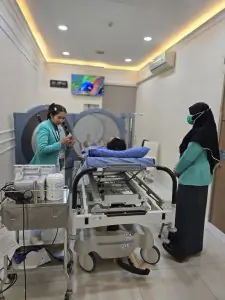
The hospital uses Low Dose CT scans for lung cancer screening. This technology reduces radiation exposure while maintaining high image quality. Bone health is assessed using DEXA scans to measure density in individual spinal joints.
Other diagnostic capabilities include:
- Carotid artery (CIMT) examinations to assess stroke risk
- MRI and ultrasound for detailed soft tissue imaging
- Gastrointestinal endoscopy and colonoscopy
- Telomere length analysis to determine biological body age
Patients must provide MRI or ultrasound reports before their initial specialist consultation. CT examinations include the delivery of results on a CD.
International Patient Services
The hospital provides online consultations with neurosurgeons and orthopedic surgeons by appointment. Medical files can be sent digitally in JPG or ZIP formats. The center accepts international patients and offers airport transfer services and local transportation.
Support staff assist in English, Arabic, and Chinese. For patients requiring extended recovery, the hospital offers specialized rehabilitation packages. These often include physical therapy sessions and multi-night stays in private rooms.





 Individual treatment program and cost estimate
 Average answering time – 5 minutes