Tatiana Kovaleva • Female check-up


Last updated: Aug 26, 2019
Atrial fibrillation Treatment in Medical Diagnostic and Treatment Center
About the clinic
Atrial fibrillation care at Medical Diagnostic and Treatment Center (Hila) in Vilnius, Lithuania includes cardiology assessment, rhythm tests and rehabilitation. A Premium Check-up with general health screening may cost around $600–$1,300. Prof. Dr. Pranas Šerpytis has over 40 years of cardiology experience and has provided 90,000+ consultations.
The clinic’s cardiology team includes 10+ cardiologists who diagnose and treat atrial fibrillation and flutter. Prof. Dr. Šerpytis is a professor of cardiovascular diseases and a former cardiologist in the arrhythmia department at Vilnius University Hospital. He has 700+ scientific publications.
Tests for atrial fibrillation, including 24-hour monitoring
Testing can help detect irregular rhythms, assess heart function and check factors linked to atrial fibrillation.
- Cardiology consultation: A specialist reviews symptoms and plans an instrumental work-up.
- Resting and exercise ECG: Records heart rhythm and checks exercise tolerance.
- Holter monitoring: A portable device records ECG continuously for 24 hours. It can detect episodes of atrial fibrillation and assess heart rate control.
- Echocardiography: Heart ultrasound assesses atrial size, valve disease and heart function.
- 24-hour blood pressure monitoring: Tracks blood pressure, including hypertension linked to atrial fibrillation.
- Cardiac CT with calcium scoring: A 128-slice scanner assesses the heart and coronary arteries. Its safety programme can reduce radiation exposure by up to 68%.
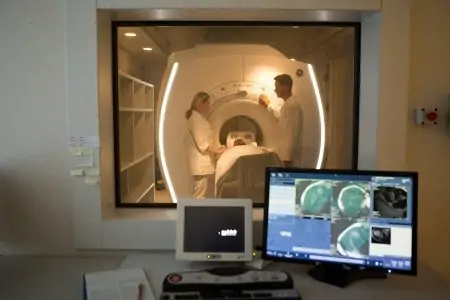
- Other tests: Assessment may include MRI, laboratory blood tests and clinical physiology exams such as spirometry.
CT and MRI reports are ready within 2–3 hours. ECG and echocardiography reports are issued immediately. The clinic’s laboratories follow external quality control by LABQUALITY in Finland and work with a partner laboratory in Germany.
Individual care and exercise-based rehabilitation
- Cardiologist-led management: The outpatient plan combines consultation, ECG, echocardiography, Holter monitoring or blood pressure monitoring, as needed.
- Cardiac rehabilitation and physiotherapy: Programmes use exercise and natural factors, including light, water and warmth, to support cardiovascular activity and recovery.
The clinic holds JCI accreditation, ISO 9001:2008 certification and the UK Treatment Abroad Code of Practice. Patients can request a consultation through Bookimed to discuss testing and care options.
Highlights
Get a free consultation
Accepted payment methods
View more information
Treatments prices in the clinic
How are we doing?

hospital accreditations of quality


Medical Diagnostic and Treatment Center: more details about the clinic
180 doctors
53 medical specialties
22 years of practice
48,000 patients per year
The Center cooperates with 200 international and Lithuanian medical institutions. Medical Diagnostic and Treatment Center works with one of laboratories in Germany. If some tests for the patients are not affordable in Lithuania, they do it in Germany.
The Center has accreditations that approve the quality and safety of medical services. Among them are JCI (Joint Commission International, the USA) and Treatment Abroad Code of Practice (the United Kingdom).
The Center provides:
Diagnostics
300,000 examinations
600 types of tests
5 laboratories
over 250,000 laboratory examinations every year
Specialists provide health check-ups to forecast a disease in the early stages. It helps to prevent spreading and complicating of a disease. Health examinations at the Medical Diagnostics and Treatment Center last for 1 day. Specialists perform tests in several hours.
Health check-up divides into examination programs:
- Minimum check-up includes therapeutic consultation, blood analysis, urinalysis, glucose and cholesterol tests.
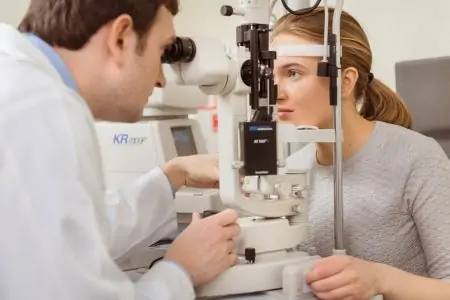
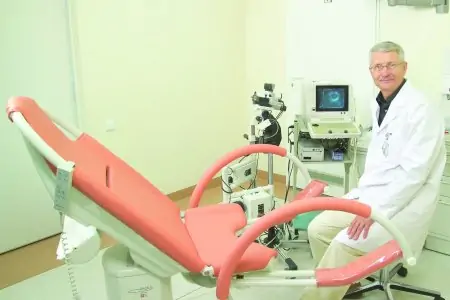
- Medium general health check-up consists of therapeutic, ophthalmological and gynecologic (for women) tests. The medium general diagnostic program differs according to the age of a patient.
- Extensive general health examination program;
- Preventive examination programs of particular organs or organ systems.
Doctors at Medical Diagnostics and Treatment Center offer instrumental diagnostics. Among them mammography, endoscopy, magnetic resonance imaging (MRT) and so on. Specialists use this type of examination to define specific kind of diseases.
Experts of the Center provide lab tests in 5 laboratories. It helps to get the most accurate results in the shortest time. Laboratories work under the control of LABQUALITY (Finland) — one of the best external and internal quality systems in Europe.
Surgery
2,500 surgeries per year
0% of infections after the surgeries for last 5 years
100 types of surgeries
Surgeons of Medical Diagnostics and Treatment Center perform:
- traditional open operations;
- conservative;
- minimally invasive surgeries.
Getting the results of diagnostics, a physician develops operating and rehabilitation plans.
Doctors specialize in 1-day operations. They focus on endoscopic, laparoscopic, arthroscopic (for joints treatment) and laser surgeries. These types of surgical interventions help a patient to avoid risks and complications.
After the surgery, a patient has hospitalization in single or double family wards.
Rehabilitation
Physiotherapists apply therapy with natural and simultaneous nature factors. They use light, water, warmth, and other components. This kind of treatment has no adverse effects. During physiotherapy, a patient feels relaxed and in comfort.
Specialists provide treatment for patients of different ages. Rehabilitation programs help patients:
- to recover from trauma and disease;
- to improve the activity of internal organ systems (cardiovascular, muscles, etc.);
- to reinstate their health.
Additional services
Requirements for admission
FAQ
What treatments do patients most often ask for?
Patients choose Medical Diagnostic and Treatment Center most frequently to treat the following conditions: Ophthalmology, Gastroenterology, Oncology, Orthopedics, Neurosurgery, Cardiology, Obstetrics and Gynecology.
What procedures do patients have most often?
The most common procedures in the hospital are: LASIK eye surgery, Laser eye surgery.
Patient reviews
View 26 reviewsNattaliia Ianenko • Consultation immunologist
Татьяна • Parkinson's disease
Anonymous • Epilepsy
Галина • Scoliosis
V. Grybo g. 32a, Vilnius 10318, Lietuva

Get a free consultation
How it works:
- We find a medical coordinator familiar with the matter
- You get a personal offer with a step-by-step guide and the cost estimate
- We arrange your travel including appointment scheduling and flights booking
- You arrive at the hospital, we support you 24/7