Tatiana Kovaleva • Female check-up


Last updated: Aug 26, 2019
Neuritis of the facial nerve Treatment in Medical Diagnostic and Treatment Center
About the clinic
Neuritis of the facial nerve is assessed and treated at Medical Diagnostic and Treatment Center (Hila) in Vilnius, Lithuania. A neurologist consultation may cost around $60–$100. The JCI-accredited clinic offers nerve testing and rehabilitation, led by neurologist Dr. Audra Januškevičiūtė, with over 40 years of experience and 100,000+ consultations.
Diagnostic options at Hila
Neurologists assess facial nerve symptoms and can order tests to check nerve function or look for possible causes.
- Neurologist consultation: Dr. Januškevičiūtė specializes in peripheral nervous system disorders. She trained at clinics in Berlin and Herne, Germany, and belongs to the Lithuanian Neurological Association.
- Electroneuromyography (ENMG): Electroneurography and electromyography measure nerve signals and muscle activity. The test helps assess facial nerve conduction and the degree of nerve damage. Dr. Ieva Sereikė has performed 1,000+ ENMG procedures; Dr. Ramunė Vilimienė also performs the test.
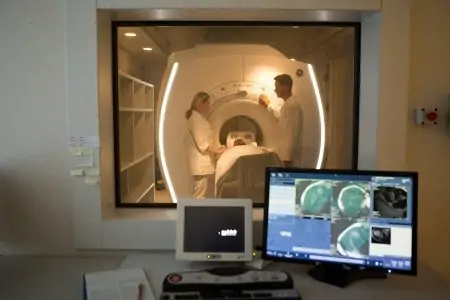
- Imaging: MRI, 128-layer CT, X-ray, ultrasound, and carotid ultrasound screening are available. CT reports are ready in 2–3 hours, and the clinic’s CT safety program cuts radiation by up to 68%.
- Other tests: EEG, infectious disease tests, and laboratory tests for Lyme disease, thyroid function, and vitamin deficiency are available.
Rehabilitation with BEMER and electrotherapy
The clinic’s physical medicine and rehabilitation program for peripheral nerve disorders includes a physiatrist assessment, an individual physiotherapy plan, and courses of electrotherapy and magnetotherapy.
- Impulse current therapy: Electrical stimulation targets facial muscles affected by paralysis.
- Ultrasound therapy and phonophoresis: Ultrasound helps deliver medication into tissue and may reduce inflammation in the affected area.
- Low-frequency magnetic field therapy with BEMER red light: This non-invasive method stimulates microcirculation and tissue regeneration.
- Infrared laser therapy: The treatment supports nerve regeneration and helps reduce pain.
- Other physiotherapy: Microwave therapy and darsonvalization are additional options for nerve and muscle recovery.
- Therapeutic massage: Massage can ease muscle tension and support facial muscle function. The clinic reports 15,000+ procedures.
- Rehabilitation support: Kinesio taping and manual therapy support weakened facial muscles. Land-based and aquatic therapy provide graded exercise.
- Paraffin and fango paraffin treatment: These warmth-based therapies may ease pain and relax muscles.
To explore the diagnostic and rehabilitation options for facial nerve neuritis, patients can request a consultation through Bookimed.
Highlights
Get a free consultation
Accepted payment methods
View more information
Treatments prices in the clinic
How are we doing?

hospital accreditations of quality


Medical Diagnostic and Treatment Center: more details about the clinic
180 doctors
53 medical specialties
22 years of practice
48,000 patients per year
The Center cooperates with 200 international and Lithuanian medical institutions. Medical Diagnostic and Treatment Center works with one of laboratories in Germany. If some tests for the patients are not affordable in Lithuania, they do it in Germany.
The Center has accreditations that approve the quality and safety of medical services. Among them are JCI (Joint Commission International, the USA) and Treatment Abroad Code of Practice (the United Kingdom).
The Center provides:
Diagnostics
300,000 examinations
600 types of tests
5 laboratories
over 250,000 laboratory examinations every year
Specialists provide health check-ups to forecast a disease in the early stages. It helps to prevent spreading and complicating of a disease. Health examinations at the Medical Diagnostics and Treatment Center last for 1 day. Specialists perform tests in several hours.
Health check-up divides into examination programs:
- Minimum check-up includes therapeutic consultation, blood analysis, urinalysis, glucose and cholesterol tests.
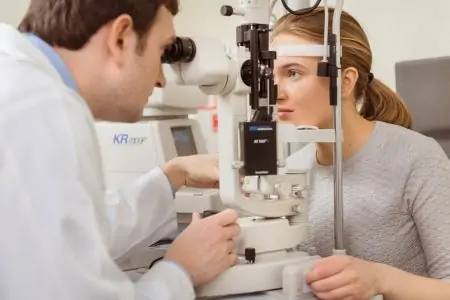
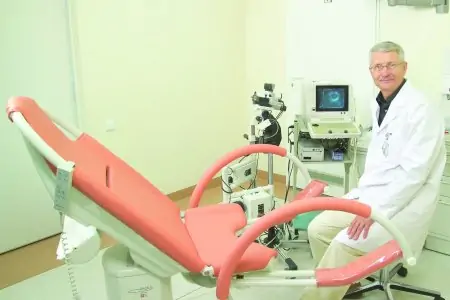
- Medium general health check-up consists of therapeutic, ophthalmological and gynecologic (for women) tests. The medium general diagnostic program differs according to the age of a patient.
- Extensive general health examination program;
- Preventive examination programs of particular organs or organ systems.
Doctors at Medical Diagnostics and Treatment Center offer instrumental diagnostics. Among them mammography, endoscopy, magnetic resonance imaging (MRT) and so on. Specialists use this type of examination to define specific kind of diseases.
Experts of the Center provide lab tests in 5 laboratories. It helps to get the most accurate results in the shortest time. Laboratories work under the control of LABQUALITY (Finland) — one of the best external and internal quality systems in Europe.
Surgery
2,500 surgeries per year
0% of infections after the surgeries for last 5 years
100 types of surgeries
Surgeons of Medical Diagnostics and Treatment Center perform:
- traditional open operations;
- conservative;
- minimally invasive surgeries.
Getting the results of diagnostics, a physician develops operating and rehabilitation plans.
Doctors specialize in 1-day operations. They focus on endoscopic, laparoscopic, arthroscopic (for joints treatment) and laser surgeries. These types of surgical interventions help a patient to avoid risks and complications.
After the surgery, a patient has hospitalization in single or double family wards.
Rehabilitation
Physiotherapists apply therapy with natural and simultaneous nature factors. They use light, water, warmth, and other components. This kind of treatment has no adverse effects. During physiotherapy, a patient feels relaxed and in comfort.
Specialists provide treatment for patients of different ages. Rehabilitation programs help patients:
- to recover from trauma and disease;
- to improve the activity of internal organ systems (cardiovascular, muscles, etc.);
- to reinstate their health.
Additional services
Requirements for admission
FAQ
What treatments do patients most often ask for?
Patients choose Medical Diagnostic and Treatment Center most frequently to treat the following conditions: Ophthalmology, Gastroenterology, Oncology, Orthopedics, Neurosurgery, Cardiology, Obstetrics and Gynecology, Neurology.
What procedures do patients have most often?
The most common procedures in the hospital are: LASIK eye surgery, Laser eye surgery.
Patient reviews
View 26 reviewsNattaliia Ianenko • Consultation immunologist
Татьяна • Parkinson's disease
Anonymous • Epilepsy
Галина • Scoliosis
V. Grybo g. 32a, Vilnius 10318, Lietuva

Get a free consultation
How it works:
- We find a medical coordinator familiar with the matter
- You get a personal offer with a step-by-step guide and the cost estimate
- We arrange your travel including appointment scheduling and flights booking
- You arrive at the hospital, we support you 24/7