Medicana Sivas Hospital assesses and treats atrial fibrillation in Sivas, Turkey, with five treatment pathways. On-site imaging and laboratory services support testing, with cardiology and cardiovascular surgery departments at the hospital.
Tests used to assess atrial fibrillation
Testing can check heart rhythm, heart structure, and health factors linked to arrhythmia.
- Blood test: Screens for thyroid problems, diabetes, anemia, and infection.
- Electrocardiogram (ECG): Records the heart’s electrical activity in about 5 minutes.
- Rhythm Holter monitor: Records heart rhythm continuously for 24–48 hours, or longer if needed.
- Event recorder: Captures rhythm during symptoms when a Holter monitor has not recorded them.
- Echocardiography (ECHO): A radiation-free ultrasound taking 10–15 minutes to check valves, heart chambers, and contraction.
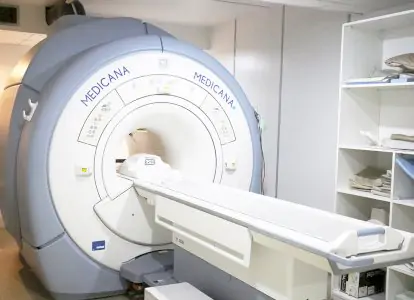
- Other tests: Assessment may also include a chest X-ray, exercise stress test, or cardiac MRI.
Atrial fibrillation treatment options
- Medication therapy: Anticoagulants lower clot and stroke risk. Rate-control drugs manage heart rate, while rhythm-control drugs aim to restore normal rhythm. Lifestyle changes may accompany medication.
- Electrical cardioversion: Shock waves reset the heart’s rhythm. This painless procedure may be considered when drugs fail to restore normal rhythm or cause side effects.
- Pacemaker implantation: A device placed in the chest regulates the heartbeat when a rhythm disorder does not respond to medication.
- Catheter ablation: A catheter passes through a blood vessel to the heart. Radio waves neutralize tissue causing the arrhythmia, without open surgery.
- Maze procedure: Open-heart surgery creates incisions in the affected atrium to block abnormal electrical impulses. Several Maze types are offered for patients unsuitable for drugs or catheter ablation.
Patients can request a consultation through Bookimed to discuss which diagnostic tests and treatment options may fit their needs.




 The clinic is not accepting new requests
 Average answering time – 5 minutes






