Urolithiasis care at Medicana Sivas Hospital in Sivas, Turkey, includes stone testing, medication, shockwave treatment, and surgery. The hospital is part of the Medicana Health Group and has on-site imaging and laboratory services.
Kidney stone diagnosis with CT and urine tests
Testing helps locate stones and assess factors that may contribute to their formation. Available diagnostic options include:
- Blood and urine tests: Blood tests check calcium, phosphorus, and uric acid. Urine analysis and 24-hour urine collection are also available.
- CT scan: The primary imaging method for kidney stones.
- Ultrasound: Urinary ultrasound can be used during pregnancy to avoid radiation.
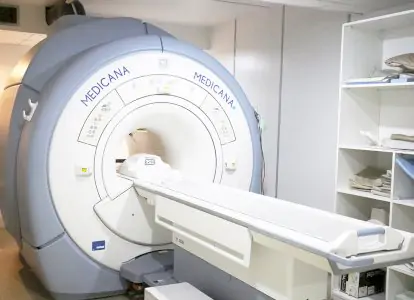
- Other imaging and examination: Options include a kidney-ureter-bladder X-ray, MRI, cystoscopy, physical examination, and family history assessment.
- Intravenous pyelography (IVP): This test is rarely used today because of toxicity risks.
Stone treatment options, from medication to surgery
The treatment depends on the stone’s size, location, and cause. Available options include:
- Medical expulsive therapy: For small stones moving through the urinary tract, care may include more fluids, physical activity, ibuprofen-type painkillers, and alpha blockers. Uric acid stones may be treated with medicines that lower urine acidity. About 90% of stones under 4 mm pass without intervention; roughly half of 4–7 mm stones do. Stones over 8 mm rarely pass on their own.
- ESWL shockwave lithotripsy: Shock waves created outside the body break the stone into pieces that pass in urine. A CT scan is repeated after treatment to check the result.
- Percutaneous nephrolithotomy (PNL or PCNL): A surgeon removes large kidney stones through a small incision in the back, using telescopic instruments. The procedure uses general anesthesia and usually involves a hospital stay of several days.
- Ureteroscopy (URS): A camera-tipped scope passes through the urethra to reach a stone in the ureter or kidney. The stone is removed or broken up; a ureteral stent may be placed to support healing and reduce swelling.
- Open kidney stone surgery: This may be considered for very large stones, when other methods fail, or when other conditions or abnormalities are present.
- Parathyroid surgery: This may address overactive parathyroid glands causing calcium phosphate stones.
- Gilaburu support: This traditional option is not standard treatment. Evidence supports easier passage of distal ureteral stones under 10 mm, not stone dissolution. It may cause nausea, diarrhea, or cramps and is not advised during pregnancy.
Patients can request a consultation through Bookimed to discuss kidney stone care at Medicana Sivas Hospital.




 The clinic is not accepting new requests
 Average answering time – 5 minutes







