Gavin Hoh


Breast cancer Treatment in St. Stamford Modern Cancer Hospital Guangzhou
About the clinic
Breast cancer care at St. Stamford Modern Cancer Hospital Guangzhou in Guangzhou, China, includes diagnostic testing, surgery, and minimally invasive therapies. The JCI-accredited hospital uses multidisciplinary treatment planning and combines minimally invasive oncology with Traditional Chinese Medicine (TCM).
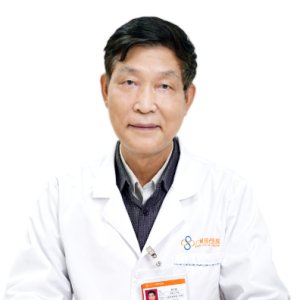
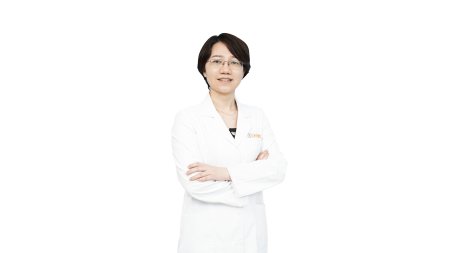
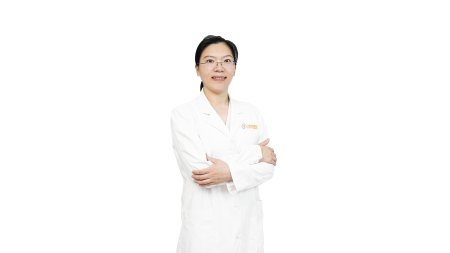
Associate Chief Physician and oncology department director Dr. Ma Xiaoying specializes in breast cancer and minimally invasive targeted immunotherapy. Dr. Ma is a member of the Chinese Anti-Cancer Association and studied at Sun Yat-sen University Cancer Center.
Breast cancer diagnostic tests
Testing can help identify a breast tumor, define its features, and check for spread. Available options include:
- Mammography, breast ultrasound, and breast MRI.
- Core needle, fine needle aspiration, surgical, and CT-guided biopsies.
- ER and PR hormone receptor testing, HER2 testing, and BRCA genetic testing.
- PET-CT to check for metastasis.
Treatment options, including 18 minimally invasive technologies
- Interventional therapy. A 1–2 mm puncture allows an image-guided catheter to deliver drugs to tumor vessels. It may be used before surgery in early disease, or for advanced, recurrent, or metastatic cancer. The clinic reports local drug levels 2–92 times higher than with systemic chemotherapy. Reported success rates vary by stage and are not a promise of individual results.
- Modified radical mastectomy with breast reconstruction. The surgeon removes the tumor and lymph nodes while retaining the pectoral muscles. Reconstruction may happen during the same operation or later, using an implant, the patient’s own tissue, or both. This option is listed for stage 1 or 2 cancer when mastectomy is chosen, and for preventive surgery in BRCA-mutation carriers. Listed contraindications include distant metastasis, severe heart or lung disease, diabetes, and mental disorder.
- Nanoknife. High-voltage pulses damage tumor cell membranes. This non-thermal ablation may suit tumors near blood vessels or nerves.
- Cryotherapy. Extreme cold, reaching about -190°C, destroys localized tumor tissue. It is an option for patients who cannot have surgery.
- Microwave ablation. A needle applies heat to destroy the tumor without open surgery.
- Radiofrequency ablation (RFA). Image-guided probes heat tumors to 80–100°C, causing tissue damage.
- Particle Knife seed implantation. Implanted iodine-125 seeds deliver localized radiation. The clinic lists this for residual or recurrent tumors.
- DEB-TACE. Drug-loaded beads block tumor vessels and release chemotherapy locally over time.
- Combined Knife. This method combines freezing and heat for minimally invasive tumor ablation.
- Photon Knife therapy. CT or MRI planning guides focused radiation toward the tumor while limiting exposure to nearby tissue.
- TCM and Western medicine integration. Adjunctive methods include catheter-based infusion, aerosol inhalation, rectal instillation, acupoint injection, and herbal preparations.
Patients can request a consultation through Bookimed to discuss which diagnostic or treatment options may fit their case.
Highlights
Get a free consultation
Accepted payment methods
View more information
Treatments prices in the clinic
Clinic Doctors
Clinical oncologist

How are we doing?

Licences

hospital accreditations of quality


St. Stamford Modern Cancer Hospital Guangzhou: more details about the clinic
Accreditations and Institutional Affiliations
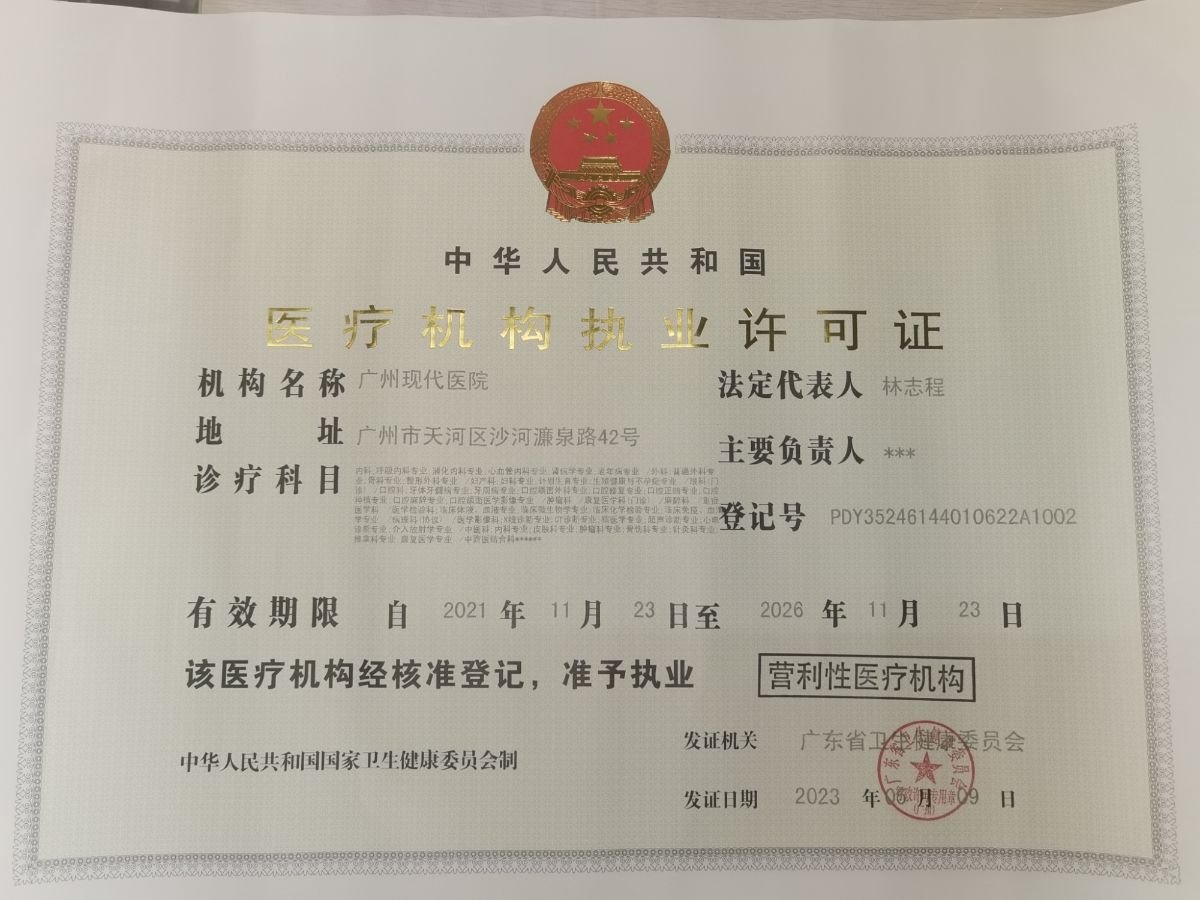
The hospital has passed American JCI accreditation with high scores. This certification confirms adherence to international standards for patient safety and quality of care. The facility is also recognized by several professional organizations:
- Member of the International Union Against Cancer
- Member of the China Anti-Cancer Association (CACA)
- Registered unit of the Malaysia-China Anti-Cancer Association
- Cooperation unit with the Penang Anti-cancer Association
As a training base for Belt and Road Integrative Oncology, the hospital leads regional medical exchange programs.
Integrative Oncology and Minimally Invasive Surgery
The oncology department uses a multidisciplinary team (MDT) model. Specialists have around 20 years of experience. This team creates individualized plans combining Traditional Chinese Medicine (TCM) with Western therapies. Surgeons use small-incision techniques to target tumors directly while sparing healthy tissue.
The hospital reports success rates for interventional therapy based on cancer stage:
- Approximately 90% for Stage I (early stage)
- Between 85% and 70% for Stage IIA–IIB
- Approximately 52% to 48% for Stage IIIA–IIIB
- About 18% for Stage IV (late stage)
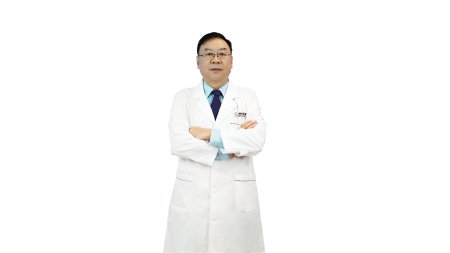
Dr. Wang Baoli and Dr. Zhang Fujun focus on targeted therapies. These include DEB-TACE, which uses drug-eluting beads to deliver high-concentration chemotherapy directly to tumor blood vessels. For localized radiation, the team uses iodine-125 particle implantation to treat tumors from the inside.
Traditional Chinese Medicine and Stem Cell Therapy
Integrative care includes specialized TCM delivery methods that support standard cancer treatments. Dr. Wu Qingkai has 40 years of experience. He and Dr. Yin Pingshan oversee these protocols. The hospital uses an inter-artery catheterization spray pump for continuous TCM infusion. Other methods include aerosol inhalation and acupoint injection therapy.
The hospital also provides autologous stem cell regeneration. This process involves four steps:
- Collection of marrow from the patient
- Isolation and purification of stem cells in a laboratory
- Transfusion of the cell suspension back into the patient
- Natural differentiation of cells to repair damaged tissues
This therapy treats conditions affecting nerves, organs, and tissues. It is also used for anti-aging purposes.
Diagnostic and Treatment Technologies
The hospital uses imaging-guided decision-making to stage cancers and monitor treatment. Diagnostic tools include PET-CT for detecting metastasis and CT-guided biopsies for precise tissue sampling. Specialized testing includes HPV testing for tongue base tumors and CEA marker monitoring for colorectal cancer.
For tumor destruction, the hospital uses several thermal and non-thermal technologies:
- Nanoknife – uses electric pulses to break down tumor cell membranes
- Cryotherapy – destroys tumor tissue through extreme freezing
- Microwave Ablation – uses heat to neutralize localized lesions
- Photon Knife – a three-dimensional directional radiation system
Specialists use these tools to treat over 30 cancer types, including nasopharyngeal, breast, and pancreatic malignancies.
Services for International Patients
The hospital treats many patients from Indonesia, Pakistan, and Mongolia. International visitors have access to interpreter and translator support throughout their stay. An airport drop-off service simplifies travel for departing patients. To support long-term recovery, the hospital runs a follow-up service with regular visits for both patients and their families.
Additional services
Requirements for admission
FAQ
What treatments do patients most often ask for?
Patients choose St. Stamford Modern Cancer Hospital Guangzhou most frequently to treat the following conditions: Oncology.
What procedures do patients have most often?
The most common procedures in the hospital are: Brachytherapy, Brachytherapy for uterine cancer, Brachytherapy for prostate cancer, Bacillus Calmette-Guérin (BCG) therapy, Immunotherapy, Hyperthermic Intraperitoneal Chemotherapy (HIPEC), Chemotherapy, Gastroenterostomy.
Patient reviews
Evelyn Zhu
Prof. Dr. Fong
Daniel Boey
M O
21-01, Menara Citibank, 165, Jln Ampang, Kuala Lumpur, 50450 Kuala Lumpur, Wilayah Persekutuan Kuala Lumpur, Malaysia

Get a free consultation
How it works:
- We find a medical coordinator familiar with the matter
- You get a personal offer with a step-by-step guide and the cost estimate
- We arrange your travel including appointment scheduling and flights booking
- You arrive at the hospital, we support you 24/7