Origin Rehabilitation Center is a multidisciplinary rehabilitation clinic in Kraków, Poland, founded in 2014. It provides neurological and orthopedic rehabilitation, memory care for patients with Alzheimer's disease and dementia, and admissions for international patients, with 2 departments, 39 beds, and a team of 25 doctors treating around 150 patients a year.
Specialized Care and Network Affiliation
Origin is part of the LNA Santé international healthcare network. This partnership supports the clinic's multidisciplinary approach to patient recovery. Both facilities have rooms designed for people with reduced mobility. Options range from private rooms with kitchenettes to fully self-contained flats.
Neurological and Orthopedic Rehabilitation
The centers provide neurological and orthopedic rehabilitation services tailored for post-accident and post-stroke patients, individuals living with illnesses and disabilities, and seniors coping with age-related challenges. The team includes neurologists, physiotherapists, neuropsychologists, and clinical speech therapists.
They provide intensive and personalized functional rehabilitation utilizing robotic technology.
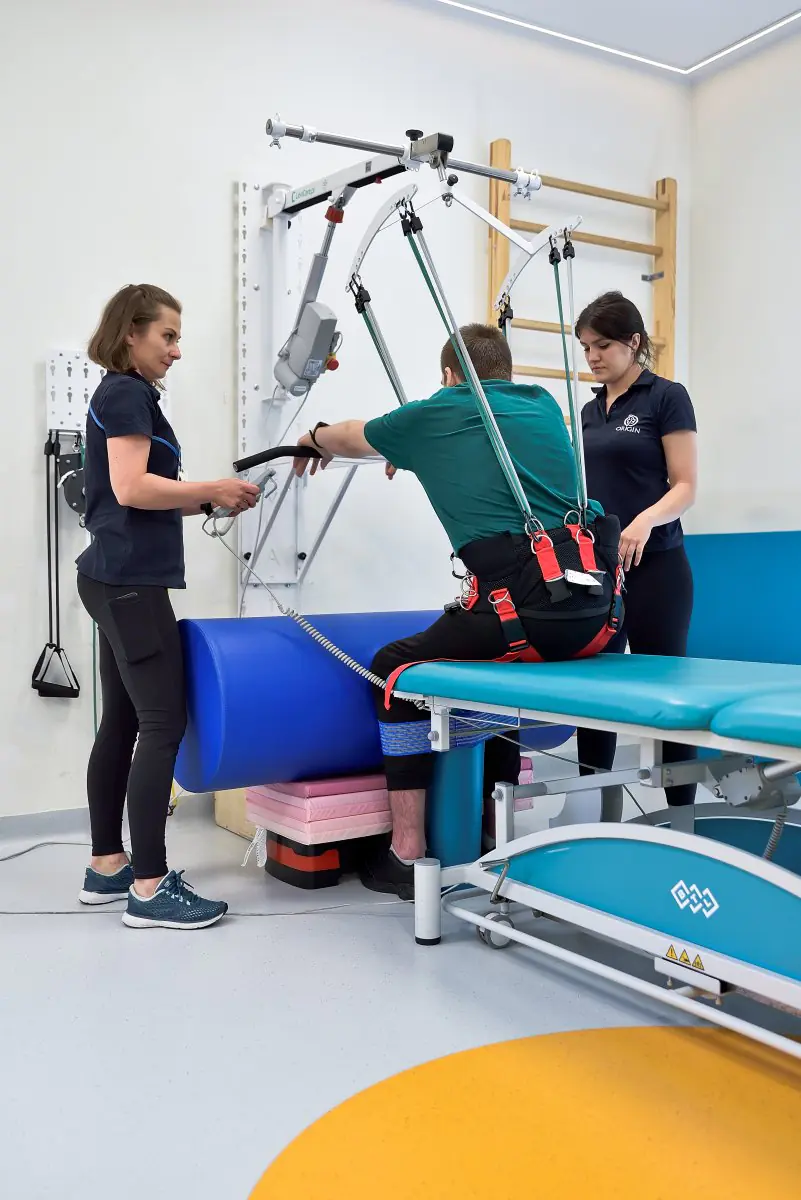
Orthopedic rehabilitation treats patients after accidents, surgeries, or for degenerative diseases. Therapy combines physiotherapist-led sessions with adaptive training. Occupational therapy helps patients regain everyday skills. The team conducts regular progress reviews to adjust therapy goals.
A dedicated Memory Care unit supports patients with Alzheimer's disease and dementia. This program includes structured daily activities and bibliotherapy. Specialists focus on maintaining cognitive function in a safe, homely environment.
Advanced Rehabilitation Technology
At Origin rehabilitation centres, the team of medical and rehabilitation specialists use modern rehabilitation devices that enable therapy to be precisely tailored to each patient's individual needs for intensive rehabilitation.
These solutions are applied in physiotherapy, speech and language therapy, neuropsychological therapy, and treatment.
The centers employ therapeutic robots that provide precision and effectiveness in rehabilitation, including:
- ReoGo,
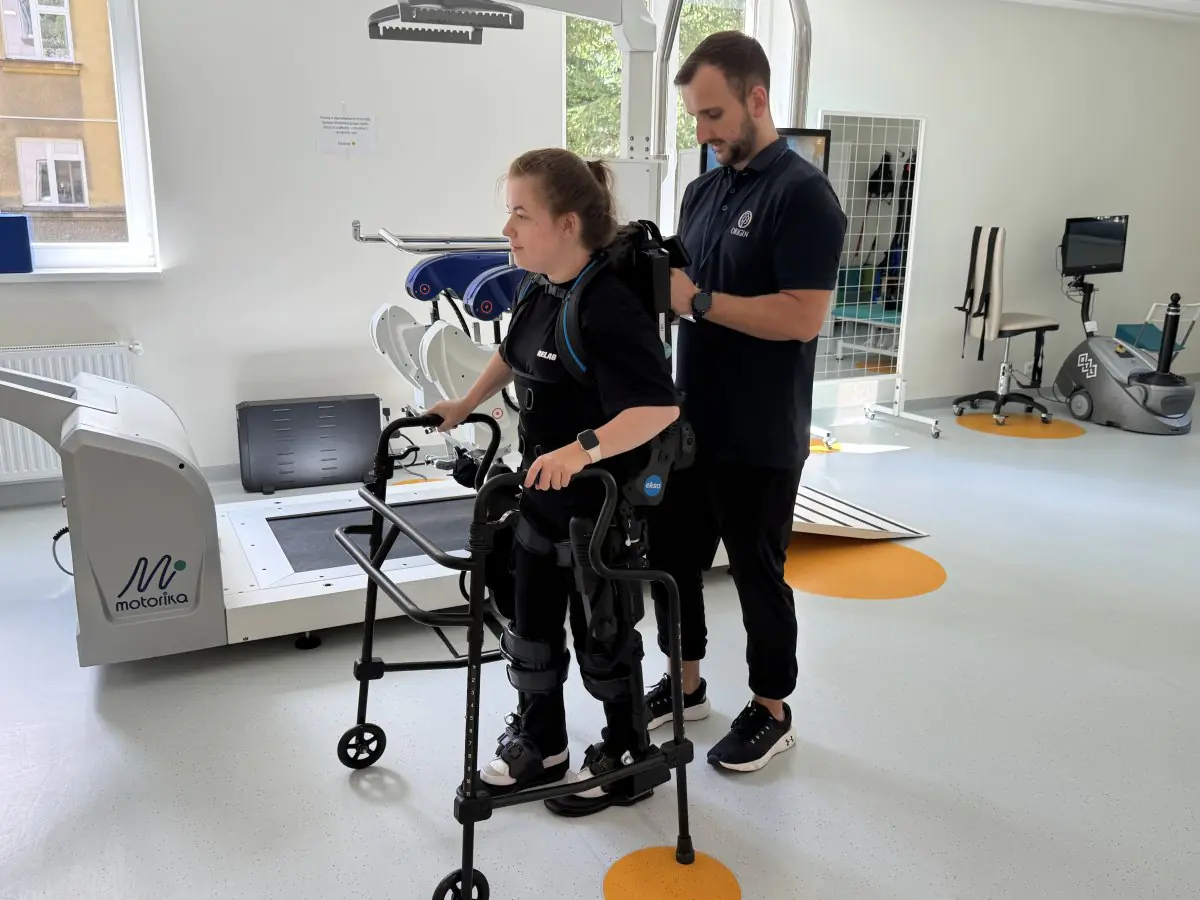
- Exoskeleton (in Cracow),
- DST automatic stairs,
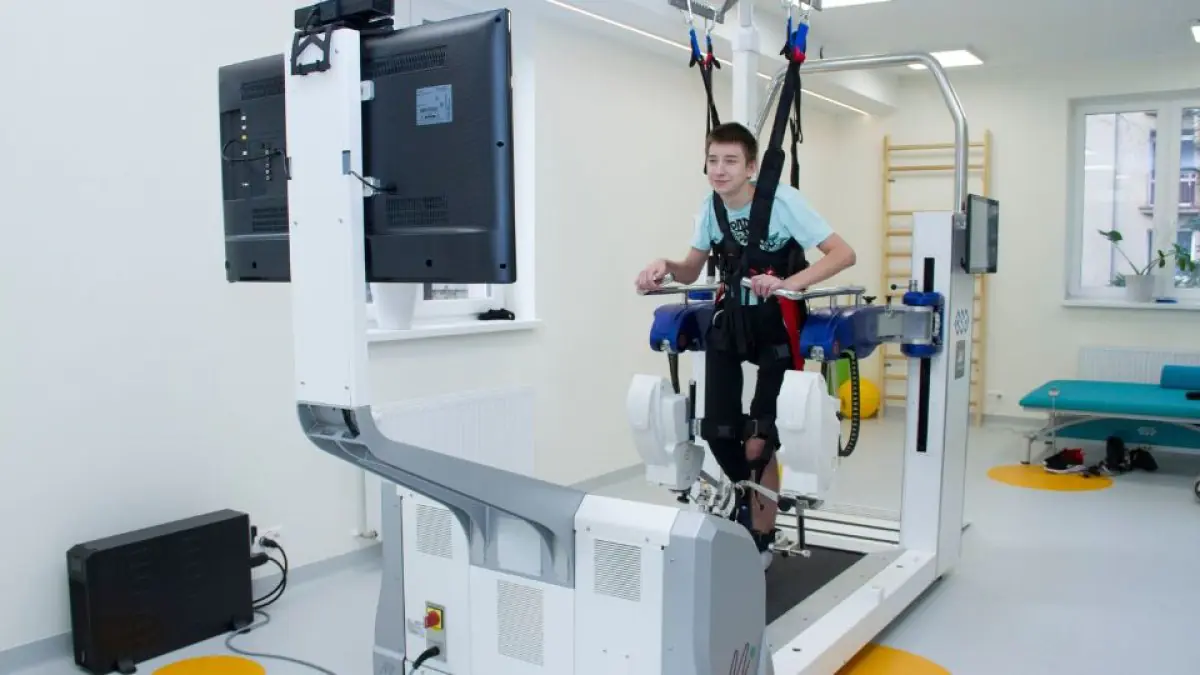
- Anti-gravity treadmill,
- Micro-polarisation,
- C-eye,
- Electro-stimulation,
- HUR Platform,
- shockwave therapy, HIL (high-intensity laser), TR-Therapy, Salus Talent (deep electromagnetic stimulation), and SIS (Super Inductive Stimulation),
- RAPAEL glove.
The centers use robotic and computerized systems in daily therapy sessions. These tools help patients restore mobility and coordination through precise, repeatable movements.
ReoGo and the exoskeleton are examples of equipment used in the centres to support movement therapy and improve patient function. The anti-gravity treadmill enables control of body load during walking, which can be especially helpful for patients with mobility difficulties. Learning to walk using robotic devices can be an effective method for improving stability and motor coordination.
Individually tailored rehabilitation programmes help patients and their families return to full health and independence.
International Patient Services
Origin offers a multi-step qualification process for international admissions. A multidisciplinary team reviews medical records to create an individualized rehabilitation plan. This initial assessment is free. Staff coordinate inquiries and logistics in English.
At the centres, patients stay in comfortable, well-appointed rooms available in various sizes and layouts:
- single, double, and triple rooms;
- rooms with kitchenettes.
All rooms are equipped with a shower/WC, television with cable channels, wireless internet access, a call-bell system, and a bathroom adapted for people with disabilities.
Each of the centres – including patient rooms, communal spaces, toilets, and outdoor areas – is fully adapted to the needs of people with reduced mobility.
A multidisciplinary team understands how important it is for families to actively participate in the patient's daily life. That's why patients have the option to stay together.
Patients receive full board meals tailored to their dietary needs – five balanced meals daily.
Both locations are within reach of international airports.


 Individual treatment program and cost estimate
 Average answering time – 5 minutes