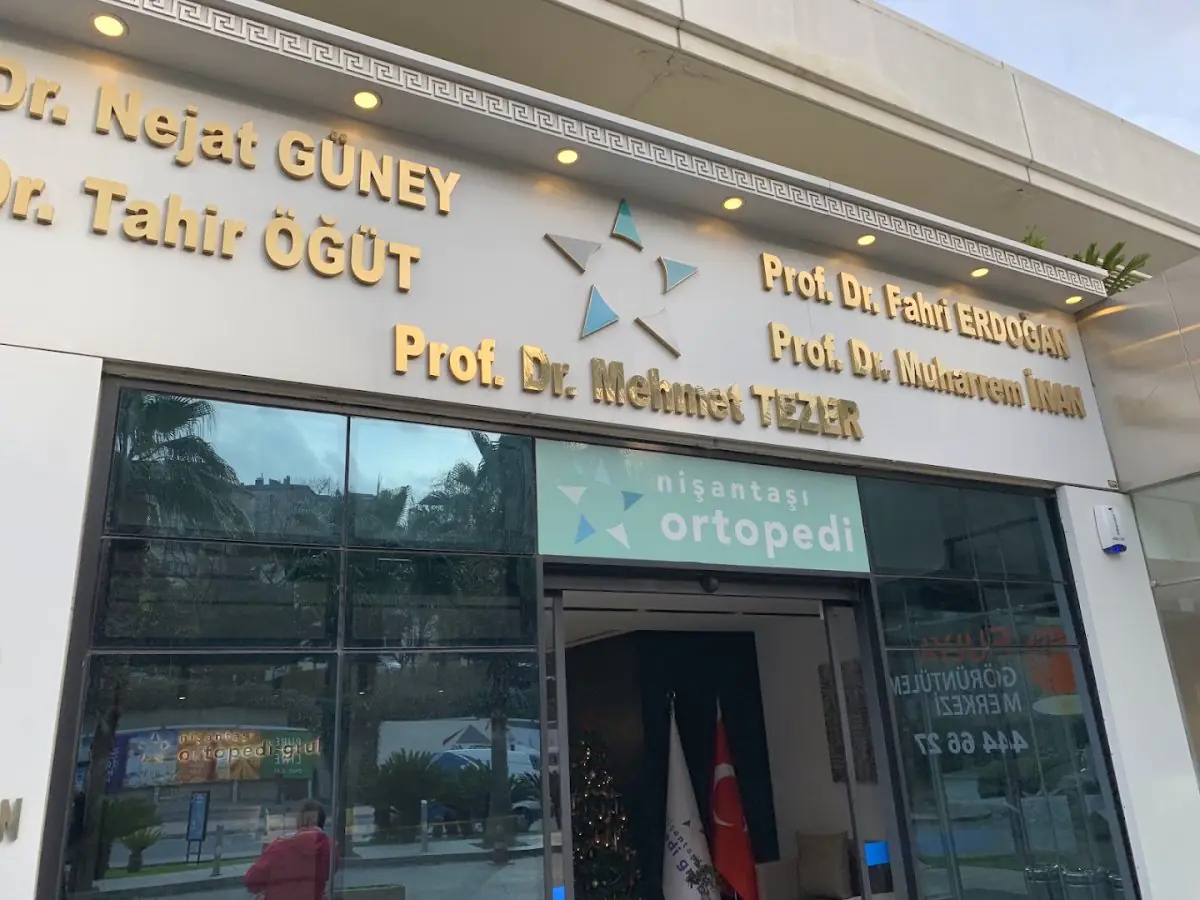
Ortopediatri Pediatric Orthopedics Academy is a specialized center in Besiktas, Istanbul. It focuses on pediatric orthopedic treatments and rehabilitation. Dr. Muharrem Inan established the facility in 2012. The medical team includes 7 doctors and 12 total employees.
The academy operates as a multidisciplinary hub for pediatric care. Specialists and physiotherapists work together to treat complex movement disorders. This approach helps prevent avoidable deformities early in a child's life. The facility has dedicated units for specific needs:
- Foot Problems and Gait Center
- Deformity Correction and Length Extension Unit
- Rare Diseases Center
- Neuro Orthopedics Center
International patients can access educational materials and clinical content in English.
Pediatric Orthopedic Specializations
The clinic treats a wide range of congenital and acquired conditions. Surgeons use both open and closed approaches for hip preservation. Hip arthroscopy is performed through small incisions using specialized angle cameras. This lets doctors view deep joints in tight operating spaces.
For scoliosis, the medical team follows growth-dependent treatment pathways:
- Observation for spinal curvatures between 10 and 20 degrees
- Corset therapy for curvatures between 25 and 45 degrees
- Surgical intervention for severe cases or rapidly progressing curves
The team also manages common childhood injuries like forearm fractures. Treatment options include simple reduction, casting, or surgical fixation with plates and wires.
Specialists treat several other pediatric conditions:
- Clubfoot using the Ponseti method of serial casting
- Flatfoot through gait control and periodic monitoring
- Osteogenesis imperfecta (brittle bone disease)
- Sports injuries of the hand, wrist, and knee
Clinical evaluation for flatfoot typically begins around age 4 for a definitive diagnosis.
Cerebral Palsy and Rehabilitation
Ortopediatri offers an integrated pathway for managing cerebral palsy symptoms. Treatment plans are individualized based on specific mobility goals. For some children, the goal is sitting. For others, it is walking. Doctors use Botox injections to reduce muscle stiffness and excessive contractions.
The clinic emphasizes that Botox is not a standalone treatment. Regular rehabilitation must follow injections so children can learn new movement patterns. Physiotherapy protocols focus on several functional outcomes:
- Improving muscle strength and postural control
- Regulating muscle tone in the torso and limbs
- Preventing secondary disorders like joint contractures or scoliosis
- Supporting weight transfer in the lower extremities
Post-operative rehabilitation typically spans the first 8 weeks after surgery. Physiotherapists also educate families to support the child's long-term motor development.
Diagnostic Technologies
The academy uses pedobarographic technology for detailed foot assessments. This system evaluates foot-loading patterns in both static and dynamic conditions. Measurements before and after interventions help track progress accurately. The center also uses 3D gait analysis to evaluate complex walking disorders.
Diagnostic imaging supports planning for orthopedic surgeries and rehabilitation. MRI and EMG supplement clinical examinations when needed for cerebral palsy cases. These tools help physicians confirm diagnoses and determine the right timing for surgery.
Professional Training and Academy Programs
As an academic facility, the clinic runs several professional education programs. The Clinical Fellowship Program involves advanced observation and participation in surgeries. A Movement Analysis Course trains clinicians on specialized diagnostic tools. The facility also hosts a Physical Therapy Internship Program focused on pediatric rehabilitation methods.

 The clinic is not accepting new requests
 Average answering time – 5 minutes

