Stroke Rehabilitation Treatment in Palladion Rehabilitation Center
About the clinic
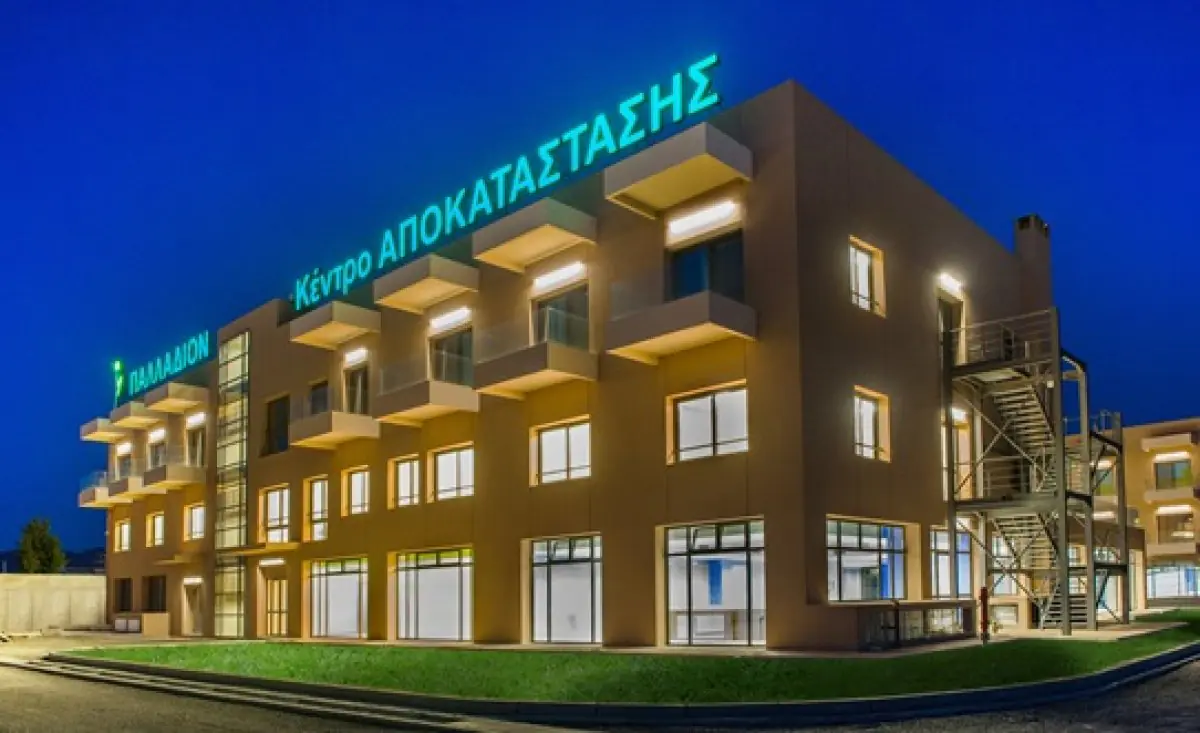
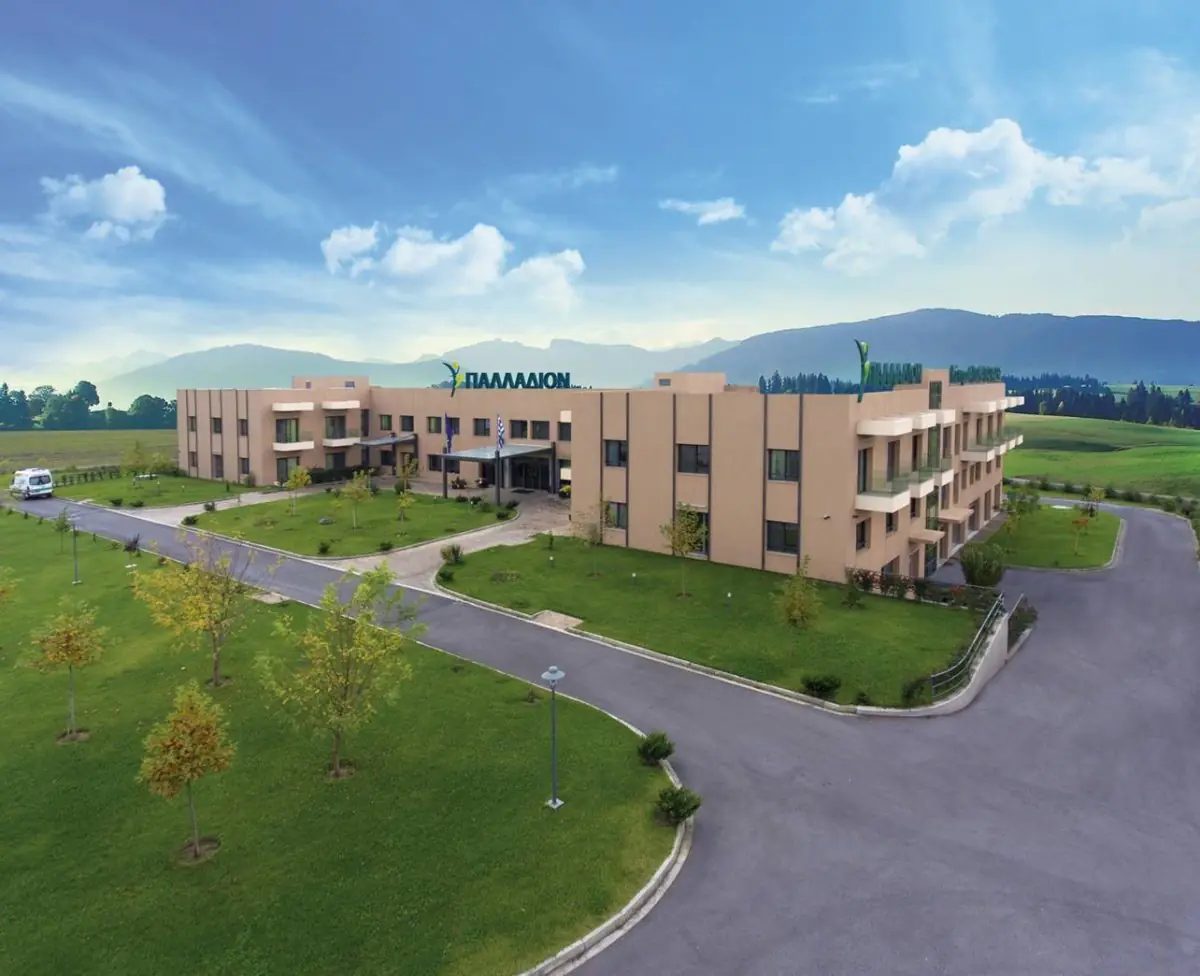
Stroke rehabilitation at Palladion Rehabilitation Center in Tripoli, Greece, focuses on restoring independence through a 33-acre therapeutic campus environment. The facility is the only center in Greece using ultrasound evaluations for swallowing disorders to help patients eat again after a stroke. The medical team is led by Dr. Panos Vrentas, a neurologist and Vice President at the center, who manages the specialized neurological recovery protocols.
Stroke diagnostics and assessment
Each patient undergoes a deep evaluation before therapy begins to map their specific motor and cognitive needs. These assessments use specialized equipment to track progress objectively throughout the stay.
- Initial rehabilitation evaluation. A primary physiatrist reviews the case to set recovery goals.
- Hunova sensory-motor assessment. This technology measures the stability and strength of the core and lower limbs.
- Baropodometric gait analysis. Doctors use this tool to study how a patient walks and distributes weight.
- Isokinetic dynamometer testing. This device precisely measures muscle strength and joint function.
- Cardiological checkup. A cardiologist performs a heart health review and medical history screening.
- Ultrasound swallowing evaluation. Speech therapists use ultrasound to see how muscles work during eating.
Neurological rehabilitation treatments
The clinic uses a multidisciplinary approach involving physiatrists, neurologists, pulmonologists, and psychiatrists. Therapy typically occurs 5 to 6 times per week for several hours each day.
- Robotic rehabilitation. The center uses the G-eo System, Armotion, and the FREE Walk Exoskeleton to retrain walking patterns.
- Neurological rehabilitation package. This all-inclusive program provides 24-hour nursing care, medical monitoring, and a functional nutrition plan.
- Hydrotherapy. Patients perform exercises in a warm pool to reduce muscle spasticity and improve balance.
- Occupational therapy. This retraining happens in home-like environments using tools like Hand Tutor and Able-X for cognitive skills.
- Cryotherapy. Patients spend 3 minutes in a chamber at -110°C to support neurological recovery.
- Neurofeedback. This non-invasive brain training helps improve performance in neural pathways damaged by stroke.
- Physiotherapy. Specialists use Bobath beds, Redcords, and mobilization bikes to help patients regain movement.
Facility features and patient support
The center holds formal quality certifications and maintains a HACCP-standard kitchen for medical nutrition. Located 1.5 hours from Athens, the campus includes 118 inpatient beds and sits just 5 minutes from the General Hospital of Tripoli. The clinic provides free transportation from Athens once a week for patient guardians. Research collaborations with the Foundation for Research and Technology keep the protocols updated with new findings in neurorehabilitation.
To learn more about the stroke recovery programs or to receive a cost estimate based on a medical evaluation, you may request a consultation through Bookimed.
Highlights
Get a free consultation


 The clinic is not accepting new requests
 Average answering time – 5 minutes
Treatments prices in the clinic
| treatment | Price | |
|---|---|---|
| Inpatient rehabilitation | Price on request | |
| Neurological Rehabilitation | Price on request | |
| Comprehensive rehabilitation | Price on request | |
| Occupational therapy | Price on request | |
| Vojta Therapy | Price on request | |
| TecnoBody | Price on request | |
| Hydrotherapy | Price on request | |
| Occupational therapy with the Head computer mouse | Price on request |
How are we doing?
Palladion Rehabilitation Center: more details about the clinic
Palladion Rehabilitation Center is a multidisciplinary medical facility in Tripoli, Greece. Founded in 2013, it operates as a private inpatient and outpatient recovery hub. The center sits on a 33-acre estate in the Peloponnese region. This rural setting meets international standards for therapeutic environments.
Accreditations and Quality Standards
The center maintains a documented quality framework through formal certifications. It regularly publishes results from its Evaluation of Services survey. This report tracks satisfaction rates across medical, nursing, therapeutic, administration, and catering departments. The facility also supports research through collaborations with the Foundation for Research and Technology.
Neurological and Complex Rehabilitation
The medical team treats patients with diverse neurological conditions, including spinal cord injuries and cerebral palsy. An interdisciplinary team delivers care – neurologists, cardiologists, and pulmonologists work together. Treatment follows a structured protocol: initial assessment, goal setting, and repeated progress evaluation.
Inpatient rehabilitation follows a specific timeline:
- Day one: Medical history review and cardiological checkups
- Day one: Nursing evaluation and facility orientation
- Day two: Start of the personalized therapy program
Physicians use specialized methods to restore independence. These include Vojta therapy and Clinical Pilates. The center also offers magnesium hydrotherapy for muscle recovery. Psychologists provide support sessions for patients and families to aid social reintegration.
Specialized Departments and Technologies
The facility has a dedicated Robotics department. This unit uses robotic systems for complex rehabilitation cases. Specialists also use Hunova technology to assess sensory-motor function of the core and lower limbs.
Patients have access to several advanced recovery technologies:
- Cryotherapy – three minutes in a -110°C chamber
- Neurofeedback – a non-invasive method for brain training
- Dry Immersion – specialized therapy for neurological recovery
- Isokinetic Dynamometer – measures muscle strength
- Baropodometric Analysis – digital platform for gait analysis
The physiotherapy department has tools for functional restoration. These include Redcords, laser therapy, and energy-path mobilization bicycles. Occupational therapy takes place in a space designed to imitate a home or office. This helps patients retrain for daily tasks like eating and personal hygiene.
International Patient Support
The center accommodates up to 118 inpatients at a time. During the initial inquiry, a rehabilitation consultant checks funding options. This confirms whether insurers like EOPYY or the Bank of Greece cover treatment. The consultant then provides a detailed cost estimate based on recommended therapies. Staff speak Greek and English.
The facility includes a catering department that provides daily nutrition plans. On-site nutritionists develop these plans. Administrative staff help international patients complete the admission process before arrival.
Additional services
2nd km of the Old Provincial Road Tripoli - Tegal, 22100 Tripoli, Greece

Get a free consultation
The clinic is not accepting new requests
Average answering time – 5 minutes
How it works:
- We find a medical coordinator familiar with the matter
- You get a personal offer with a step-by-step guide and the cost estimate
- We arrange your travel including appointment scheduling and flights booking
- You arrive at the hospital, we support you 24/7