


James Baio
Jul 5, 2026
Really eye opening experience. The whole staff is extremely welcoming and willing to have a laugh, good food, nice and clean rooms and all a round a vary beneficial experience.
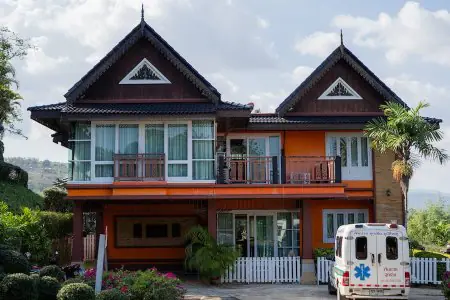


Alcohol rehabilitation at Phuket Island Rehab in Phuket, Thailand, offers a structured path to recovery licensed by the Thailand Ministry of Public Health. The program maintains an 85% success rate for patients who stay longer than 30 days. This success is built on a combination of medical detoxification, trauma-focused therapies, and medication-assisted treatment in a private residential setting.
The rehabilitation process follows four distinct phases to support long-term sobriety. Treatment begins with a 14-day medical detoxification phase featuring 24/7 nursing care. During this time, medical staff perform health checkups including ECGs and blood tests to monitor patient safety. The second phase moves into residential therapy, which includes both individual and group sessions. The third phase incorporates Medication-Assisted Treatment (MAT) using naltrexone and acamprosate to help manage cravings. Finally, patients enter a 12-month aftercare program with weekly video check-ins for the first three months.
The clinical team uses diverse psychological methods to address the root causes of addiction. These include Cognitive Behavioral Therapy (CBT), Dialectical Behavior Therapy (DBT), and Motivational Interviewing. A significant focus is placed on trauma recovery. Specialists use methods like Eye Movement Desensitization and Reprocessing (EMDR), Cognitive Processing Therapy (CPT), and Prolonged Exposure Therapy. These techniques help patients process underlying trauma that often fuels substance use.
Dr. Ponlawat Pitsuwan, an addiction medicine specialist and founder of the facility, oversees all clinical assessments and treatment protocols. The medical team also includes Dr. John A. Smith, who brings over 15 years of experience in addiction counseling. Dr. Smith specializes in trauma-focused psychotherapy and stress inoculation training. Together, they manage flexible residential stays ranging from 28 to 90 days based on individual needs.
Patients stay in a private residential facility equipped with a swimming pool, lounge areas, and private rooms. The program balances clinical work with physical activities to help rebuild health.
For those seeking help for alcohol use disorder, you can request a consultation to begin a confidential assessment for residential treatment in Thailand through Bookimed.


 The clinic is not accepting new requests
 Average answering time – 5 minutes

The facility is recognized by the Thailand Ministry of Public Health. It is among the few licensed addiction and mental health centers in the country. The clinical team reports an 85% success rate for clients who stay longer than 30 days. Most patients travel from the United States, the United Kingdom, Australia, and continental Europe.
The clinic treats a variety of substance use disorders and process addictions. Specialists manage alcohol, opioid, cocaine, and methamphetamine addictions. The facility also addresses behavioral issues like gambling and internet addiction. For patients with dual diagnoses, the team builds mental health support into the primary recovery plan.
Alcohol recovery uses Phase 3 Medication-Assisted Treatment (MAT). Physicians prescribe evidence-based options like naltrexone and acamprosate. The clinical team tailors MAT based on co-occurring conditions and medical history. This includes informed consent and genuine engagement with the recovery plan.
For PTSD and trauma, the clinic offers several evidence-based psychotherapy options:
Dr. John A. Smith, a physician with 15 years of experience, specializes in these trauma-focused approaches. All programs undergo clinical review by founder Dr. Ponlawat Pitsuwan, an addiction medicine specialist.
Care follows a structured residential pathway lasting 30, 60, or 90 days. Phase 1 covers assessment and detoxification during the first 14 days. Specialists provide 24-hour nursing care for safe, medically supervised withdrawal management. Protocols are substance-specific, with dedicated paths for opioid and benzodiazepine detox.
A full medical work-up is required upon arrival. The team performs vital-sign checks, electrocardiograms, and blood tests for organ function. Refeeding monitoring is available for clients with co-occurring eating disorders. Assessment tools include the SCOFF questionnaire and the Binge Eating Scale.
Holistic and physical therapies complement clinical treatment to support long-term wellness:
These activities are part of the daily schedule. They improve physical fitness and mental clarity.
International care begins with a free confidential assessment call. The clinic offers private rooms with Wi-Fi, a desk, and a private bathroom. Facilities include a swimming pool, lounge areas, and dining spaces with chef-prepared meals. Aftercare planning begins before discharge to reduce relapse risk.
The structured twelve-month aftercare program provides ongoing support once patients return home. It includes weekly video check-ins with a therapist for the first three months. The team also connects patients with recovery communities and offers medication management guidance. For those unable to travel, an Online Rehab Program is available through telehealth.
Patients choose Phuket Island Rehab most frequently to treat the following conditions: Rehabilitation.
The most common procedures in the hospital are: Substance Rehabilitation, Drug Rehabilitation, Comprehensive rehabilitation, Alcohol Rehabilitation, Alcoholism treatment, Relapse Prevention, Transcranial magnetic stimulation (TMS).
James Baio
Paul Croft
Neo Masekwameng
Rick
Jon Søbben
Niko Sikelianos
Matthew Barry
Ernst Flügel
Joseph Zammit
Connor
 The clinic is not accepting new requests Average answering time – 5 minutes



